

Obesity
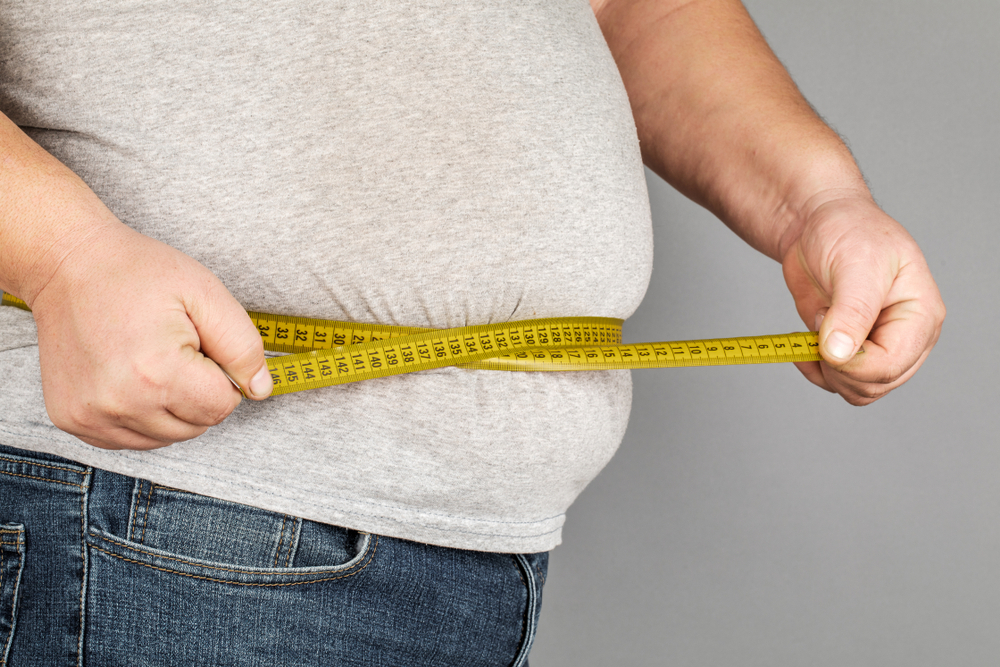
As we said before, if you want to be healthier and get enough vitamin D you should change your diet. Following a healthy and balanced diet is one of the most important things that can help your organism work properly. That said, health experts say that obese people, whether we are talking about teenagers, young children, adults or seniors, are more likely to be deficient in vitamin D than individuals who maintain a normal body mass.
According to a 2000 study published in the American Journal of Clinical Nutrition, the explanation is that fat cells prevent or impede the absorption of vitamins in the body. In other words, obesity can lead to severe complications of vitamin D deficiency.
So, in this case, all you have to do is to talk to your doctor about vitamin D deficiency and follow their advice. Plus, you should reconsider your diet or take supplements to regulate the level of vitamin D in the body and to reach a normal weight.
Don’t forget that obesity is a disease that can lead to major complications or even death. Obesity can make you prone to developing heart disease, diabetes, cancer and high blood pressure.
Speaking of obesity, here are some Serious Health Issues Linked to Obesity and 8 Clear Signs You Need to Move More.
Diabetes
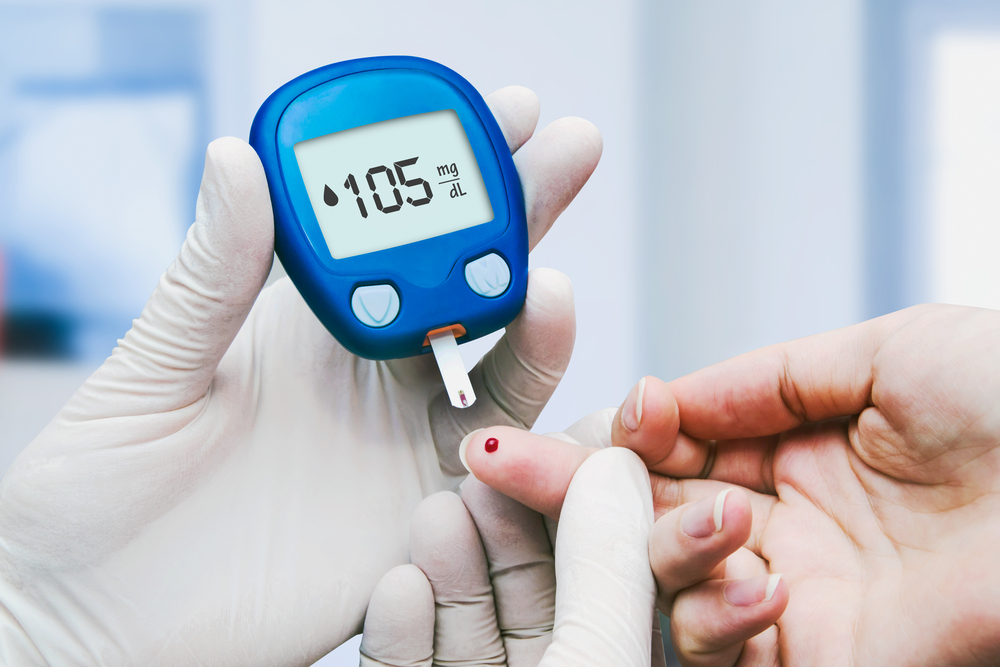
In general, people who suffer from obesity are more likely to develop diabetes as well. So, a 2015 Spanish study published in the Journal of Clinical Endocrinology & Metabolism has shown that there is actually a link between diabetes and vitamin D deficiency.
So, researchers say that low levels of vitamin D and obesity work together to increase the risk of diabetes or worsen existing symptoms of diabetes. As many of you probably already know, diabetes is a metabolic disease that usually causes high blood sugar. Symptoms of diabetes include increased hunger and thirst, frequent urination, vision problems, fatigue and so on.
Of course, there are a lot of factors that can cause diabetes in people of all ages, but besides low levels of vitamin D and obesity, genetics may play an important role in this sense.
With that said, it has been proven that exposing your body to the sun for at least twenty minutes each day can help you get enough vitamin D, which is essential to reduce your risk of type 2 diabetes. This type of vitamin is important because it can improve your body’s reaction to insulin. In other words, vitamin D can help regulate the production of insulin, which is responsible for managing the blood sugar levels in your body.
In addition, here are 7 Symptoms of Type 2 Diabetes You May Miss and Do you know The Difference Between Type 1 and Type 2 Diabetes?