

Search
Close this search box.
Search
Close this search box.

Mirror Effect-Cause of Dyslexia

French scientists discovered a physiological difference between the eyes of those who have dyslexia and those who don’t. It’s all about the fovea, the center of a region, which is dominated by cones. This cones are also responsible for color perception.
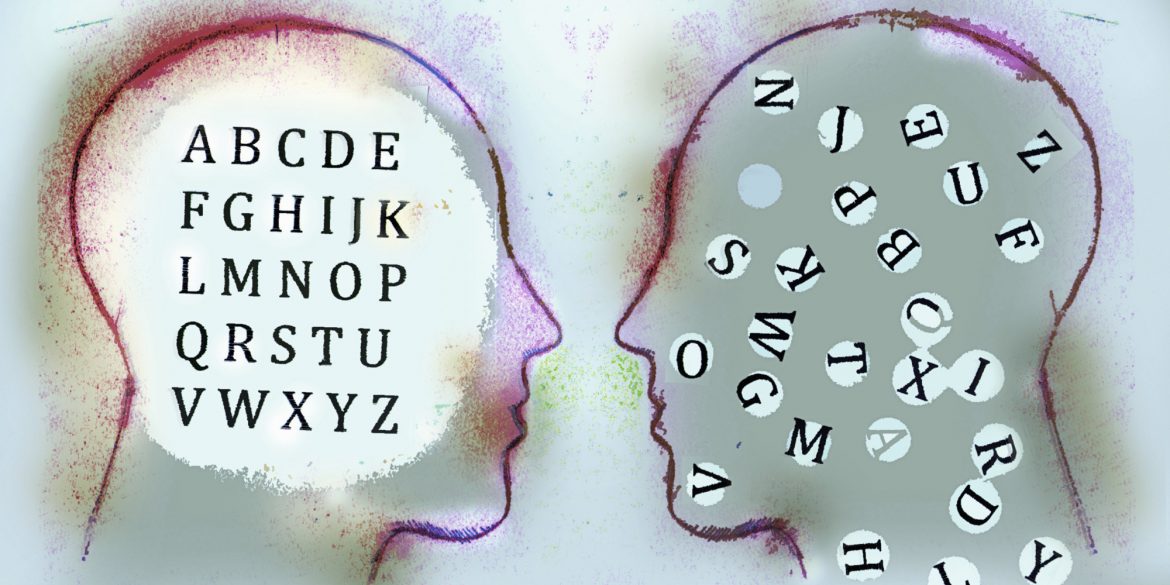
We all have a dominant eye as we have a dominant hand which has more neural connections to the brain. The non-dyslexic person have the arrangement of the cones asymmetrical, while the arrangement of the cones at dyslexic person is symmetrical. People with dyslexia have a round hole at the both eyes. That’s why dyslexic people, when they are looking at a page, their eyes create a mirror effect. They can’t distinguish a “b” from a “d” or an “s” from a “z”. If dyslexia does come down to some misarranged light-receptors in the eye, anyone can detect it with an eye exam. In this study, scientists used an LED lamp that blinks faster than the human eye, so the eye can cancel one of the mirror images. The dyslexic people who volunteered in this study confirmed that the LED lamp is magical.


 

Facebook
Twitter
WhatsApp
Pinterest
Reddit
LinkedIn
Facebook
Twitter
WhatsApp

Leave a Comment

Your email address will not be published. Required fields are marked *

READ NEXT

7 Scary Things Your Mattress Could Give You

If you experience the following things, your old mattress could be the culprit. Make sure your mattress gives you the comfort you need to get enough sleep. It’s important to

10 Warning Signs You Might Have Parkinson’s Disease

Parkinson’s disease is known as a progressive nervous system disorder that is responsible for affecting movement. Its symptoms start gradually, sometimes being characterized simply by a barely noticeable tremor in

10 Most Painful Health Conditions a Person Can Have

Doctors share their opinions about which conditions trigger the most horrific pain, kidney stones made the list. But even they’re outranked by several other diagnoses with more intense, longer-lasting distress.

6 Unexpected Foods That Cause Gas

A little gas is healthy, says Massachusetts-based Kate Scarlata, a registered and licensed nutritionist who’s an expert on irritable bowel syndrome. But when gas becomes bothersome or painful, identifying the

5 Simple Remedies for Occasional Bloating

Fluid retention, puffiness, or bloating refers to the abnormal accumulation of fluid throughout the body. Quite often this extra fluid settles in the ankles, face, hands, legs, and abdomen. It

How to Prevent Knee Pain

Knees have an important job to do: they support the body’s considerable weight while enabling a great deal of its movements. And as any structural engineer will tell you, it

8 Hidden Signs Your Heart Sends You

Our hearts resemble an engine in so many ways. If this muscular organ doesn’t receive the attention it needs, you could end up in the emergency room. Take care of

7 Simple Ways to Relax That Really Work

The truth is that we are all stressed due to the coronavirus pandemic, especially because we do not know if we are safe and when the whole process will end.

10 Cancer Symptoms You’re Probably Ignoring

Each year, more than 1.7 million new cases of cancer are diagnosed in the United States. And while many people follow basic healthy living protocols that minimize their risk, like

Check Out the Surprising Health Benefits of Cashews

Cashews are nutritious and a powerhouse of proteins and minerals including calcium, copper, iron, magnesium, phosphorus, zinc and potassium. Cashew also contains vitamins such as vitamin C, vitamin B1, vitamin B2,

These Factors Are Associated With Dementia Risk

Modifiable risk factors can be addressed through the means of early intervention to reduce chances of developing dementia during old age. By studying data from the Framingham Heart Study (FHS),

Scroll to Top