You can lower your blood pressure and protect your cardiovascular health without sacrificing bold, savory flavor. Replacing table salt with mineral-rich alternatives, bright culinary acids, and umami-rich seasonings offers immediate benefits for your arteries.
Medical research demonstrates that reducing sodium intake begins lowering arterial pressure within just one week. Committing to thoughtful, low-sodium seasoning habits delivers measurable health improvements within four weeks.
These seven dietitian-recommended salt alternatives protect your heart while keeping family meals vibrant and satisfying. You will discover practical ways to elevate every dish while keeping your blood vessels relaxed and resilient.
The Science of Sodium and Blood Pressure
Your vascular system depends on a delicate balance of fluid and electrolytes to maintain healthy arterial pressure. When you consume excess sodium, your bloodstream pulls in additional water, forcing your heart to pump harder through constricted blood vessels.
Over time, this elevated mechanical workload damages delicate endothelial linings and accelerates the stiffening of your arteries. Worldwide, hypertension now affects one in three adults aged 30 to 79, representing roughly 1.4 billion individuals.
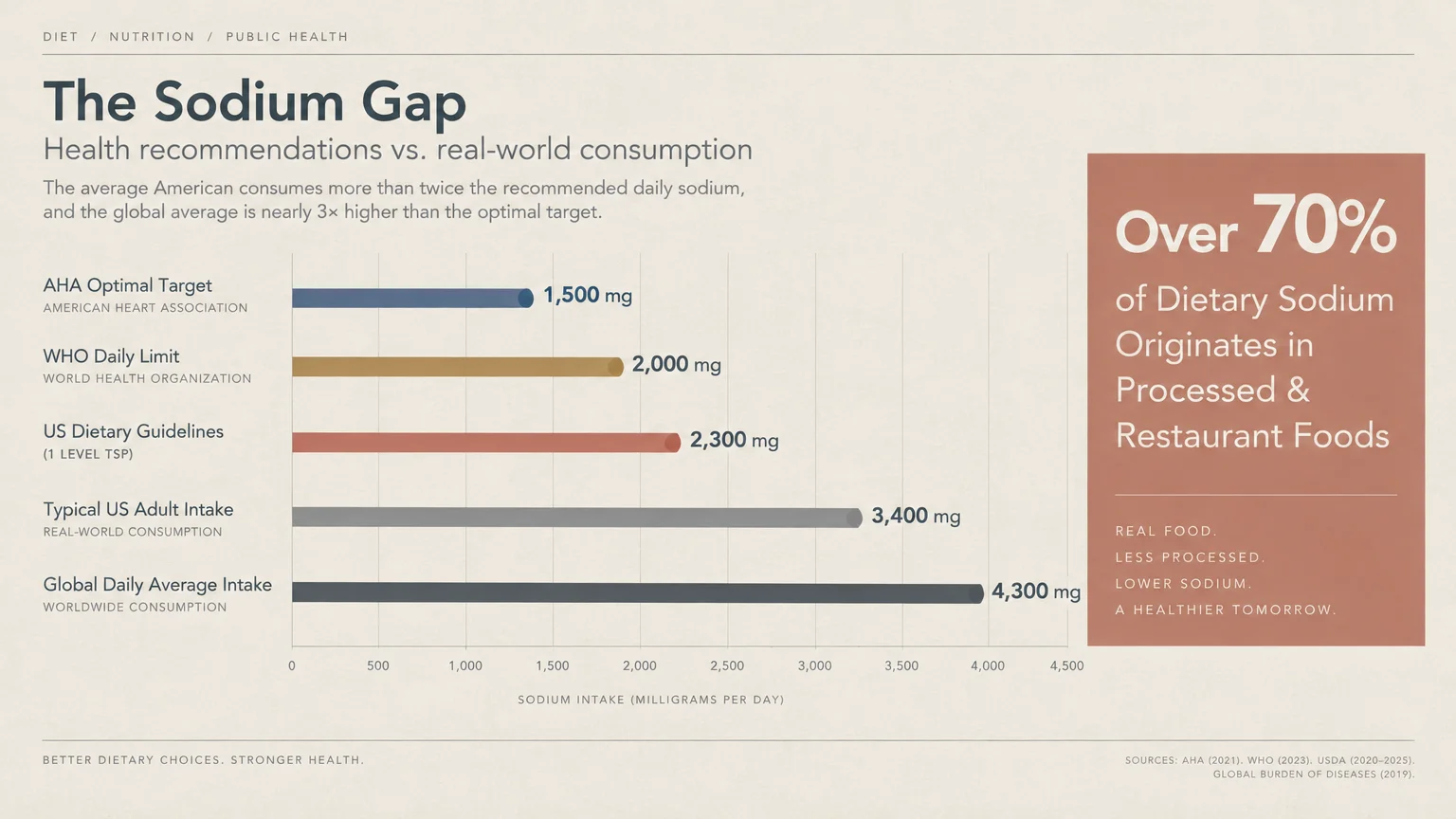
Excessive sodium consumption directly drives this global health crisis, causing approximately 1.9 million preventable deaths every single year. The World Health Organization urges all adults to limit daily sodium intake to less than 2,000 milligrams.
In the United States, federal public health guidelines recommend an aligned benchmark for adolescent and adult wellness. Released on January 7, 2026, the updated Dietary Guidelines for Americans advise people aged 14 and older to consume less than 2,300 milligrams daily.
That maximum daily threshold equals just one single level teaspoon of conventional table salt across all your meals. Yet the American Heart Association emphasizes that an optimal target for most adults is no more than 1,500 milligrams per day.
Even minor sodium reductions create immediate, measurable improvements in your daily cardiovascular function. Trimming just 1,000 milligrams of sodium each day significantly reduces your blood pressure and protects your arterial walls from persistent tension.
Despite these well-established clinical guidelines, nearly 90 percent of Americans routinely consume far more sodium than recommended. The typical American adult consumes between 3,100 and 3,400 milligrams of sodium every day.
Worldwide, average daily sodium intake reaches approximately 4,300 milligrams, placing immense strain on global cardiovascular health. Many people assume their tabletop saltshaker is responsible, but restaurant meals and processed foods drive the problem.
More than 70 percent of dietary sodium enters your diet through pre-packaged, processed, and commercial restaurant foods before cooking begins. Learning to prepare meals with low-sodium alternatives gives you direct authority over your vascular wellness.
Regulatory Shifts and Clinical Breakthroughs in Salt Substitutes
Public health authorities now recognize that advising consumers to use less salt is insufficient without systemic food reformulation. For generations, sodium chloride served as the primary, inexpensive texturizer and flavor agent throughout industrial food manufacturing.
On October 9, 2026, the U.S. Food and Drug Administration issued a landmark final rule amending 139 commercial food standards of identity. This historic regulation permits manufacturers to replace traditional salt with safe substitutes in basic staples like bread, cheese, and condiments.
This major federal rule change reflects a growing international consensus regarding the therapeutic power of mineral reformulation. On January 27, 2025, the World Health Organization released its first formal guideline recommending potassium-enriched, lower-sodium salt substitutes.
In May 2026, the WHO integrated these potassium-enriched substitute protocols directly into its global SHAKE sodium-reduction framework. These policy shifts stem from rigorous clinical research showing that mineral swaps save millions of lives.
A landmark clinical trial published in The New England Journal of Medicine evaluated thousands of individuals who switched to potassium-enriched salt substitutes. The findings demonstrated a 14 percent reduction in strokes and a 13 percent drop in major cardiovascular events.
The same rigorous trial documented a 12 percent drop in premature death among participants using potassium-enriched blends. Supplying your body with potassium while lowering sodium encourages your vascular smooth muscle to relax naturally.
Backing these clinical findings, a November 2026 modeling study in Nature Health demonstrated that broad adoption of potassium-enriched salt could prevent millions of cardiovascular deaths globally. Simple seasoning adjustments yield extraordinary public health dividends.
7 Salt Alternatives That Elevate Flavor and Protect Your Arteries
Transitioning away from high-sodium cooking does not mean enduring bland, tasteless food at your family table. By utilizing diverse mineral blends, culinary acids, and aromatic plant compounds, you create vibrant flavor profiles that stimulate your taste buds effectively.
In this article7 items
Potassium-Enriched Mineral Blends
Potassium-enriched salt substitutes replace a substantial portion of regular sodium chloride with purified potassium chloride. These commercially prepared blends look, pour, and measure like traditional table salt while decreasing overall sodium content by 25 to 50 percent.
Potassium works directly against sodium inside your vascular walls by stimulating vasodilation and reducing arterial stiffness. It also signals your kidneys to excrete surplus fluid, effectively lowering the physical volume of blood in your vessels.
You can use potassium-enriched blends in everyday marinades, simmering sauces, roasted proteins, and side dishes. They dissolve smoothly in hot liquids and interact with food textures exactly like traditional table salt.
Some individuals notice a subtle metallic note when using potassium chloride in large amounts. Combining these mineral seasonings with black pepper, garlic, or fresh lemon juice easily balances the flavor profile.
Always discuss potassium substitutes with your physician before introducing them into your daily cooking routine. For eligible individuals, these mineral blends deliver an authentic salty sensation alongside documented cardiovascular benefits.
Fresh Lemon, Lime, and Citrus Zest
Fresh citrus fruits supply vibrant culinary acids that trigger your tongue’s sensory receptors in a manner remarkably similar to sodium. A generous splash of lemon or lime juice over cooked food creates an immediate bright finish that makes salt unnecessary.
Citric acid activates your salivary glands, spreading flavor molecules across your palate and enhancing the natural richness of your ingredients. This biological response allows you to perceive deeper flavor complexity without relying on sodium.
Citrus zest contains aromatic essential oils that provide concentrated floral and fruity notes without adding extra liquid. Grating fresh zest over roasted vegetables, grain bowls, and grilled poultry introduces sophisticated flavor nuances to every bite.
You can also experiment with sumac, a deep-red Middle Eastern spice made from dried, crushed wild sumac berries. Sumac delivers a tart, lemon-like flavor that works wonders on grilled fish, roasted chickpeas, and Mediterranean salads.
Citrus fruits also deliver beneficial bioflavonoids and vitamin C, which protect your vascular endothelium from oxidative stress. Fresh citrus juices carry zero risk of dangerous mineral imbalances or prescription drug interactions.
Aromatic Alliums: Garlic, Shallots, and Onion Powder
The allium botanical family—encompassing garlic, onions, shallots, scallions, and leeks—provides an indispensable foundation for low-sodium cooking. These vegetables contain potent organosulfur compounds that infuse savory warmth and aromatic intensity into any recipe.
Freshly minced garlic produces allicin, a natural compound that supports healthy nitric oxide production and promotes arterial flexibility. Roasting whole heads of garlic transforms their sharp bite into a creamy, sweet spread perfect for warm whole-grain bread.
Granulated garlic and dehydrated onion powder offer convenient, concentrated flavor for dry spice rubs, roasted meats, and homemade dressings. Always select pure, single-ingredient spice jars rather than seasoned garlic salts that conceal high levels of sodium.
Gently sautéing shallots or yellow onions caramelizes their natural sugars, generating rich flavor molecules that satisfy your palate. This savory caramelization provides a robust backbone for low-sodium soups, braises, and whole-grain pilafs.
Garnishing finished plates with freshly sliced scallions or chopped chives adds a crisp texture and peppery aroma. This simple finishing touch provides sensory excitement that prevents low-sodium dishes from tasting flat.
Nutritional Yeast for Savory Umami Depth
Nutritional yeast consists of deactivated yellow yeast flakes that deliver a distinct, cheesy, and nutty flavor. It naturally supplies high concentrations of free glutamates, which activate the savory umami taste receptors on your tongue.
Umami represents the fifth basic taste sensation, alerting your brain to protein richness and creating a feeling of culinary satisfaction. Incorporating umami-dense seasonings into low-sodium dishes prevents the sensory deprivation often linked to dietary changes.
Two tablespoons of nutritional yeast contain virtually no sodium while delivering essential B vitamins, zinc, and bioavailable plant protein. It dissolves effortlessly into warm liquids, producing a rich, velvety consistency without dairy fats.
Sprinkle nutritional yeast across air-popped popcorn, roasted asparagus, baked potatoes, and homemade vegetable soups. It also elevates low-sodium tomato sauces and creamy vegan pasta dishes with a savory profile reminiscent of aged cheese.
Because nutritional yeast is completely shelf-stable and sodium-free, you can store it right beside your stove. It provides families with a safe, convenient seasoning option that appeals to children and adults alike.
Aged and Infused Culinary Vinegars
Culinary vinegars contain acetic acid, which invigorates taste buds and accentuates natural food flavors much like table salt does. Adding a small dash of quality vinegar right before serving cuts through blandness and sharpens subtle spices.
Authentic aged balsamic vinegar offers a dense, syrupy texture with a delightful harmony of sweet and tart flavor notes. Drizzling aged balsamic over ripe heirloom tomatoes, roasted beets, or grilled chicken breast eliminates any craving for table salt.
Apple cider vinegar, red wine vinegar, and unseasoned rice vinegar contribute crisp acidity that balances rich, hearty recipes. Always verify nutrition labels on rice vinegars, as commercial sushi seasonings often contain significant amounts of added salt.
Whisking artisanal vinegar with extra virgin olive oil, minced garlic, and coarse black pepper yields an exceptional everyday salad dressing. The monounsaturated fats in olive oil enhance arterial function while the vinegar provides robust seasoning.
You can also use vinegar to deglaze hot stainless-steel pans after searing lean meats or roasting hearty vegetables. This technique lifts caramelized browned bits from the pan floor, creating rich, savory pan sauces without salty broths.
Peppery Spices and Pungent Herbs
Culinary herbs and aromatic spices represent nature’s most diverse palette of heart-healthy flavor alternatives. Using generous amounts of fresh and dried botanicals stimulates your senses and creates satisfying flavor depth without adding sodium.
Smoked Spanish paprika infuses warm bean stews, roasted potatoes, and grilled meats with an authentic, wood-fired aroma. Freshly cracked black, white, and green peppercorns provide a sharp bite that stimulates thermal receptors across your palate.
Cayenne pepper, crushed red pepper flakes, and hot chili powders contain capsaicin, which supports healthy circulation and vascular relaxation. Gentle spicy heat distracts your sensory receptors from the lack of salt, making meals feel vibrant and bold.
Hearty woody herbs like rosemary, thyme, oregano, and sage withstand prolonged heat during braising and roasting. Their natural aromatic oils seep into meats, root vegetables, and simmered lentils, creating comforting, full-bodied flavors.
Delicate tender herbs like fresh basil, flat-leaf parsley, cilantro, and dill should be stirred into dishes right before serving. Their crisp, herbaceous brightness lifts heavy stews and enlivens grain bowls with refreshing flavor.
Toasting whole spices like cumin, coriander, and fennel seeds in a dry skillet before grinding unlocks rich essential oils. This brief culinary step maximizes aromatic intensity, allowing you to season low-sodium meals like an expert chef.
Seaweed Flakes and Kelp Seasonings
Edible seaweeds—including dulse, kelp, nori, and wakame—deliver an authentic taste of the ocean brimming with natural umami compounds. When milled into delicate flakes, sea vegetables provide a salty, savory flavor profile while contributing minimal dietary sodium.
Atlantic dulse flakes offer a smoky, rich flavor that complements morning eggs, crisp vegetable salads, and stir-fries. Dulse also supplies naturally occurring potassium, magnesium, and dietary iodine, which nourish your thyroid and circulatory system.
Kelp powder provides an exceptionally concentrated source of natural glutamic acid, imparting profound savory depth to broths and stews. A light dusting across steamed brown rice or lentil soup mirrors the seasoning impact of traditional soy sauce.
Always read ingredient labels carefully when shopping for seaweed products to confirm that manufacturers have not added refined sea salt. Pure, unadulterated sea vegetable flakes permit you to capture genuine oceanic flavor without compromising your blood pressure goals.
Sea vegetables also contribute protective marine polyphenols and soluble fibers that support gut health and metabolic balance. Integrating these ocean botanicals into your pantry expands your culinary repertoire while protecting your vascular system.
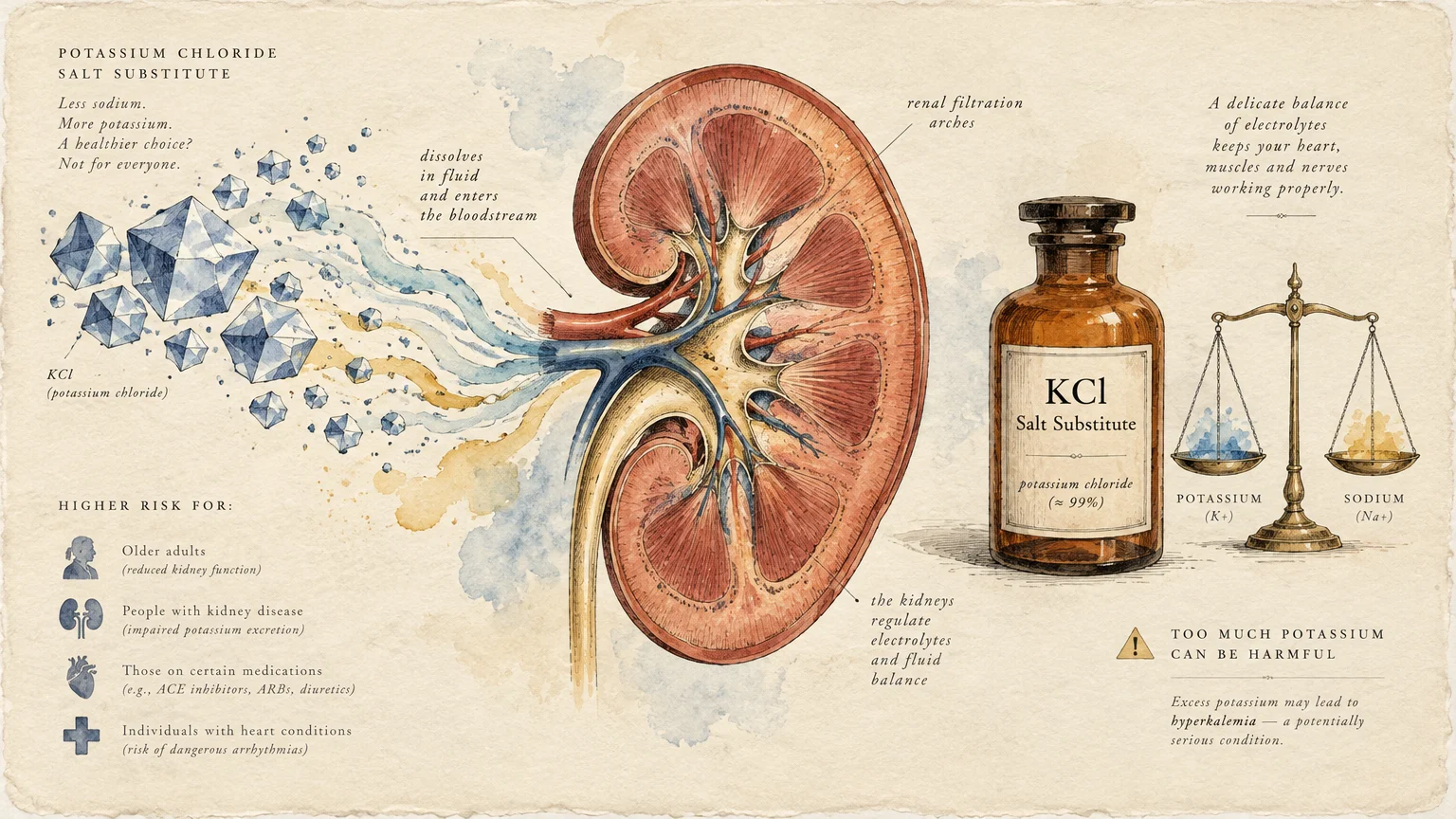
Critical Safety Warnings: Who Must Avoid Potassium Salts
Although potassium-enriched salt substitutes offer significant cardiovascular benefits for the general public, they are not appropriate for everyone. Both the World Health Organization and the American Heart Association emphasize clear clinical contraindications regarding potassium chloride.
People diagnosed with chronic kidney disease or any stage of renal impairment must strictly avoid potassium-enriched salt substitutes. Compromised kidneys cannot efficiently clear surplus potassium from the blood, leading to dangerous systemic accumulation.
When blood potassium rises to abnormal concentrations, a medical condition known as hyperkalemia develops. Hyperkalemia can cause life-threatening cardiac arrhythmias, severe muscle paralysis, sudden drops in heart rate, and fatal cardiac arrest.
You must also avoid potassium-based substitutes if you take prescription medications that cause your body to retain potassium. Common blood pressure medications, including ACE inhibitors, angiotensin receptor blockers, and potassium-sparing diuretics, already raise blood potassium levels.
Popular medications in these categories include lisinopril, enalapril, losartan, valsartan, spironolactone, and triamterene. Pairing these drugs with potassium chloride seasonings substantially increases your risk of developing severe, symptomatic hyperkalemia.
Pregnant women, nursing mothers, and young children should also steer clear of potassium-enriched substitutes unless specifically advised by their physician. For these groups, standard culinary alternatives provide all the needed flavor without clinical risks.
Botanical seasonings like fresh citrus juice, culinary vinegars, garlic, nutritional yeast, and fragrant herbs carry zero risk of hyperkalemia. These natural seasonings are completely safe for individuals managing kidney concerns or taking complex medication regimens.
If you experience irregular heartbeats, unexplained muscle weakness, tingling sensations around your mouth, or sudden dizziness, seek emergency care immediately. These symptoms represent potential warning signs of an electrolyte emergency requiring prompt clinical intervention.
Ask your primary care physician to order a routine basic metabolic panel during your regular checkup. This simple blood test measures your serum potassium levels, verifying whether mineral-based salt substitutes are safe for you.
Action Steps for Transitioning Your Kitchen and Palate
Retraining your palate to appreciate low-sodium cooking is a manageable neurological process that requires a few weeks of consistency. Human taste buds adapt to reduced sodium levels within two to four weeks of steady dietary change.
During the initial days of your transition, low-sodium dishes may taste somewhat mild or unfamiliar. As your sensory receptors reset their baseline sensitivity, you will begin appreciating delicate flavors that excessive salt previously overwhelmed.
Start your kitchen transition by conducting a comprehensive audit of the packaged groceries currently inside your pantry. Use the Daily Value percentages on standard nutrition labels to identify foods that undermine your cardiovascular health.
As a clinical rule of thumb, look for products containing 5 percent or less Daily Value of sodium per serving. Any packaged item exceeding 20 percent Daily Value delivers an excessive sodium load and belongs back on the shelf.
Scrutinize staple pantry items where commercial processors routinely hide large amounts of sodium. Sliced sandwich bread, jarred marinara sauces, canned beans, and commercial broths often deliver excessive sodium before you add any seasonings.
Choose no-salt-added canned tomatoes and low-sodium broths, or rinse regular canned beans under cool running water before cooking. Rinsing canned beans in a fine colander strips away up to 40 percent of their surface sodium.
Master culinary browning techniques to build rich flavor compounds without reaching for the saltshaker. Searing lean meats and roasting vegetables at high heat triggers the Maillard reaction, generating deep, savory complexity naturally.
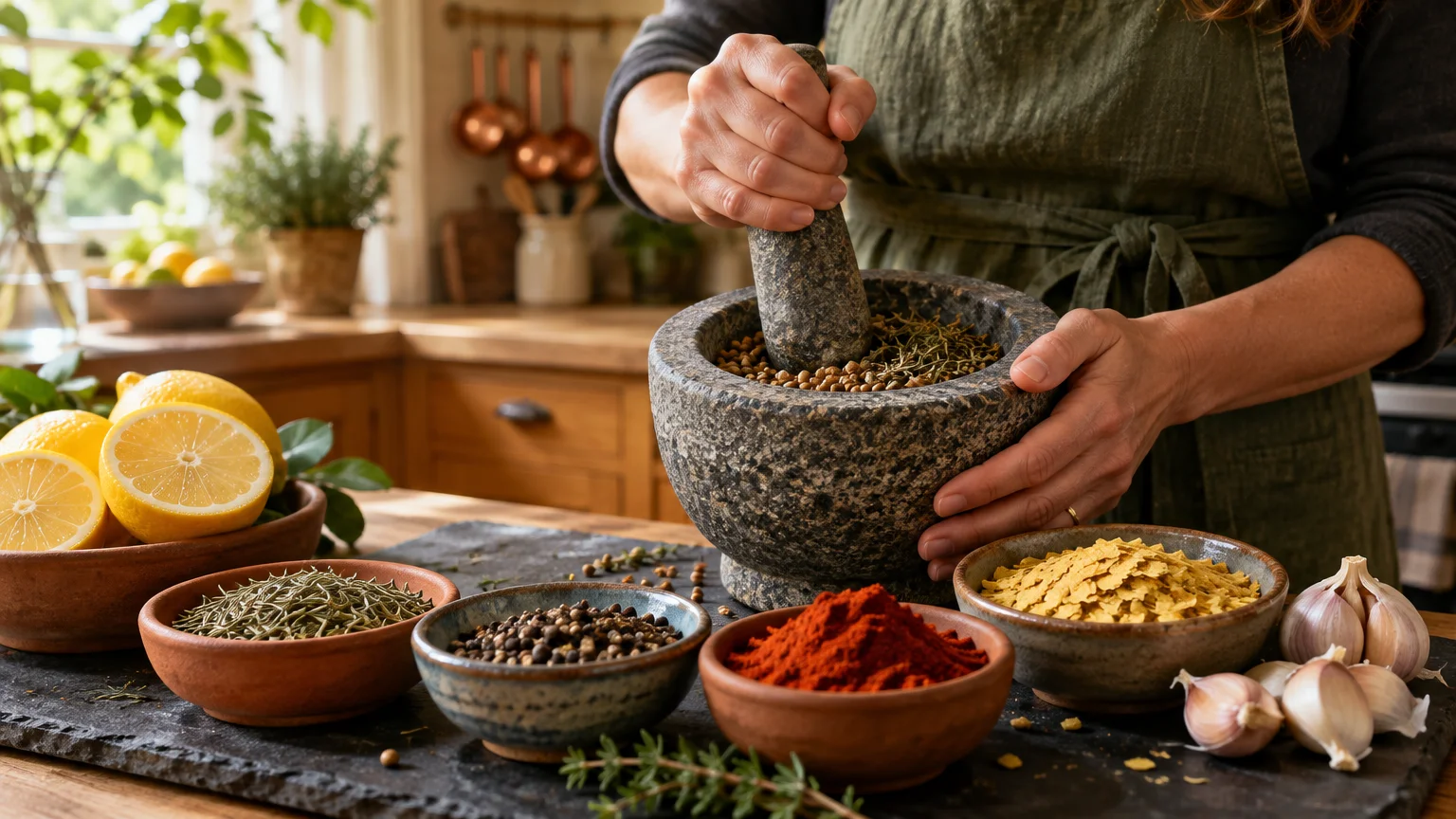
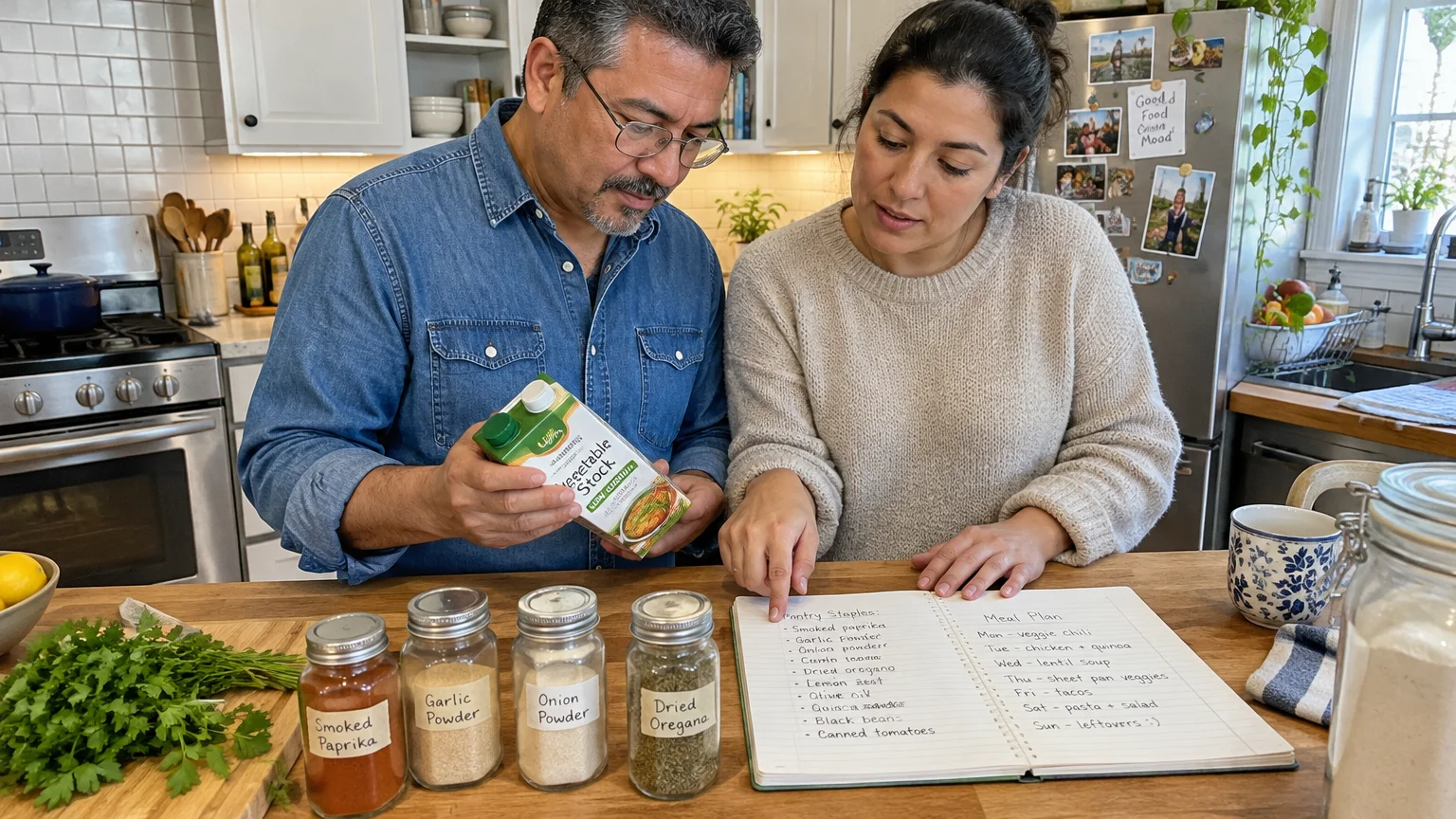
Create custom salt-free seasoning blends in small glass jars for effortless daily cooking. Combine garlic powder, onion powder, smoked paprika, dried oregano, and crushed black pepper to establish an all-purpose household seasoning mix.
Remove the saltshaker from your dinner table and replace it with a pepper mill, citrus wedges, and herb blends. This simple physical modification breaks the automatic habit of salting food before you even taste your meal.
When dining at restaurants, request that the kitchen prepare your vegetables and proteins without added salt or salted butter. Ask for salad dressings and rich sauces on the side so you retain full control over your plate.
Community Support and Practical Dietary Tools
Adopting a low-sodium lifestyle is much easier when you connect with established public health resources and community programs. The National Institutes of Health provides free, comprehensive guides detailing the evidence-based DASH eating framework.
The DASH diet prioritizes potassium-rich fruits, fresh vegetables, whole grains, and lean proteins while systematically lowering daily sodium intake. Large clinical trials confirm that this eating pattern reliably lowers systolic blood pressure within just two weeks.
The American Heart Association provides interactive smartphone apps, printable grocery guides, and community support forums for heart patients. These digital platforms help you calculate your daily sodium intake and discover heart-healthy recipes crafted by culinary experts.
Consider consulting a Registered Dietitian Nutritionist through your local hospital or outpatient healthcare network. A dietitian provides customized meal plans tailored to your family’s budget, cultural food traditions, and personal blood pressure targets.
Many major health insurance plans cover Medical Nutrition Therapy when prescribed by a doctor for hypertension management. Check with your insurance provider to determine your coverage options for personalized, professional dietary counseling.
Purchase a clinically validated, automated upper-arm blood pressure cuff for regular tracking at home. Measuring your blood pressure at the same time each morning and evening provides clear feedback on your dietary progress.
You can also take advantage of free, automated blood pressure screening kiosks located inside community pharmacies and grocery stores. Logging your numbers over time helps your healthcare team evaluate how your seasoning changes support your cardiovascular goals.
Look for local community health workshops, cooking demonstrations, and cardiac support groups hosted by regional hospitals and community centers. Learning alongside peers facing similar health goals reinforces your motivation and introduces practical culinary ideas.
Frequently Asked Questions
How quickly will my blood pressure improve after cutting sodium?
Your blood pressure begins responding favorably within just one week of lowering your daily sodium intake. As excess sodium leaves your body, your blood volume drops, quickly reducing the mechanical strain on your arterial walls.
You can expect to achieve full clinical blood pressure benefits within four weeks of steady dietary adherence. Continuing these heart-friendly seasoning habits maintains optimal arterial compliance and protects your heart over the long term.
Regular self-monitoring with an arm cuff will demonstrate these steady improvements clearly on your personal tracking log. Witnessing your numbers drop provides rewarding confirmation that your culinary adjustments are working.
Are sea salt and pink Himalayan salt healthier than regular table salt?
Despite aggressive wellness marketing, pink Himalayan salt and artisan sea salts are not clinically healthier than ordinary table salt. Both alternatives consist of approximately 98 to 99 percent pure sodium chloride by total weight.
While unrefined salts contain trace minerals like iron, magnesium, and calcium, their microscopic amounts offer no measurable nutritional value. Your vascular system and kidneys process the sodium in pink salt exactly like table salt.
Swapping table salt for pink salt will not lower your blood pressure or protect your cardiovascular health. To achieve meaningful clinical benefits, you must switch to true low-sodium seasonings or potassium-enriched alternatives.
Can I cook and bake normally with potassium chloride salt substitutes?
Potassium-enriched salt substitutes function effectively in most everyday savory cooking, marinades, sautéed vegetables, and simmered soups. They dissolve readily in warm liquids and deliver the familiar flavor enhancement of traditional salt.
However, you should exercise caution when using potassium chloride in yeast breads and delicate baked goods. Potassium interacts differently with yeast cultures and gluten structures, which can affect dough rising and leave a faint metallic aftertaste.
For home baking, try reducing sodium gradually or relying on aromatic spices like cinnamon, nutmeg, and ginger instead. When cooking savory dishes with potassium blends, adding a touch of lemon juice masks any potential mineral bitterness.
What symptoms suggest I should see a doctor regarding my blood pressure?
High blood pressure is often described as a silent killer because it typically causes no overt symptoms during early stages. Routine screenings using an accurate upper-arm cuff represent the only dependable method for tracking your cardiovascular status.
Schedule a consultation with your doctor if your resting home measurements consistently register above 130/80 millimeters of mercury. Your physician can evaluate your overall cardiovascular risk profile and determine whether medication or dietary adjustments are necessary.
Seek immediate emergency medical care if your blood pressure spikes above 180/120 millimeters of mercury. Emergency symptoms such as severe headaches, blurry vision, chest pain, or shortness of breath demand immediate clinical intervention.
Moving Forward With Confident Flavor
Taking control of your dietary sodium intake is one of the most powerful investments you can make in your longevity. You never have to sacrifice culinary satisfaction or endure tasteless family dinners to safeguard your arterial health.
Select two or three salt alternatives from this guide to experiment with during your grocery shopping trip this week. Squeeze fresh lemon over roasted chicken, dust nutritional yeast onto popcorn, or brighten vegetables with aged balsamic vinegar.
Introduce these vibrant, low-sodium seasoning techniques to your household and encourage your loved ones to embrace natural flavors. Every step you take away from excessive sodium protects your heart and builds lifelong cardiovascular resilience.
Schedule your next health checkup and share your dietary progress openly with your healthcare team. Your thoughtful culinary choices today will keep your blood vessels healthy, supple, and strong for years to come.