
You can protect your long-term memory and mental sharpness by making intentional changes to your daily grocery cart. Neurologists emphasize that the meals you consume directly dictate neuroinflammation, blood vessel integrity, and overall cognitive longevity.
While genetics play a role in neurological health, everyday nutritional habits strongly influence your risk of developing debilitating cognitive disorders. Cutting out harmful items helps preserve your neural pathways as you grow older.
Discover the six foods specialists urge you to avoid, alongside the clinical evidence and practical substitutes that keep your brain energized and resilient.
The Hidden Connection Between Your Diet and Cognitive Health
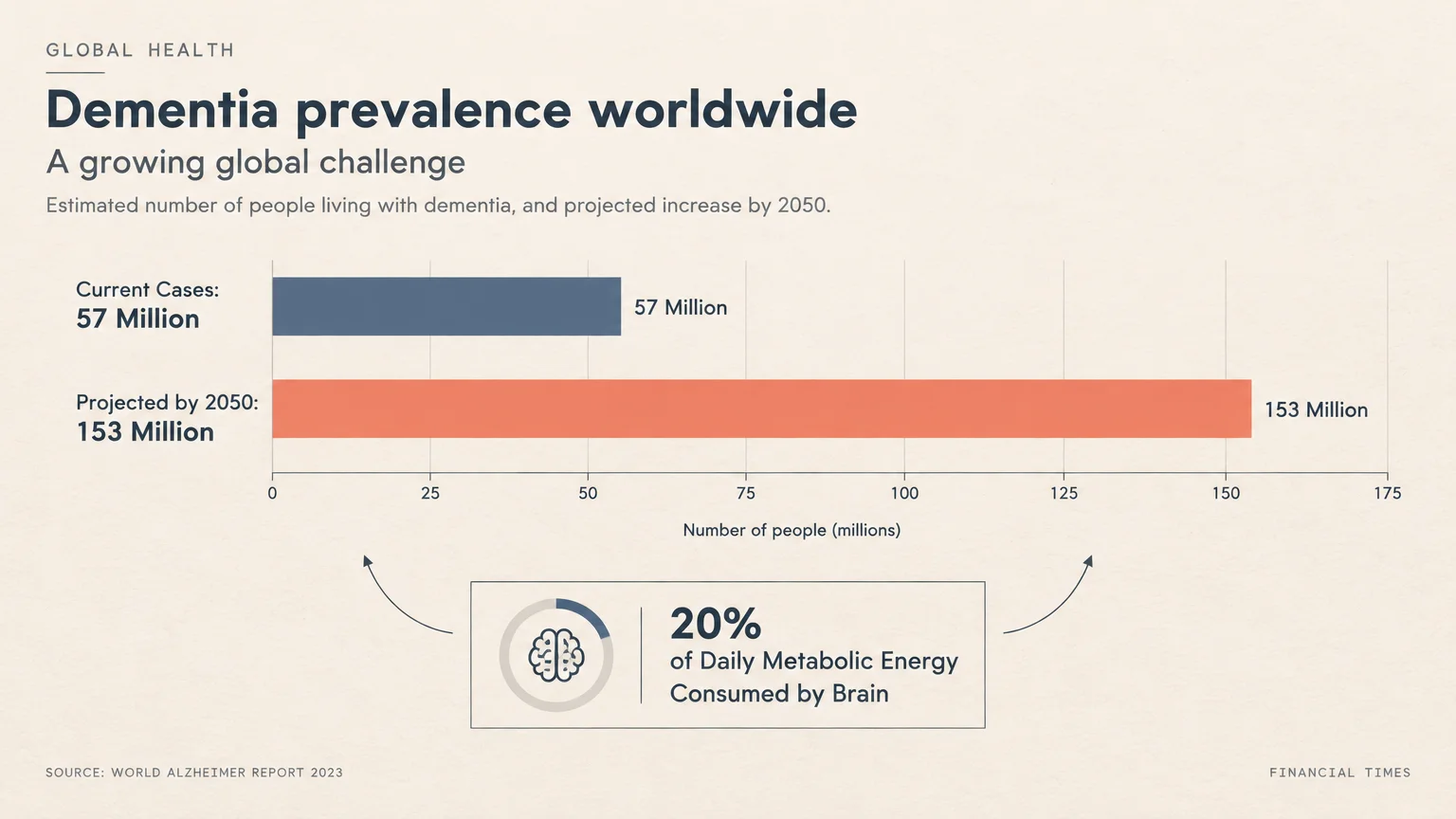
Your brain consumes approximately one-fifth of your daily metabolic energy despite accounting for a small fraction of your total body weight. This enormous metabolic demand makes your central nervous system exceptionally sensitive to nutritional deficits and biochemical stressors.
Every meal introduces compounds that either support cellular repair or provoke destructive chronic inflammation. Over time, pro-inflammatory foods degrade the microscopic blood vessels that supply cerebral tissue with oxygen and essential nutrients.
According to data highlighted by the World Health Organization, more than 57 million people worldwide live with dementia today. Researchers project that this total will surge to 153 million by 2050 without widespread preventive interventions.
Cerebral decline rarely develops overnight; instead, it accumulates silently across decades of daily dietary choices. Poor nutritional patterns slowly erode your cognitive reserve long before memory lapses become noticeable to your family.
Your blood-brain barrier serves as a vital cellular security gate, shielding vulnerable neurons from toxins and circulating pathogens. Highly inflammatory dietary components weaken this barrier, allowing harmful debris to infiltrate delicate brain structures.
When systemic inflammation breaches brain tissue, specialized immune cells called microglia switch into an aggressive, overactive state. These agitated immune cells release oxidative compounds that damage surrounding synaptic junctions and disrupt memory consolidation.
Fortunately, modern neuroscience proves that your brain maintains neuroplasticity throughout your entire adult life. Eliminating harmful dietary triggers halts ongoing vascular damage and supports the regeneration of vital neural connections.
Landmark epidemiological assessments confirm that lifestyle modifications yield profound protection against progressive neurodegeneration. In fact, clinical evidence reveals that addressing modifiable metabolic and lifestyle risk factors can prevent or delay nearly half of all dementia cases globally.

01 Ultra-Processed Packaged Foods
Convenience foods dominate modern kitchen pantries, but your central nervous system pays a steep physiological price for that convenience. Packaged snack cakes, instant noodle cups, and commercial frozen dinners contain artificial stabilizers, texturizers, and industrial seed oils.
These industrial concoctions trigger severe digestive inflammation, disrupting the sensitive communication network known as your gut-brain axis. Your gastrointestinal tract produces critical neurotransmitters, and chronic gut dysbiosis directly undermines normal cerebral neurotransmitter balance.
A Harvard T.H. Chan School of Public Health study analyzed 5,370 older adults aged 50 and older.
The researchers discovered that participants who consumed the highest amounts of ultra-processed foods experienced a 58% higher risk of developing dementia.
The same investigation revealed that heavy consumption of ultra-processed foods led to a 46% higher risk of measurable cognitive impairment. These industrialized meals strip out protective dietary antioxidants while saturating your vascular system with damaging oxidized lipids.
Manufacturing techniques strip natural dietary fiber and vital micronutrients like magnesium and zinc from these ready-to-eat products. Deprived of essential micronutrients, your neurons become vulnerable to environmental toxins and metabolic exhaustion.
You can begin defending your neural architecture by auditing your pantry for items featuring lengthy chemical ingredient lists. Discard packaged snacks that contain artificial flavorings, synthetic emulsifiers, and bleached starches that destabilize your blood chemistry.
Replace packaged crackers and mass-produced cookies with raw walnuts, roasted pumpkin seeds, and fresh berries. These natural whole foods supply polyphenol antioxidants that actively quench free radicals within vulnerable cerebral regions.
Focus your grocery shopping along the perimeter of the supermarket where fresh, unadulterated produce, herbs, and clean proteins reside. Preparing simple whole meals at home gives you complete command over the ingredients entering your vascular system.

02 Artificial Sweeteners and Diet Beverages
Many health-conscious shoppers switch to diet beverages and sugar-free snacks to shed weight and control calorie intake. Unfortunately, emerging neurological data shows that synthetic sugar substitutes can compromise your cognitive performance over time.
Non-nutritive sweeteners trick your sensory receptors and disturb the beneficial bacterial strains residing inside your digestive tract. This altered microbiome impairs systemic glucose tolerance, sparking low-grade vascular inflammation that strains cerebral capillary beds.
An eight-year prospective study published in the journal Neurology tracked 12,772 adults to evaluate cognitive outcomes. Scientists specifically analyzed six widely used sweeteners: aspartame, saccharin, acesulfame-K, erythritol, xylitol, and sorbitol.
The investigators revealed that adults consuming the highest amounts of these six sugar substitutes experienced a 62% faster decline in overall memory and thinking skills. That dramatic functional deficit equaled roughly 1.6 additional years of accelerated brain aging.
Synthetic chemical substitutes also disrupt normal metabolic signaling between your gut and your hypothalamus. This miscommunication impairs your brain’s natural appetite regulation, driving subtle metabolic imbalances that compromise neurovascular health.
You can protect your long-term focus by weaning your taste buds away from chemically sweetened carbonated beverages. Choose chilled sparkling water infused with fresh cucumber slices, crushed mint leaves, or a squeeze of fresh lime.
If you prefer warm beverages, explore loose-leaf green tea or roasted dandelion root tea without artificial flavorings. High-quality green tea delivers epigallocatechin gallate, a potent natural compound that supports synaptic plasticity and cellular resilience.
Make this transition manageable by replacing one diet soda per day with plain, mineral-rich water. Within a few weeks, your palate will reset, making intensely sweet artificial chemicals taste unnatural and unappealing.

03 Processed Red Meats
Cured bacon, breakfast sausages, hot dogs, and deli cold cuts remain popular meal staples across many households. However, neurologists advise against consuming these meats due to the heavy chemical modifications required to preserve them.
Food manufacturers cure processed meats using concentrated sodium nitrites and nitrates to extend shelf life and maintain color. Once digested, these chemical additives convert into reactive nitrosamines that generate intense oxidative stress across vascular linings.
A landmark investigation led by Harvard and Mass General Brigham researchers tracked 133,771 adults over four decades. The study discovered that eating at least 0.25 servings of processed red meat daily—about two servings weekly—raised dementia risk by 13%.
The industrial processing and high-heat cooking of cured meats also create concentrated advanced glycation end products. These harmful biological compounds cross into circulation, stiffening blood vessels and diminishing essential blood flow to your hippocampus.
Reduced microvascular blood flow deprives delicate hippocampal cells of oxygen, accelerating memory lapses and executive dysfunction. The high sodium content in processed meats further elevates systemic blood pressure, compounding microvascular strain.
Fortunately, the Mass General Brigham study revealed an actionable path forward for proactive families. Replacing your daily serving of processed red meat with plant proteins like nuts and legumes, or with fish, lowered dementia risk by about 20%.
Reinvent your lunchtime sandwiches by replacing processed deli meats with grilled wild salmon, mashed chickpeas, or sliced roasted chicken breast. These wholesome substitutions remove harmful nitrosamines while delivering clean amino acids that rebuild vital neurotransmitters.
Incorporate plant-forward dinners into your weekly schedule by cooking robust lentil soups, black bean stews, or baked tofu dishes. These legume-based alternatives supply abundant prebiotic fiber that nourishes the brain-supportive microbes in your digestive tract.

04 Foods High in Saturated and Industrial Fats
Deep-fried entrees, heavy butter spreads, and excessively marbled meats introduce substantial quantities of saturated fatty acids into your bloodstream. While your central nervous system requires healthy structural lipids, excessive saturated fat elevates circulating low-density lipoprotein cholesterol.
In the July 2024 update to the Lancet Commission on Dementia Prevention, high LDL cholesterol in midlife officially joined the international roster of modifiable dementia risk factors. The commission determined that elevated LDL cholesterol alone accounts for 7% of attributable dementia risk.
The commission’s comprehensive findings showed that addressing 14 modifiable risk factors could prevent or delay up to 45% of all global dementia cases. Elevated blood lipids stiffen arterial walls, reduce microvascular elasticity, and impair the clearance of toxic amyloid proteins.
Federal health guidance reinforces the vital necessity of limiting your exposure to saturated dietary fats. The 2025–2030 Dietary Guidelines for Americans maintains a strict cap on saturated fats at no more than 10% of total daily calories.
The federal guidelines establish an “Eat Real Food” framework, advising families to eliminate industrial frying oils and reduce heavy animal fats. High-temperature frying causes dietary oils to oxidize, creating cytotoxic compounds that irritate cerebrovascular tissues.
Protect your cerebral arteries by replacing block butter and shortening with cold-pressed extra virgin olive oil. High-grade olive oil contains oleocanthal, a unique natural phenol celebrated for calming neuroinflammation and protecting fragile synapses.
Enjoy sliced avocados on whole-grain sourdough and keep raw walnuts readily available for convenient mid-morning snacks. These nutrient-dense alternatives provide heart-healthy monounsaturated and polyunsaturated fats that keep your vascular walls flexible and responsive.
When cooking at home, choose gentle preparation methods such as steaming, poaching, or light sautéing rather than deep frying. Lower cooking temperatures preserve the natural integrity of your ingredients and prevent the formation of inflammatory lipid peroxides.

05 Refined Carbohydrates and Added Sugars
White sandwich bread, commercial pastries, candy bars, and sugary cereals digest almost instantly once consumed. This rapid digestive breakdown unleashes an abrupt surge of glucose into your bloodstream, forcing your pancreas to oversecrete insulin.
Repeated insulin spikes exhaust your cellular receptors, eventually causing severe insulin resistance across both peripheral tissues and central neural networks. When your neurons become resistant to insulin, they lose the ability to absorb glucose efficiently and effectively starve.
Neurologists often refer to severe cerebral insulin resistance as a driving mechanism behind memory loss and cognitive decline. Sustained high blood sugar also damages the tiny capillaries supporting your prefrontal cortex, impairing your focus and problem-solving skills.
Elevated circulating glucose accelerates the formation of advanced glycation end products, which bind to neural proteins and provoke chronic inflammation. Furthermore, high insulin levels tie up vital enzymes needed to clear toxic beta-amyloid plaques from your brain tissue.
The 2025–2030 Dietary Guidelines for Americans explicitly directs adults to slash refined carbohydrates and added sugars from their everyday diets. Eliminating concentrated liquid sugars like soda and sweetened teas provides immediate relief to your metabolic machinery.
Check commercial food labels diligently for covert sweeteners like high-fructose corn syrup, dextrose, maltodextrin, and concentrated fruit juice purees. Manufacturers frequently slip these metabolic toxins into savory items like salad dressings, tomato sauces, and packaged breads.
Switch your grain choices to nutrient-dense complex carbohydrates like steel-cut oats, quinoa, farro, and roasted sweet potatoes. These slow-digesting complex carbohydrates supply steady, hours-long energy to your working neurons without triggering debilitating blood sugar crashes.
Satisfy your sweet tooth with whole, raw berries, crisp apples, or dark purple plums. Whole fruits package natural fructose inside a matrix of insoluble fiber and neuroprotective flavonoids that buffer sugar absorption.

06 Alcoholic Beverages and Neurotoxicity
Many adults view regular cocktails or evening wine as harmless methods to unwind after stressful workdays. However, neurologists emphasize that alcohol functions as a direct neurotoxin that passes straight through your protective blood-brain barrier.
Routine alcohol consumption damages the structural integrity of your cerebral white matter, which coordinates rapid electrical signaling between distant brain regions. Over time, regular alcohol intake causes measurable volume loss across both your cerebral cortex and your hippocampus.
Alcohol metabolism places an intense burden on your liver, generating acetaldehyde, a toxic chemical intermediate that damages cellular structures. As acetaldehyde circulates, it triggers oxidative stress that degrades cell membranes and disrupts critical neuronal communication.
Habitual alcohol use also severely impairs your digestive absorption of thiamine and other essential B vitamins. Thiamine deficiency starves your brain cells of cellular energy, which can lead to profound, irreversible memory impairment.
Even modest alcohol consumption wrecks your normal sleep architecture by suppressing rapid eye movement sleep cycles. REM sleep serves as your brain’s essential restorative window, during which memory consolidation and deep cellular repair occur.
During deep, uninterrupted sleep, your glymphatic system opens to flush out metabolic waste products that accumulated throughout the day. Alcohol consumption disrupts this vital biological cleanse, leaving neurotoxic proteins trapped within your delicate cerebral tissues.
The updated Dietary Guidelines for Americans advises adults to reduce alcohol consumption as much as possible to preserve long-term vitality. Phasing out alcohol eliminates metabolic stress, enhances your daytime mental sharpness, and protects your vascular system.
Replace alcoholic beverages with creative botanical sodas, unsweetened tart cherry juice with sparkling water, or iced herbal teas. These alcohol-free alternatives provide relaxing evening rituals without subjecting your neurons to toxic chemical stress.

Proactive Strategies: Building a Brain-Resilient Lifestyle
Protecting your long-term cognitive health requires more than simply eliminating harmful items from your shopping cart. You build true neurological resilience by pairing a wholesome diet with daily lifestyle habits that nourish brain tissue.
Consider adopting the MIND diet framework, which blends the best components of the Mediterranean and DASH eating patterns. This clinically proven dietary pattern emphasizes green leafy vegetables, berries, raw nuts, legumes, whole grains, and wild fish.
Consistent aerobic physical exercise serves as a powerful natural intervention for your cerebral architecture. Activities like brisk walking, cycling, and lap swimming stimulate the release of brain-derived neurotrophic factor, a compound that sparks neurogenesis.
Incorporate resistance training into your weekly routine twice a week to maintain lean muscle mass and optimize insulin sensitivity. Robust metabolic health in your peripheral muscles directly supports steady glucose delivery to your working neurons.
Prioritize seven to nine hours of restful, uninterrupted sleep every night by establishing a calm, screen-free bedtime routine. Consistent restorative sleep gives your brain the quiet window it requires to consolidate memories and execute cellular housekeeping.
Engage in lifelong intellectual stimulation by acquiring new skills, learning foreign languages, reading complex literature, or mastering musical instruments. These challenging cognitive pursuits build cognitive reserve, establishing alternative neural pathways that resist age-related decline.
Manage chronic emotional stress through mindfulness practices, breathwork, or time spent in natural outdoor environments. Unchecked chronic stress floods your central nervous system with cortisol, a hormone that causes structural atrophy in the hippocampus.
Coordinate proactive medical appointments with your primary healthcare provider to monitor key cardiovascular biomarkers regularly. Keeping your blood pressure, fasting blood glucose, and lipid profiles within optimal clinical ranges preserves your cerebrovascular network.

When to Seek Professional Medical Care
Many adults wonder where benign age-related forgetfulness ends and genuine cognitive impairment begins. Occasionally misplacing your car keys or temporarily forgetting an acquaintance’s name represents a normal, harmless processing lapse.
In contrast, mild cognitive impairment features persistent memory lapses and organizational struggles that family members and colleagues distinctly notice. If you struggle to balance household bills, navigate familiar neighborhoods, or follow complex conversations, seek a medical evaluation.
Consult the National Institute on Aging for clinical guidance on baseline memory screenings and diagnostic cognitive assessments. Timely clinical evaluations allow doctors to identify treatable underlying conditions, such as severe vitamin deficiencies, sleep apnea, or thyroid disorders.
If you or an aging family member experience uncharacteristic personality shifts, sudden mood changes, or spatial disorientation, contact a neurologist promptly. Comprehensive neurological assessments, including cognitive testing and brain imaging, clarify the root cause of these symptoms.
Early clinical intervention gives families the vital window needed to implement targeted therapies, adapt lifestyles, and establish long-term care plans. Open communication with your medical team ensures you receive evidence-based interventions tailored to your unique biology.

Community Support and Accessible Brain Health Resources
Managing cognitive concerns can feel overwhelming, but you do not have to navigate this medical journey on your own. Dedicated non-profit organizations, clinical networks, and local support programs offer accessible guidance for individuals and their families.
The Alzheimer’s Association provides a free 24-hour telephone helpline accessible every day of the year at 1-800-272-3900. Highly trained clinicians and master’s-level specialists offer confidential support, disease education, crisis assistance, and local healthcare referrals.
Many local hospital networks and public health clinics offer free memory screening clinics and heart-healthy cooking demonstrations. These community programs connect you with registered dietitians who teach you how to prepare affordable, brain-supportive meals.
Look into programs offered through your local Area Agency on Aging, which coordinates support services for older community members. These agencies frequently organize accessible wellness activities, caregiver respite services, and transportation assistance for medical appointments.
Participating in local walking clubs, community garden initiatives, or senior center workshops helps prevent social isolation. Meaningful social engagement stimulates your brain’s emotional and cognitive centers, reinforcing the protective benefits of your healthy diet.
Frequently Asked Questions About Brain-Damaging Foods
Can you reverse cognitive damage caused by years of poor dietary choices?
While you cannot revive brain cells that have completely died, adopting a brain-healthy diet halts ongoing tissue injury. Transitioning to nutrient-dense whole foods quells neuroinflammation and restores healthy blood circulation across your cerebral microvasculature.
Your brain retains lifelong neuroplasticity, allowing surviving neurons to construct new synapses and restore lost cognitive connections. Pairing a clean, nutrient-dense diet with regular aerobic exercise accelerates this functional recovery and sharpens everyday mental focus.
Are all processed foods equally harmful to brain function?
Not all processed foods harm your nervous system; food processing exists along a wide spectrum from minimal to extreme. Minimally processed foods like frozen organic blueberries, canned chickpeas, and plain yogurt retain their vitamins, minerals, and neuroprotective qualities.
The true neurological danger comes from ultra-processed formulations loaded with synthetic emulsifiers, artificial flavors, hydrogenated oils, and chemical preservatives. Focus your energy on avoiding manufactured items that contain lengthy chemical ingredient lists and stripped refined starches.
How quickly does changing your diet impact daily focus and long-term memory?
Many individuals experience noticeable improvements in mental clarity and reductions in midday brain fog within two to three weeks. Stabilizing your blood sugar by removing refined carbohydrates and synthetic sweeteners prevents the steep energy crashes that impede focus.
Long-term structural benefits, including reduced amyloid buildup and improved cerebrovascular flexibility, develop steadily over months and years of disciplined nutrition. Consistency over time remains the ultimate driver of lifelong neurological resilience.
Is a completely fat-free diet better for protecting your brain?
Eliminating all dietary fat from your meals actually harms your neurological health rather than protecting it. Your brain relies heavily on structural lipids to maintain cell membrane integrity and synthesize essential protective myelin sheaths.
Neurologists urge you to steer clear of saturated animal fats and industrial trans fats while embracing healthy unsaturated fats. Incorporating extra virgin olive oil, fresh avocados, and fatty fish provides your brain with the vital lipids it needs to thrive.
Empowering Your Cognitive Future
Protecting your intellectual independence and cherished memories begins with the everyday food choices you make in your kitchen. You do not need to overhaul your entire lifestyle overnight to produce meaningful improvements in your neurological health.
Start by identifying one harmful food currently in your weekly grocery routine and replacing it with a brain-supportive whole food. Trade your afternoon diet soda for crisp sparkling water, or replace processed breakfast sausage with scrambled eggs and spinach.
Every mindful food swap dampens neuroinflammation, preserves your cerebral blood vessels, and expands your cognitive reserve for the years ahead. Take command of your neurological destiny today by choosing foods that nourish your mind and safeguard your future.