
Staying mentally sharp protects your independence, enhances daily energy, and keeps you engaged with family. Everyday memory slips happen, yet simple lifestyle choices reinforce brain reserves as you grow older.
You do not need radical routines to protect cognitive health; consistent, daily practices build long-term resilience. Small changes in how you move, eat, and rest stimulate new neural pathways at any age.
This practical guide covers nine proven strategies to keep brain sharp and preserve your mental clarity. Each method adapts easily to your current fitness level and daily schedule.
Understanding Memory and Aging
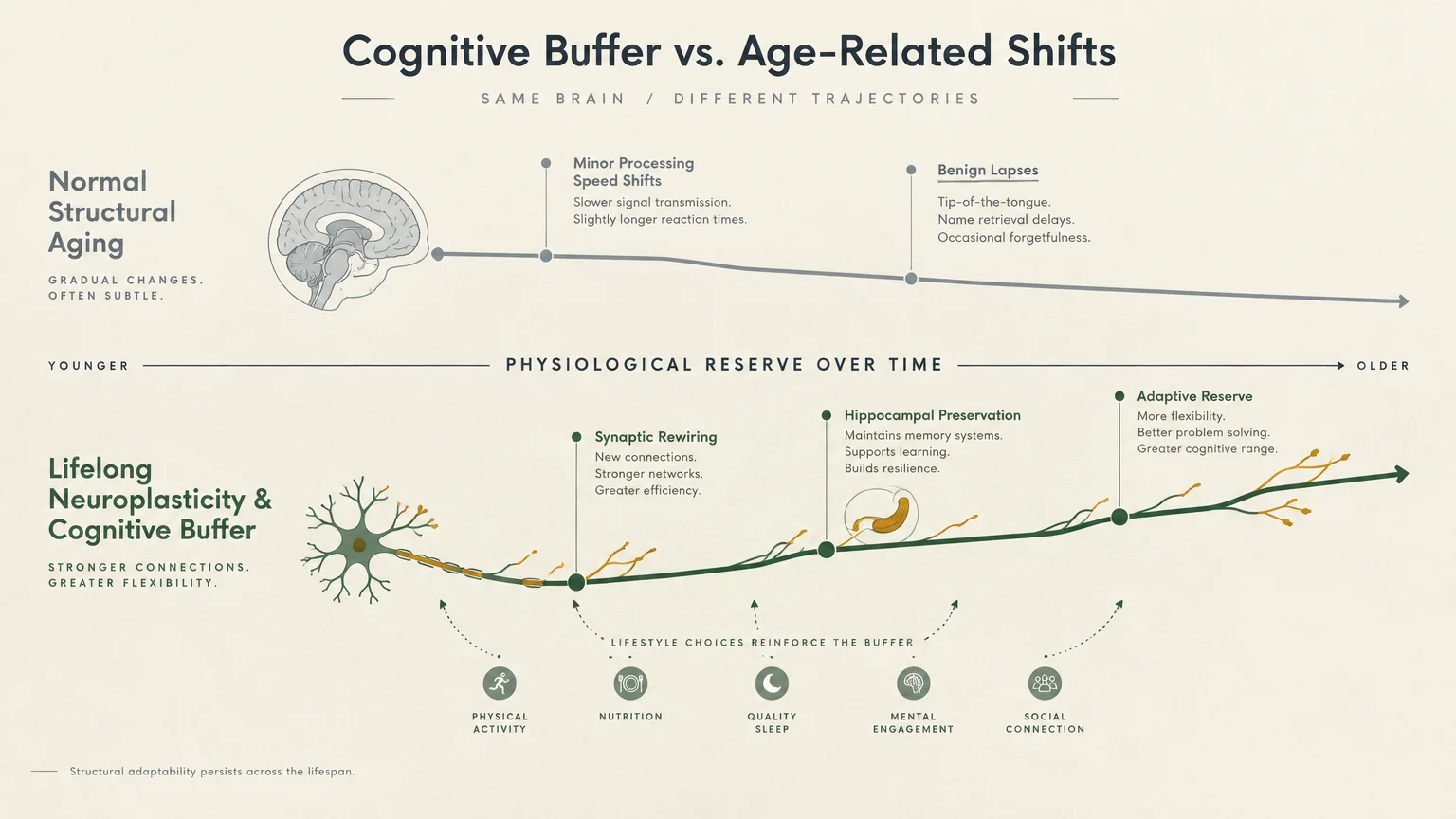
Mild forgetfulness, such as misplacing keys, is a normal part of aging. Your brain naturally experiences structural changes, including minor shrinkage in regions responsible for processing speed.
However, substantial cognitive decline is not inevitable. Your brain retains neuroplasticity—the ability to rewire itself and adapt—throughout life.
Lifestyle choices account for a substantial portion of how memory performs over time. Proactive habits build a physiological buffer against normal aging.

01 Move Your Body Every Day
Regular physical activity increases blood flow to your brain and stimulates growth factors. According to the Centers for Disease Control and Prevention, regular exercise reduces anxiety and supports long-term memory function.
Aim for moderate aerobic activity like brisk walking, water aerobics, or cycling. If mobility is limited, seated leg lifts and chair yoga offer excellent cardiovascular benefits.
Consistent movement increases hippocampus size, directly enhancing spatial memory. Even light daily activity helps you stay agile and independent.

02 Prioritize 7 to 9 Hours of Restful Sleep
Sleep is essential for memory consolidation, transforming daily experiences into permanent knowledge. During deep sleep, your brain clears metabolic waste that accumulates during waking hours.
Aim for 7 to 9 hours of uninterrupted rest each night. Maintain a consistent bedtime routine and keep your bedroom cool, dark, and screen-free.
If you wake feeling unrefreshed, speak to your healthcare provider about sleep apnea. Treating disordered breathing can dramatically improve day-to-day focus and alertness.

03 Adopt a Mediterranean-Style Diet
Nutrient-rich foods protect delicate brain tissue from oxidative stress and chronic inflammation. Research highlighted by the National Institute on Aging associates Mediterranean-style eating patterns with slower rates of cognitive decline.
Fill your plate with leafy greens, berries, whole grains, nuts, and fatty fish like salmon. Use extra virgin olive oil as your primary cooking fat while limiting processed sugars.
Antioxidants in berries protect brain cells from damage. Simple swaps, like replacing refined snacks with walnuts, support brain health efficiently.

04 Challenge Your Brain with Novel Skills
Mental stimulation builds cognitive reserve, enabling your brain to compensate for age-related changes. Repetitive puzzles offer modest benefits, but learning unfamiliar skills delivers the strongest cognitive boost.
Take up a musical instrument, study a second language, or learn a complex crafting hobby. The key is tackling tasks that demand genuine concentration and problem-solving.
Pushing slightly outside your comfort zone builds new synaptic pathways. The mental effort required to master challenging tasks produces lasting cognitive benefits.

05 Stay Socially Connected
Social interaction exercises multiple cognitive areas at once, including language, attention, and emotional processing. Engaging conversations challenge your working memory and fend off the mental toll of social isolation.
Schedule weekly phone calls with loved ones, join a local volunteer group, or participate in community book clubs. Consistent connection strengthens emotional health and sharpens your mind.
Meaningful social ties also lower depressive symptoms, which frequently mimic or worsen memory lapses.

06 Manage Chronic Stress Mindfully
Prolonged stress floods your bloodstream with cortisol, a hormone that can impair the hippocampus over time. Because this region governs memory formation, chronic tension directly hinders recall ability.
Practice daily stress-reduction techniques such as guided deep breathing, meditation, or quiet walks in nature. Even ten minutes of focused breathing can calm your nervous system and restore mental clarity.
Chronic worry diverts attention from current tasks, making new memories harder to form. Dedicating time to unwind restores your capacity to focus on daily events.

07 Protect Your Hearing and Vision
Sensory decline forces your brain to redirect energy away from memory just to decode muffled sounds or blurred images. Guidance from the National Health Service underscores that treating hearing loss helps maintain overall cognitive function.
Schedule regular hearing and vision screenings each year. Wear prescribed corrective lenses and hearing aids promptly to keep sensory inputs crisp and mentally engaging.
Addressing sensory changes promptly reduces social withdrawal and depression, keeping your environment stimulating and your cognitive networks firing.
08 Review Your Medications Regularly
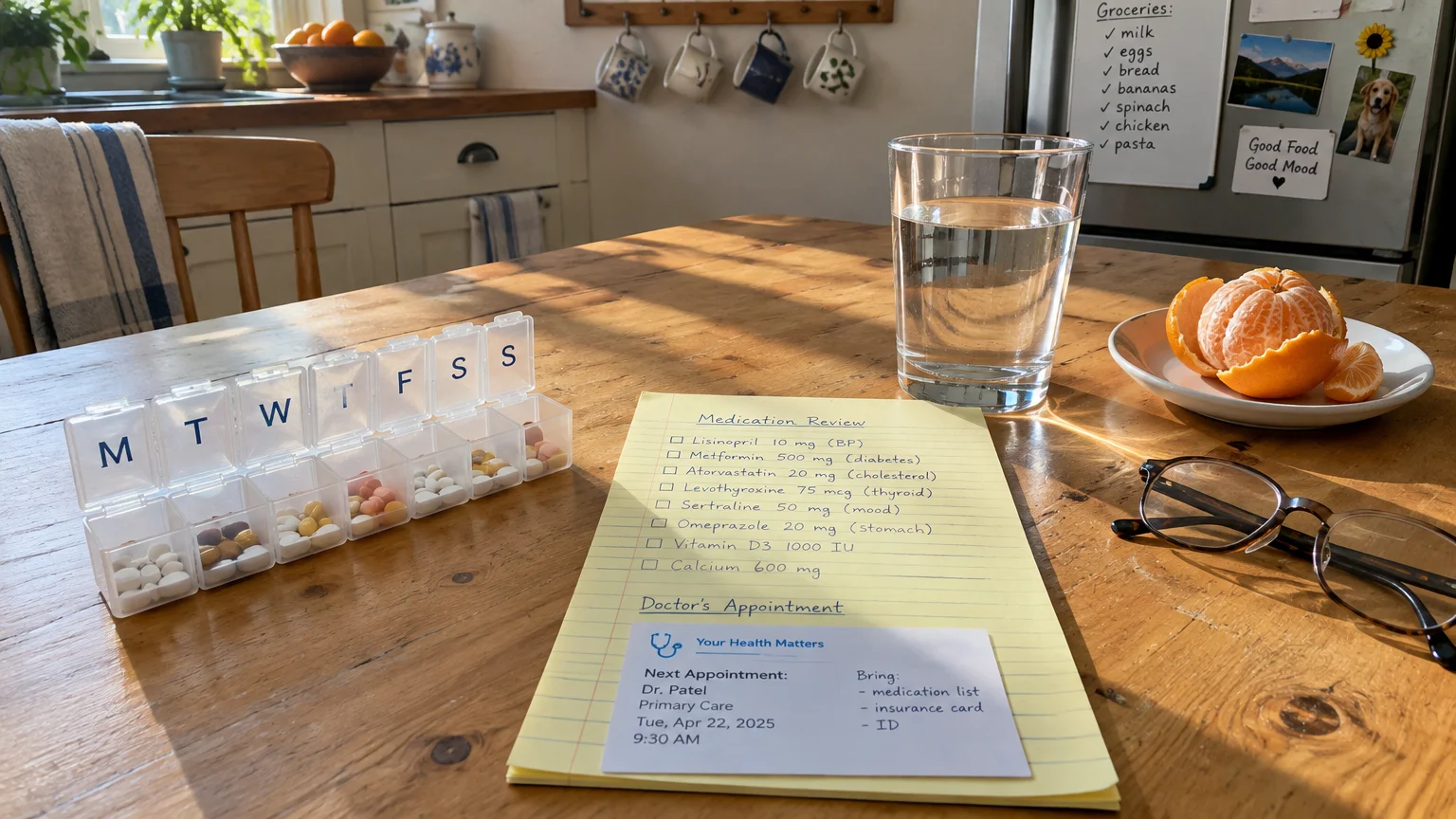
Certain prescription and over-the-counter medications can cause brain fog, dizziness, and sudden forgetfulness. Common culprits include sleep aids, antihistamines, and muscle relaxants with anticholinergic properties.
Bring all supplements and prescription bottles to your annual physical. Ask your doctor or pharmacist whether any drug interactions could be impairing your memory.
Never discontinue prescribed drugs abruptly on your own. Work directly with your healthcare provider to find safer substitutes that do not impair alertness.

09 Monitor Your Cardiovascular Numbers
What is good for your heart is fundamentally good for your brain. The American Heart Association emphasizes that managing blood pressure protects cerebral blood vessels from microvascular damage.
Track blood pressure, cholesterol, and blood glucose levels consistently. Managing these metrics through diet, exercise, and medication reduces the risk of vascular cognitive impairment.
Proper blood circulation delivers oxygen and vital nutrients to hard-working brain cells. Protecting your arteries safeguards both heart and mind simultaneously.

When to Consult a Physician
While minor absentmindedness is typical, sudden changes in cognitive function warrant medical attention. Seek prompt evaluation if memory lapses disrupt daily life, such as getting lost in familiar neighborhoods.
Consult your physician before initiating rigorous exercise or changing your diet. Always report recent falls, dramatic personality shifts, or difficulty managing personal finances to your doctor.
This content provides educational information and should never replace individualized medical evaluation or diagnosis.
Frequently Asked Questions
Can brain training apps prevent memory loss?
Brain training apps may improve speed at specific computer games, but rarely translate into broader real-world memory gains. Real-world tasks like learning an instrument provide far superior cognitive benefits.
Do memory supplements really work?
Clinical evidence supporting over-the-counter memory supplements remains weak and inconsistent. Focus instead on whole-food nutrition and consult your physician before starting any dietary supplements.
What separates normal forgetfulness from dementia?
Normal forgetfulness involves misplacing glasses or temporarily forgetting an acquaintance’s name. Dementia involves forgetting recent conversations entirely, losing track of seasons, or struggling with basic problem-solving.
Does retirement accelerate memory decline?
Retirement can lead to cognitive decline if you drop daily routines and social interactions. Staying mentally active through volunteering, hobbies, and learning mitigates this risk entirely.
Your Next Step This Week
You do not need to overhaul your entire lifestyle today to safeguard your cognitive health. Pick one straightforward habit this week, such as taking a brisk 20-minute daily walk.
Pair your walk with a regular bedtime, building momentum gradually. Consistent, modest investments in your physical and mental wellness will keep your mind sharp for decades to come.