
Staying active, sharp, and physically independent throughout your later decades depends heavily on how well you fuel your body. The right nutrition preserves your daily stamina and protects your balance so you can keep doing what you love.
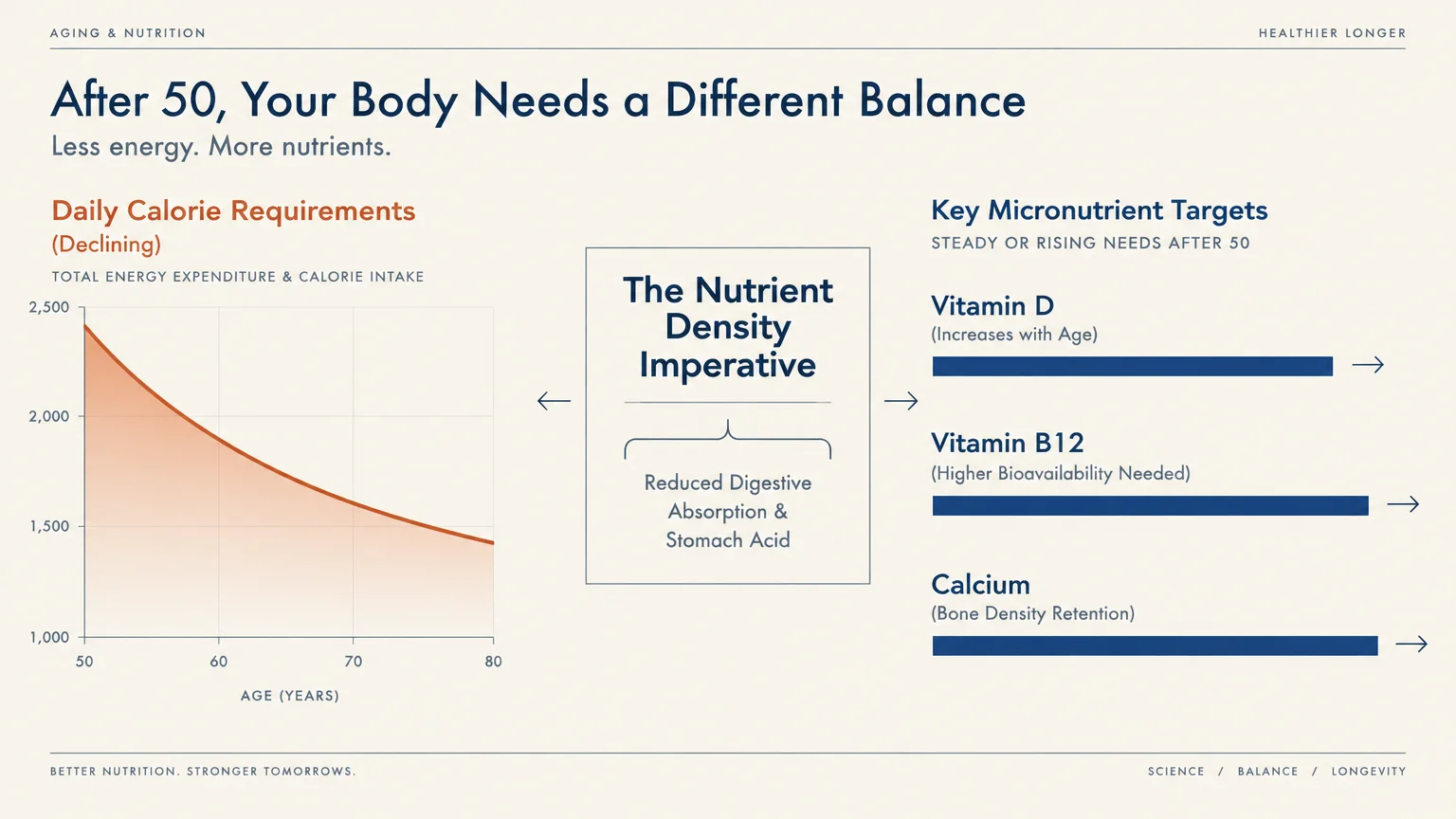
As your metabolism slows down, your body actually requires fewer total calories to maintain weight. Yet your biological demand for key micronutrients remains just as high, and in some cases increases substantially.
Three specific nutrients—vitamin D, vitamin B12, and calcium—frequently fall short in older adults. Knowing how to replenish them shields your bones, nervous system, and long-term vitality.
Why Nutrient Demands Shift After Age 50
Aging changes how your digestive system processes food and extracts vital compounds. Reduced stomach acid and thinning intestinal linings make absorbing nutrients far less efficient than in your younger years.
At the same time, your overall energy expenditure naturally declines. This drop means you eat less food overall, which reduces your daily opportunities to obtain necessary vitamins.
The Dietary Guidelines for Americans identify vitamin D, vitamin B12, and calcium as critical nutrients of concern for older adults. You must prioritize nutrient density in every meal you prepare.
Vitamin D for Seniors: Bone Strength and Beyond
Vitamin D regulates calcium absorption and preserves muscular function, helping you avoid devastating slips and falls. Your skin also loses much of its capacity to synthesize this hormone from sunlight as you age.
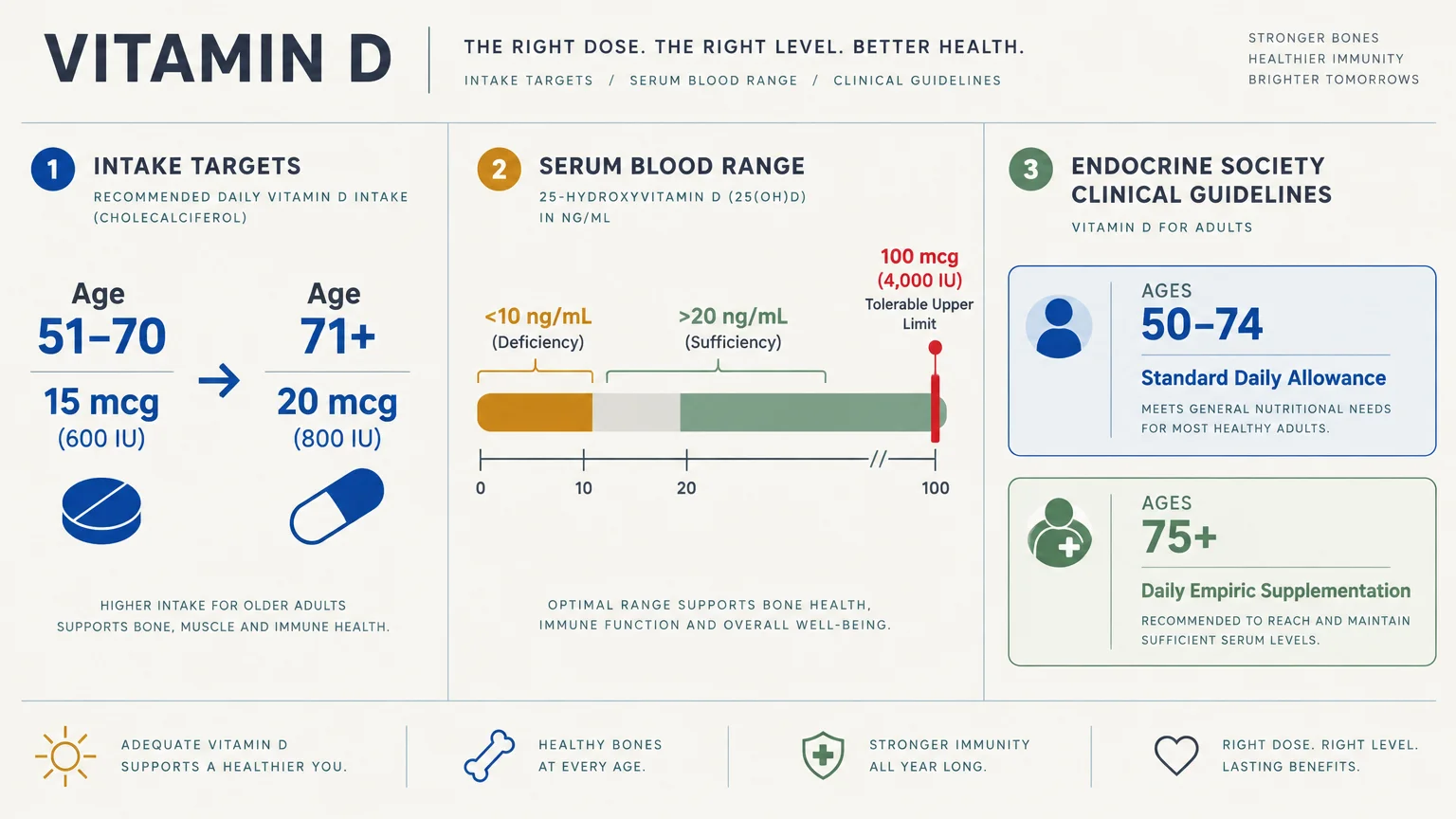
For adults aged 51 to 70, the daily target is 15 mcg, or 600 IU. Once you reach age 71, your recommended dietary allowance rises to 20 mcg, or 800 IU daily.
Blood levels above 20 ng/mL indicate sufficiency, whereas levels below 10 ng/mL represent a deficiency. Never exceed the tolerable upper intake level of 100 mcg, or 4,000 IU, without direct medical supervision.
Updated clinical guidelines from the Endocrine Society clarify who benefits most from supplementation. Healthy adults aged 50 to 74 do not require routine blood screening or extra supplementation above standard daily allowances.
However, the society recommends daily empiric vitamin D supplementation for adults aged 75 and older to help lower mortality risk. Experts advise taking smaller daily doses rather than erratic monthly megadoses to maintain stable blood levels.
You can support your levels by consuming fortified milk, fortified plant alternatives, and fatty fish like salmon or sardines.
Vitamin B12: Essential Fuel for Nerves and Cognition
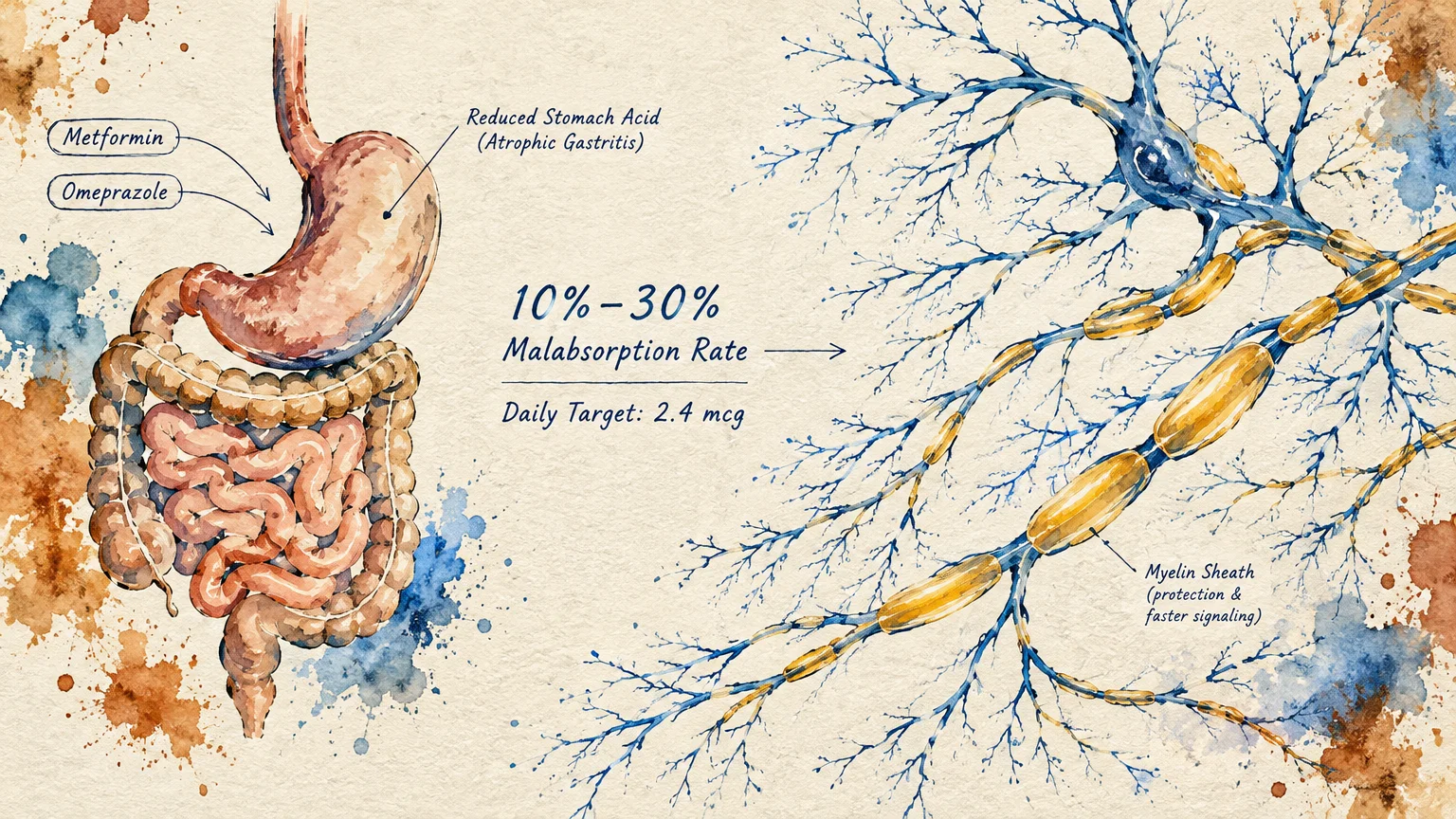
Vitamin B12 sustains red blood cell formation and protects the myelin sheath insulating your central nervous system. Without adequate levels, you risk developing chronic exhaustion, unsteadiness, memory lapses, and tingling in your hands or feet.
Adults need 2.4 mcg of vitamin B12 each day. Because B12 is water-soluble with low toxicity risk, health agencies have established no upper intake limit.
Despite this modest target, roughly 10% to 30% of older adults cannot properly extract food-bound B12. This issue stems from atrophic gastritis, a condition that substantially reduces your natural stomach acid production.
Overall clinical deficiency affects between 10% and 20% of adults aged 60 and older. Left unaddressed, prolonged deficiency can trigger irreversible neurological damage.
Common medications also interfere with absorption. Long-term use of metformin for diabetes, or acid blockers like omeprazole, sharply reduces the amount of B12 your body captures.
The National Institutes of Health suggests older adults obtain much of their B12 from fortified breakfast cereals or crystalline dietary supplements. Crystalline B12 absorbs easily because it does not require stomach acid for separation.
Meeting Calcium Needs to Prevent Fractures
Calcium provides the structural framework for your skeletal system while enabling your blood vessels to contract and muscles to move. If you do not consume enough, your body pulls calcium directly from your bones.
Men aged 51 to 70 need 1,000 mg of calcium daily. In contrast, women in that same age bracket require 1,200 mg daily to counteract accelerated bone loss following menopause.
Once you reach age 71, all adults need 1,200 mg per day. Unfortunately, over two-thirds of older adults fail to meet this threshold through their regular diet alone.
Skeletal weakness carries significant consequences for active aging. Approximately 30% of postmenopausal women develop osteoporosis, and at least 40% will experience one or more fragility fractures in their lifetime.
Combining 1,000 mg of calcium with 400 to 800 IU of vitamin D daily reduces fracture risk by 8% to 12%. This simple pairing keeps your skeleton resilient against accidental impacts.
Do not exceed 2,000 mg per day from all sources combined. Consuming excessive supplemental calcium can increase your risk of developing painful kidney stones or arterial calcification.
Aim for whole food sources first, such as plain yogurt, aged cheeses, dark leafy greens, canned sardines with bones, and calcium-set tofu.
Safe Supplementation and When to Seek Medical Guidance
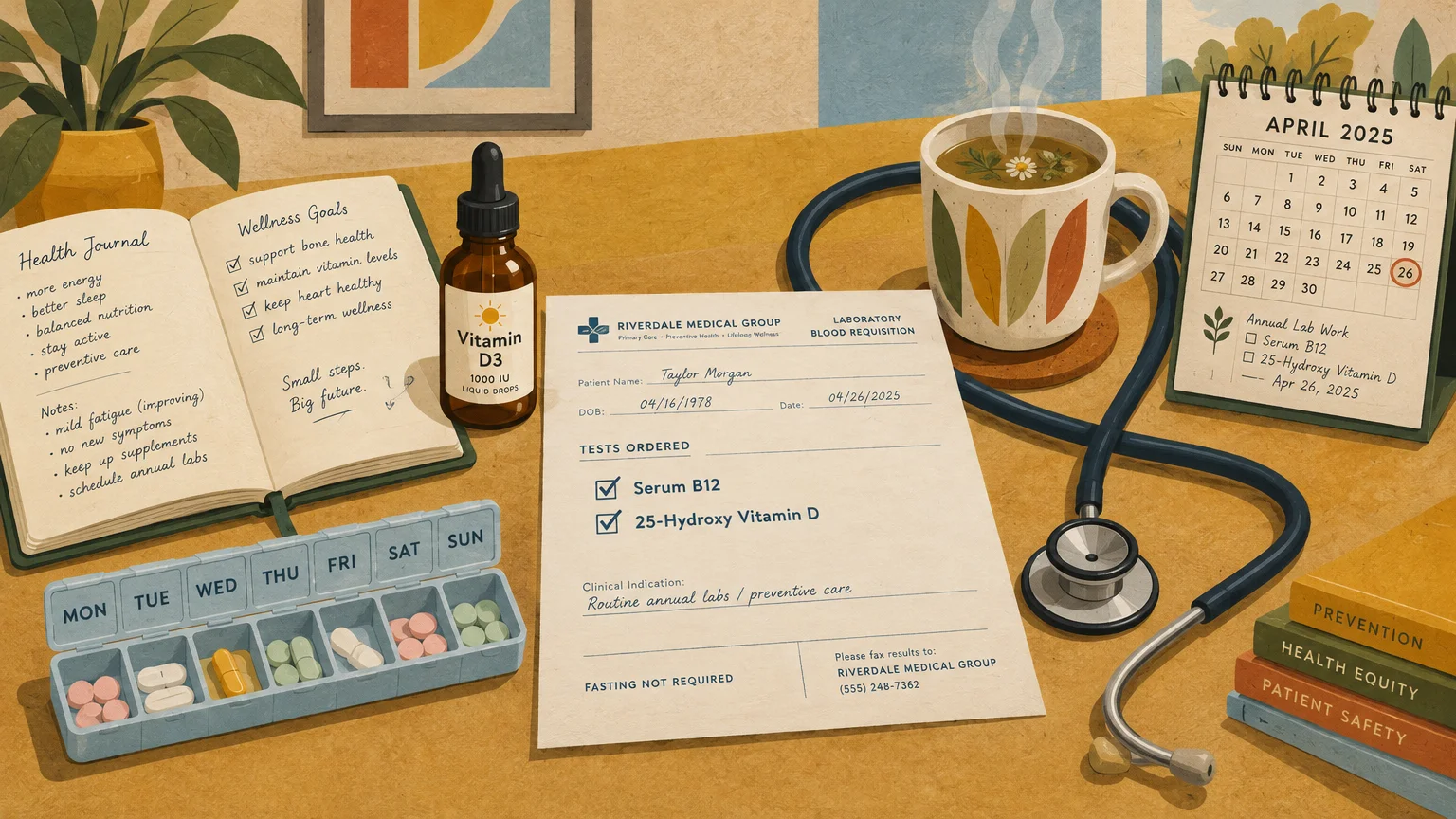
While optimizing nutrition is vital, combining high-dose supplements with prescription medications can cause unintended harm. You should always discuss new supplement regimens with your primary healthcare provider.
Inform your physician immediately if you experience frequent lightheadedness, unexpected balance issues, sudden numbness, or profound mental fog. These warning signs demand professional clinical evaluation rather than self-treatment.
Your doctor can order a simple metabolic panel and targeted blood assays to evaluate your actual nutritional baseline. A personalized approach ensures you take only what your body genuinely needs.
Frequently Asked Questions About Senior Nutrition
Can I rely entirely on sunlight for my vitamin D?
Sunlight alone rarely provides enough vitamin D for older adults. Aging skin synthesizes vitamin D less efficiently, and winter sunlight in northern latitudes lacks the necessary ultraviolet intensity.
Should I take calcium supplements if I already eat dairy?
You only need supplements if your diet falls short of the recommended daily target. Track your dietary intake for a few days before adding pills so you do not exceed the 2,000 mg upper limit.
Why does my multivitamin contain more B12 than the daily recommendation?
Because older bodies absorb only a tiny fraction of supplemental crystalline B12, manufacturers use higher amounts to ensure your system absorbs sufficient quantities. Unused water-soluble B12 safely exits your body through urine.
Can poor nutrient levels increase my risk of falling?
Yes, deficiencies in vitamin D weaken muscle strength, while insufficient vitamin B12 compromises nerve signaling and balance. Addressing both nutrients helps maintain physical stability and walking confidence.
One Actionable Habit to Start This Week
Review your pantry and refrigerator today to identify where you can easily swap in fortified foods. Choosing a fortified plant milk or breakfast cereal provides an immediate boost of crystalline B12, calcium, and vitamin D without pills.
Pair this simple dietary upgrade with a medical conversation about whether targeted blood testing makes sense for your personal routine. Small, consistent dietary choices today protect your independence, vitality, and strength for decades to come.