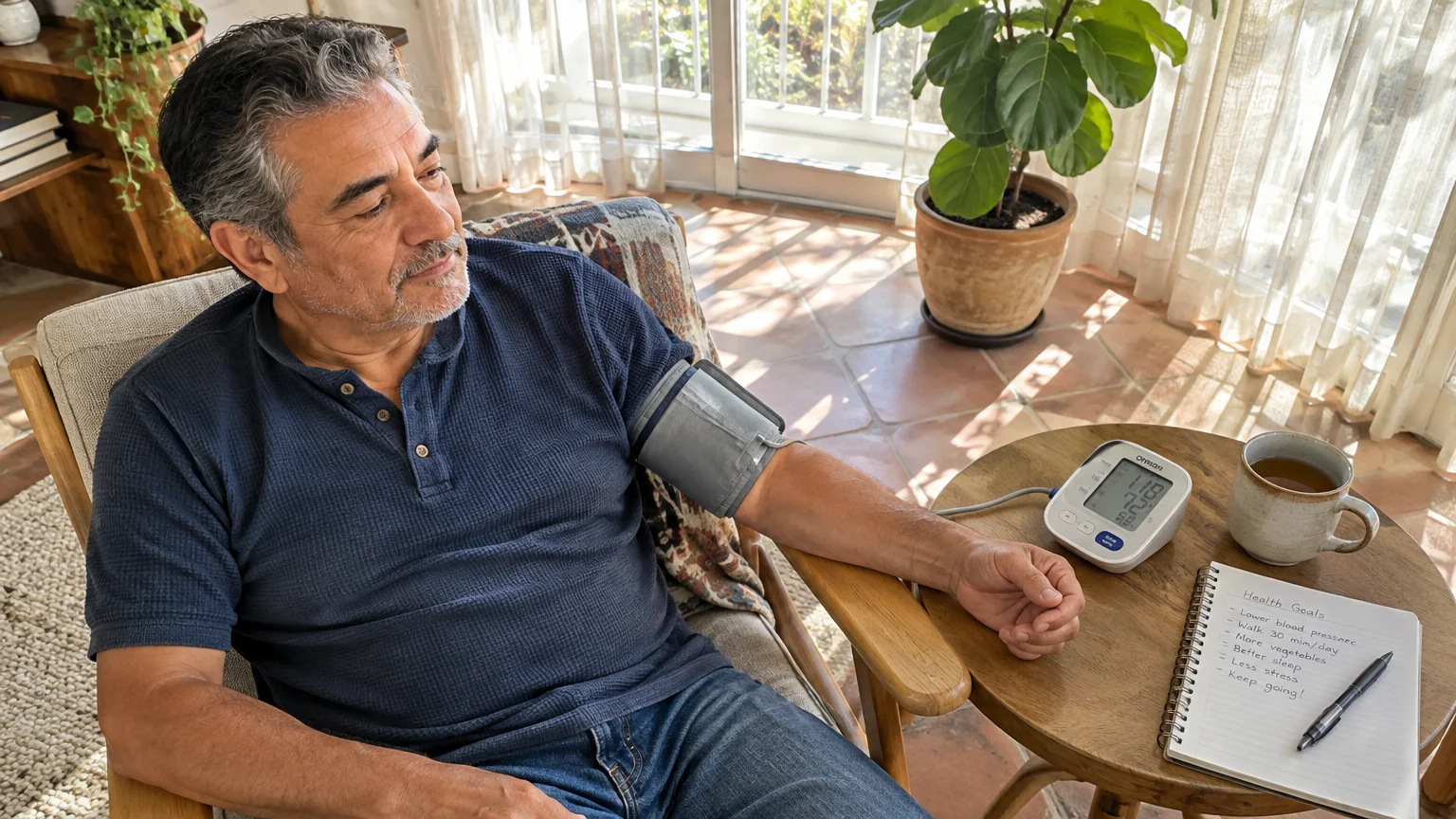
Keeping your blood pressure in a healthy range protects your energy, memory, and everyday independence. When you manage your circulation effectively, you preserve the physical vitality needed to enjoy active days with family and friends.
Blood pressure naturally creeps upward over time, yet simple, consistent lifestyle routines can quickly turn the tide. You can dramatically lower cardiovascular strain by building a few evidence-based daily habits into your current routine.
This guide walks you through actionable ways to support healthy circulation and maintain control over your lifelong vitality. Let us explore how simple adjustments protect your heart, sharp mind, and daily stamina.
Why Blood Pressure Climbs with Age
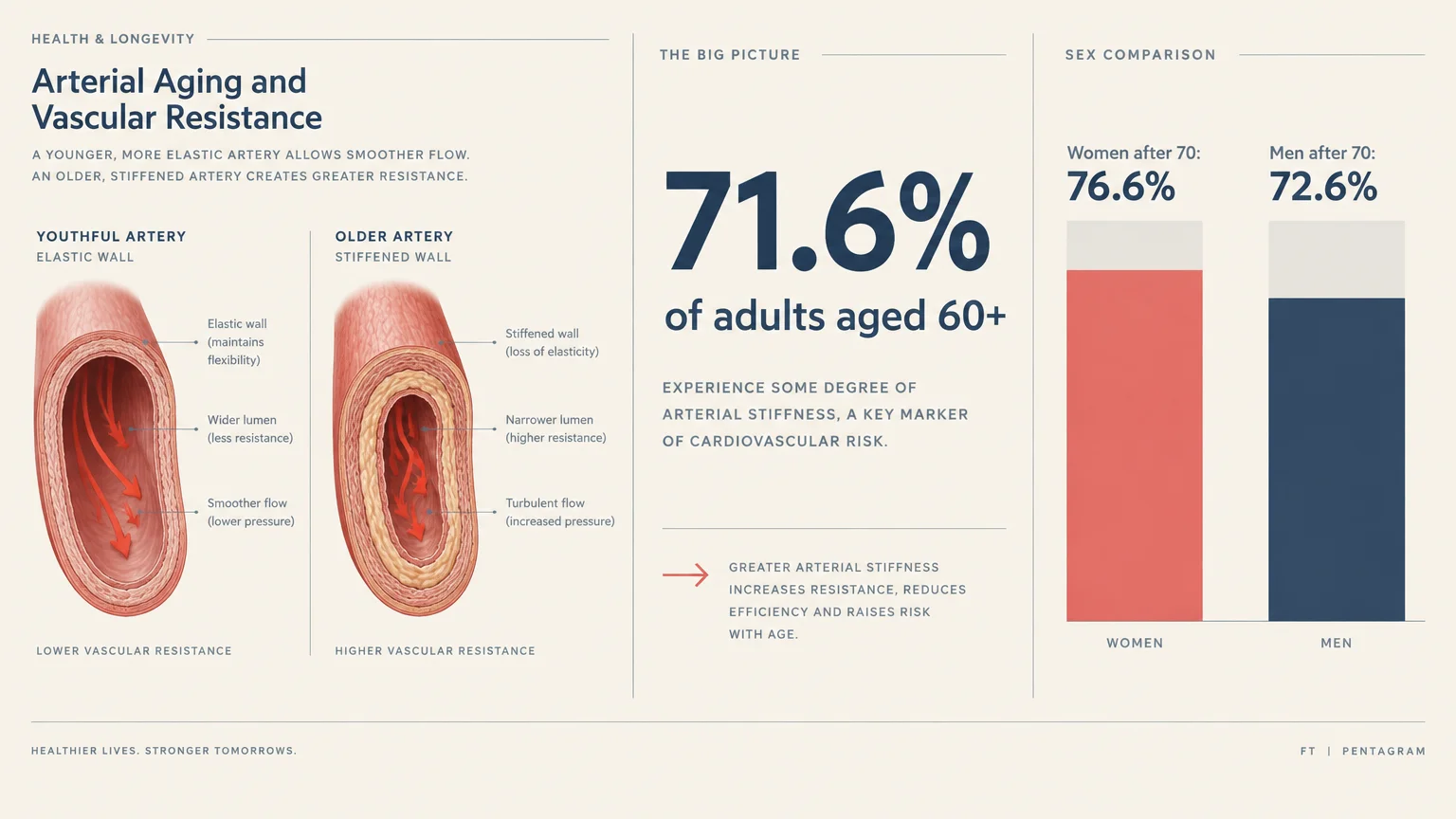
Over time, the body’s major blood vessels naturally lose their flexibility. As arterial walls stiffen, your heart must pump with greater force to circulate blood throughout your body.
Data from the CDC National Health and Nutrition Examination Survey shows that high blood pressure affects 71.6% of adults aged 60 and older. It remains the most common chronic condition in later life.
Interesting shifts also occur between sexes across the lifespan. While men face higher rates in their sixties, 76.6% of women develop hypertension after age 70 compared to 72.6% of men.
Elevated arterial pressure does more than strain your heart muscle; it also harms delicate microvessels in the brain. Protecting your vascular system preserves clear thinking, sharp memory, and independent decision-making as the decades advance.
Target Numbers and the Modern Approach to Care
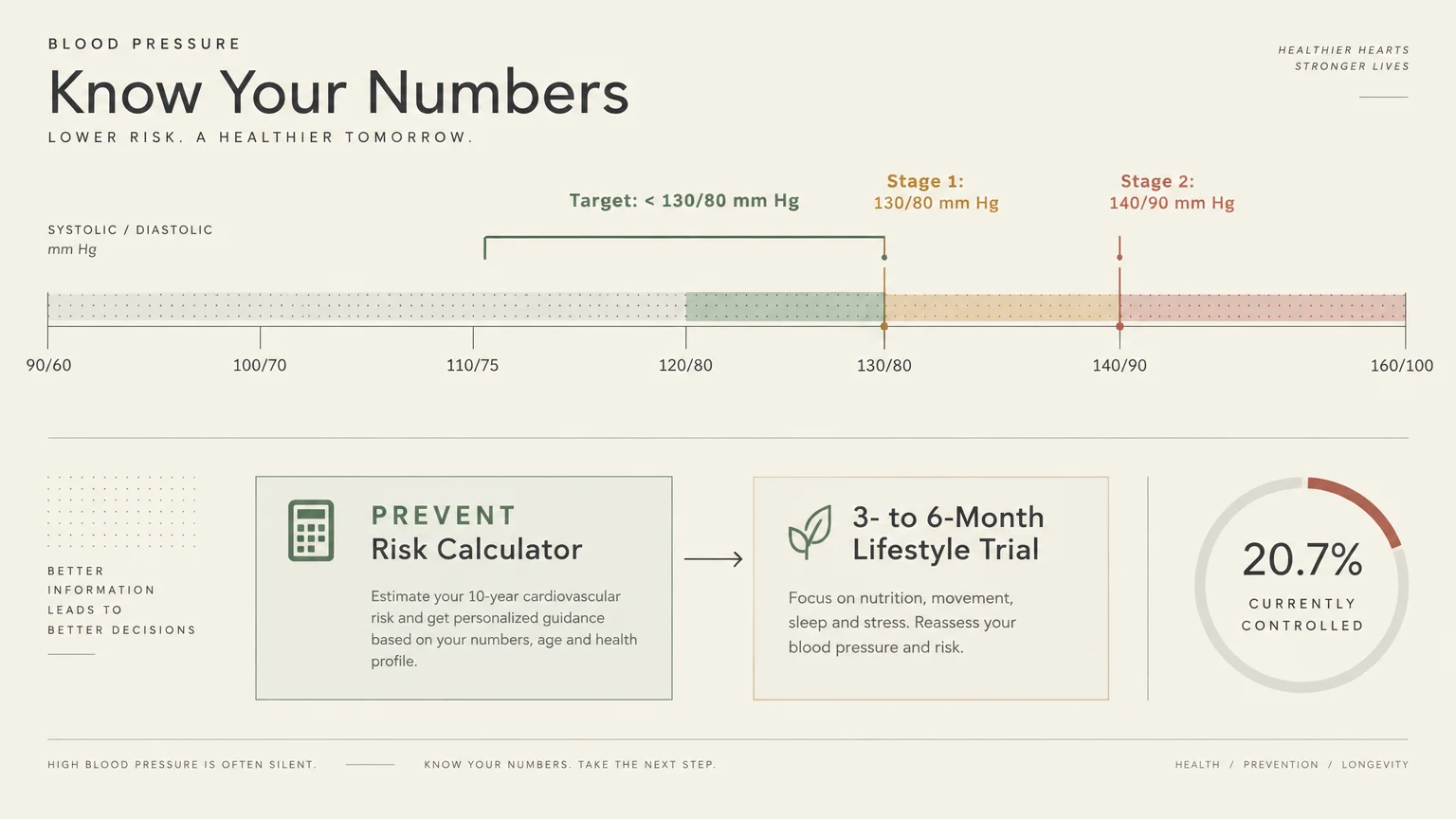
Clinical standards place Stage 1 hypertension at 130/80 mm Hg and Stage 2 at 140/90 mm Hg or higher. The American Heart Association sets a universal blood pressure treatment target of below 130/80 mm Hg for most adults.
Modern cardiology no longer relies solely on your age to determine when medication is necessary. Clinicians now use the PREVENT risk calculator to evaluate your unique 10-year cardiovascular profile before prescribing blood pressure drugs.
If you have Stage 1 readings without major risk factors, guidelines recommend a three- to six-month trial of lifestyle changes first. This window allows you to lower blood pressure naturally through purposeful daily habits.
Currently, only 20.7% of adults with high blood pressure achieve adequate control below 130/80 mm Hg. Embracing foundational habits helps you bridge that gap and secure long-term protection.

Dietary Shifts That Lower Blood Pressure Naturally
The food you choose each day acts as a direct lever on vascular resistance. Following the Dietary Approaches to Stop Hypertension, or DASH pattern, lowers systolic pressure by an average of 11 mm Hg.
This dietary approach centers on vibrant vegetables, fresh fruits, whole grains, and lean proteins while minimizing heavily processed foods. These nutrient-dense choices supply potassium, magnesium, and calcium, which collectively help relax arterial walls.
Cutting your current sodium intake by roughly one-third can drop your systolic reading by another 5 to 6 mm Hg. You can easily achieve this reduction by swapping packaged foods for home-cooked meals seasoned with citrus, garlic, and herbs.
Make gradual dietary changes so your palate adapts naturally to lower salt levels over several weeks. Focus on adding nourishing foods first—like an extra serving of leafy greens—rather than dwelling on deprivation.
Daily Movement Adapted for Every Mobility Level
Regular aerobic exercise prompts your blood vessels to expand and contract smoothly, boosting overall circulatory efficiency. Consistent movement also aids weight management, strengthens cardiac output, and reduces circulating stress hormones.
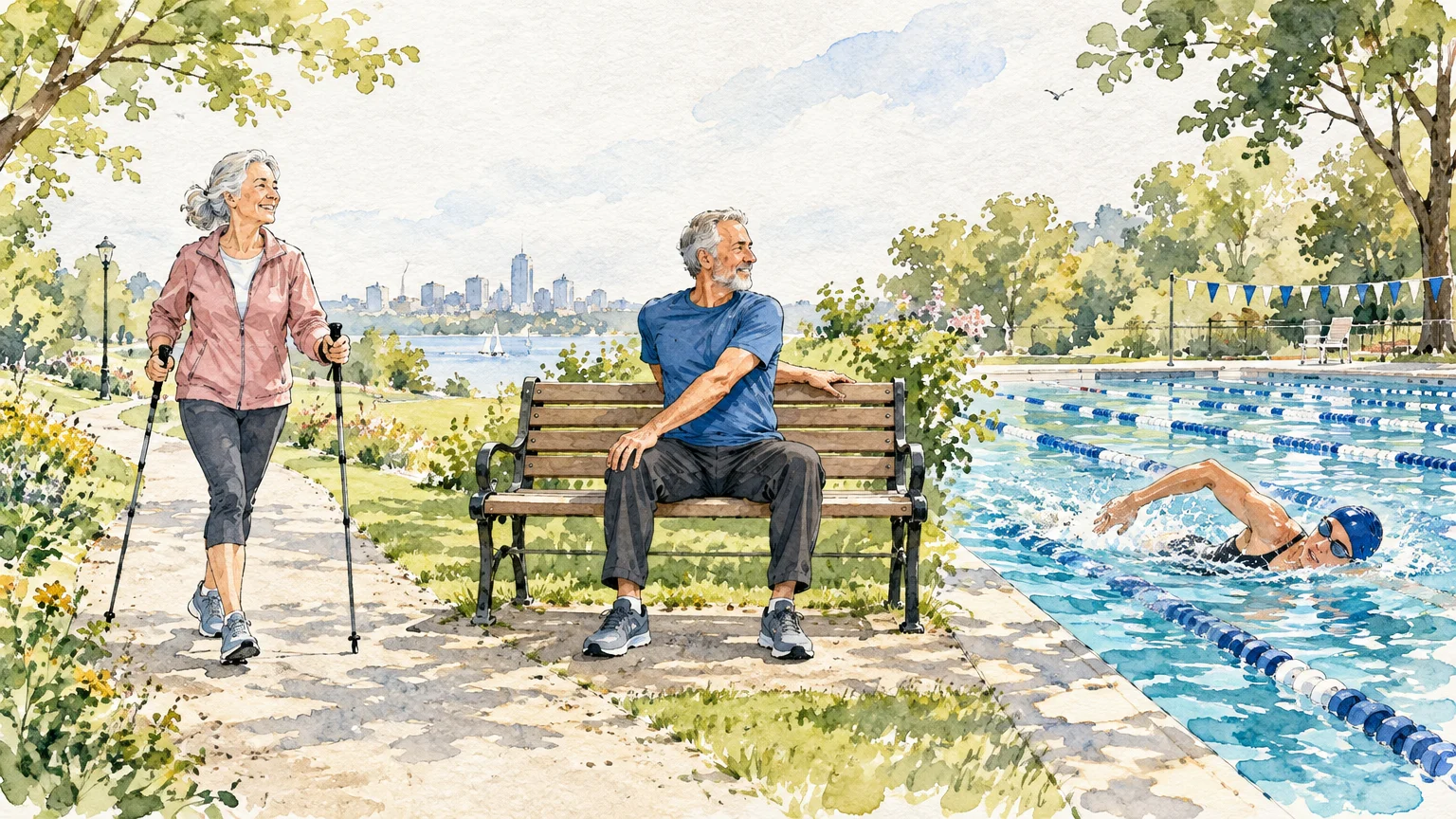
Aim for moderate aerobic activity most days of the week, such as brisk walking, swimming, or cycling. Even twenty minutes of purposeful walking can stimulate nitric oxide release, which gently relaxes your blood vessels.
If joint discomfort or balance issues limit your mobility, gentle chair exercises and water aerobics provide comparable vascular benefits. Seated leg extensions and seated marching keep your circulation active without placing undue stress on sensitive joints.
Low-impact isometric resistance training, such as wall sits or sustained handgrip exercises, also encourages healthy vascular adaptation. Always breathe rhythmically throughout any exercise to avoid sudden spikes in internal pressure.
Rest, Recovery, and Nervous System Balance
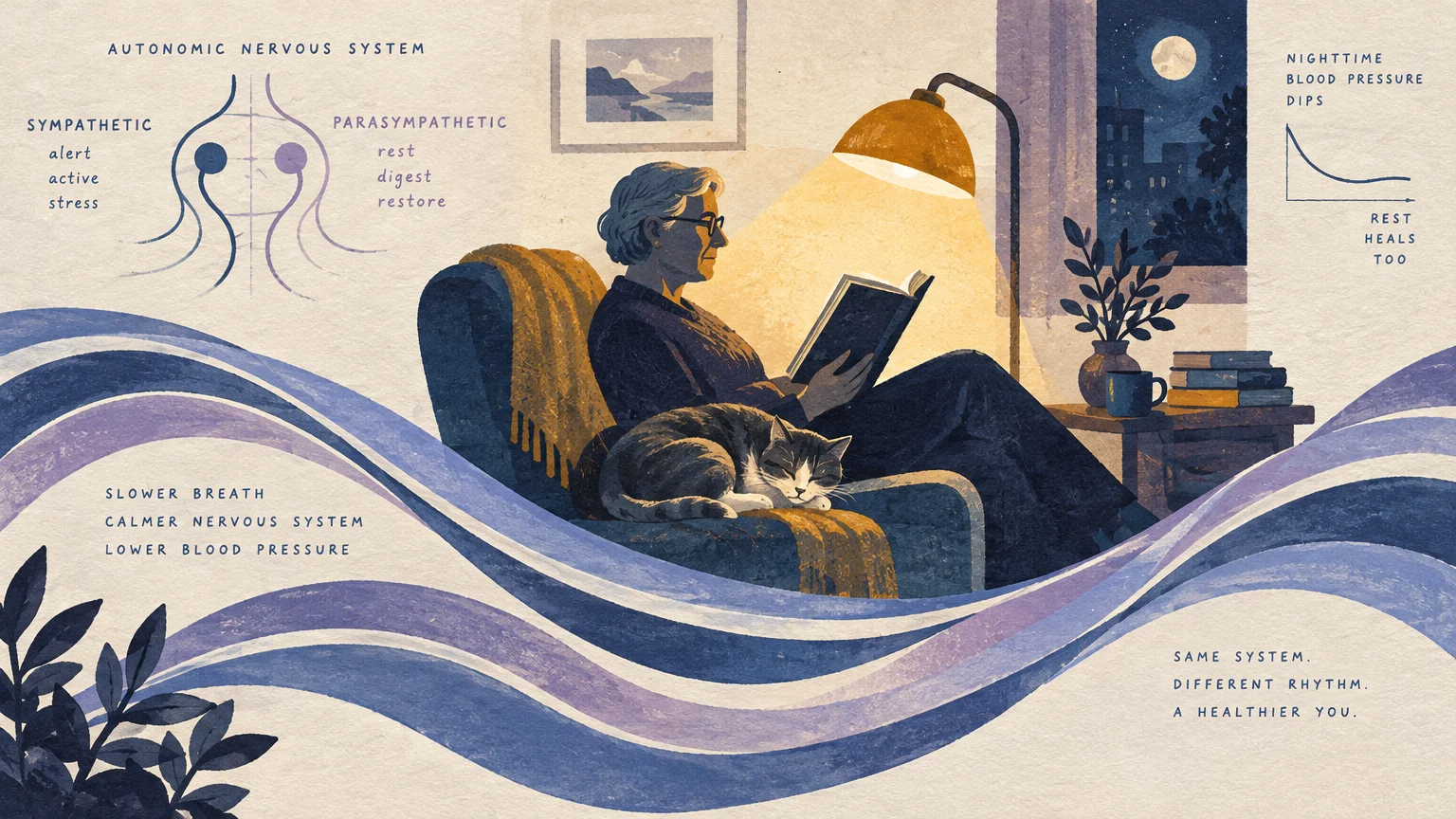
Your cardiovascular system relies heavily on deep, uninterrupted sleep to reset baseline arterial tone. Chronic poor sleep or untreated sleep apnea prevents the nocturnal blood pressure dip necessary for cardiac recovery.
The National Institutes of Health highlights restorative rest as an essential pillar of cardiovascular wellness. Establishing a consistent bedtime schedule and eliminating bright screens an hour before sleep can substantially improve sleep quality.
Chronic psychological stress keeps your body in a persistent fight-or-flight state, flooding your bloodstream with adrenaline and cortisol. Practicing five minutes of slow, diaphragmatic breathing activates the parasympathetic nervous system, easing tension in your blood vessels.
Taking brief pauses throughout your afternoon to unwind or enjoy nature helps buffer against cumulative daily tension. These calming breaks provide immediate benefits for both your mental outlook and your circulatory system.
Safety First: When to Involve Your Healthcare Team
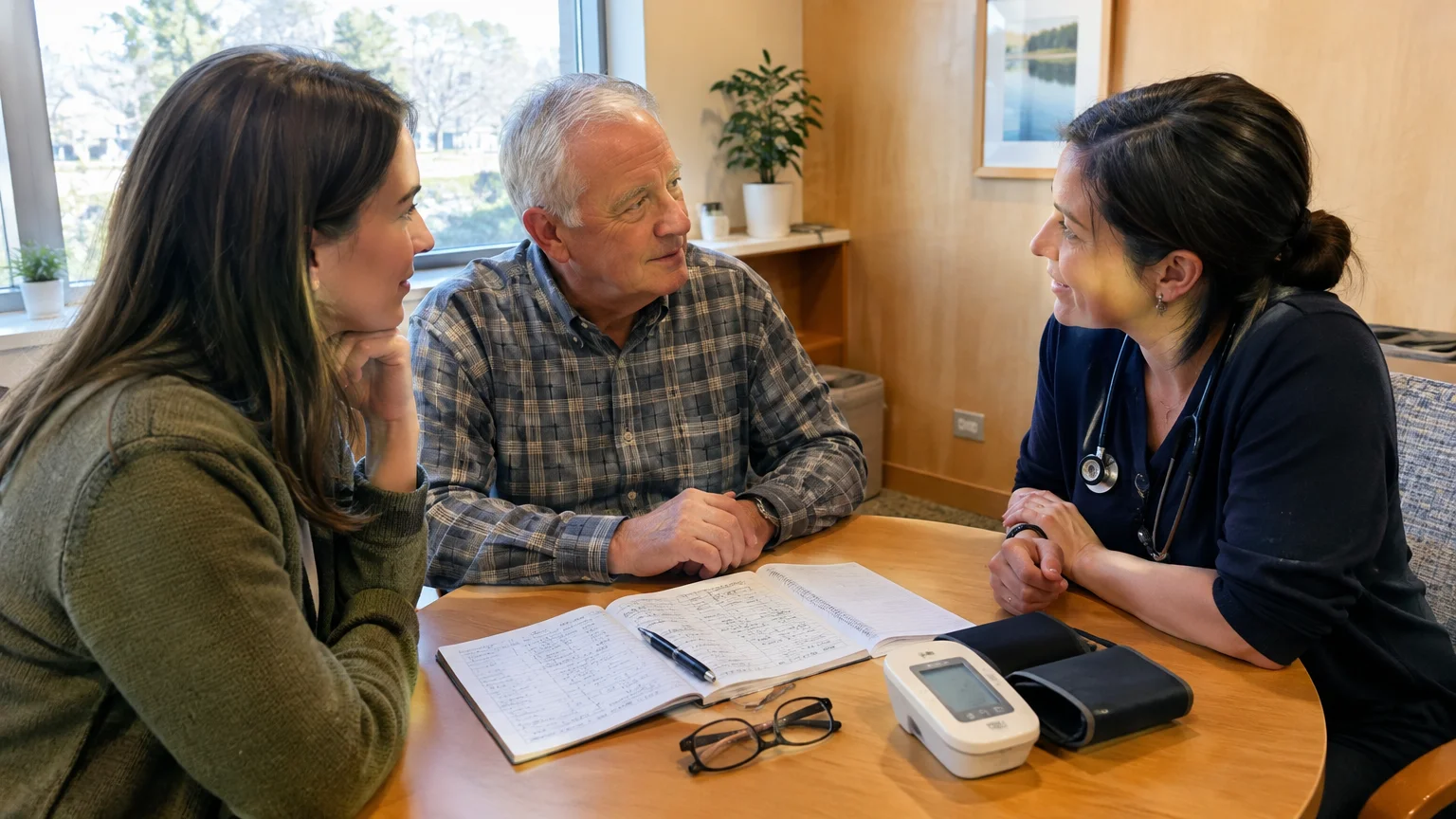
Always consult your physician before initiating a vigorous new exercise program or making drastic changes to your salt intake. Collaborative discussions ensure that your lifestyle plan complements any existing medical conditions or treatment plans.
If you experience unexpected dizziness or lightheadedness upon standing, alert your doctor immediately. This sensation can signal orthostatic hypotension, which raises your risk of falls and requires tailored clinical adjustments.
Seek urgent medical evaluation if your systolic pressure exceeds 180 mm Hg or your diastolic exceeds 120 mm Hg, especially if accompanied by chest pain or shortness of breath.
Note that educational articles offer general wellness insights and never replace individualized medical care from a licensed clinician. Partnering openly with your provider ensures you make confident, safe choices.
Frequently Asked Questions About Blood Pressure Aging
Can lifestyle changes really replace medication?
For adults with mild hypertension and lower overall cardiovascular risk, lifestyle therapy can sometimes lower readings enough to avoid prescription drugs. However, never reduce or discontinue prescribed medications without direct clinical guidance from your healthcare team.
Why does my blood pressure drop when I stand up?
Aging arteries and certain medications can delay how fast blood moves back to the brain when you change postures. To prevent dizziness, pause on the edge of your bed or chair before standing up completely.
Is high systolic pressure normal as I get older?
While arterial stiffening makes systolic pressure rise naturally over time, elevated readings are not harmless. Modern medical standards treat persistent systolic readings above 130 mm Hg to prevent strokes, cognitive decline, and heart failure.
How often should I monitor my readings at home?
Checking your blood pressure twice daily—once in the morning and once in the evening—provides a reliable baseline for your clinician. Log your results over two weeks to capture an accurate picture of your true vascular health.
Your Next Step: One Small Habit for This Week
Meaningful health transformations start with single, manageable adjustments rather than overwhelming overhauls. Choose one simple action this week, such as taking a fifteen-minute walk after lunch or swapping salt for garlic powder.
By repeating that single habit daily, you build the foundation for lower blood pressure and sustained physical independence. Celebrate each small victory as an investment in a vibrant, energetic future.