
Staying ahead of your health keeps you active, independent, and energized for the milestones ahead. Routine preventive screenings catch subtle physical changes early—often long before symptoms appear.
As you cross age 50, your baseline risk for cardiovascular conditions, metabolic shifts, and cellular changes naturally rises. Proactive checks give you the data needed to protect your longevity.
This practical guide covers essential cancer screenings, heart assessments, bone scans, and age-specific immunizations. Use these actionable insights to build a personalized care strategy with your physician.
Core Cancer Screenings
Colorectal Cancer Screening
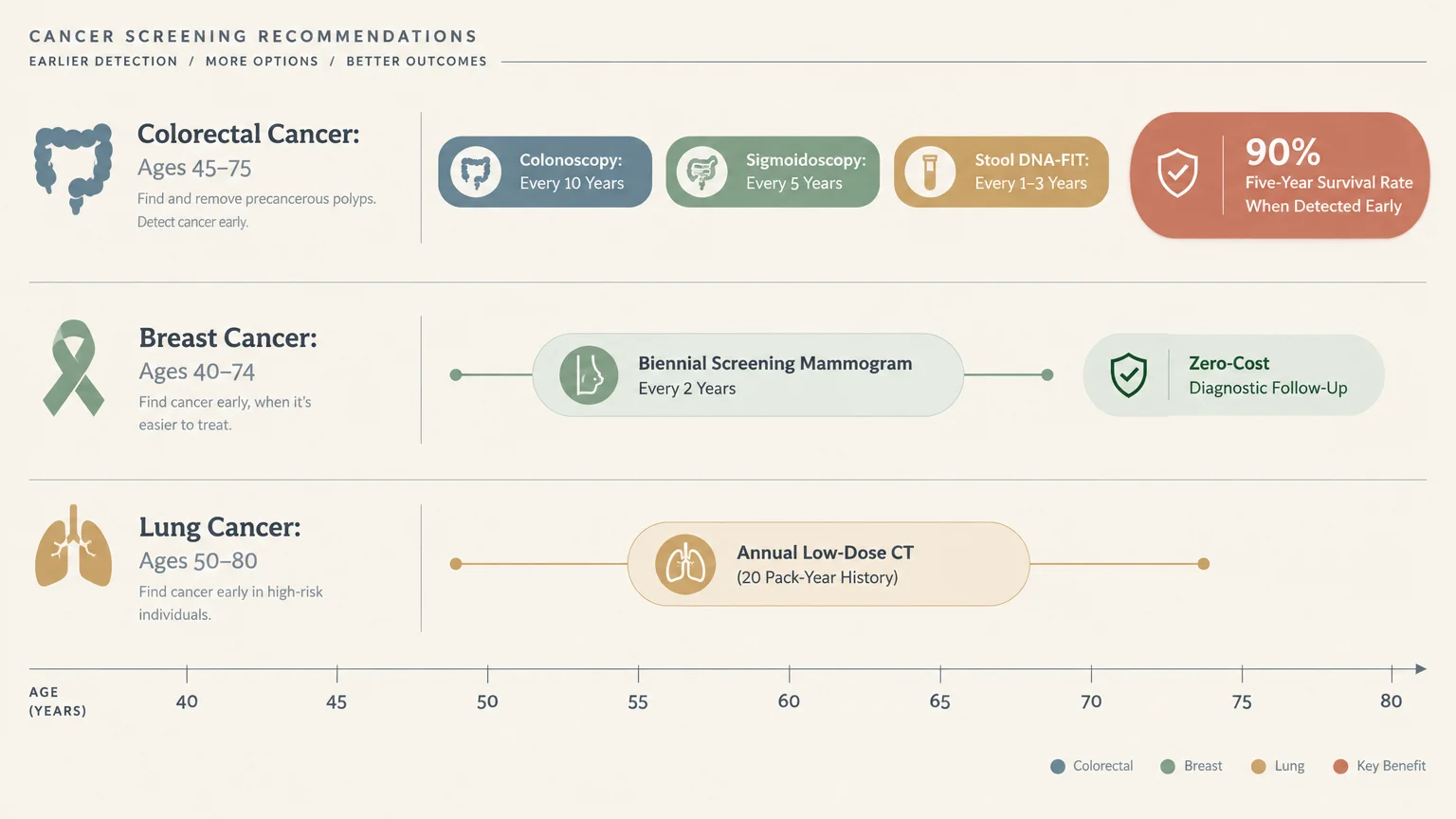
Routine colorectal screening protects digestive health and identifies precancerous polyps before they turn invasive. According to the U.S. Preventive Services Task Force, average-risk adults should begin screening between ages 45 and 75.
Detecting colorectal cancer early yields an estimated 90% five-year survival rate. You have multiple effective testing options available today.
A colonoscopy remains standard every 10 years, while flexible sigmoidoscopy occurs every 5 years. Alternatively, you can complete a stool DNA-FIT test every 1 to 3 years or an annual FIT test.
If you are between ages 76 and 85, discuss your health history with your doctor to determine if screening remains necessary.
Breast and Lung Cancer Detection
Under updated USPSTF guidance, women aged 40 to 74 should receive biennial screening mammograms every 2 years. Early mammograms uncover tiny calcifications when tumors remain small and treatable.
Federal guidelines require insurance coverage for diagnostic follow-up imaging at no cost if your initial mammogram requires clarification. Never delay diagnostic breast imaging due to cost concerns.
Annual lung cancer screening uses low-dose computed tomography for individuals aged 50 to 80. This test applies if you have a 20 pack-year smoking history and smoke currently or quit within 15 years.
Cervical and Prostate Screenings
Women should continue cervical cancer screening through age 65 with cytology every 3 years or high-risk HPV testing every 5 years. You may stop screening at 65 after adequate prior negative results.
For men aged 55 to 69, periodic prostate-specific antigen testing represents an individualized choice. Discuss benefits and potential harms with your clinician; routine PSA screening is not recommended after 70.

Cardiovascular and Metabolic Checks
Blood Pressure and Blood Sugar Monitoring
High blood pressure damages vascular pathways without causing symptoms. Clinical directives advise annual blood pressure evaluations for all adults aged 40 and older to reduce stroke and heart risks.
Metabolic screening identifies early insulin resistance before diabetes harms your body. USPSTF guidelines recommend screening every 3 years for adults aged 35 to 70 who are overweight or have obesity.
The American Diabetes Association recommends universal diabetes screening for all adults starting at age 35 regardless of weight. Ask your doctor for a fasting glucose or hemoglobin A1C test.
Cardiovascular Risk and Statin Therapy
Preventing cardiovascular events requires evaluating your lipid profile alongside your lifestyle factors. Clinicians calculate your risk score using age, blood pressure, cholesterol levels, and metabolic indicators.
The USPSTF recommends prescribing a statin for adults aged 40 to 75 who carry at least one cardiovascular risk factor and an estimated 10-year event risk of 10% or greater.
Bone Density and Vascular Scans
Bone Mineral Density Testing
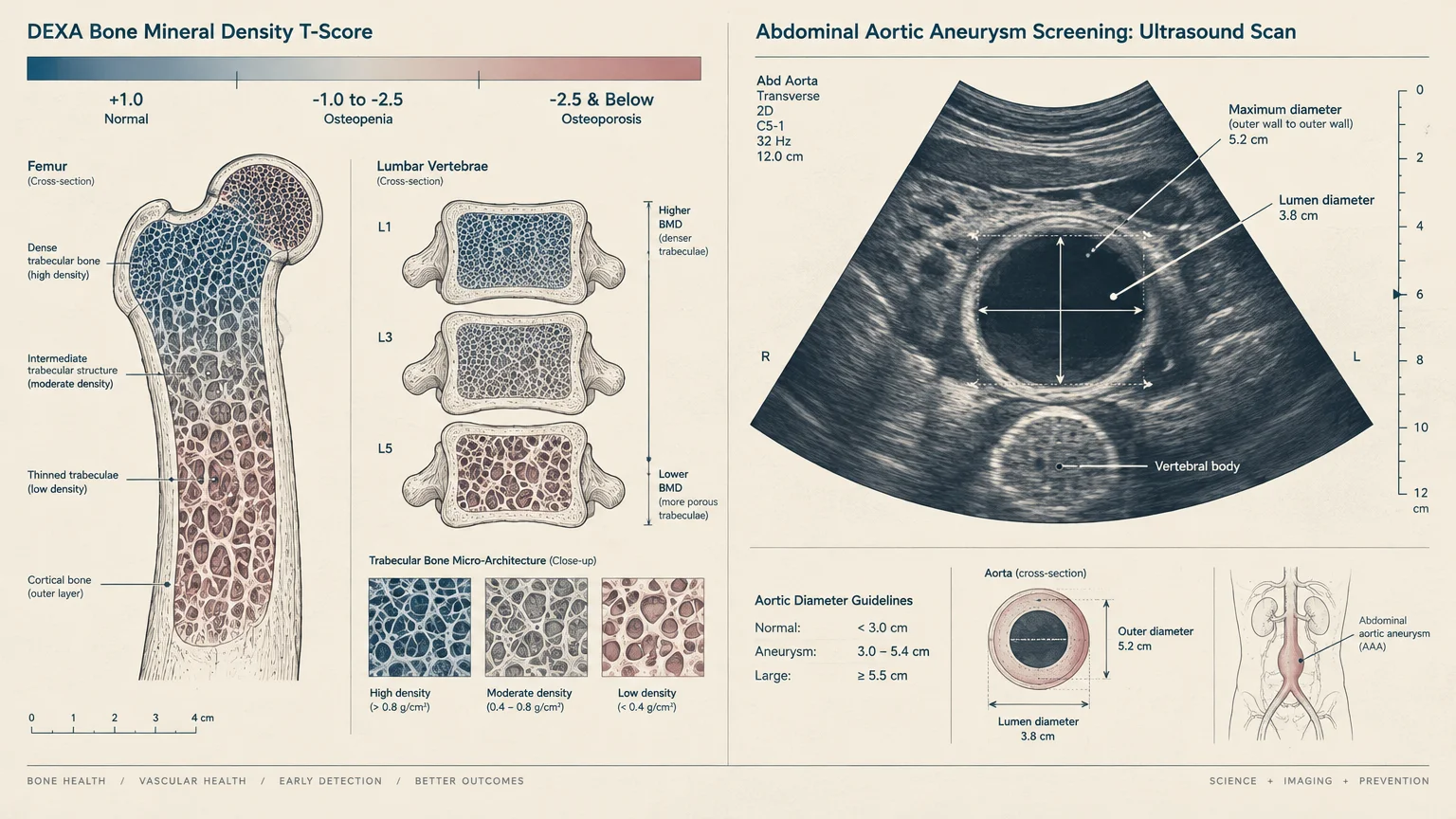
Bone loss accelerates during midlife, increasing fracture risks. A quick, painless DEXA scan measures bone mineral density to diagnose osteopenia or osteoporosis before a fracture occurs.
The National Institute on Aging emphasizes bone measurement testing for all women aged 65 and older. Postmenopausal women younger than 65 should also test if clinical tools indicate elevated fracture risk.
Targeted Vascular and Blood Checks
Men aged 65 to 75 who have ever smoked need a one-time ultrasound screening for an abdominal aortic aneurysm. This simple scan catches dangerous arterial ballooning before rupture occurs.
All adults aged 18 to 79 should receive a one-time blood screening for Hepatitis C. Confirm that your medical chart reflects at least one lifetime HIV test completed between ages 15 and 65.

Essential Vaccines After 50
Pneumococcal and Shingles Immunizations
Your immune defense against serious infections changes during your fifties. The Centers for Disease Control and Prevention universally recommends pneumococcal vaccination for all adults starting at age 50.
This updated threshold protects your lungs from invasive bacterial pneumonia and bloodstream infections. Talk to your provider about receiving a single dose of PCV20 or PCV21.
The CDC also recommends 2 doses of recombinant shingles vaccine for healthy adults aged 50 and older. You receive the second injection 2 to 6 months after the first shot.
Respiratory Syncytial Virus Protection
Respiratory syncytial virus poses severe complications for older respiratory systems. A single RSV vaccine dose is recommended for all adults aged 75 and older, and for adults aged 60 to 74 with chronic medical conditions.
Under expanded guidelines, adults aged 50 to 59 with severe chronic health conditions should also discuss RSV vaccination with their clinician. Your doctor will evaluate whether your health history warrants early protection.
Coverage and Safety Precautions
Understanding Your Preventive Benefits
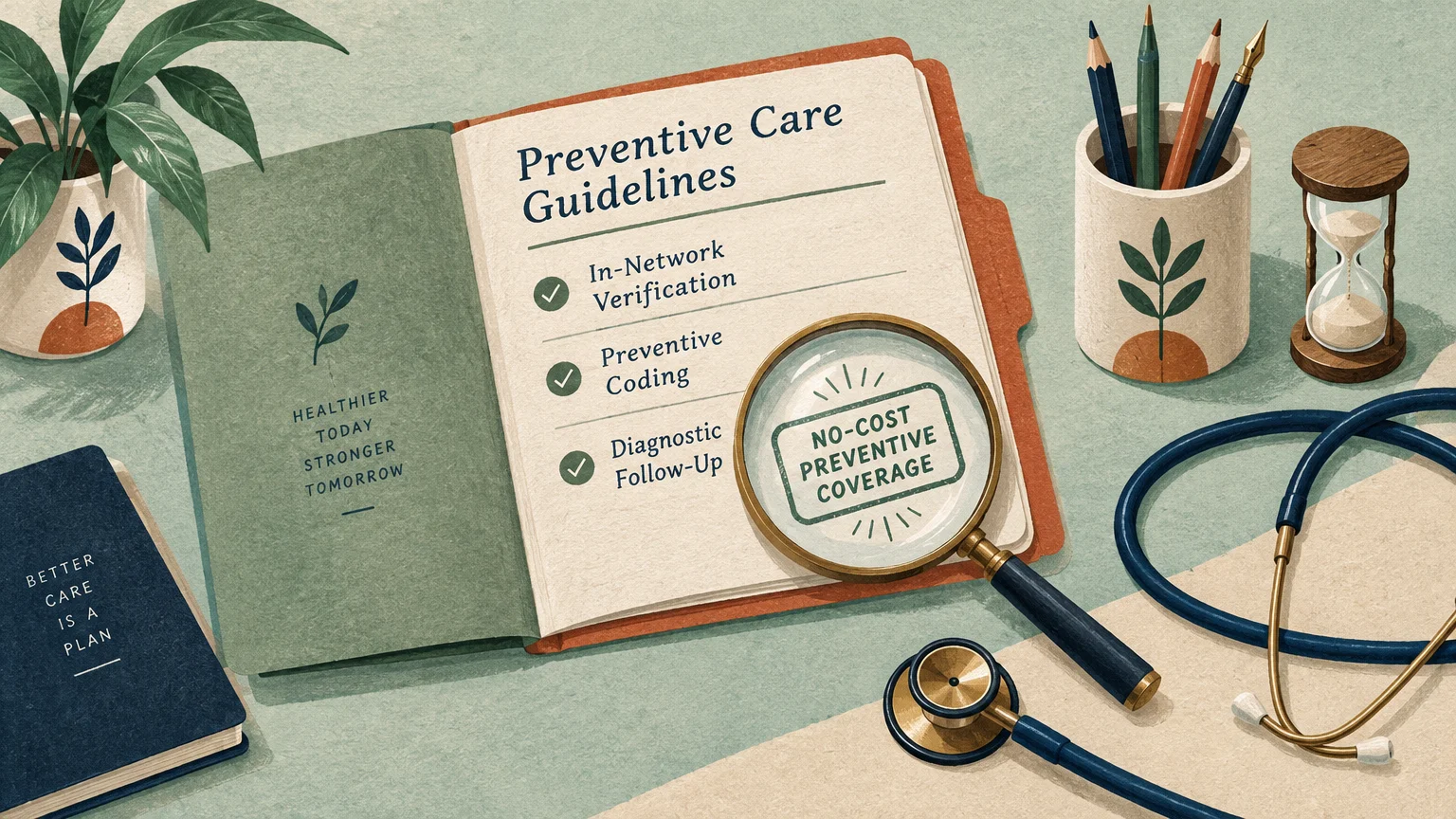
Under the Affordable Care Act, private insurers and Medicare cover preventive services with a USPSTF Grade of A or B with $0 out-of-pocket costs. You pay no copayment or deductible for standard screenings.
According to the 2025 Aflac Wellness Matters Survey, 59% of Americans skipped a recommended preventive screening. Knowing that essential tests carry no cost-sharing removes a major obstacle to care.
When to See Your Doctor Promptly
Routine preventive screenings evaluate individuals without symptoms. If you experience rectal bleeding, breast lumps, unexpected weight loss, or persistent shortness of breath, contact your physician immediately.
Always consult your doctor before starting an intensive exercise program, altering prescription medications, or if you experience balance changes. This article provides general educational information and does not constitute medical advice.
Frequently Asked Questions
Can an at-home stool test replace a colonoscopy entirely?
At-home tests like annual FIT or multi-year stool DNA-FIT provide noninvasive options for average-risk adults. However, if your stool test returns an abnormal result, you must undergo a colonoscopy to remove polyps.
Do men need bone density testing after age 50?
Men experience slower bone loss than women, but fractures remain a serious risk. Men should discuss a DEXA scan with their doctor if they have height loss, long-term steroid use, or prior fractures.
Why did the pneumococcal vaccine age drop to 50?
Federal health agencies lowered the recommended age from 65 to 50 to protect adults earlier against invasive pneumococcal disease. Adults in their fifties with underlying conditions face substantially higher risks of hospitalization.
Are all screening procedures completely free of charge?
Screenings with Grade A or B ratings carry zero out-of-pocket costs when delivered by in-network providers. However, if your doctor removes a polyp or evaluates new symptoms, standard cost-sharing may apply.
Actionable Habit for This Week
Log into your health system’s patient portal this week and audit your preventive care record. Identify the single screening or vaccination you have delayed most, and send a message to schedule that appointment today.