
Protecting your cardiovascular system keeps you energized, independent, and ready to keep up with your family. Strong heart health after 50 unlocks the vitality you need to enjoy retirement on your own terms.
The average age for a first heart attack is 65.6 for men and 72.0 for women; your fifties represent the most critical window to prevent heart disease. Taking action now protects your arteries before serious complications emerge.
By adopting evidence-based routines today, you preserve your cognitive sharpness and physical freedom for decades to come. Here are the eight most effective habits to protect your cardiovascular health as you age.
Understanding Cardiovascular Health and Aging
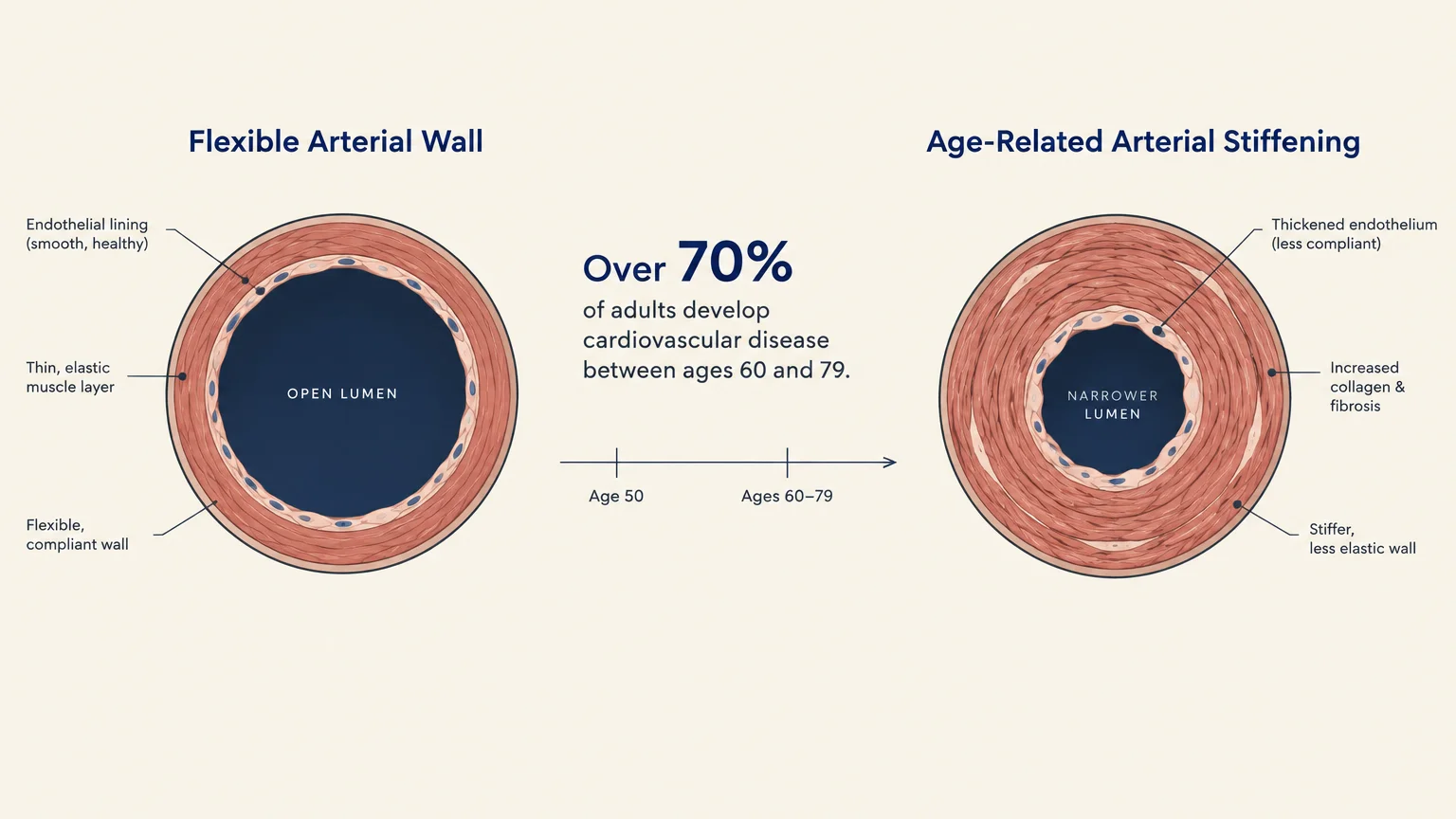
According to the National Institutes of Health, arterial stiffening accelerates naturally as you cross into your fifties. Your blood vessels gradually lose elasticity, forcing your heart to work harder to circulate oxygen throughout your body.
Between ages 60 and 79, over 70 percent of adults develop some form of cardiovascular disease. Understanding these physical changes empowers you to take decisive control of your daily routine.

01 Focus on Whole, Nutrient-Dense Foods
Build your meals around vegetables, fresh fruits, whole grains, nuts, and lean proteins. Replace saturated animal fats with non-tropical oils like extra virgin olive oil to protect your arterial lining.
Limit packaged convenience items that hide excessive sodium and added sugars. This eating pattern lowers vascular inflammation and supports optimal blood vessel function over time.
02 Meet Weekly Physical Activity Targets
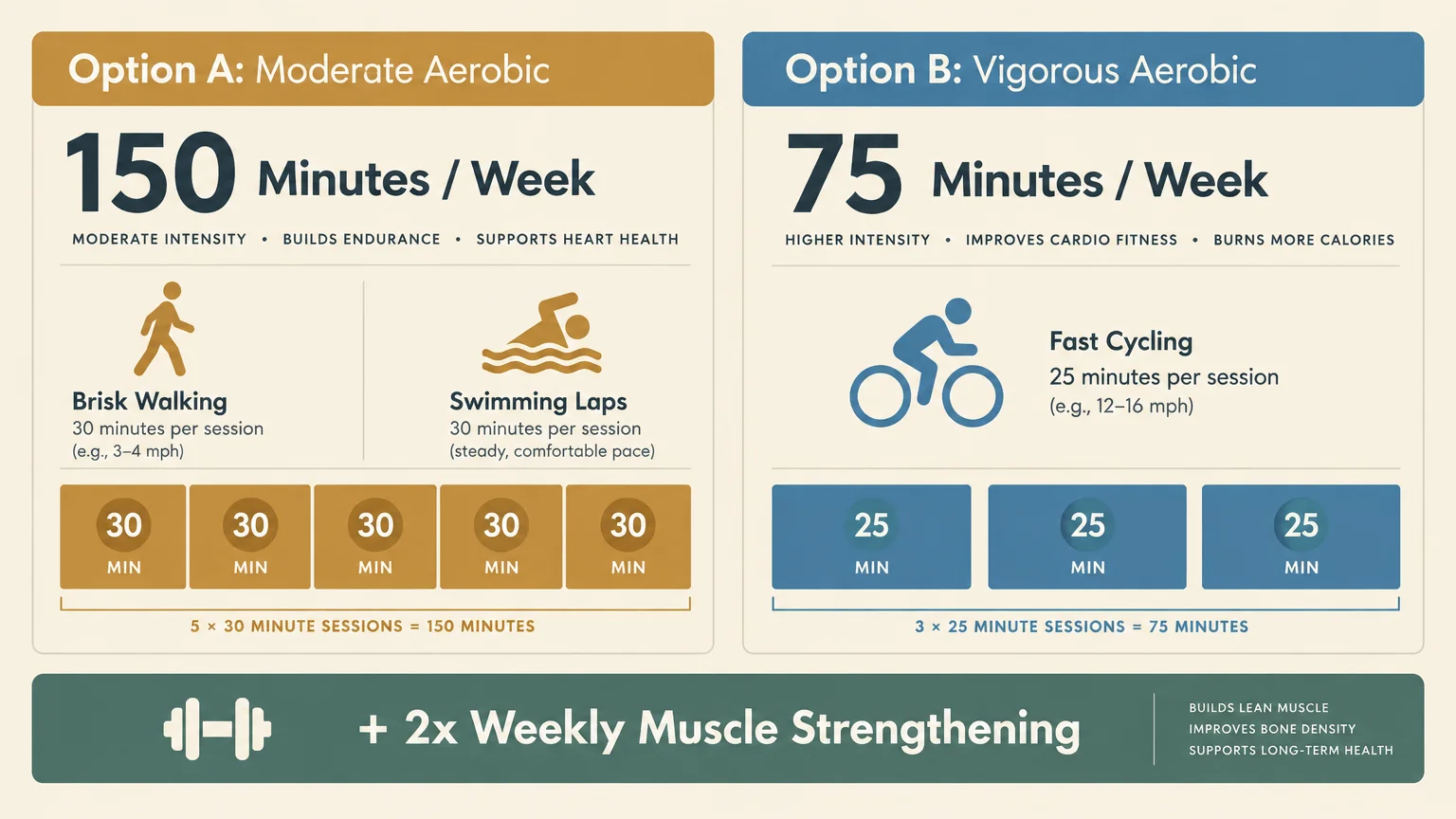
Guidance from the Centers for Disease Control and Prevention suggests 150 minutes of moderate aerobic activity or 75 minutes of vigorous exercise weekly. Brisk walking, cycling, or swimming strengthens your heart muscle without placing excessive stress on aging joints.
Incorporate muscle-strengthening exercises twice weekly to preserve functional independence. Consistent movement boosts circulation and improves insulin sensitivity across every decade of life.

03 Prioritize Restorative Sleep
Clinical guidelines from the American Heart Association emphasize that adults need seven to nine hours of quality sleep nightly. Deep sleep lowers heart rate and blood pressure, allowing cardiovascular tissue to repair.
Chronic sleep deprivation elevates cortisol and contributes to arterial stiffness. Maintain a dark, quiet bedroom and establish a relaxing wind-down routine to encourage restorative rest.

04 Eliminate Inhaled Nicotine Completely
Avoid all inhaled nicotine, including traditional cigarettes and e-cigarettes, while steering clear of secondhand smoke. Smoking damages the delicate endothelial cells lining your arteries and accelerates dangerous plaque accumulation.
Quitting produces immediate cardiovascular rewards regardless of your chronological age. Your heart rate drops within hours, and your risk of a cardiac event plummets rapidly.
05 Support a Healthy Body Weight
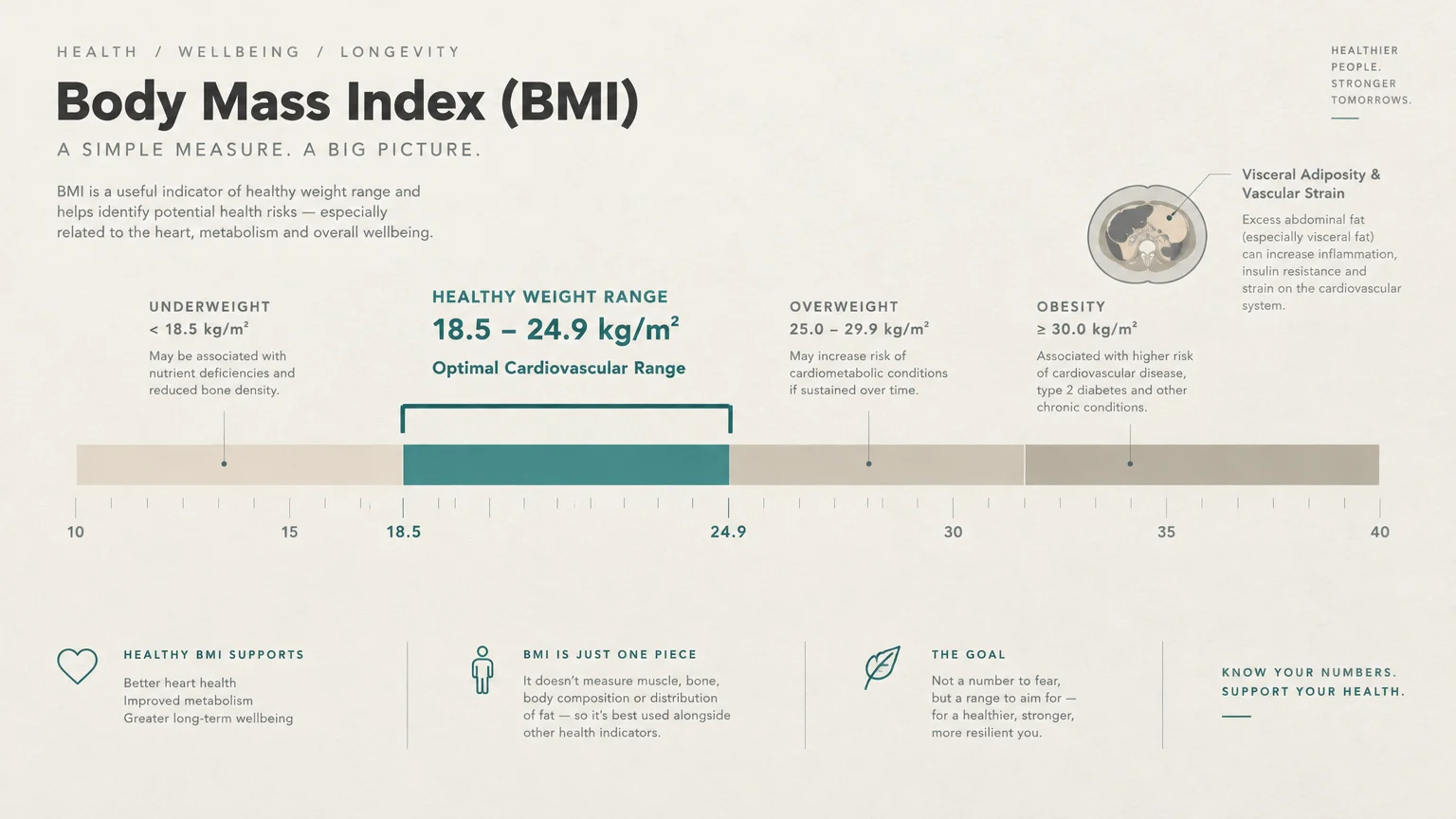
Maintain an optimal Body Mass Index between 18.5 and 24.9 kg/m² to reduce strain on your heart. Excess visceral fat around the abdomen drives systemic inflammation and elevates metabolic risks.
Focus on gradual, sustainable habits rather than extreme diets that trigger muscle loss. Pair nutrient-dense meals with regular resistance training to defend lean body mass as you mature.
06 Track Your Non-HDL Cholesterol
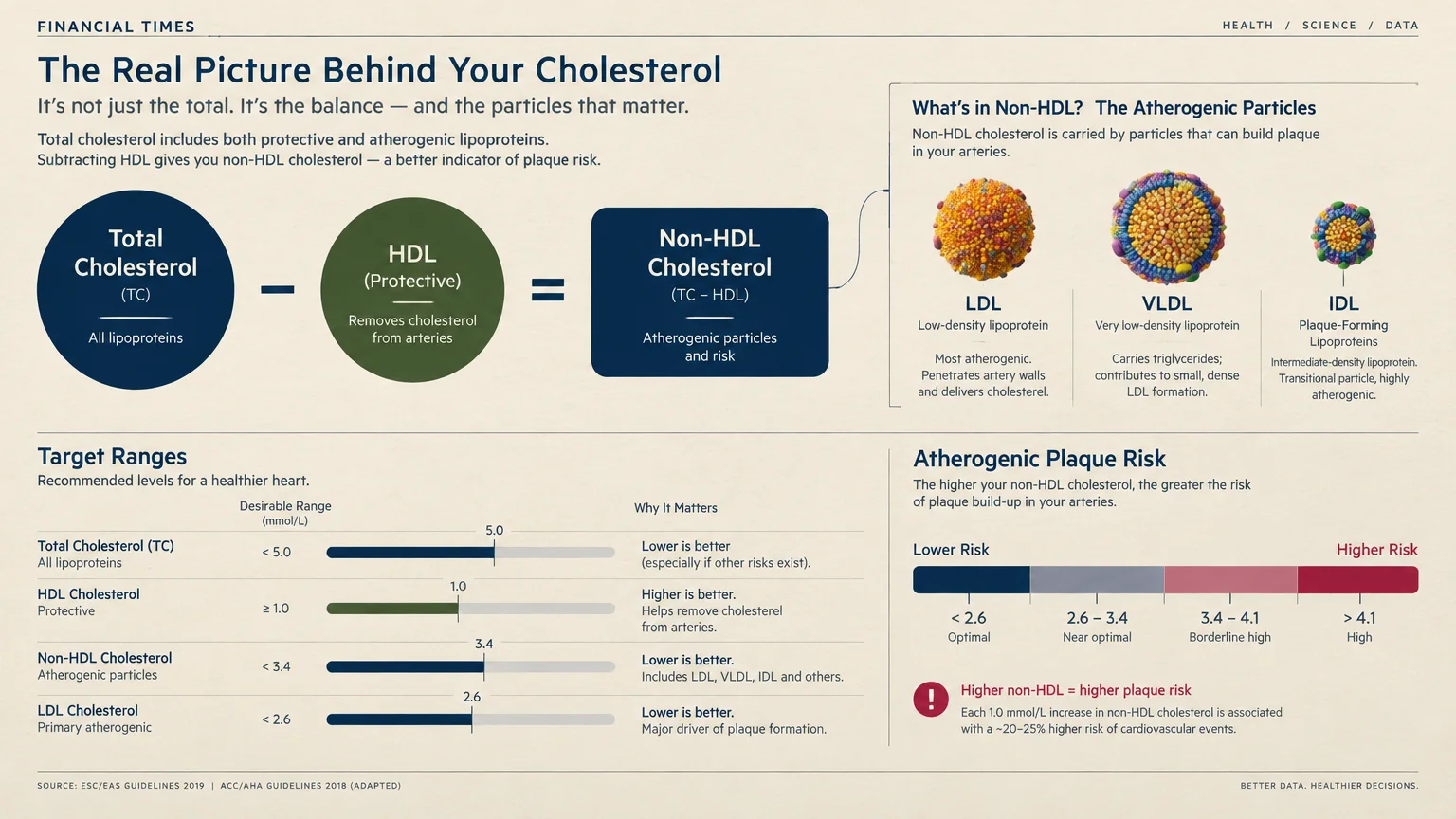
Request comprehensive lipid testing that specifically evaluates non-HDL cholesterol alongside your standard numbers. Non-HDL cholesterol captures all atherogenic particles that deposit fatty plaque inside arterial walls.
Work with your physician to establish personalized targets based on your overall cardiovascular profile. When dietary upgrades are not enough, prescribed therapies can stabilize plaque and prevent blockages.
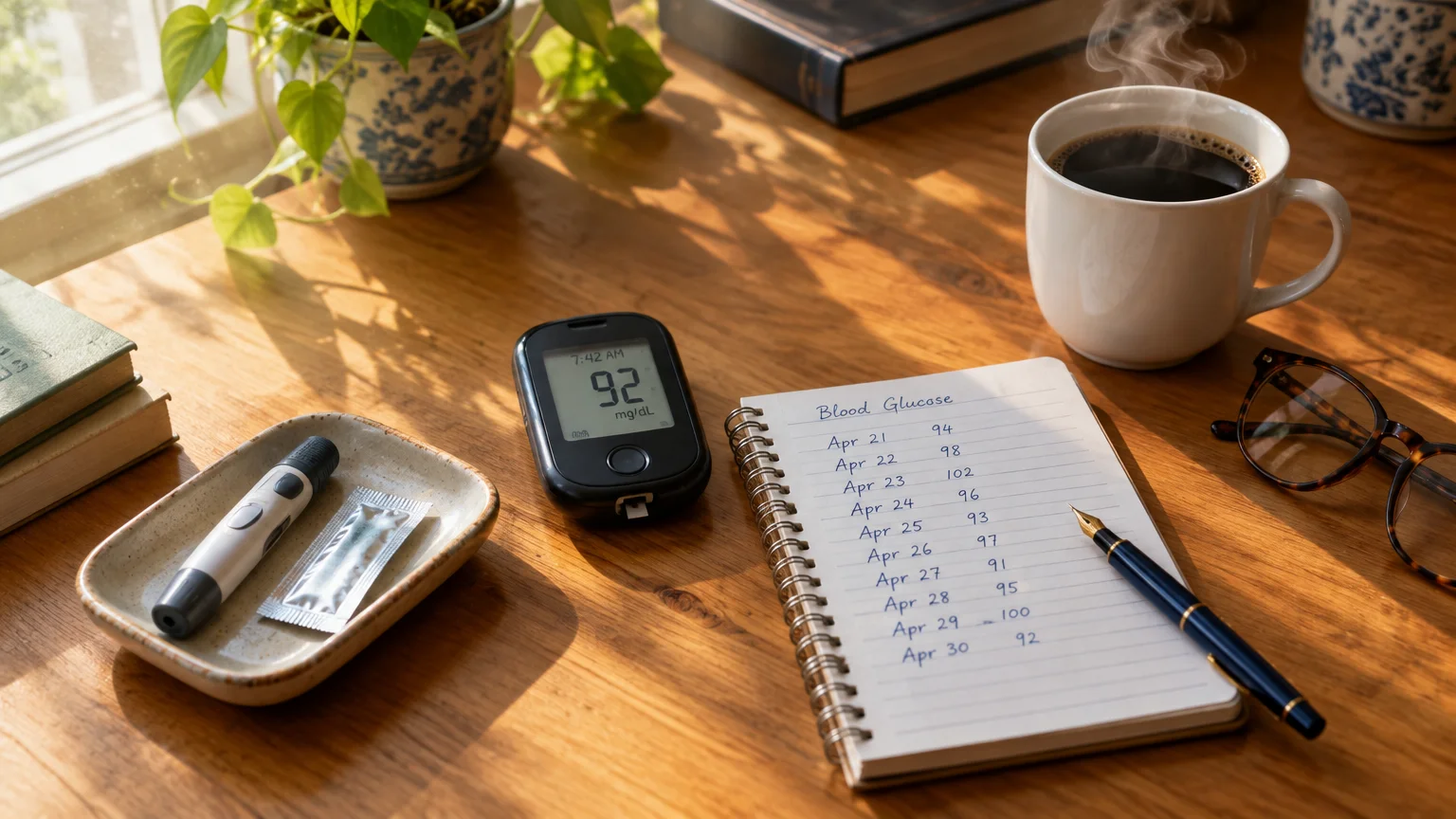
07 Monitor Blood Sugar and HbA1c
Elevated blood sugar silently damages microscopic blood vessels and stiffens major arteries over time. Regular testing of your fasting glucose and HbA1c flags insulin resistance long before symptoms appear.
Pair balanced nutrition with daily movement to maintain steady glucose levels throughout the day. Keeping blood sugar in check shields your heart, kidneys, and brain from microvascular damage.
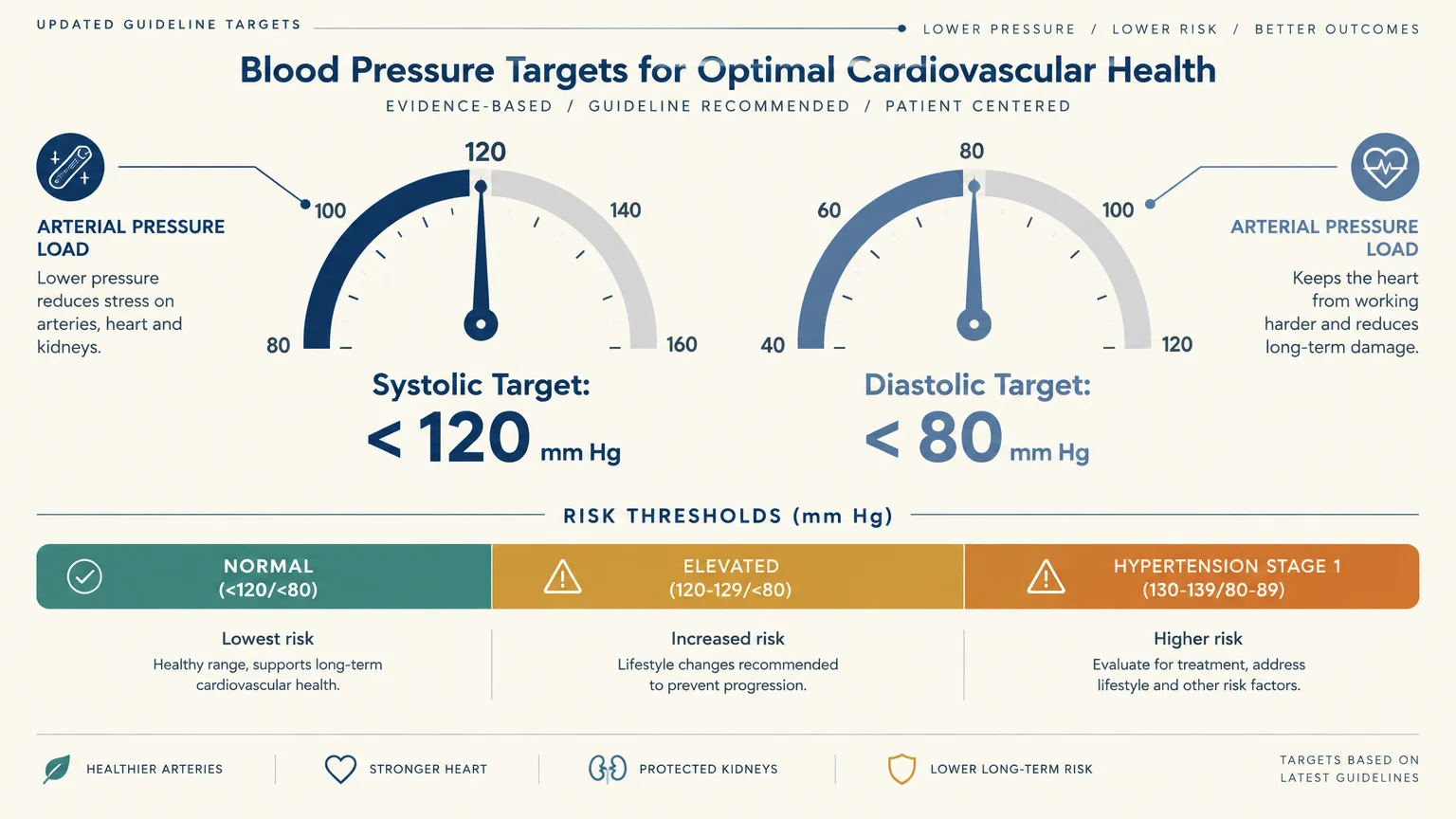
08 Control Blood Pressure to Updated Guidelines
Nearly half of American adults have high blood pressure, yet only about one-fifth maintain adequate control. High blood pressure forces your cardiac muscle to pump against dangerous resistance daily.
Modern clinical guidance defines normal blood pressure as below 120/80 mm Hg. Clinicians now target a blood pressure below 130/80 mm Hg for treatment goals to protect your vascular health.
Under updated protocols, clinicians evaluate your risk using the race-free PREVENT calculator. If your ten-year cardiovascular risk reaches 7.5 percent or higher, starting medication alongside lifestyle shifts offers vital protection.
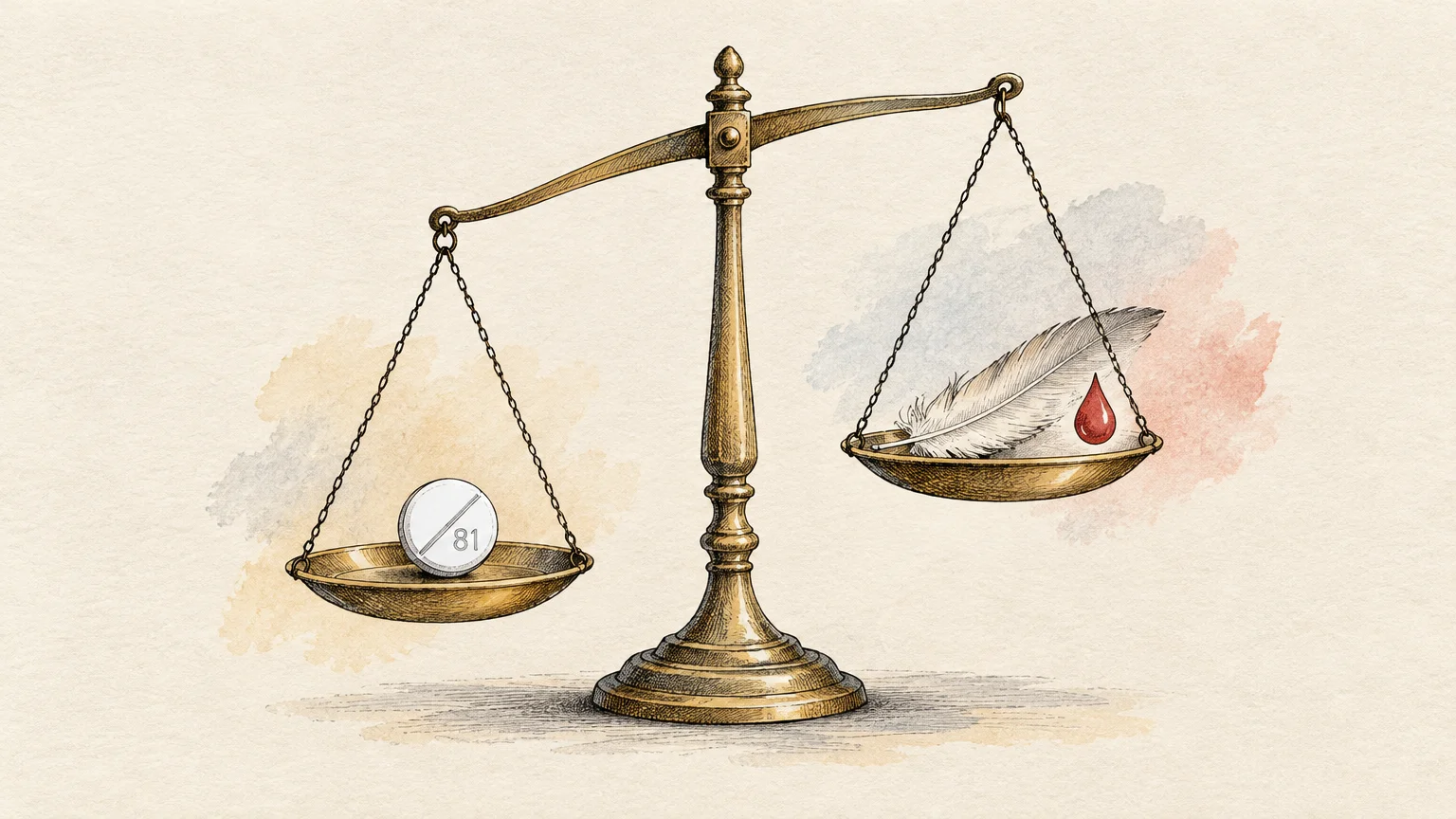
Rethinking Daily Aspirin After 50
Many adults believe that a daily low-dose baby aspirin prevents heart attacks, but medical consensus has shifted. The U.S. Preventive Services Task Force advises against initiating aspirin for primary prevention if you are age 60 or older.
For adults aged 40 to 59, starting aspirin requires an individualized decision based on a ten-year risk of at least 10 percent. Internal bleeding risks often exceed cardiac benefits unless you have an existing stent or prior heart attack.

When to Consult a Physician
Speak with a healthcare provider before starting a rigorous exercise routine, especially if you have been sedentary. A medical evaluation ensures your exercise intensity matches your current cardiovascular fitness safely.
Seek immediate emergency care if you experience sudden chest tightness, unexplained shortness of breath, dizziness, or jaw pain. Routine evaluations help you navigate medication adjustments and monitor chronic markers with professional oversight.
This educational guide provides practical wellness information and does not substitute for personalized clinical diagnosis or medical treatment. Always consult your doctor regarding specific symptoms or therapeutic plans.
Frequently Asked Questions
How often should I measure my blood pressure at home?
Measure your blood pressure twice weekly after sitting quietly for five uninterrupted minutes. Consistent home logs provide your clinician with a clearer picture than occasional office visits.
Can I reverse arterial stiffness after age 50?
While some structural aging occurs naturally, regular aerobic activity and sodium reduction significantly restore arterial compliance. Adopting healthier daily habits reduces vascular resistance and improves blood flow at any age.
Does walking count toward the 150-minute exercise goal?
Brisk walking absolutely counts toward your weekly 150-minute aerobic target. As long as your pace raises your heart rate and breathing rate, your cardiovascular system reaps profound protective benefits.
One Small Habit to Start This Week
Choose one modest adjustment today: schedule a ten-minute brisk walk immediately following your evening meal. This simple post-dinner stroll aids digestion, moderates blood sugar surges, and sets a sustainable foundation for lifelong cardiovascular vitality.