
Staying active and preserving daily vitality requires steady blood sugar. Protecting metabolic health secures your independence and cognitive sharpness for years to come.
Aging alters how your body processes glucose, but developing chronic metabolic disease is not inevitable. Simple lifestyle adjustments provide immediate defense against insulin resistance.
Taking practical steps today safeguards your heart, preserves energy, and keeps you moving freely. Straightforward daily habits significantly lower your risk of type 2 diabetes.
Why Blood Sugar Rises as We Age
As the body ages, muscle mass declines while abdominal fat often increases. This shift reduces insulin sensitivity, meaning cells struggle to pull glucose from your bloodstream efficiently.
Hormonal changes and cellular aging slow pancreatic insulin release. Consequently, blood sugar remains elevated longer after eating.
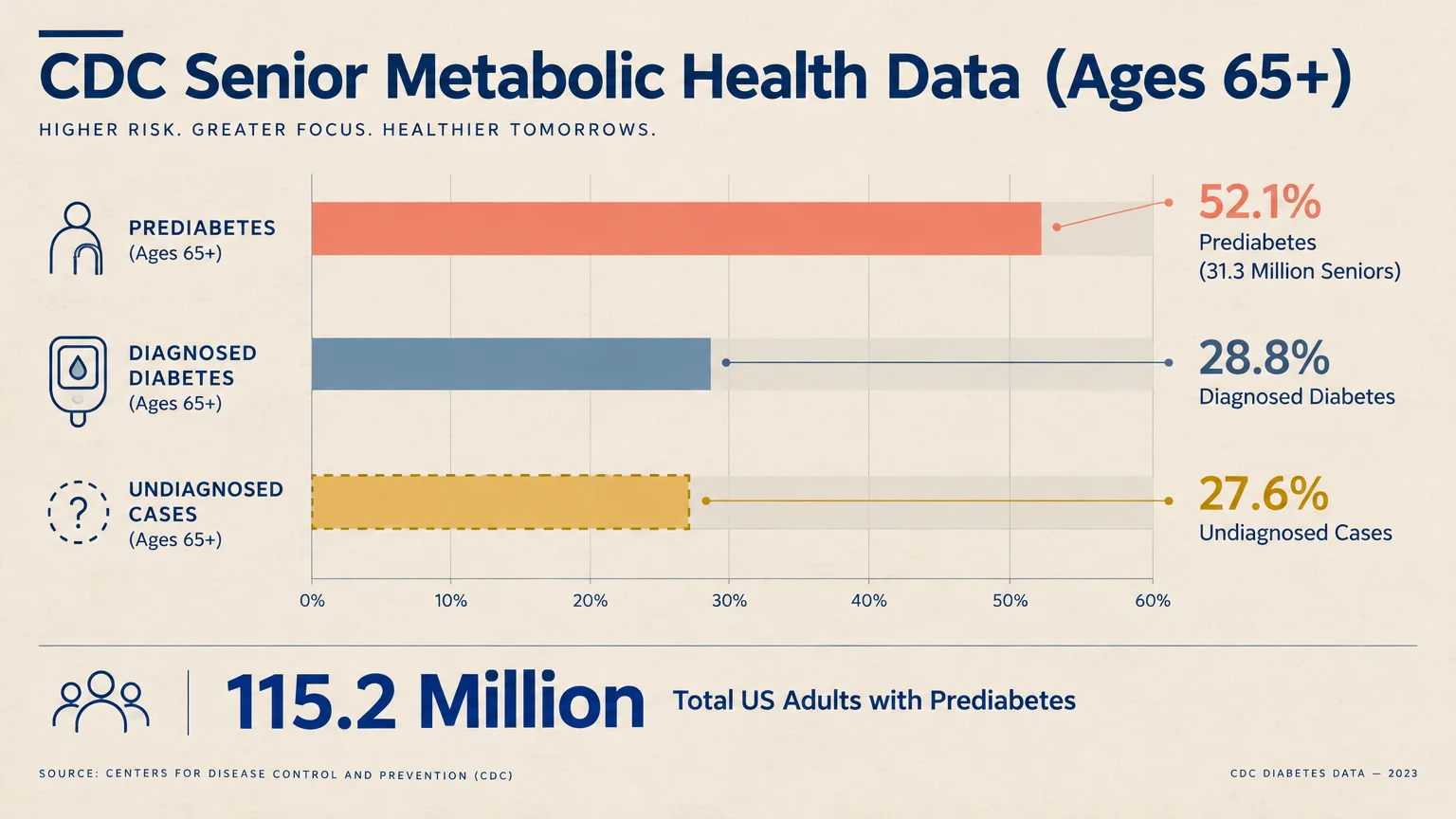
According to the Centers for Disease Control and Prevention, 52.1% of adults aged 65 and older—roughly 31.3 million seniors—have prediabetes.
Furthermore, 28.8% of Americans in this age bracket live with diabetes, yet roughly 27.6% remain completely undiagnosed.
Across all adult age groups, 115.2 million Americans live with prediabetes today. With 1.5 million new diabetes cases diagnosed annually, proactive prevention is essential for lifelong independence.

Knowing Your Diagnostic Numbers
Routine blood tests provide clear visibility into metabolic health before symptoms develop. Discussing specific diagnostic markers with your physician allows you to track progress over time.
Clinical guidelines from the American Diabetes Association define prediabetes as a Hemoglobin A1C level between 5.7% and 6.4%.
An A1C reading of 6.5% or higher on two separate tests indicates type 2 diabetes. Alternatively, fasting plasma glucose between 100 and 125 mg/dL identifies prediabetes.
Universal screening should begin at age 35 for all adults. If test results are normal, repeat screening at least every 3 years.
Adults with excess weight or family histories of diabetes may need earlier or more frequent evaluations. Monitoring these benchmarks removes guesswork from metabolic wellness.

The Proven Power of Lifestyle Interventions
Many assume metabolic health deteriorates irrevocably with age, but clinical data proves otherwise. The Diabetes Prevention Program demonstrated that lifestyle interventions decrease diabetes risk by 58% overall.
Notably, these structured lifestyle changes reduced risk by 71% in adults aged 60 and older. Older bodies remain remarkably responsive to positive physical adjustments.
The study established two core targets: losing 5% to 7% of starting body weight and exercising regularly. Reaching these targets produces profound improvements in insulin sensitivity.
For a 200-pound individual, a 5% weight reduction equates to losing just 10 pounds. Small adjustments yield massive dividends for long-term health.

Nutrition Habits to Stabilize Blood Glucose
Thoughtful dietary choices keep glucose levels steady throughout the day, preventing energy crashes. Focusing on food quality rather than deprivation creates sustainable, enjoyable eating patterns.
Prioritize Soluble and Insoluble Fiber
Fiber slows carbohydrate breakdown and moderates sugar absorption into your bloodstream. Incorporating beans, lentils, chia seeds, and oats keeps post-meal glucose spikes to a minimum.
Fill half your plate with non-starchy vegetables such as broccoli, spinach, and bell peppers. These foods supply critical micronutrients while providing fullness without elevating blood sugar.
Anchor Meals with Lean Protein and Healthy Fats
Dietary protein supports muscle retention, vital because skeletal muscle consumes most circulating glucose. Excellent options include skinless poultry, wild salmon, eggs, and Greek yogurt.
Complement protein with unsaturated fats from extra virgin olive oil, avocados, and walnuts. These nutrient-dense fats promote satiety and blunt inflammatory responses in blood vessels.
Minimize refined carbohydrates, sweetened beverages, and ultra-processed snacks that flood blood with simple sugars. Replacing sweetened tea or soda with water brings immediate metabolic benefits.
Safe and Effective Movement for Every Fitness Level
Physical activity functions like medicine by allowing muscle cells to absorb circulating glucose without extra insulin. Achieving at least 150 minutes of moderate-intensity activity weekly transforms metabolic health.
Cardiovascular Exercise for Circulation
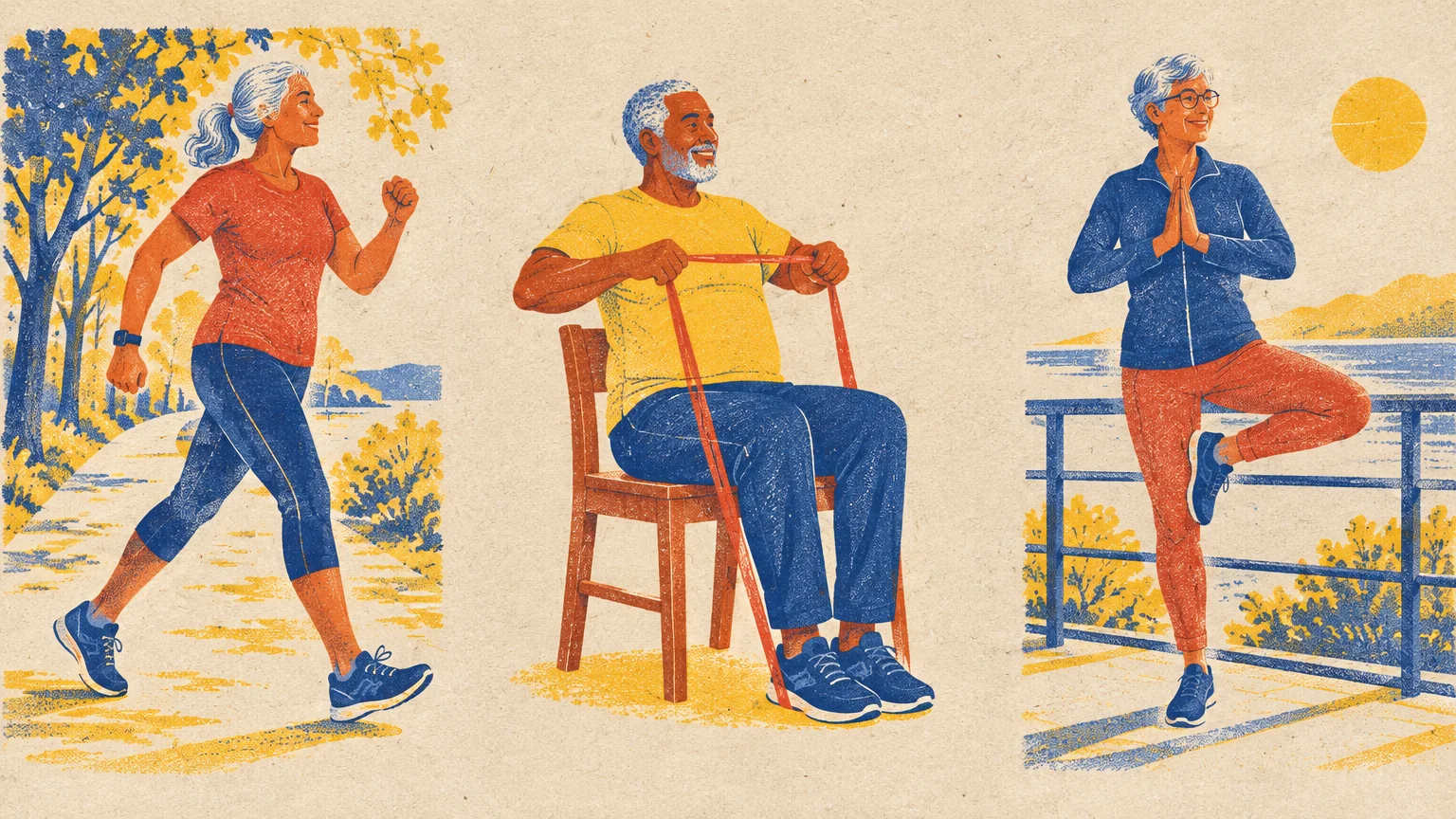
Brisk walking is one of the most potent tools for managing blood sugar. A 15-minute walk after meals helps muscles absorb glucose before it accumulates in blood.
If joint pain, osteoarthritis, or balance concerns limit walking, explore low-impact alternatives like swimming or stationary cycling. These activities strengthen your heart without stressing sensitive joints.
Strength Training to Build Metabolic Reserves
Resistance training preserves skeletal muscle tissue, which naturally declines with each passing decade. Incorporate strength exercises at least two days each week to maximize glucose disposal.
You do not need heavy weights; resistance bands, light dumbbells, or bodyweight exercises work well. Chair squats, wall push-ups, and calf raises build functional strength safely.

Utilizing Medicare Coverage for Diabetes Prevention
Accessing professional guidance does not have to strain your retirement budget. Under Medicare Part B, the Medicare Diabetes Prevention Program offers a 12-month intervention at zero out-of-pocket cost.
Eligible beneficiaries pay no deductible or coinsurance for this 22-session structured program. You receive ongoing coaching on healthy eating, stress management, and physical activity.
To qualify, you must have Medicare Part B coverage and a prediabetes lab result from the past 12 months. You must also have a body mass index of 25 or higher, or 23 for Asian adults.
According to regulations from the Centers for Medicare & Medicaid Services, programs can operate through virtual or asynchronous online formats. This update ensures transportation barriers will not prevent vital care.

When to Consult Your Healthcare Provider
Always consult your physician before starting an exercise regimen or changing your diet, especially with existing health conditions. Your doctor ensures your plan complements any medications you take.
Schedule an evaluation if you experience unusual fatigue, increased thirst, frequent nighttime urination, or unexplained weight loss. These symptoms warrant prompt blood testing to assess glucose levels accurately.
If you take blood pressure medications or experience dizzy spells, discuss balance safety to prevent falls during exercise. The guidance in this article serves educational purposes and never replaces personal medical advice.
Frequently Asked Questions
Can prediabetes be reversed in adults over 65?
Yes, clinical evidence shows older adults reverse prediabetes more effectively than younger individuals. Modest weight loss and regular movement quickly restore cellular insulin sensitivity.
Do I need to eliminate all carbohydrates to prevent diabetes?
No, you do not need to eliminate carbohydrates entirely. Shift focus toward high-fiber whole grains, legumes, and vegetables while limiting refined flours and added sugars.
How frequently should I have my blood sugar checked?
Adults aged 35 and older with normal results should receive screening every 3 years. If diagnosed with prediabetes, your doctor will likely monitor your levels annually.
How does sleep quality influence blood sugar control?
Poor sleep increases stress hormones like cortisol, triggering insulin resistance and elevating morning blood sugar. Research from the National Institutes of Health confirms that consistent sleep supports glucose regulation.
One Small Habit to Start This Week
Long-term lifestyle change succeeds through small, consistent actions rather than dramatic transformations. This week, commit to a 10-minute stroll immediately following your largest meal each day.
Moving right after eating prompts muscles to draw glucose directly from the bloodstream for fuel. This single habit builds sustainable momentum toward protecting your independence and lifelong wellness.