
A reliable digestive system protects your daily independence and gives you sustained energy to keep up with family activities. Simple, intentional adjustments to your daily routine can dramatically improve your comfort and vitality.
As you move past age 50, shifts in muscle tone, medication use, and fluid balance can slow down your digestion. Understanding these changes helps you target the root causes of sluggishness.
This guide outlines clear, research-backed nutritional habits and lifestyle strategies to keep your digestion smooth, predictable, and strong.
Why Digestion Changes as You Age
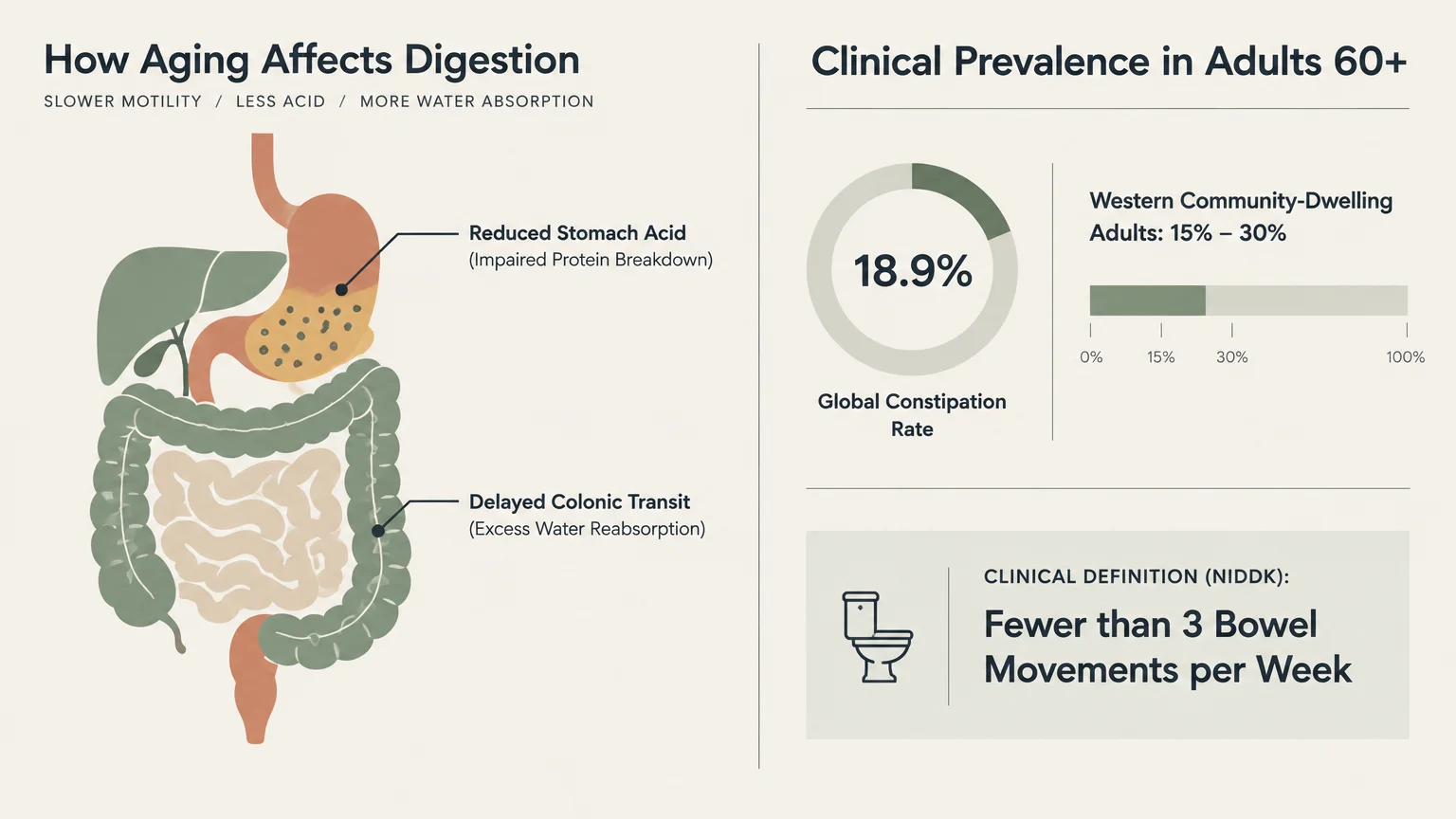
Natural physiological shifts alter how your gastrointestinal tract moves food through your body. The smooth muscles lining your colon contract more slowly, which delays waste elimination and extracts excess water from stool.
According to a global systematic review, the overall prevalence of constipation in adults aged 60 and older reaches 18.9 percent. In Western countries, clinical estimates show that 15 to 30 percent of community-dwelling older adults experience routine digestive delays.
The National Institute of Diabetes and Digestive and Kidney Diseases defines constipation as having fewer than three bowel movements per week. This condition often presents with hard, dry stools and uncomfortable straining during elimination.
Stomach acid production also declines over time, which impairs your ability to break down proteins and absorb vital micronutrients. Recognizing these biological realities allows you to support your gastrointestinal tract proactively rather than reacting to discomfort later.
Bridge the Fiber Gap with Whole Foods
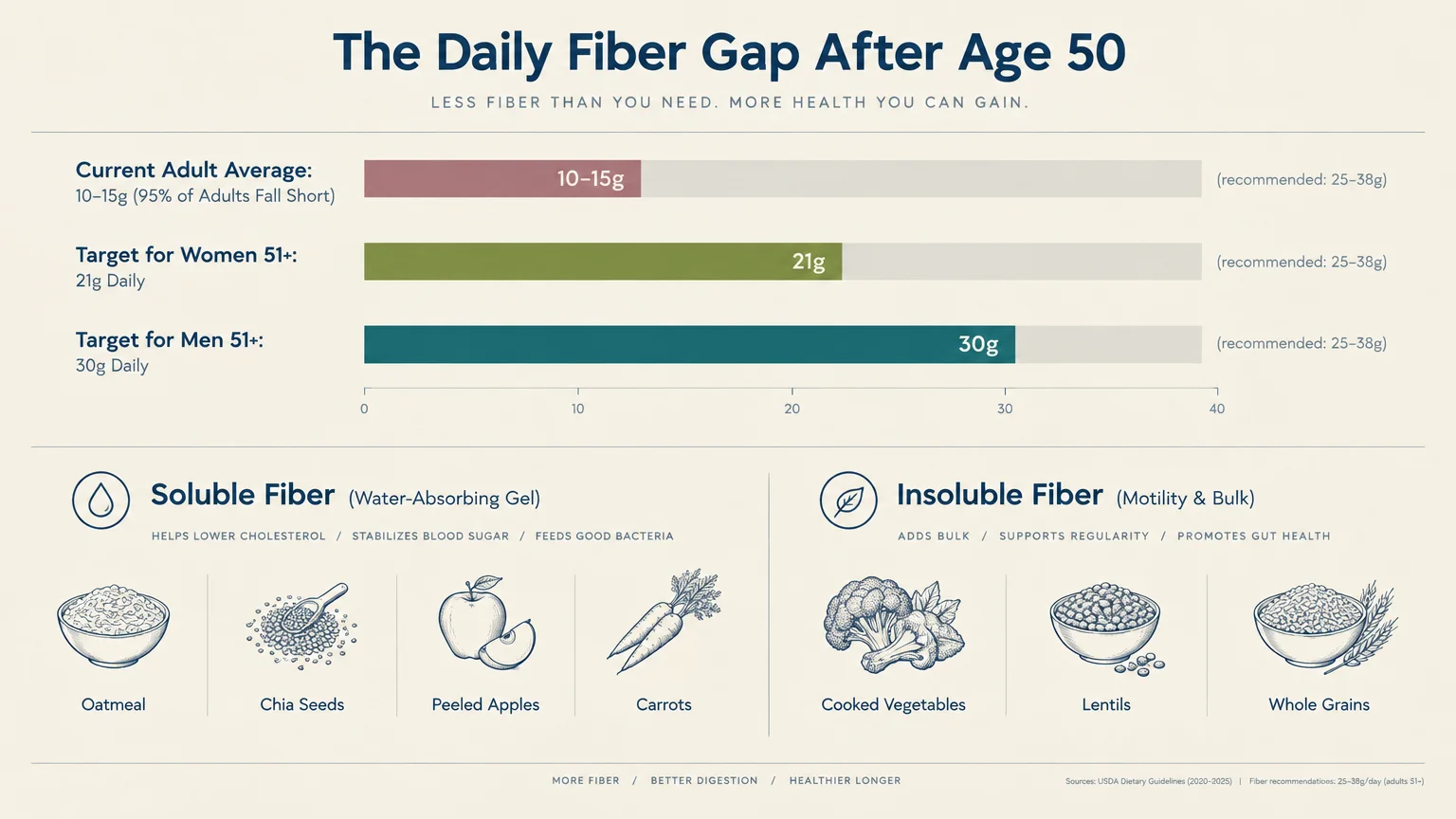
Fiber serves as the structural foundation for healthy stool formation and consistent bowel motility. Yet, national data reveals that approximately 95 percent of American adults fail to consume recommended amounts, averaging only 10 to 15 grams daily.
Caloric requirements naturally drop after age 50, which leads to adjusted nutritional targets. The National Academies of Sciences recommends that women aged 51 and older consume 21 grams of fiber daily, while men should target 30 grams.
Federal recommendations in the Dietary Guidelines for Americans highlight dietary fiber as an essential nutrient for cultivating a diverse, resilient gut microbiome. Meeting these targets prevents stool from becoming compacted within the lower digestive tract.
Soluble fiber absorbs water to form a soothing gel that eases transit through the colon. Oatmeal, chia seeds, peeled apples, and carrots supply generous amounts of soluble fiber without irritating sensitive digestive linings.
Insoluble fiber provides physical bulk that triggers intestinal contractions. Incorporating cooked vegetables, lentils, and whole grains ensures steady stool movement through your system.
Cultivate Microbiome Diversity with Fermented Foods
The trillion-cell ecosystem of bacteria in your intestines requires regular replenishment to maintain its metabolic vigor. A diverse microbiome strengthens the intestinal barrier and regulates the chemical signals that prompt regular bowel movements.
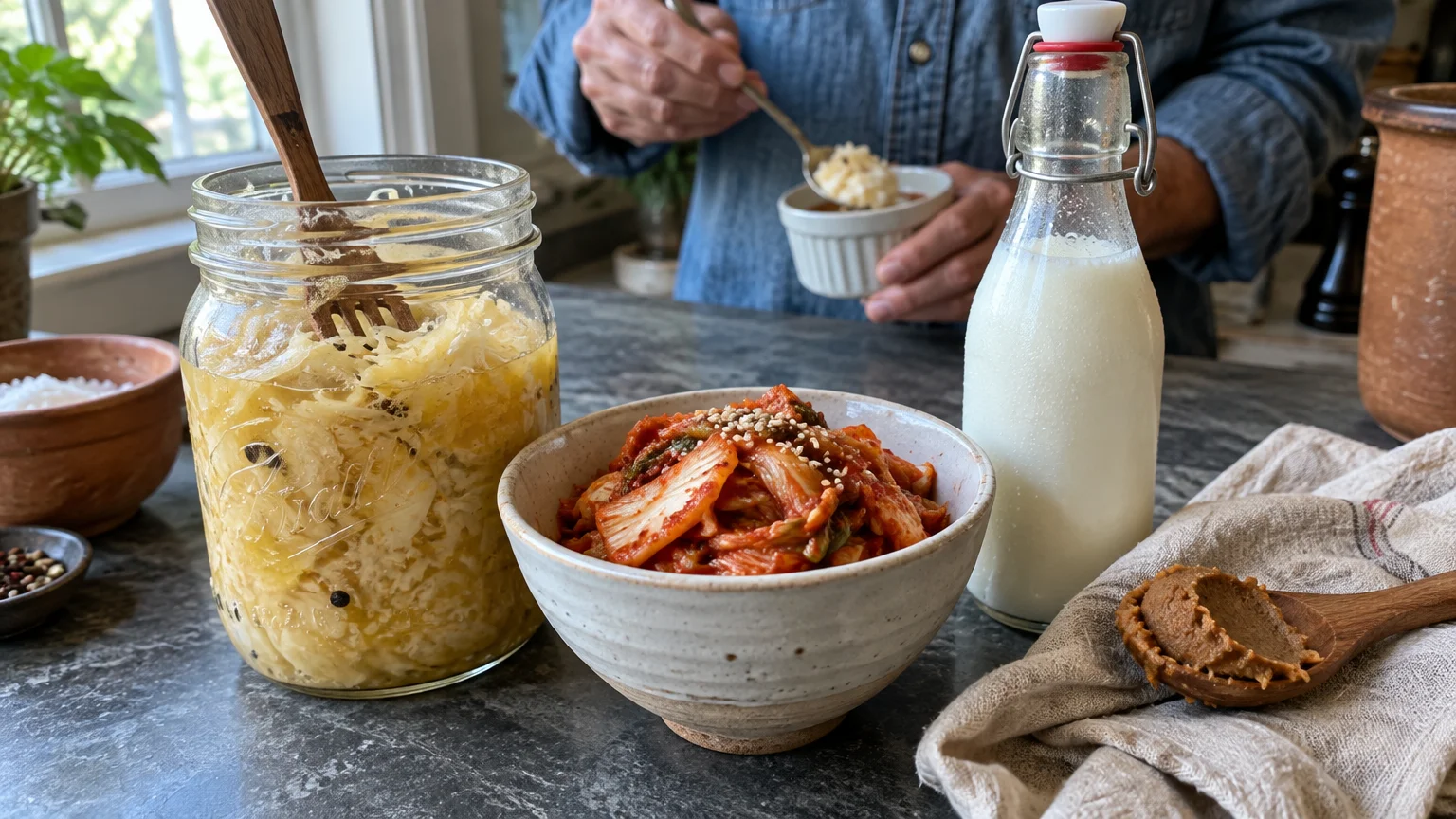
Fermented foods introduce beneficial live cultures directly into your digestive tract. Enjoying modest servings of plain kefir, unsweetened yogurt, traditional sauerkraut, kimchi, or miso soup nourishes these internal bacterial colonies.
Start with just one or two tablespoons of fermented foods each day to allow your gut environment to adjust. Rapid additions can produce temporary gas, so gentle pacing yields the best long-term tolerance.
Simultaneously, limit heavily processed convenience foods that contain artificial emulsifiers and high levels of refined sugar. These additives destabilize beneficial microbes and foster low-grade inflammation along your intestinal wall.
Hydration and Movement: The Natural Accelerators
Dietary fiber requires adequate fluids to function properly; otherwise, fiber can worsen constipation instead of relieving it. Because your body’s innate thirst sensation diminishes with age, you cannot rely solely on feeling thirsty.
Drink water consistently throughout the day, aiming for pale, straw-colored urine as your visual guide. Warm liquids, such as herbal teas or warm lemon water in the morning, naturally stimulate the gastrocolic reflex that promotes bowel activity.
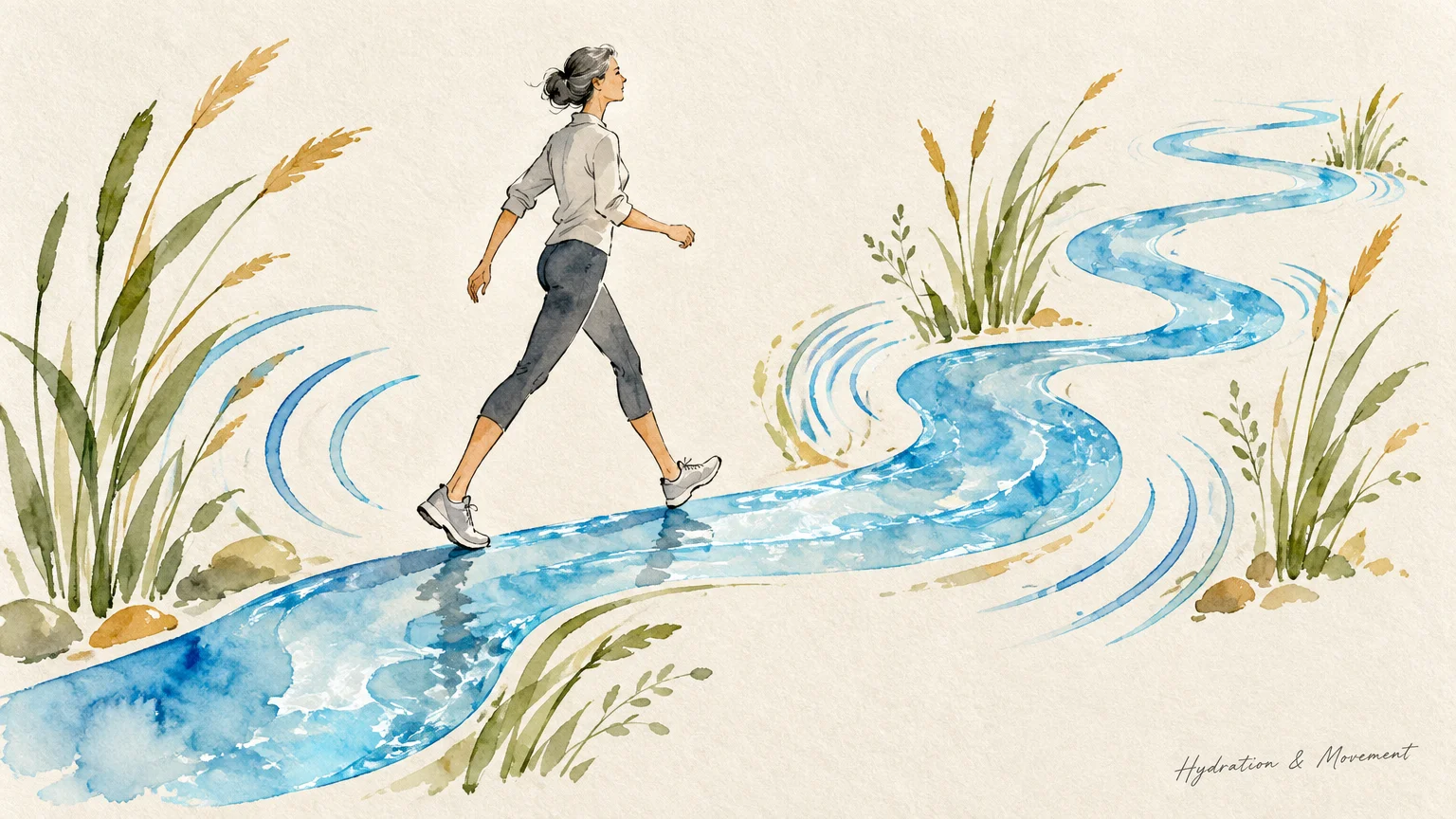
Physical activity directly stimulates the neuromuscular signals that contract your intestinal walls. When you sit for prolonged periods, digestive transit slows down significantly.
A brisk twenty-minute walk after meals mechanically assists digestion and stabilizes post-meal blood sugar levels. Even low-impact chair exercises, gentle stretching, or swimming provide sufficient muscular movement to prevent intestinal stagnation.

Review Common Medication Interactions
Routine prescription and over-the-counter medications represent one of the most overlooked contributors to digestive slowing in older adults. Many common drug classes directly interfere with normal gut motility.
Blood pressure medications, anticholinergic drugs, certain antidepressants, and over-the-counter calcium or iron supplements frequently cause persistent constipation. Opioid pain medications severely paralyze bowel contractions by binding to specialized receptors within the gut wall.
Never discontinue prescribed medications on your own without professional oversight. Instead, consult your prescribing physician or pharmacist to discuss whether dosage adjustments, alternative formulations, or supportive stool softeners could restore regular digestion.

When to Consult a Healthcare Provider
While occasional sluggishness responds well to lifestyle adjustments, certain gastrointestinal symptoms demand prompt medical evaluation. Do not ignore sudden, unexplained changes in your regular bowel patterns that persist for more than two weeks.
Schedule an immediate appointment if you notice rectal bleeding, black tarry stools, persistent abdominal pain, unexplained weight loss, or persistent nausea. These warning signs require specialized clinical investigation to rule out underlying structural conditions.
Preventive screening remains essential for maintaining long-term colorectal health. The U.S. Preventive Services Task Force recommends regular colorectal cancer screening for all adults aged 45 through 75.
Standard screening options include a routine colonoscopy every 10 years, a multi-target stool DNA test every 1 to 3 years, or an annual fecal immunochemical test. Discuss with your primary care provider which screening schedule best matches your personal health history.
Frequently Asked Questions
Should I take an over-the-counter probiotic supplement?
While commercial supplements offer concentrated bacterial strains, whole fermented foods generally provide a broader spectrum of beneficial organisms alongside valuable nutrients. Consult your doctor before starting probiotic supplements, especially if you have a compromised immune system.
Can walking right after a meal cause digestive cramping?
Strenuous exercise right after eating diverts blood flow away from the gut, but light walking accomplishes the exact opposite. A casual, gentle stroll supports gastric emptying and prevents uncomfortable bloating without causing muscle cramps.
How quickly should I increase my daily fiber intake?
You should increase your fiber intake gradually over three to four weeks while steadily increasing your water consumption. Adding fiber too quickly can cause abdominal bloating, cramping, and excessive flatulence.
Why does dairy cause digestive issues as I get older?
Your small intestine naturally produces less lactase enzyme as you age, making it harder to digest lactose sugars found in milk. Switching to fermented dairy products like kefir or aged cheeses often eliminates discomfort because their lactose is already partially digested.
Your Action Step for This Week
Lasting digestive wellness develops through small, sustainable routines rather than radical overhauls. Pick one practical adjustment today to give your digestive system predictable, daily support.
Begin this week by drinking a large glass of warm water each morning before breakfast, followed by a crisp ten-minute morning walk. This single, gentle habit rehydrates your digestive tract and jumpstarts your natural intestinal rhythm for the day ahead.