You deserve to stay active, independent, and confident as you age. Protecting your skeletal foundation ensures you can hike with grandchildren, travel freely, and move comfortably through daily routines.
Menopause triggers a hormonal decline that accelerates skeletal thinning. Understanding this shift empowers you to take decisive action to protect your frame.
This guide explains how hormonal transitions impact bones, providing proven nutritional strategies, safe resistance training methods, and updated screening standards to safeguard your physical freedom.
Estrogen and Bones: The Biological Shift
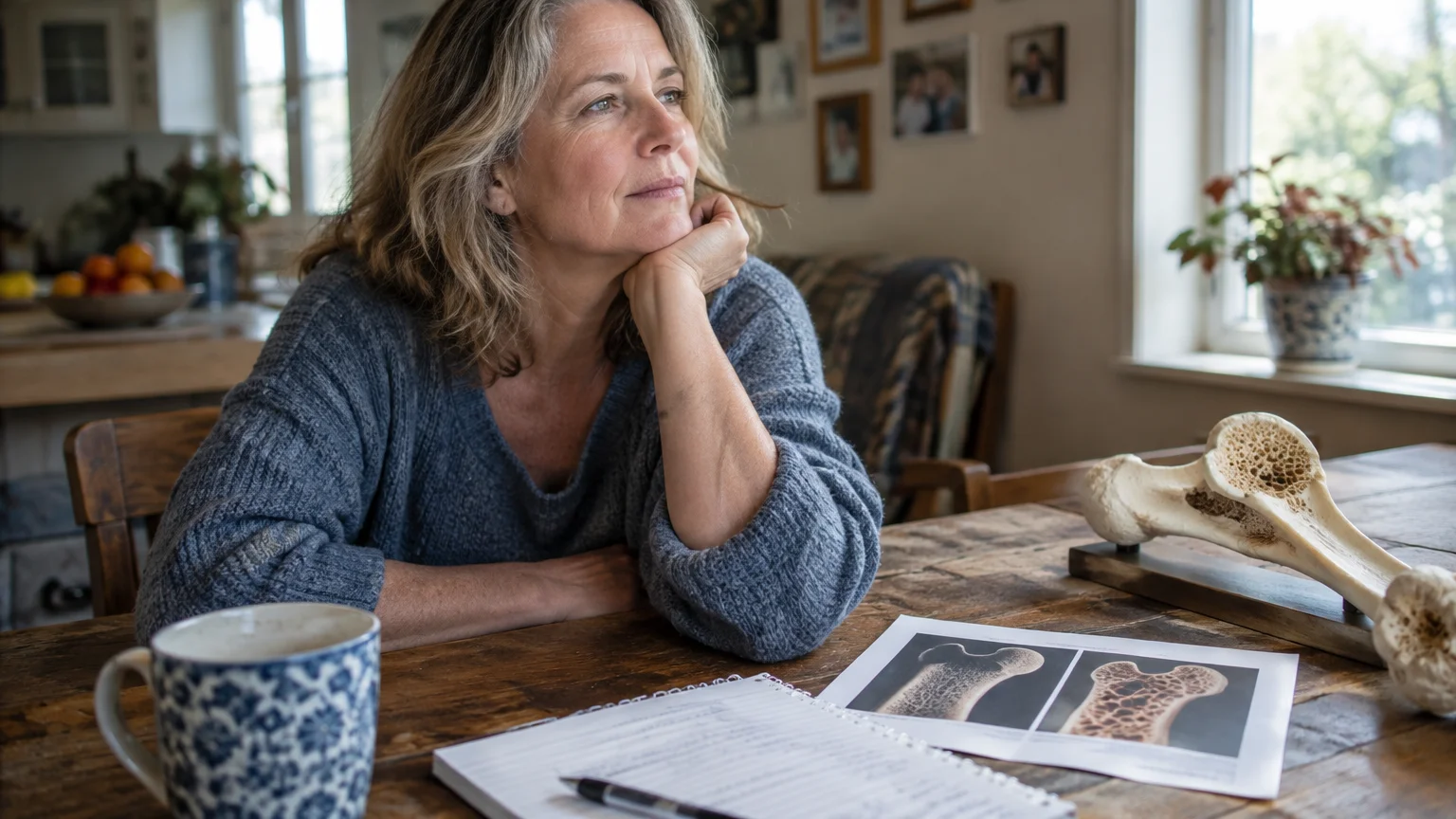
Your skeletal system remodels continuously throughout life. Specialized cells dissolve older tissue while others deposit fresh minerals to sustain bone strength.
Circulating estrogen acts as a master regulator, restraining cells that break down bone. When hormone levels decline during midlife, bone resorption outpaces bone formation.
According to the Endocrine Society, declining estrogen causes women to lose up to 20% of their bone density during menopause, typically within five to seven years after their final cycle.
After this transition, bone mineral density drops by roughly 1% per year, driving persistent menopause bone loss and higher fracture risks.
The Bone Health and Osteoporosis Foundation notes that low bone mass affects 54 million Americans. The Menopause Society estimates that 263 million people worldwide will experience osteoporosis by 2030, with 154 million cases occurring in women.

Why Bone Density Dictates Long-Term Independence
Maintaining dense bones preserves physical autonomy as you age, preventing sudden fractures that disrupt an active lifestyle.
Approximately 1 in 2 postmenopausal women over age 50 will experience an osteoporosis-related fracture, most frequently striking the spine, wrists, or hips.
A hip fracture carries serious consequences for long-term mobility; research shows that 1 in 2 patients who suffer a hip fracture never regain their previous independence.
Furthermore, roughly 20% of individuals die within one year following a hip fracture. Protecting structural strength directly preserves longevity.
A study published in Menopause found that severely low femoral bone density correlates with up to a 47% increased risk of overall mortality. Prioritizing skeletal health safeguards vitality.
Nutritional Foundations to Slow Menopause Bone Loss
Calcium and Vitamin D Targets
You must provide your body with structural materials to repair bone. The digestive tract absorbs calcium less efficiently as hormone levels fall.
The National Institutes of Health recommends that women aged 51 and older consume 1,200 mg of calcium daily, up from the 1,000 mg advised for younger adults.
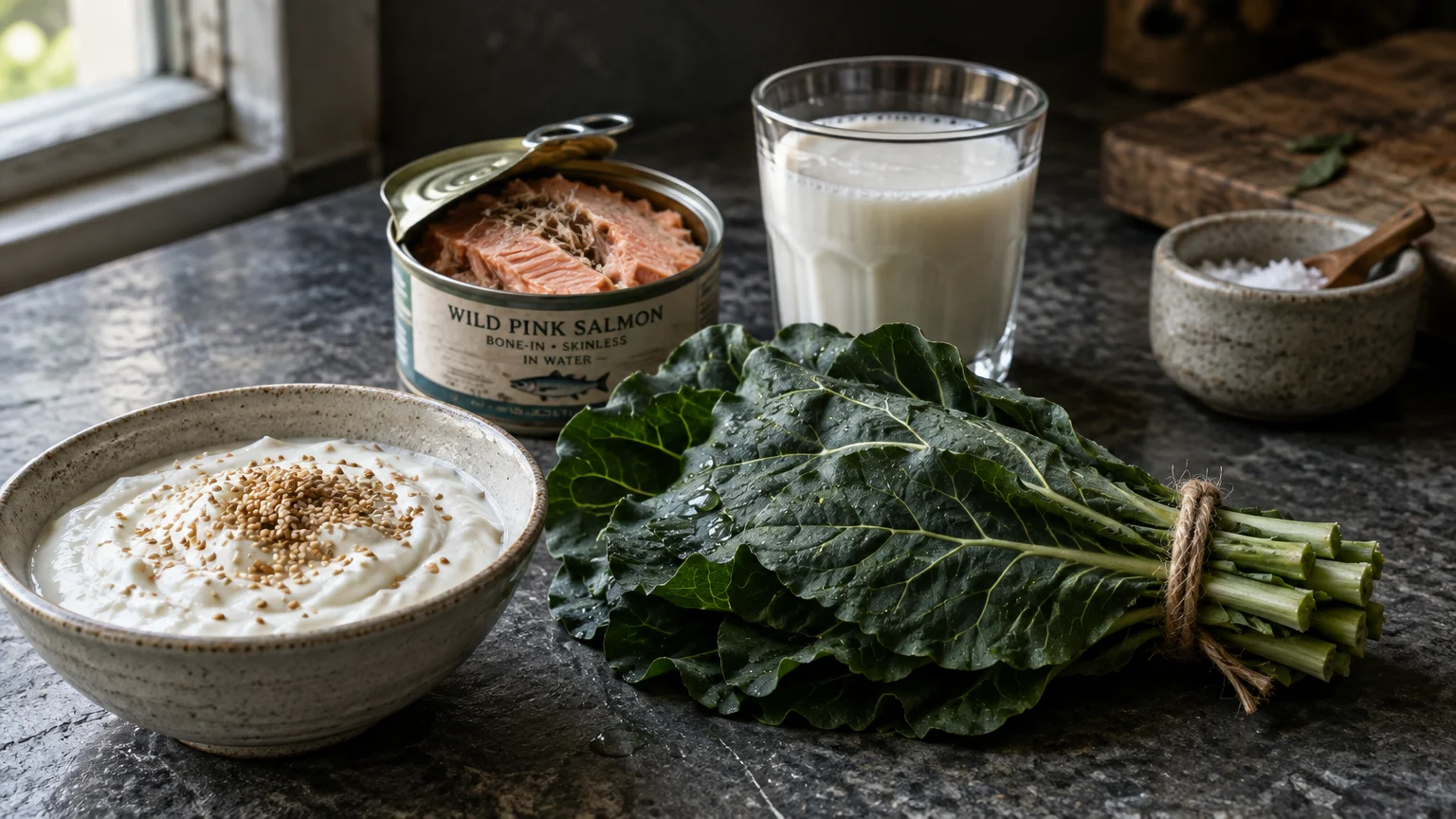
Focus on nutrient-dense sources like plain Greek yogurt, canned salmon with bones, fortified plant milks, and collard greens. Spreading intake across meals boosts mineral absorption.
Vitamin D works alongside calcium by enabling intestinal absorption. Without adequate vitamin D, your body extracts calcium directly from your skeleton.
The NIH recommends 600 IU of vitamin D daily up to age 70, increasing to 800 IU daily thereafter. Ask your doctor for a routine 25-hydroxy vitamin D blood test.
Smart Supplementation Practices
If dietary sources fall short, a targeted calcium supplement bridges the difference. Your body absorbs calcium most efficiently in doses of 500 mg or less.
Take calcium carbonate with meals to aid absorption; calcium citrate works with or without food. Consult your pharmacist to ensure supplements do not interfere with other medications.

Targeted Movement: Building Strength at Any Fitness Level
Weight-Bearing and Impact Activities
Bones adapt dynamically when subjected to physical stress. Working against gravity stimulates specialized cells to reinforce bone architecture.
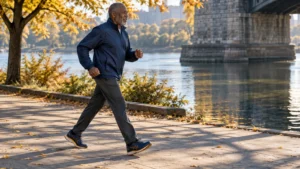
Brisk walking, stair climbing, and low-impact dance deliver effective stimulation without excessive joint stress. Aim for at least 30 minutes of weight-bearing movement most days.
Progressive Resistance Training
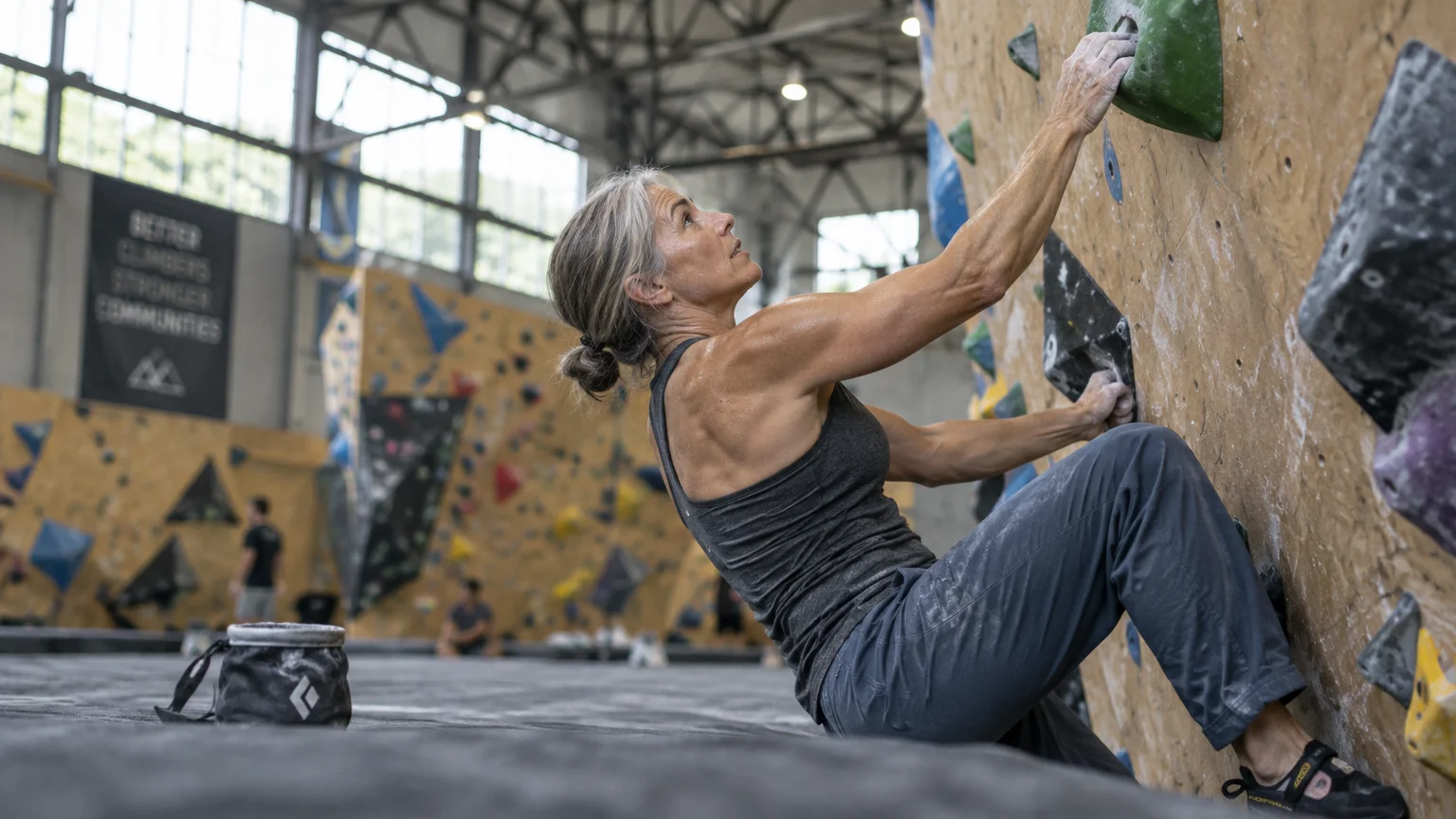
Lifting weights places mechanical tension across tendons and skeletal structures. Schedule two to three resistance workouts each week targeting all major muscle groups.
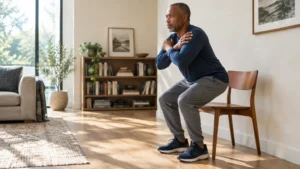
Begin with foundational movements like wall push-ups, chair squats, and resistance band rows. Gradually increase resistance or repetitions over time to stimulate bone remodeling safely.
Balance and Fall Prevention
Fall prevention represents half the battle in managing osteoporosis women face today. Sharpening neuromuscular stability prevents high-impact falls that cause fractures.
Practice single-leg balances beside a counter, walk heel-to-toe across a room, or enroll in a community tai chi class. Consistent balance exercises build everyday stability and confidence.
Medical Support and Modern Hormone Therapy
Menopausal Hormone Therapy
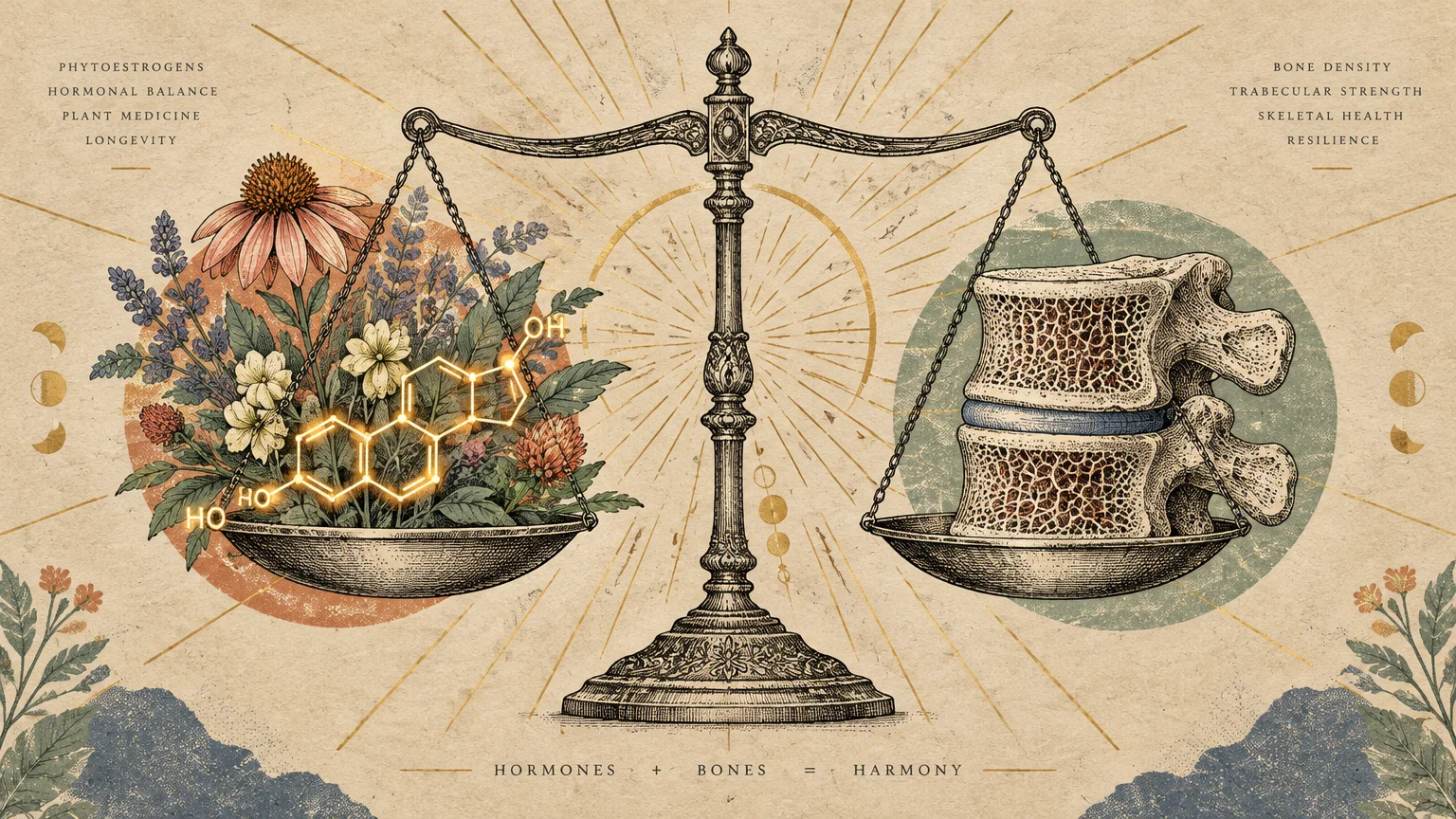
Lifestyle adjustments provide essential support, but some women require medical interventions to halt severe mineral depletion. Restoring hormone balance preserves skeletal structure during early postmenopause.
A 2026 study presented at the Endocrine Society’s annual meeting showed that women using menopausal hormone therapy had a 69% lower risk of low bone mineral density in the lumbar spine and hip.
Discuss your medical history with your physician to evaluate whether hormone therapy aligns with your cardiovascular and overall health profile.
Prescription Bone Medications
If screening reveals significant osteoporosis, your doctor may prescribe medications to rebuild density. Bisphosphonates slow bone breakdown, while newer anabolic agents stimulate fresh bone formation.
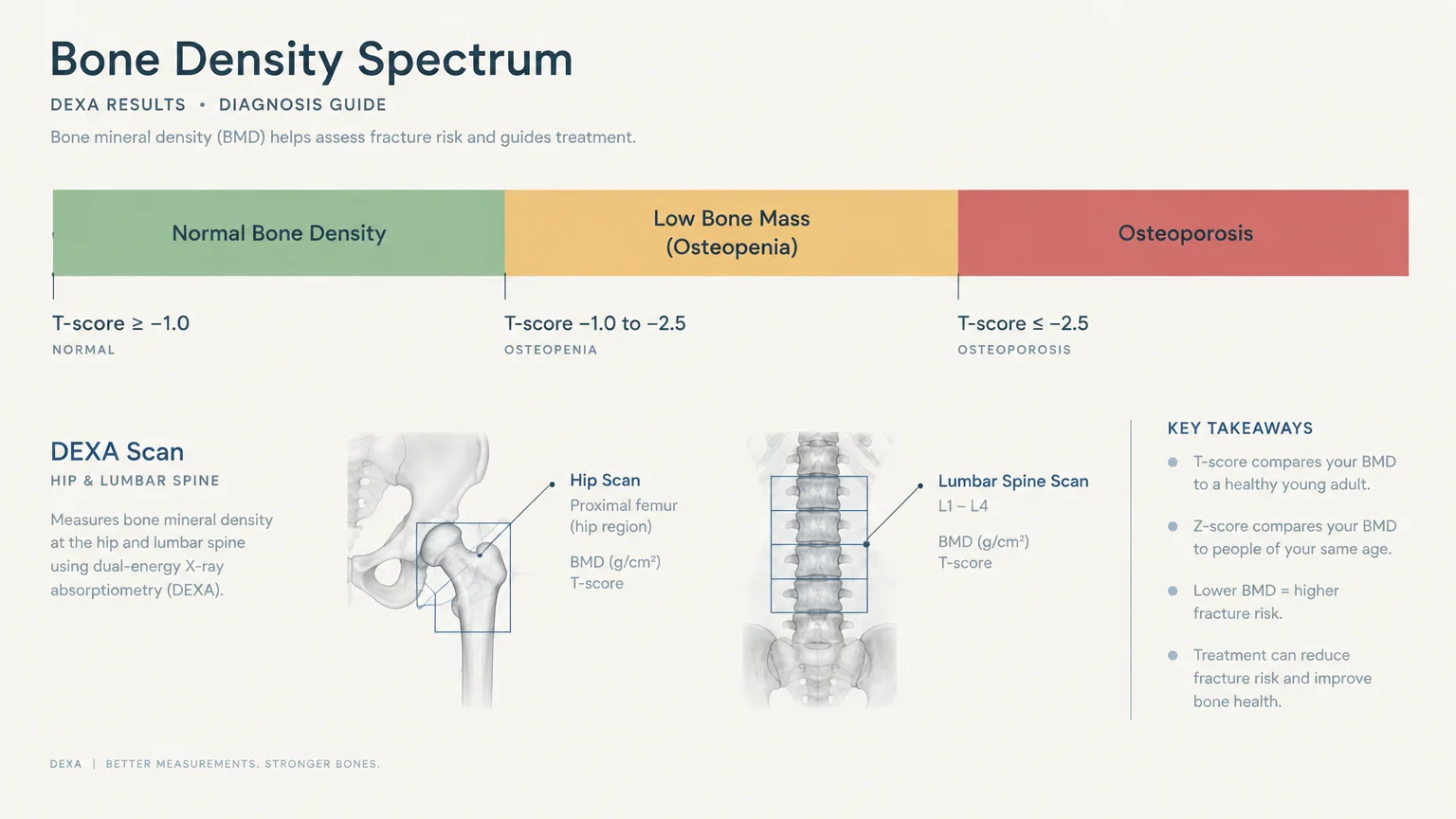
Your physician will tailor medication choices to your specific T-scores, medical tolerance, and fracture history.
Updated Bone Density Screening Guidelines
Because bone loss advances without physical symptoms, regular diagnostic screening is vital. A dual-energy X-ray absorptiometry (DXA) scan provides a painless, quick measurement of central bone density.
In January 2025, the U.S. Preventive Services Task Force finalized updated recommendations for bone screening. They advise routine central DXA scans for all women aged 65 and older.
The task force also recommends screening for postmenopausal women under 65 who carry clinical fracture risks, including parental hip fracture, low body weight, smoking, and previous fractures.
When to Consult Your Doctor
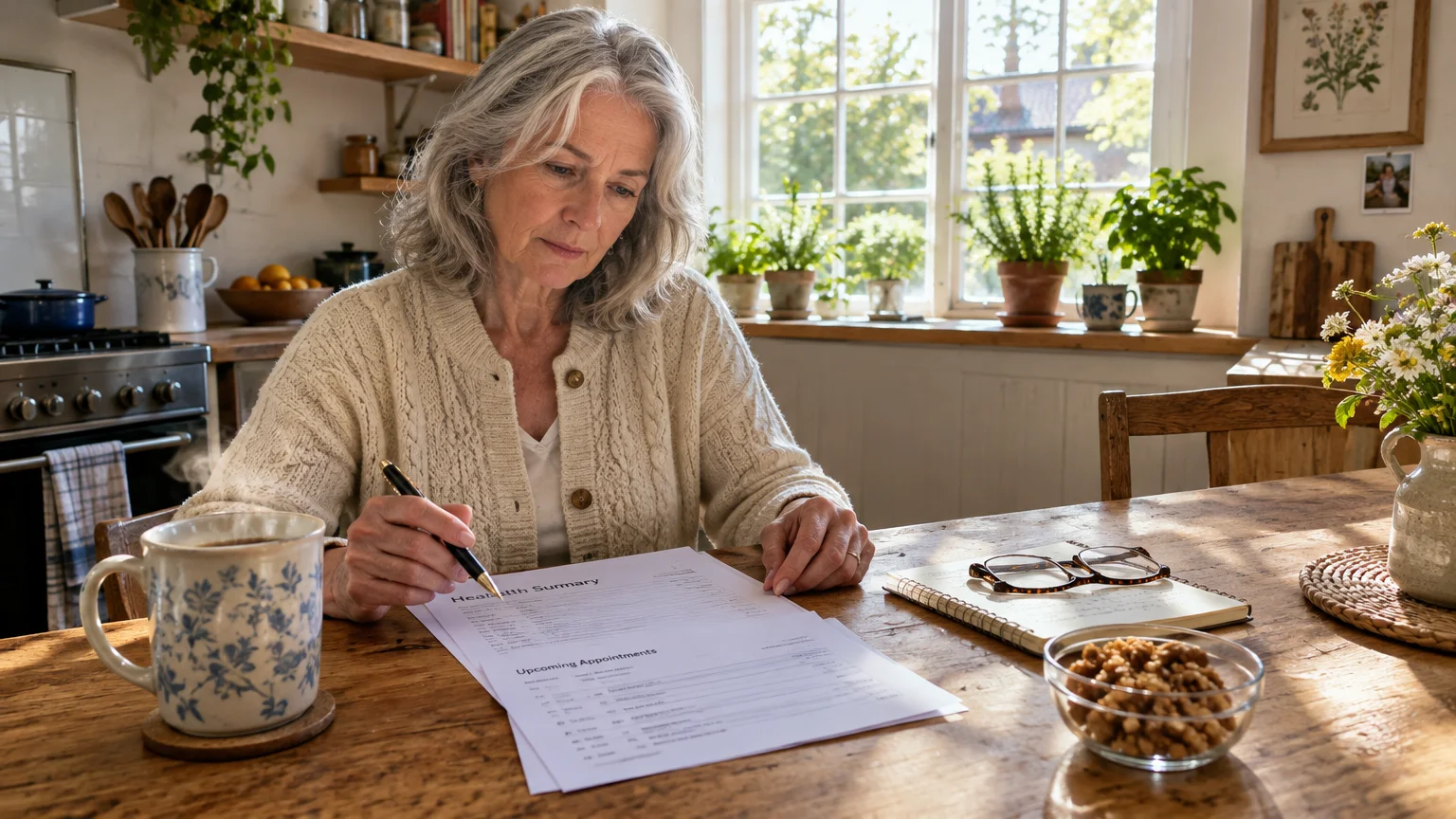
Contact your healthcare provider immediately if you experience sudden back pain, which can signal a spinal compression fracture. Schedule an appointment if you notice gradual height loss or posture changes.
Always consult your physician before initiating a new resistance training regimen, especially with balance concerns. This guide offers health education and does not replace professional medical diagnosis.
Frequently Asked Questions About Menopause and Bone Health
Can you rebuild bone density after menopause?
While you cannot completely restore youthful skeletal architecture naturally, you can slow loss and rebuild bone mass. Progressive resistance training, adequate nutrition, and prescribed therapies work together to strengthen bones.
Does walking alone prevent osteoporosis?
Walking supports cardiovascular wellness and leg endurance, but does not stress your upper body or spine sufficiently. Adding resistance training provides the mechanical tension necessary to stimulate comprehensive bone growth.
How often should you schedule a DXA scan?
Most physicians recommend a repeat scan every two years to evaluate bone changes and treatment progress. Women with normal bone mass and low fracture risks may safely wait longer between tests.
One Habit to Start This Week
Evaluate your daily calcium intake from meals and snacks this week. Add one calcium-rich food item—such as a serving of Greek yogurt or fortified plant milk—to your daily routine.
Combine this dietary adjustment with two minutes of balance practice while waiting for morning coffee to brew. Consistent daily habits build durable skeletal strength and safeguard your independent future.