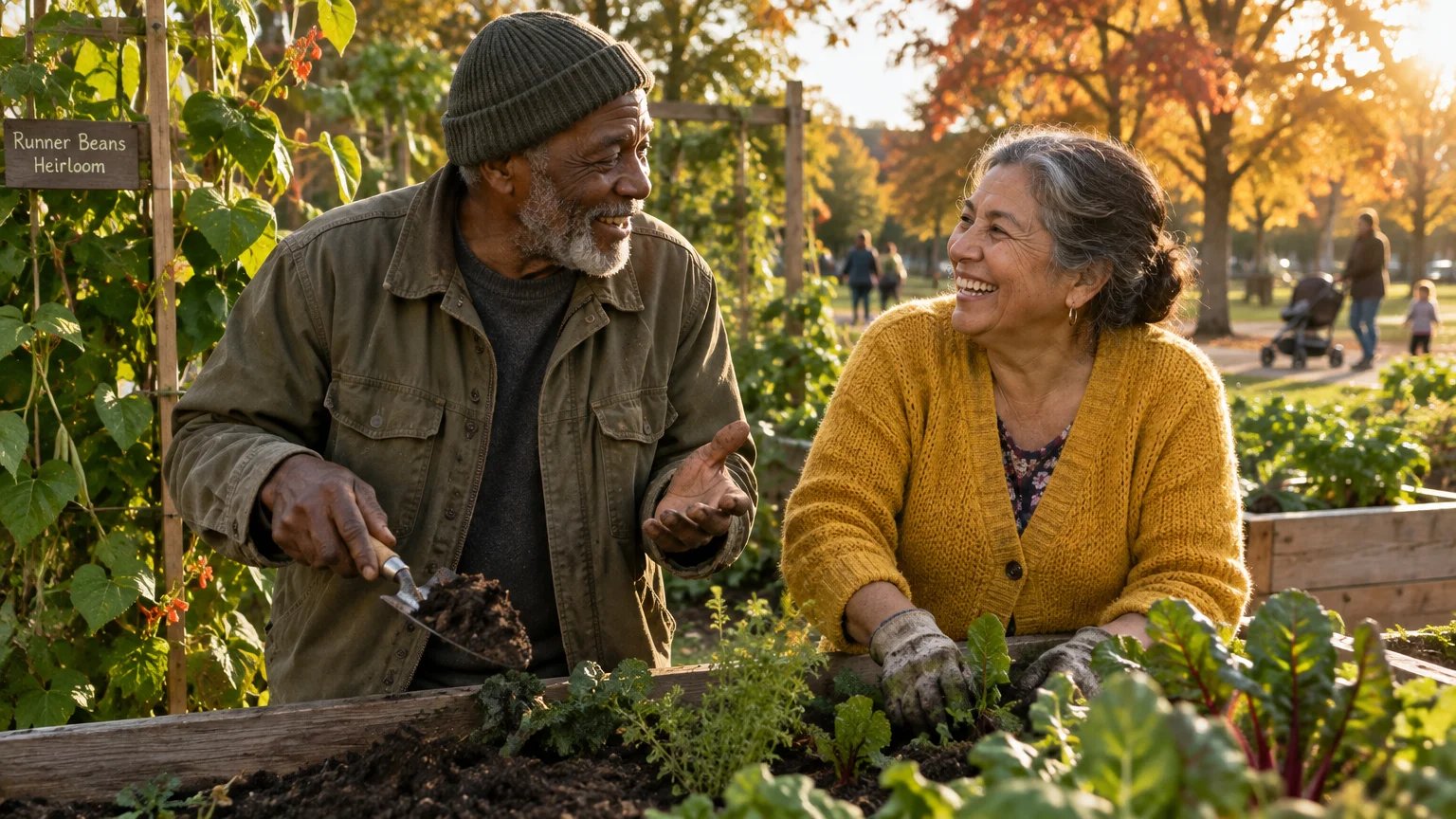
Staying socially active preserves your independence, sharpens your memory, and gives you steady daily energy. Meaningful connections protect your physical vitality just as effectively as regular exercise and balanced nutrition.
Social bonds lower systemic inflammation and defend your cardiovascular system against chronic strain. Maintaining these relationships directly influences how well you move, think, and enjoy life alongside family and friends.
This guide examines how human connection shields your body and mind as years advance. You will discover practical ways to cultivate genuine ties, navigate physical barriers, and sustain vitality at every stage of life.
The Biological Impact of Social Connection
Socializing offers measurable biological protection, functioning like a shield against chronic illness and cellular decay. When you converse with friends, your body dampens stress hormones like cortisol and calms chronic inflammation.
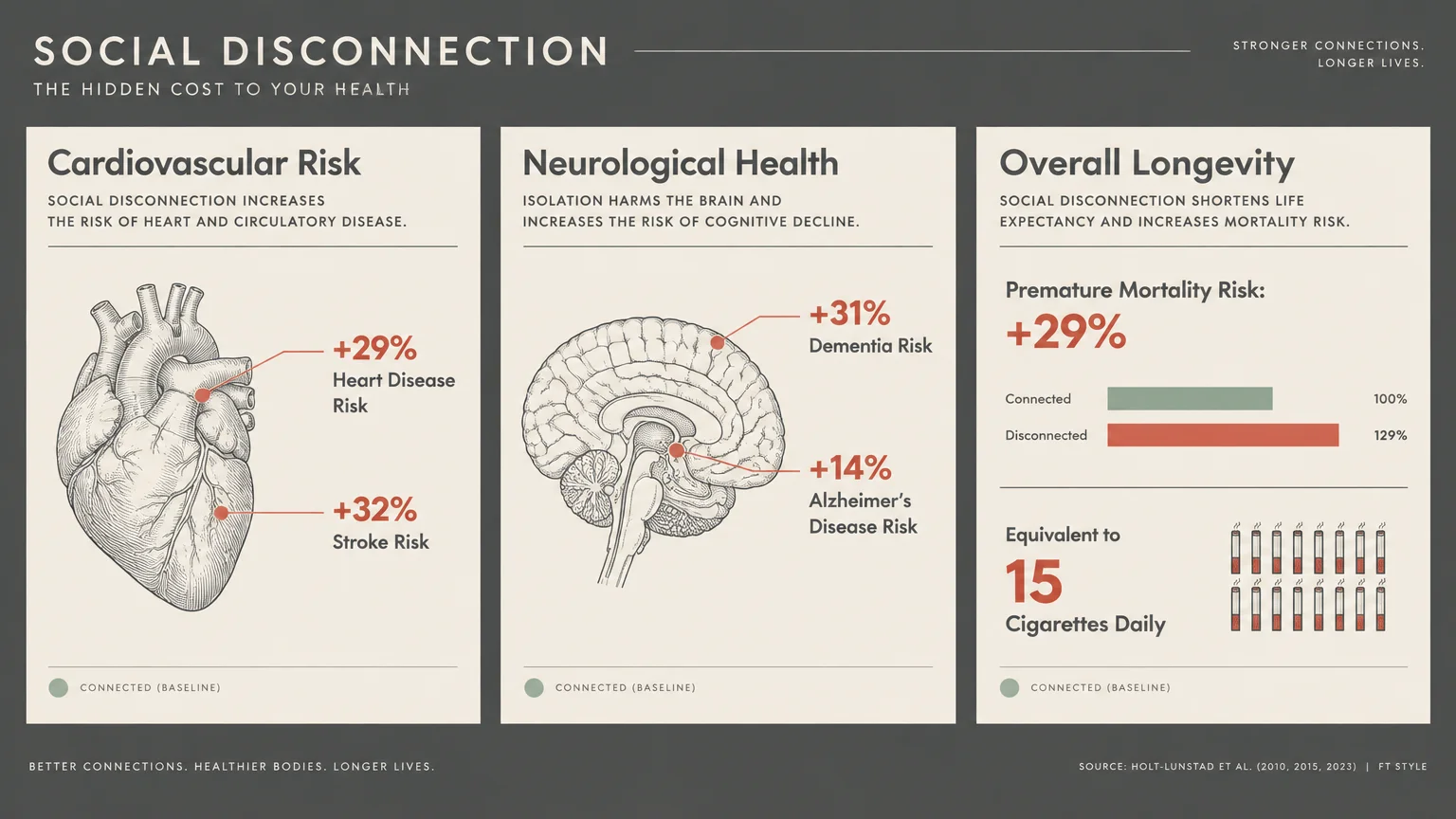
According to findings highlighted by the Centers for Disease Control and Prevention, poor social ties increase heart disease risk by 29% and stroke risk by 32%. Isolated individuals face a 29% higher risk of premature death.
The U.S. Surgeon General noted this health hazard rivals smoking up to 15 cigarettes daily. Among heart failure patients, loneliness creates a nearly four times greater risk of death and raises emergency visits by 57%.
Human interaction also strengthens neurological function. Engaging in conversation forces your brain to process verbal cues, retrieve memories, and regulate emotional responses in real time.
A major meta-analysis supported by the National Institute on Aging revealed that feeling lonely increases dementia risk by 31%. The data linked loneliness to a 14% higher risk of Alzheimer’s disease and a 17% higher risk of vascular dementia.
Why Social Circles Shift in Later Decades
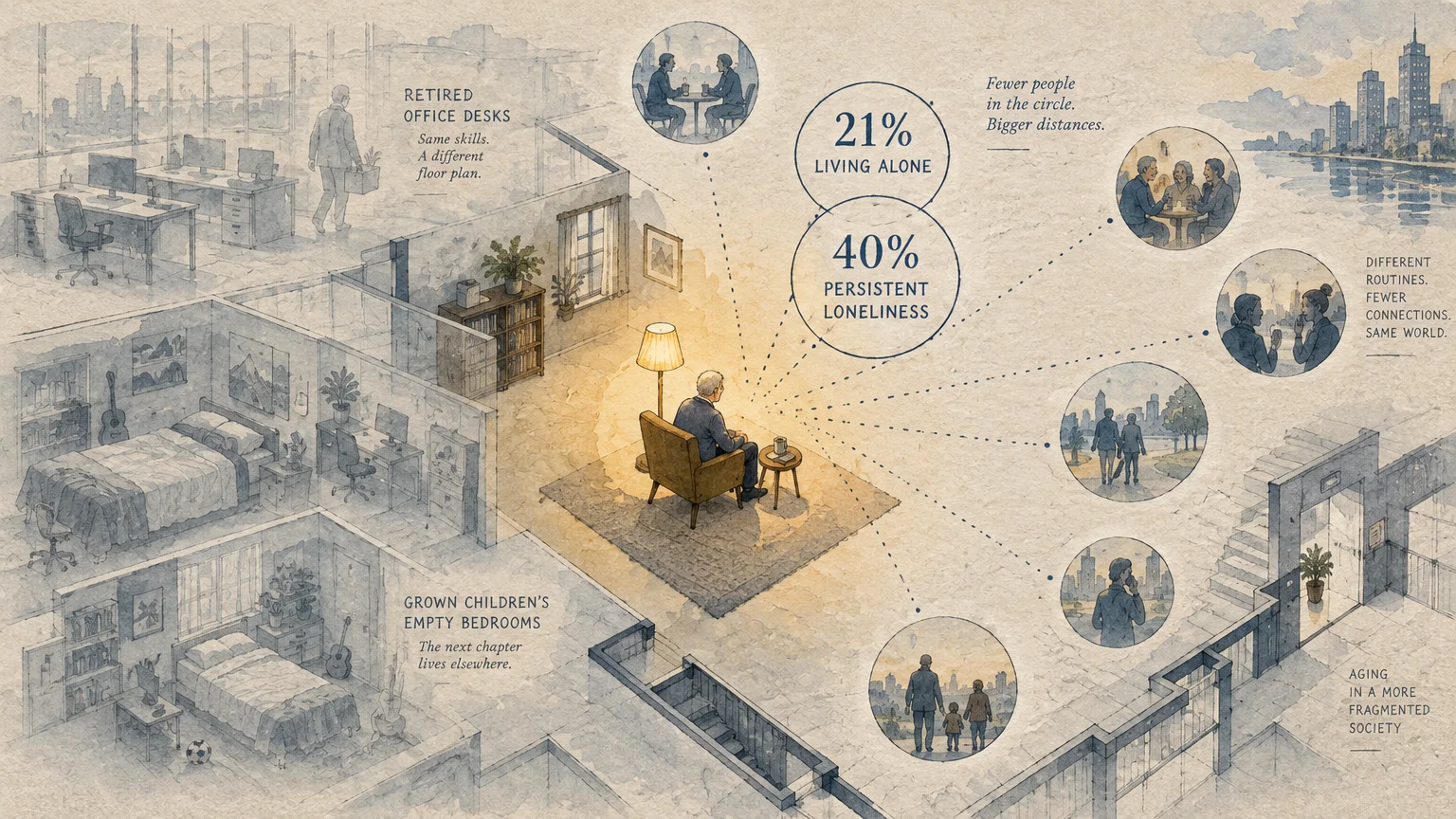
Maintaining relationships becomes more challenging as everyday routines evolve after age fifty. Retirement removes daily workplace chatter, children relocate, and friends may experience physical limitations that hinder frequent outings.
Data from AARP reveals that approximately 24 million Americans aged 50 and older—roughly 21% of this population—currently live alone. While solitary living offers autonomy, 63% of solo agers emphasize that spending time with friends brings them genuine joy.
A recent AARP survey indicated that 40% of adults aged 45 and older experience persistent loneliness. Midlife adults face substantial pressure; those aged 45 to 49 reported the highest loneliness rates at 49%, compared to 28% among adults 70 and older.
Physical and mental vitality also dictate your ability to connect with others. University of Michigan research found that 75% of older adults with poor mental health feel lonely, alongside 53% of those facing poor physical health.
Globally, the World Health Organization estimates that one in six people experience loneliness, including nearly 12% of older adults. Acknowledging these shared statistical patterns proves that your social hurdles are biological and systemic, rather than personal shortcomings.
Practical Strategies Adapted for Every Ability Level
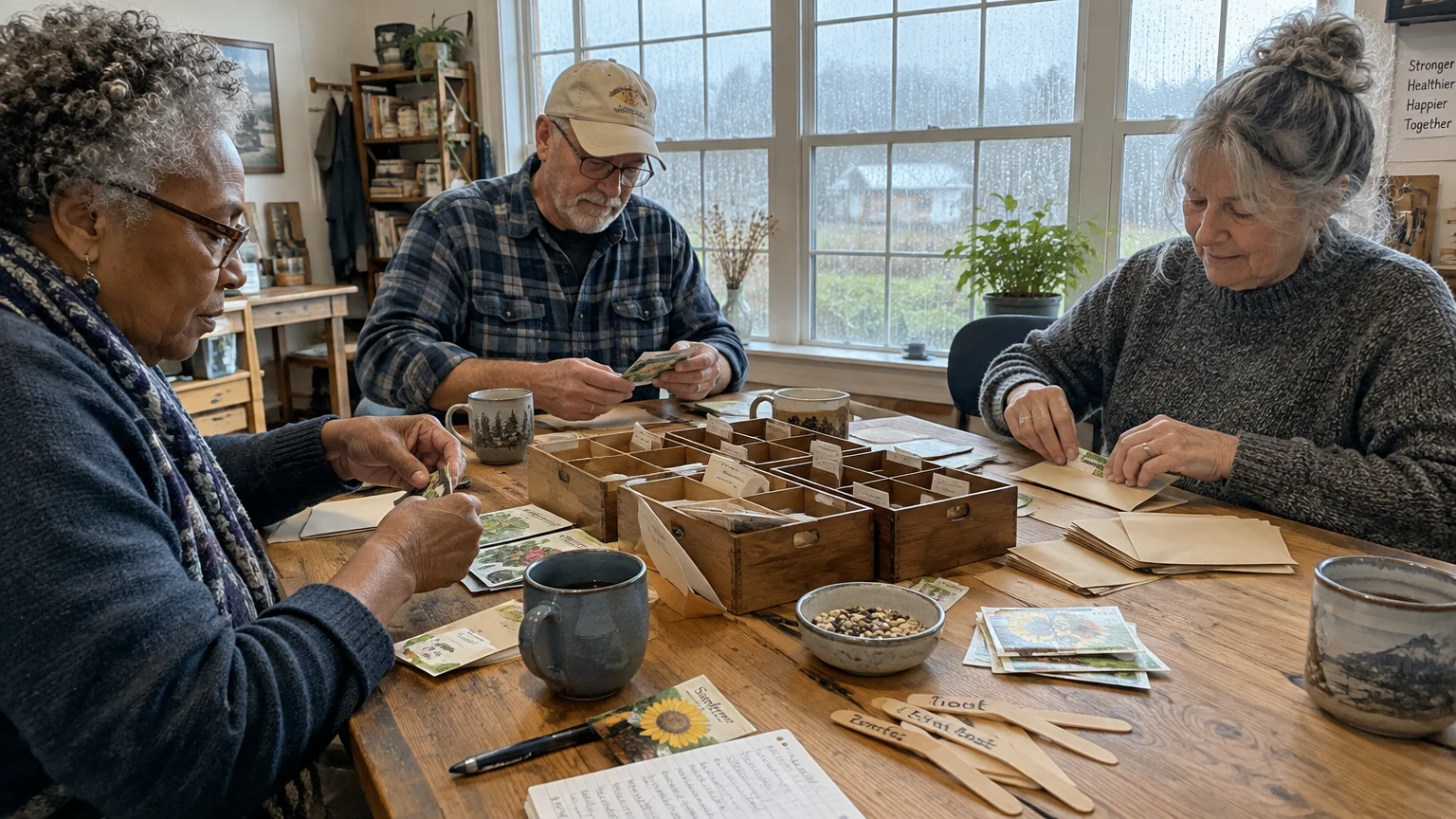
Rebuilding your social circle does not require attending loud gatherings or exhausting physical events. Consistent, micro-interactions build durable emotional safety nets over time.
Connecting with Full Mobility
If you move comfortably, consider joining a community garden, volunteer organization, or local walking club. Shared activities eliminate awkward small talk by centering conversations around a common, productive goal.
You can also enroll in continuing education courses at nearby libraries or civic centers. Learning alongside peers stimulates cognitive pathways while introducing you to people who share your specific passions.
Staying Connected with Limited Mobility
Physical limitations or chronic joint pain should not sever your social ties. Virtual book discussions, phone call partnerships, and online interest groups provide rich community without requiring travel.
Invite neighbors over for tea on your porch or arrange structured weekly telephone check-ins with extended family. Regularly scheduled calls provide dependable structure and something positive to anticipate throughout the week.
Navigating Budget Constraints
You do not need substantial financial resources to remain socially engaged. Public libraries host free book clubs, board game afternoons, and educational workshops tailored specifically for older residents.
Faith organizations, senior centers, and civic groups also offer community meals and discussion circles at no charge. Simple neighborhood strolls and casual park bench conversations create warm connections without touching your wallet.
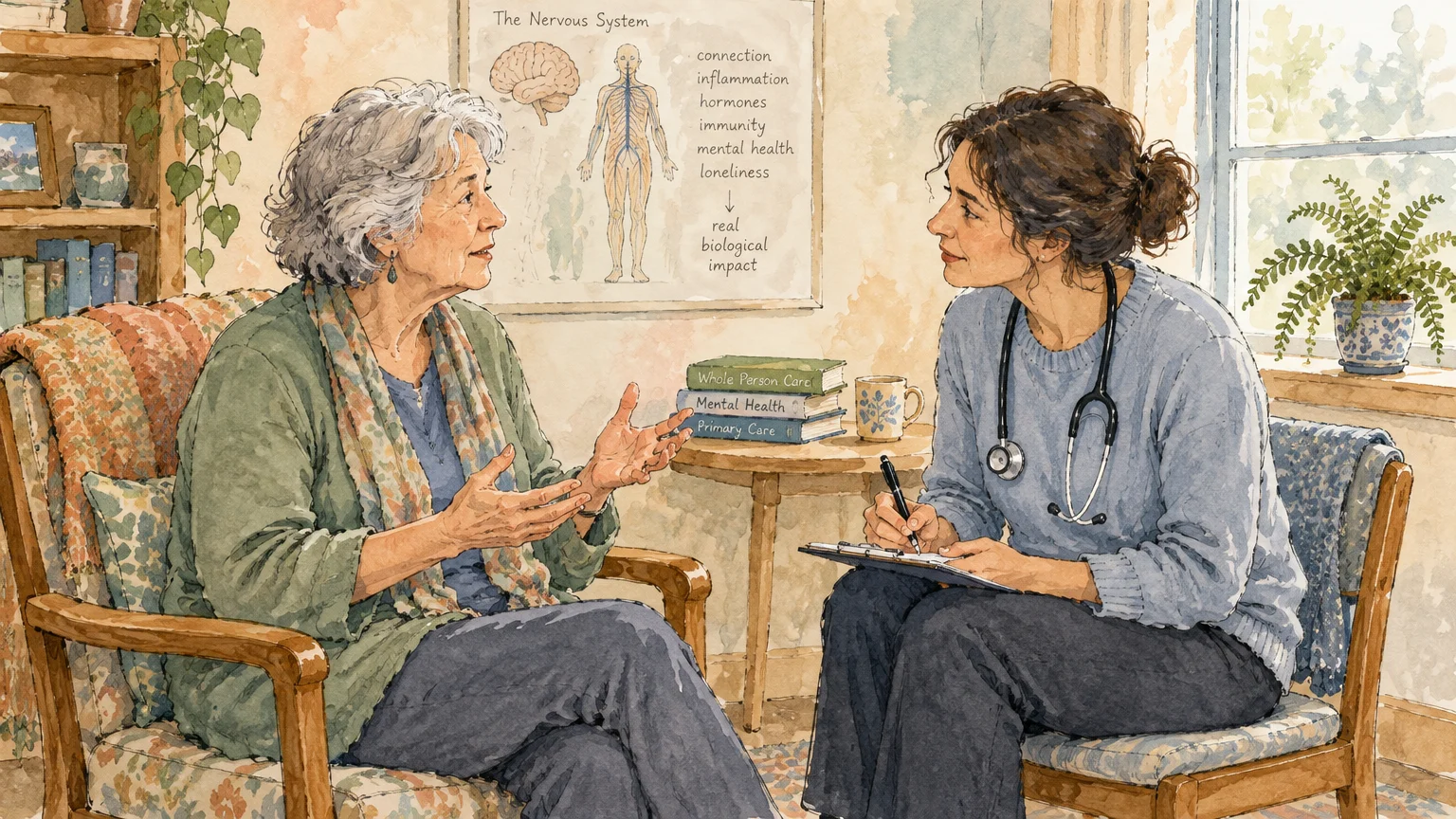
When to Involve Your Healthcare Provider
Physical deficits frequently masquerade as social disinterest. Untreated hearing loss, for instance, makes background noise overwhelming and forces many people to withdraw from group conversations.
Schedule an audiology exam if you struggle to hear clearly in restaurants or crowded rooms. Modern hearing aids restore sensory clarity and dramatically reduce the cognitive fatigue associated with social withdrawal.
Speak with your physician before launching any new group fitness regimen or walking club. Your doctor can review joint stability, medications, and fall risks to ensure you exercise safely.
Consult a medical professional if deep feelings of isolation persist alongside apathy, appetite shifts, or sleep disruption. The World Health Organization warns that chronic loneliness doubles the risk of clinical depression; this article provides educational guidance rather than medical advice.
Frequently Asked Questions
How many close friends do I actually need to stay healthy?
Quality matters far more than quantity when protecting your health. Having just two or three trusted confidants provides the emotional safety net required to reduce stress and ward off cognitive decline.
What if I am an introvert who prefers quiet solitude?
Introverts need social nourishment, but they thrive in calm, one-on-one settings rather than large gatherings. Engaging in a quiet craft circle or sharing a weekly coffee provides vital connection without draining your energy.
Do digital interactions provide the same benefits as in-person visits?
Video calls and messages sustain relationships across long distances, but they do not fully replicate face-to-face interaction. In-person contact triggers unique hormonal and neurological responses, so combine digital communication with real-world encounters whenever possible.
How can I support an aging parent who refuses to socialize?
Avoid pressuring them into large group functions, which can cause intense distress. Instead, facilitate low-stakes interactions by inviting a trusted friend for brief visits or scheduling routine phone chats with close relatives.
One Small Habit to Start This Week
Choose one person from your extended network and send a brief, thoughtful text message or make a five-minute phone call. Express appreciation for their presence in your life or ask how their week unfolded.
This single micro-action takes mere minutes, yet it sparks reciprocal dialogue and reactivates dormant bonds. Consistent, modest investments in friendship protect your longevity, preserve your cognitive sharp edge, and enrich every passing year.