
Maintaining muscle strength keeps you independent, steady on your feet, and active with your family for decades to come. Getting the right amount of daily protein fuels that strength and protects your vital mobility as you age.
Your body processes dietary protein differently today than it did in your twenties, which means standard nutritional baselines no longer fit your biology. Small shifts in your everyday meals can protect your muscles, preserve energy, and prevent frailty.
This guide reveals your actual daily protein targets and provides straightforward, realistic strategies to meet them comfortably.
Why Aging Bodies Require More Protein
Age-related muscle loss, known clinically as sarcopenia, can begin quietly around age 40. Without proactive nutrition and movement, you gradually lose the physical power that makes climbing stairs and carrying groceries easy.
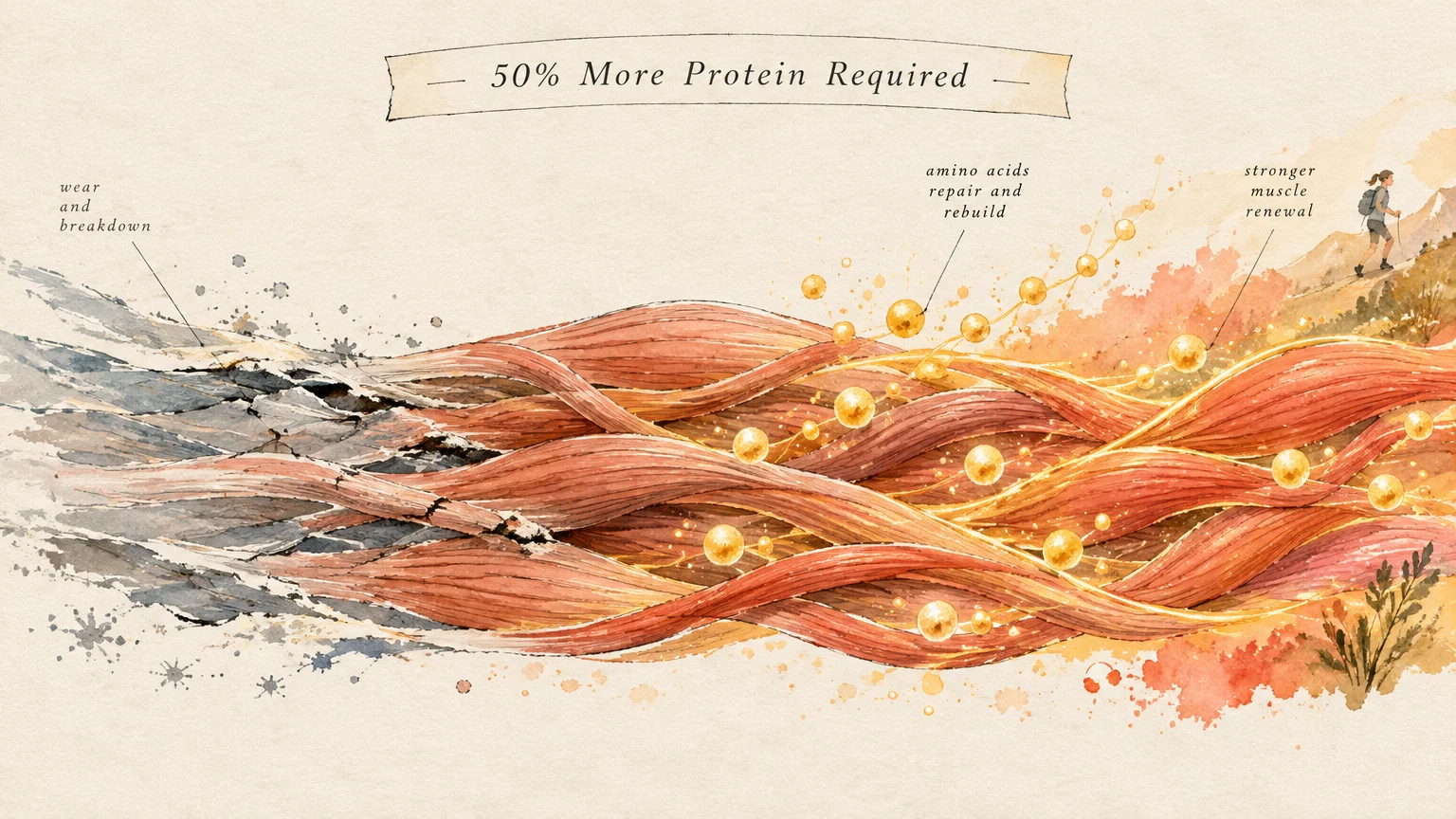
Aging muscle tissue also experiences anabolic resistance, meaning it responds less efficiently to the protein you eat. Because of this blunted response, your body requires roughly 50% more protein than younger adults to preserve the same muscle mass.
According to federal nutrition data, between 30% and 50% of older adults do not consume even basic baseline amounts. In fact, 30% of men aged 71 and older fail to meet their minimum daily dietary requirement.
Eating sufficient protein directly combats this decline by repairing muscle tissue, stabilizing blood sugar, and supporting your immune defense.
How Much Protein Do You Actually Need Each Day?
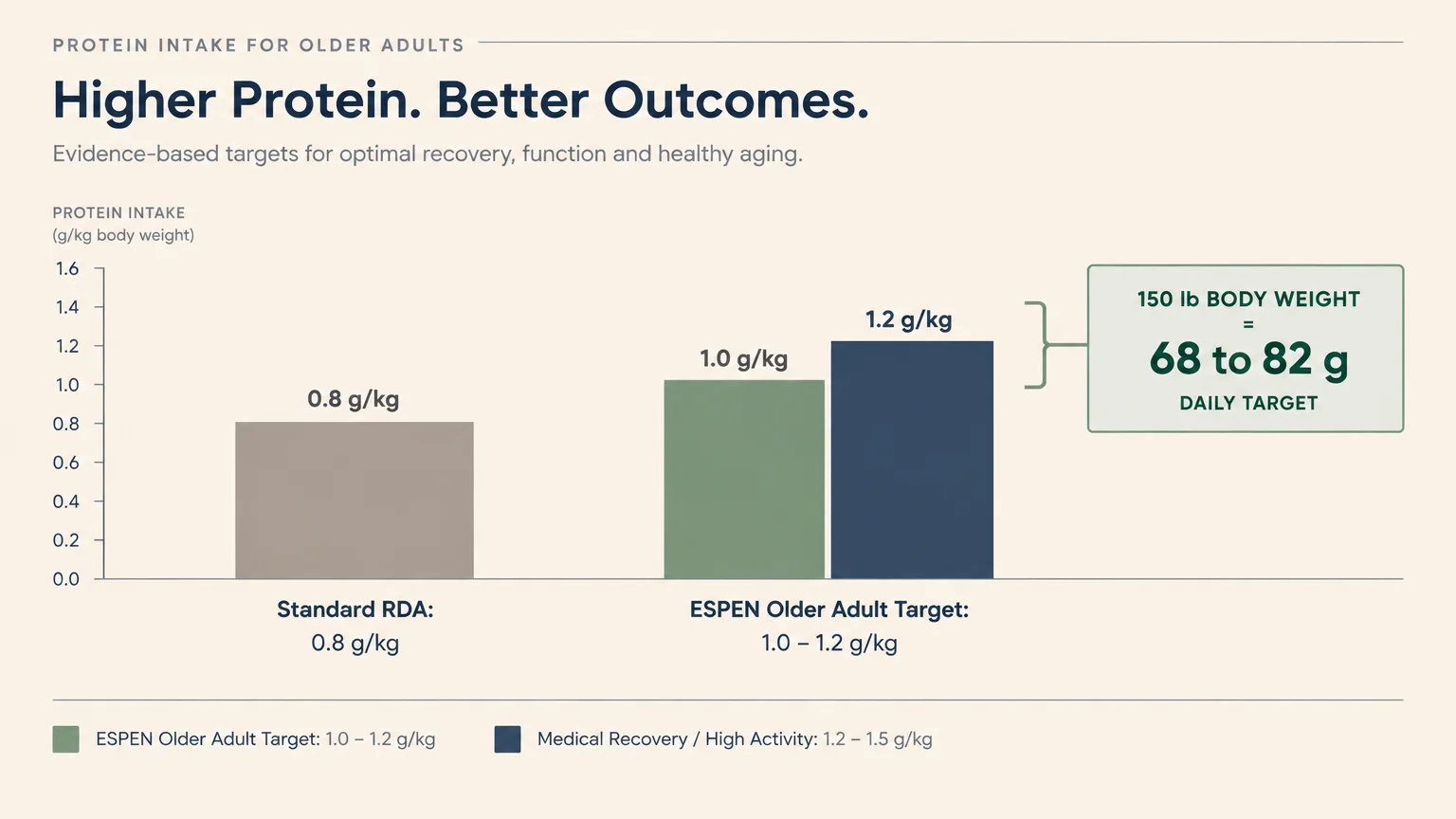
Standard national guidelines have long cited a baseline Recommended Dietary Allowance of 0.8 grams per kilogram of body weight. However, geriatric nutrition researchers emphasize that this bare minimum merely prevents acute deficiency rather than preventing muscle wasting.
The updated Dietary Guidelines for Americans emphasize nutrient-dense proteins for older adults, acknowledging that protein needs remain equal or greater even as calorie requirements drop.
Clinical groups such as the European Society for Clinical Nutrition and Metabolism recommend 1.0 to 1.2 grams of protein per kilogram of body weight daily for healthy adults aged 65 and older.
That equals roughly 0.45 to 0.55 grams per pound of body weight. If you weigh 150 pounds, your optimal daily target falls between 68 and 82 grams of high-quality protein.
If you exercise regularly or manage a chronic illness, your body requires even more recovery fuel. In these situations, experts advise consuming 1.2 to 1.5 grams per kilogram, or up to 1.6 grams during medical recovery.
Why Meal Timing and Distribution Matter
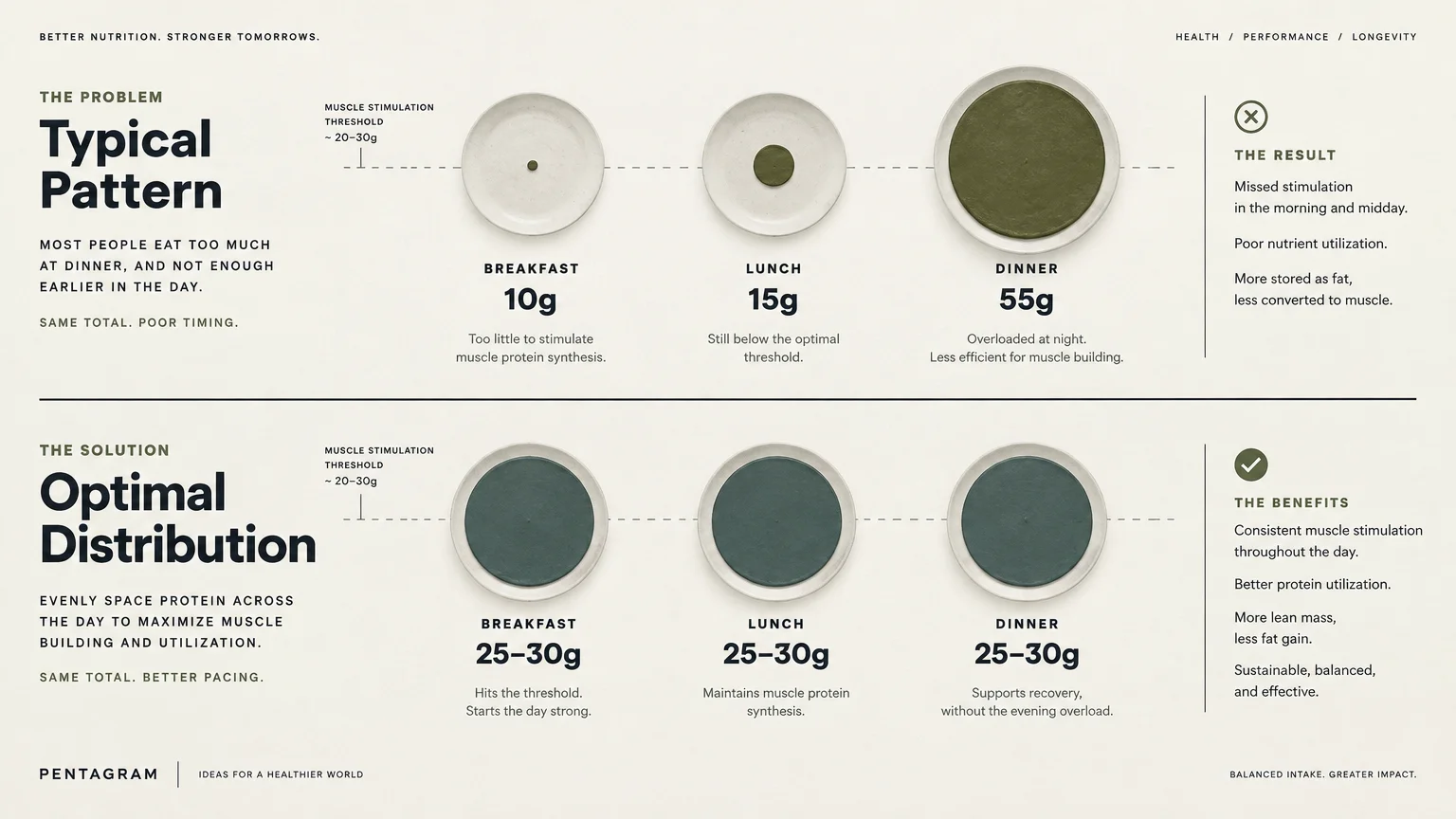
Many people consume the bulk of their daily protein at dinner while eating carbohydrate-heavy breakfasts and light lunches. This uneven pattern fails to stimulate muscle building effectively throughout the day.
Clinical research from groups like Stanford Lifestyle Medicine reveals that muscles need an adequate stimulus at each sitting to trigger repair. Aim for approximately 0.4 grams of protein per kilogram of body weight at every main meal.
In practical terms, this means eating 25 to 30 grams of protein at breakfast, lunch, and dinner. Spreading your intake prevents physical fatigue and consistently signals your body to maintain muscle tissue.
Smart, Practical Ways to Reach Your Target
Prioritize nutrient-dense whole foods that provide complete amino acid profiles to support tissue maintenance. Combining plant and animal proteins gives you nutritional variety alongside beneficial vitamins and fiber.
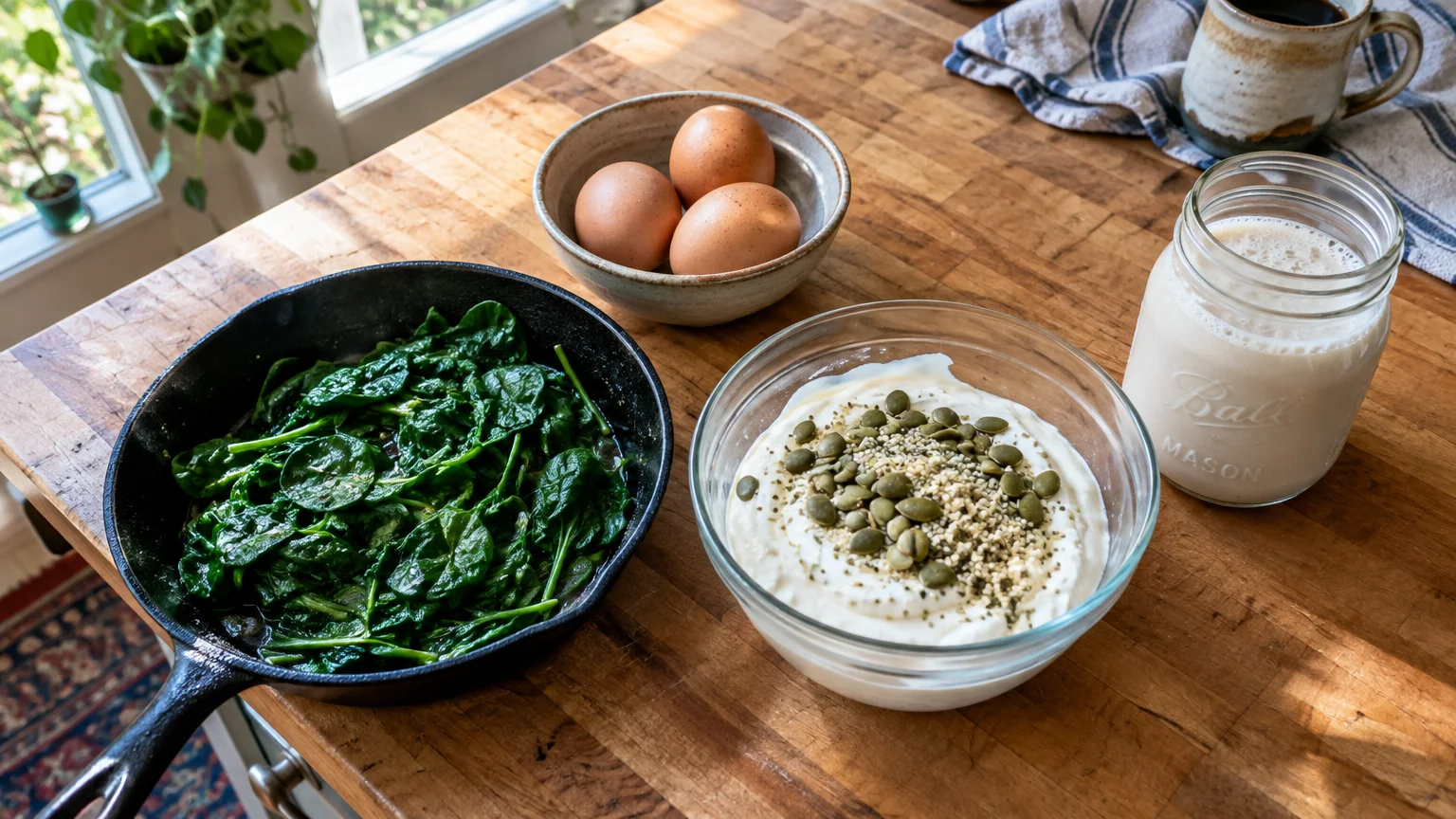
For breakfast, swap toast or pastries for Greek yogurt, cottage cheese, or three eggs paired with spinach. A single cup of Greek yogurt delivers over 20 grams of protein with minimal preparation.
Build your lunch around canned tuna, salmon, or rotisserie chicken over mixed greens and beans. Canned fish is economical, shelf-stable, and rich in muscle-supporting omega-3 fatty acids.
At dinner, center your plate on poultry, lean beef, tofu, or lentils seasoned with your favorite herbs. Combining beans with whole grains ensures plant-based eaters receive all essential amino acids.
If poor appetite or dental discomfort makes chewing difficult, smooth protein shakes or bone broths offer an effortless boost. Blending whey or pea protein powder into your morning oatmeal easily adds 20 grams.

Important Health and Safety Considerations
While increasing protein benefits most older adults, certain medical conditions require specialized guidance. If you have chronic kidney disease or reduced renal function, your doctor must tailor your specific protein limits.
Always discuss major dietary changes with your healthcare team, especially if you take medications that affect kidney clearance or potassium levels. You can review safety guidelines via the National Institute of Diabetes and Digestive and Kidney Diseases.
Speak with a physician promptly if you experience unexplained rapid weight loss, sudden muscle weakness, or frequent balance issues. These signs warrant an evaluation to rule out underlying medical conditions beyond everyday nutrition.
Frequently Asked Questions About Protein and Aging
Can eating extra protein damage healthy kidneys?
In individuals with healthy, normal kidney function, scientific evidence shows that higher protein intake is safe and well-tolerated. Kidney concerns primarily apply to people with preexisting, diagnosed renal impairment.
Is protein powder safe for seniors?
High-quality protein powders like whey, egg white, or pea protein are safe, practical tools for older adults. They help you reach your daily targets when cooking feels burdensome or your appetite declines.
Does plant protein build muscle as effectively as animal protein?
Plant proteins successfully preserve muscle when you eat a diverse variety and consume slightly higher overall volume. Pairing legumes, seeds, and soy products delivers all the essential building blocks your body requires.
Your Action Step for This Week
Transforming your nutrition does not require an overwhelming lifestyle overhaul overnight. Focus on upgrading a single meal this week to build confidence and sustainable momentum.
Add 25 to 30 grams of protein to your breakfast tomorrow morning using eggs, Greek yogurt, or a simple protein smoothie. This single change primes your muscles for repair and keeps you energized all morning long.