
Maintaining your oral health preserves your physical independence, keeps your speech clear, and allows you to enjoy meals with family. A vibrant smile directly protects your heart and brain as you navigate your sixties, seventies, and beyond.
Many older adults assume tooth decay and gum trouble are simply inevitable consequences of aging. The truth is that lifelong natural teeth remain entirely within your reach when you understand modern dental care seniors need today.
This guide details why oral health aging issues develop, how bacteria affect systemic health, and practical habits to keep your mouth resilient.
How Aging Changes Your Gums and Teeth
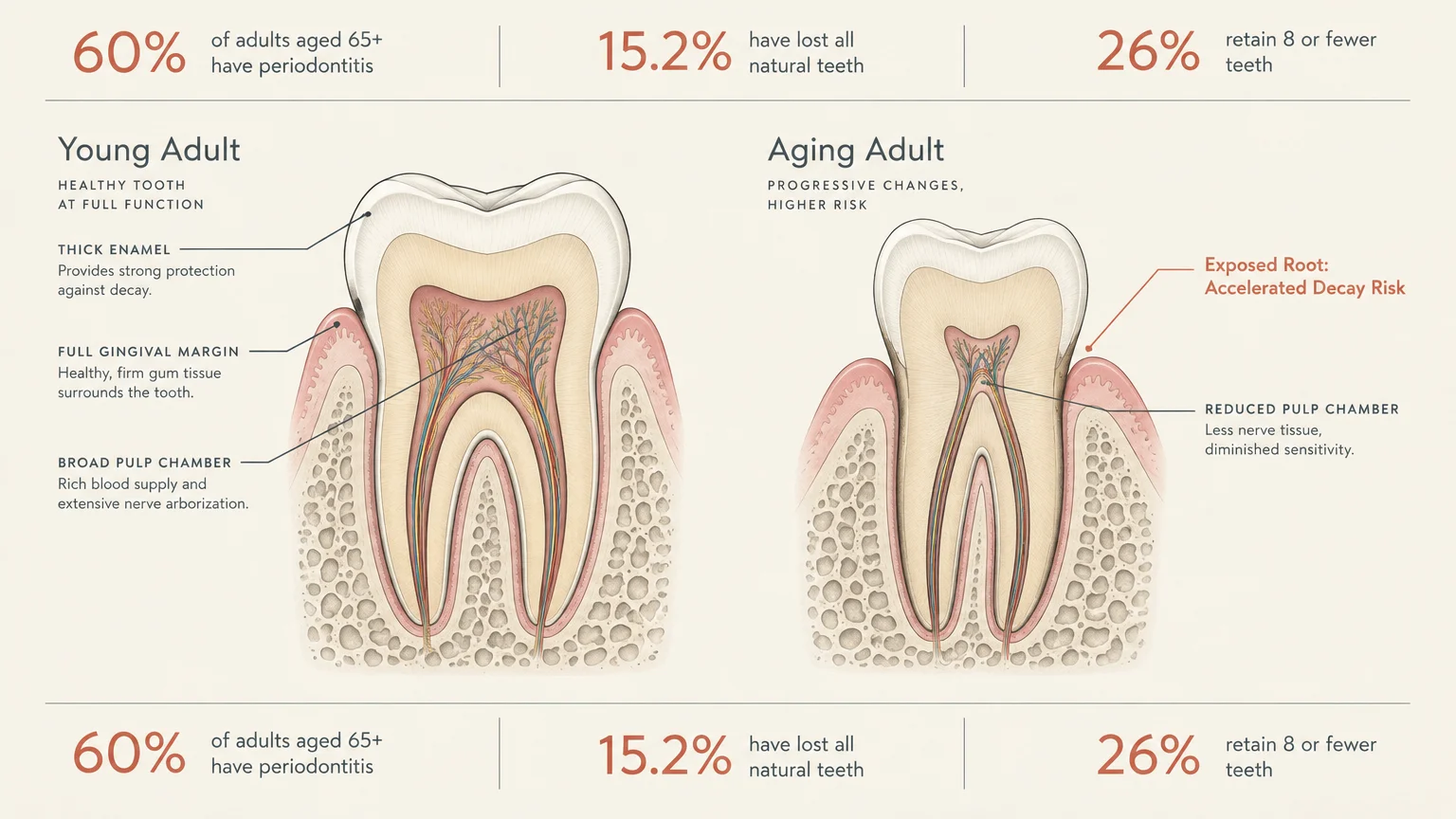
As the decades pass, your mouth undergoes subtle anatomical changes that make oral hygiene critical. Over time, nerves inside your teeth shrink, which reduces your sensitivity to pain from developing cavities.
Gum tissue also recedes, exposing delicate root surfaces that lack protective enamel. Because roots decay much faster than dental crowns, untreated bacteria can destroy tooth structure before you notice any discomfort.
According to the Centers for Disease Control and Prevention, approximately 60% of adults aged 65 and older have periodontitis. This advanced gum disease causes chronic inflammation that damages the supporting bone.
CDC surveillance reports also show that 15.2% of older adults have lost all their natural teeth. Furthermore, 26% of seniors have eight or fewer teeth, which impairs their ability to eat a nutritious diet.
The Hidden Connection Between Your Mouth, Heart, and Brain
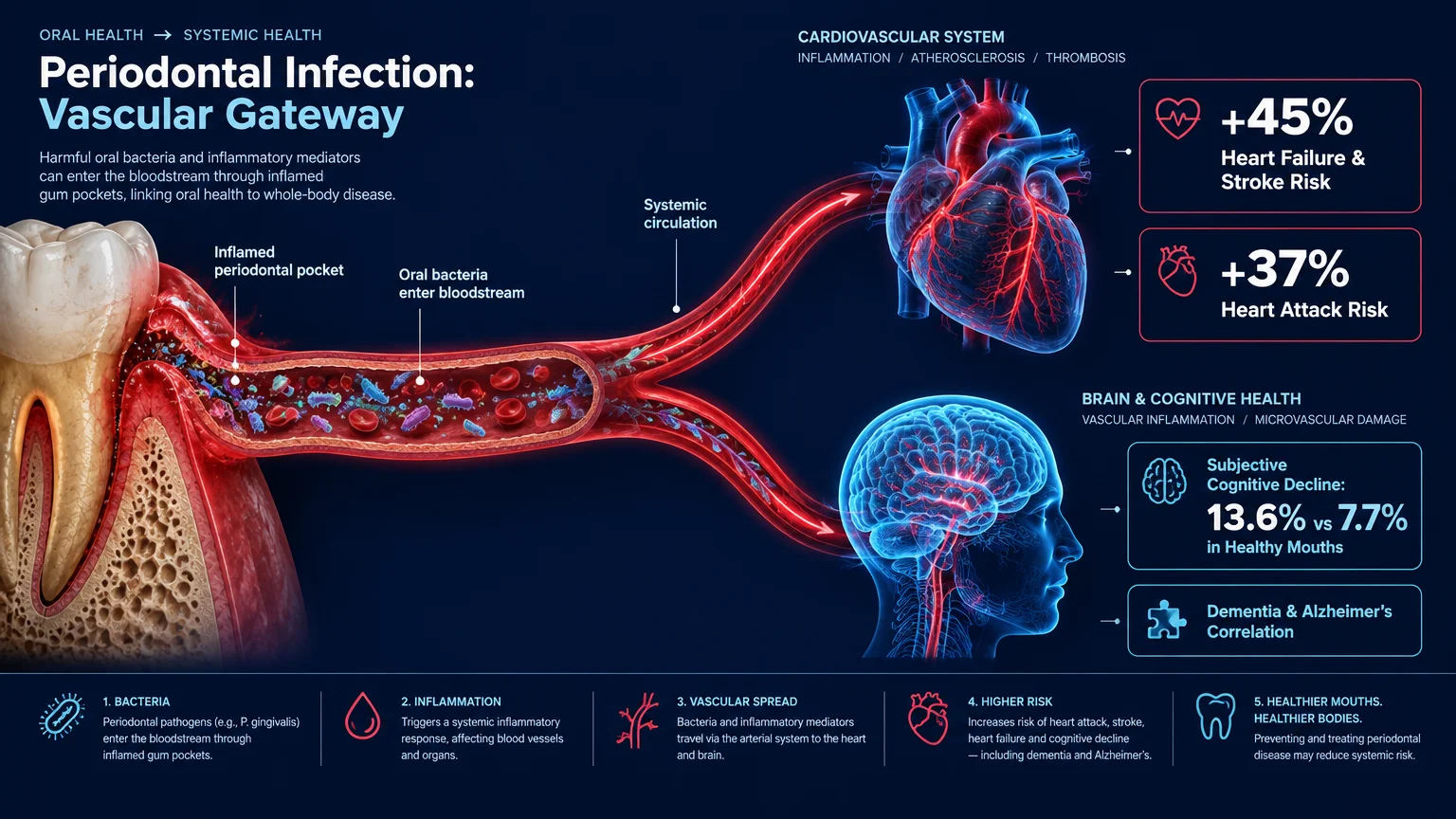
Your mouth serves as an open gateway to your bloodstream. When you live with untreated gum disease, oral bacteria enter circulation and trigger inflammation throughout your blood vessels.
A March 2026 prospective study published in The Journals of Gerontology, Series A evaluated 98,787 older adults. Researchers found that delaying dental care due to cost led to a 45% higher incidence of heart failure and stroke.
That same study revealed a 37% higher incidence of heart attack and dementia among participants who delayed care. Chronic oral infections place a continuous burden on your cardiovascular system.
Cognitive health also declines when oral bacteria spread unchecked. A September 2025 CDC analysis discovered that older adults with poor oral health had nearly double the rate of subjective cognitive decline at 13.6%, compared to 7.7% for those with healthy mouths.
Recent findings from the long-term Hisayama Study confirmed that deeper periodontal pockets and bleeding gums correlate directly with higher risks of Alzheimer’s disease and vascular dementia.

Managing Medication-Induced Dry Mouth
Hundreds of common medications—including blood pressure pills, antihistamines, and antidepressants—reduce healthy saliva production. The National Institute on Aging warns that persistent dry mouth drastically raises your risk of root cavities.
Drink water consistently throughout the day to keep oral tissues hydrated and clear away food particles. You can also chew sugar-free gum containing xylitol, which stimulates natural salivary flow and suppresses bacteria.
Avoid mouthwashes containing alcohol because they dehydrate your oral tissues. Instead, ask your dentist about over-the-counter saliva substitutes and prescription fluoride pastes to shield exposed roots.
Adapting Daily Habits for Changing Mobility
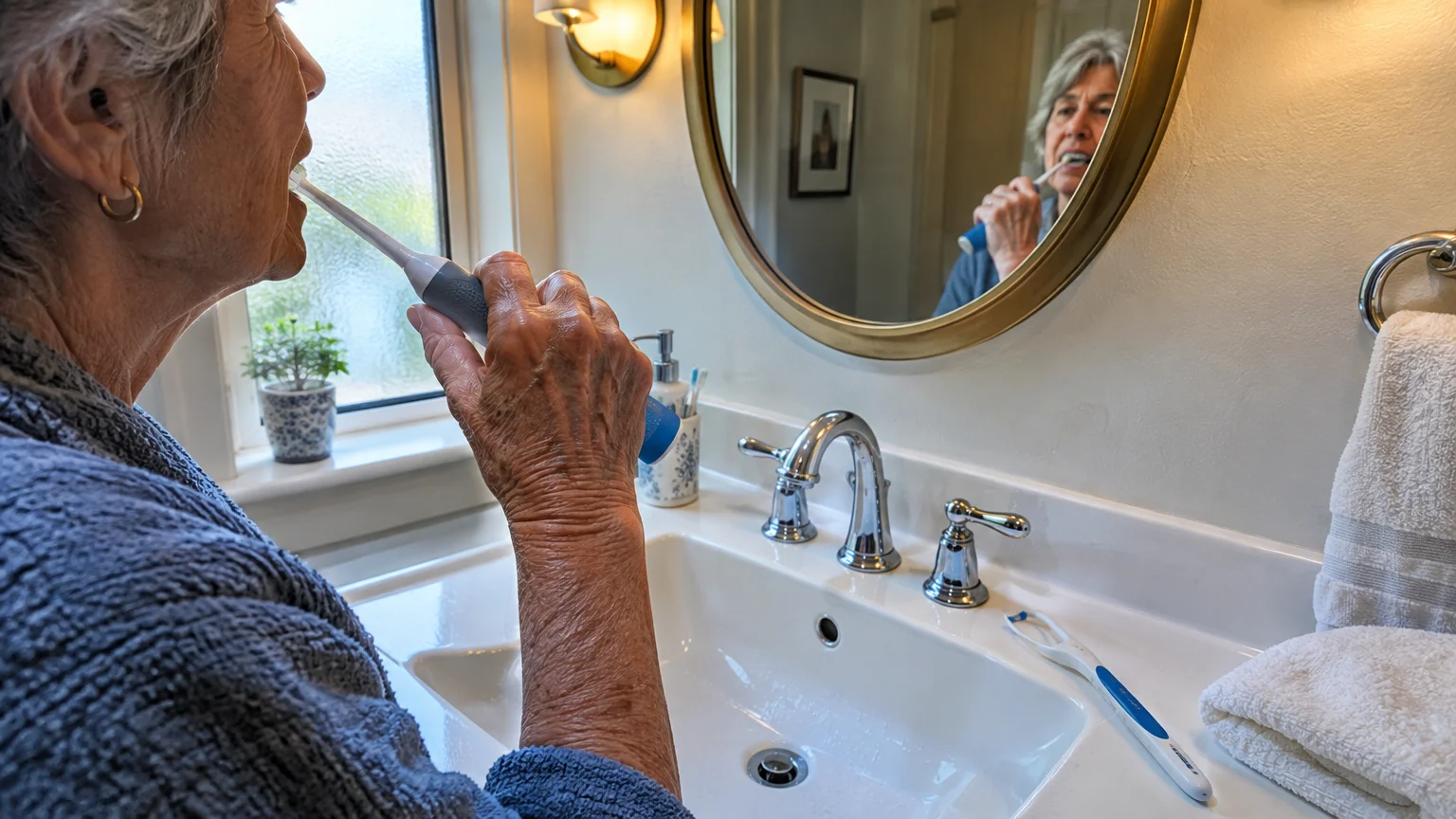
Joint stiffness from arthritis can make gripping a standard manual toothbrush or sliding thin string floss difficult. Fortunately, ergonomic tools allow you to clean thoroughly without straining your hands.
Switch to a rechargeable electric toothbrush with an oscillating head. The wide handle offers a comfortable grip, while the motorized bristles scrub effectively for you.
If gripping an electric brush handle still feels uncomfortable, slide a foam tubing grip or a tennis ball over the handle. This simple modification reduces hand fatigue and improves your control.
Replace traditional string floss with handheld floss picks, interdental brushes, or a countertop water flosser. Water flossers flush plaque out of deep gum pockets effortlessly, even around bridges and dental implants.

Navigating Dental Care Costs and Medicare Coverage
Financial hurdles prevent many seniors from obtaining preventive care, which typically costs between $200 and $400 annually out of pocket. Between 50% and 70% of older Americans lack dental insurance entirely.
Consequently, Medicare beneficiaries pay roughly 70% of all dental expenses out of their own pockets. Understanding your insurance options ensures you do not miss critical coverage.
Original Medicare Parts A and B still exclude routine dental care like cleanings, fillings, and dentures. However, updated rules from the Centers for Medicare and Medicaid Services provide vital exceptions for specific medical conditions.
Medicare covers dental exams and treatments when they link directly to procedures like heart valve replacements, organ transplants, or chemotherapy. Roughly 1.31 million traditional Medicare beneficiaries qualify for this coverage annually.
If you have a Medicare Advantage plan, review your policy details. About 98% of these plans provide supplemental dental benefits, though you should verify annual spending caps.
Consider federally qualified health centers and local dental hygiene schools if you lack comprehensive coverage. These facilities offer cleanings and exams on a sliding fee scale based on your income.
When to Contact a Doctor or Dentist Immediately
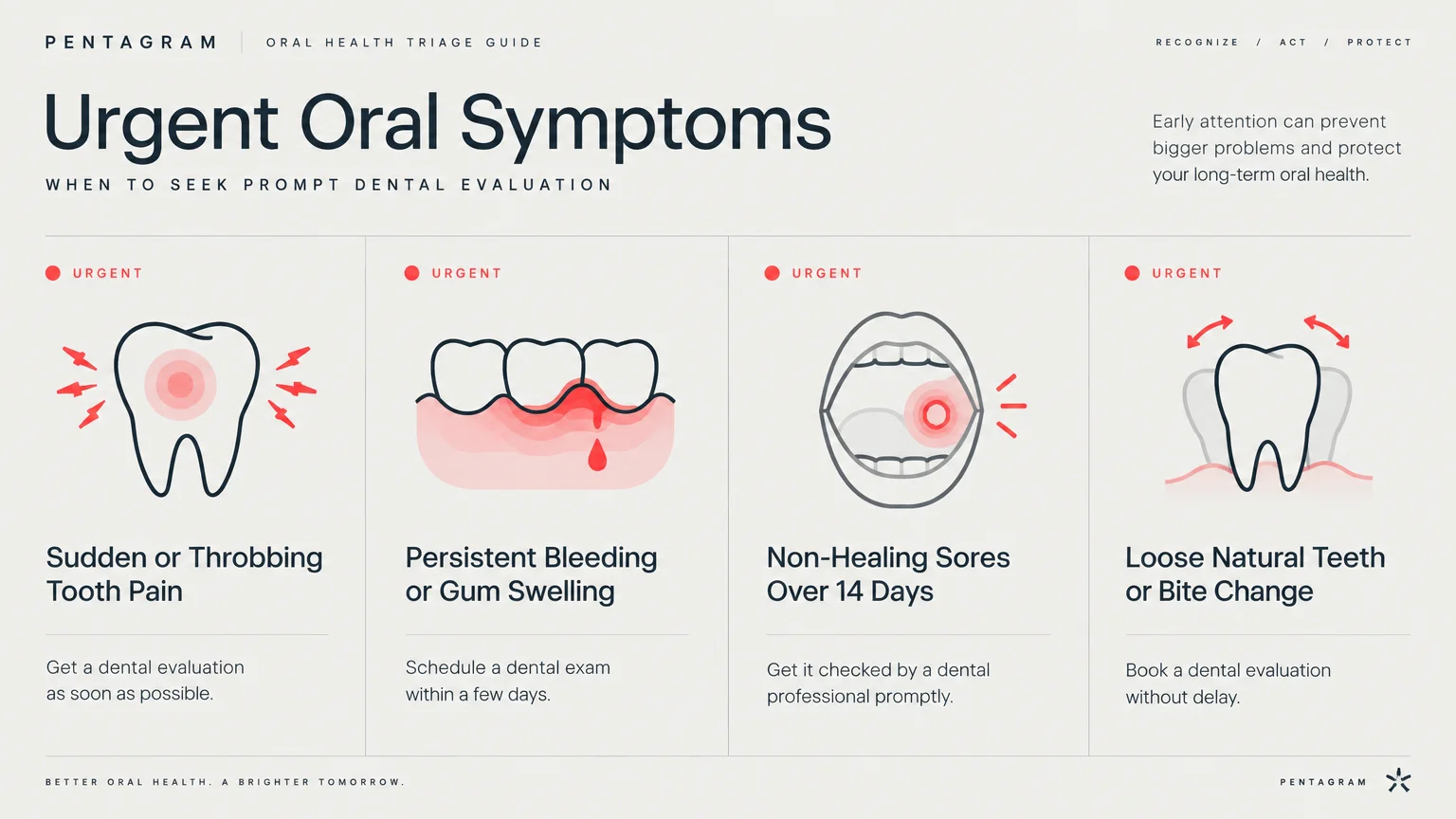
Schedule an evaluation right away if you notice red or bleeding gums, persistent bad breath, or loose teeth. These symptoms signal active gum disease, which requires prompt professional attention.
Contact your healthcare provider promptly if you discover a mouth sore or lump that persists longer than two weeks. In 2026, projections indicate roughly 60,480 Americans will receive an oral cancer diagnosis.
Routine screenings allow clinicians to spot oral cancers early, when treatment proves most successful. Always remember that this educational guide provides general health information rather than individual medical advice.
Frequently Asked Questions About Senior Dental Care
Does Medicare cover routine cleanings and dentures?
Original Medicare Parts A and B do not pay for routine exams, cleanings, or dentures. However, most Medicare Advantage plans include basic preventive benefits, and traditional Medicare covers dental work linked to major medical procedures.
How often should I see a dentist if I wear full dentures?
Visit your dentist at least once a year even if you have no natural teeth. Your dentist checks the fit of your dentures, evaluates bone changes, and conducts an essential oral cancer examination.
Why do older adults experience more cavities along the gumline?
Gum recession exposes softer root surfaces that lack tough enamel protection. Combined with medication-induced dry mouth, this vulnerability allows acids to dissolve root structure rapidly.
Can treating gum disease improve my blood sugar control?
Yes; chronic gum inflammation elevates systemic inflammation, which makes blood sugar harder to control if you have diabetes. Clearing up periodontal infections helps stabilize insulin sensitivity and overall metabolic health.
Your Next Step: One Small Habit for This Week
Do not wait for a toothache to prioritize your oral wellness; start with one simple adjustment tonight. Place an interdental brush or floss pick right beside your favorite reading chair or bedside table.
Cleaning between your teeth while relaxing removes harmful plaque without adding stress to your bedtime routine. This two-minute daily habit protects your cardiovascular health and keeps your natural smile strong for years to come.