
Retirement frees your schedule, yet staying sharp protects independence, energy, and joy. Purposeful mental activity retirement habits preserve cognitive skills so you can manage finances, travel, and stay engaged with family.
Leaving the workforce removes daily problem-solving, so your brain requires intentional stimulation. Consistent mental effort builds cognitive reserve and keeps memory functioning reliably.
This guide covers evidence-based techniques to challenge your thinking, adapt routines to personal health needs, and sustain lifelong vitality.
Understanding How the Brain Changes with Age
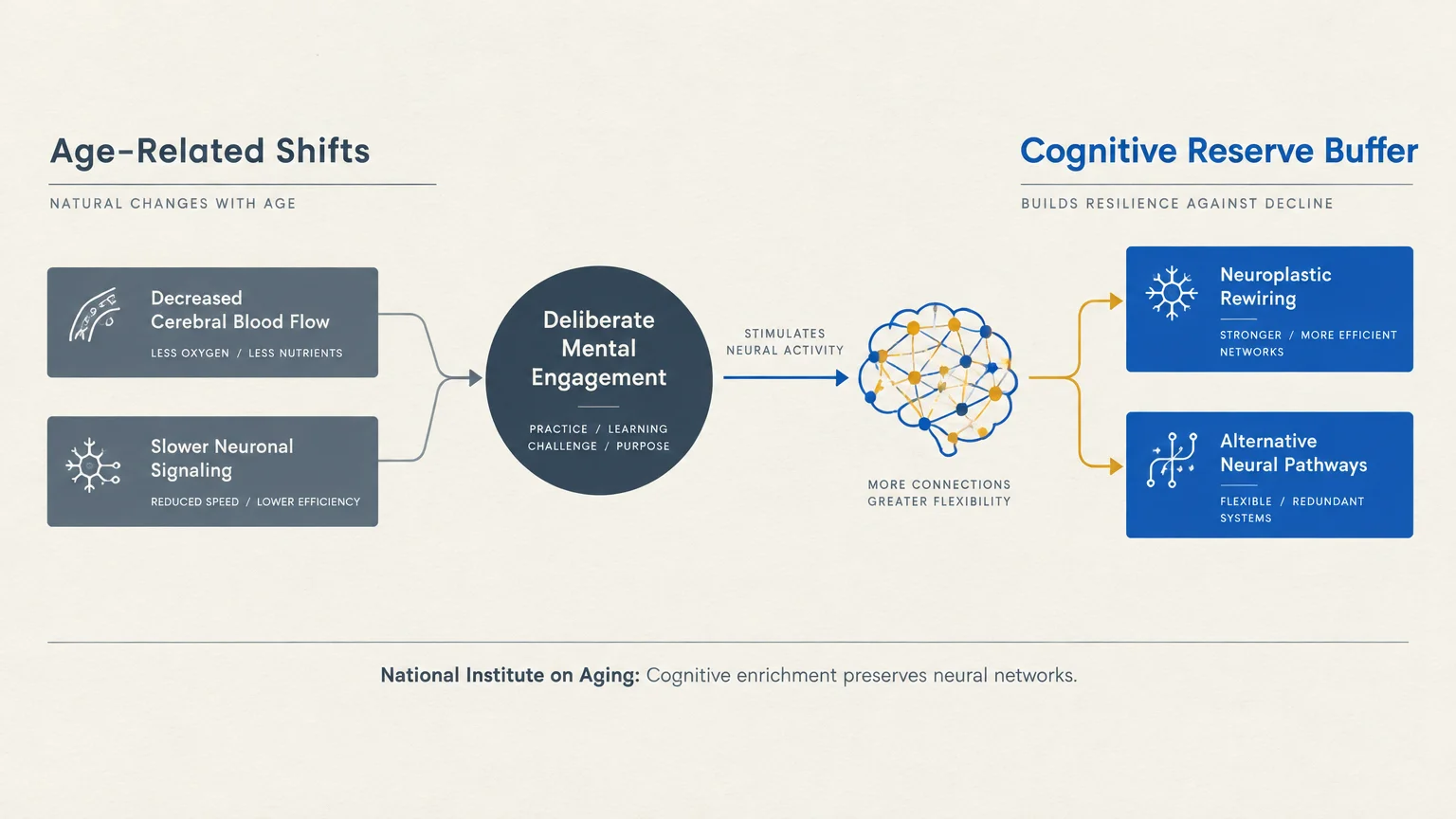
Your brain undergoes subtle structural shifts throughout retirement. Blood flow can decrease slightly, and communication between individual neurons often slows over time.
Despite these biological shifts, your brain retains neuroplasticity. This allows your nervous system to rewire connections and master complex skills at any age.
Research from the National Institute on Aging emphasizes that cognitive enrichment preserves mental functions. Regular intellectual challenges expand neural networks and protect daily functioning.
Think of cognitive reserve as an intellectual safety net. This buffer allows the brain to compensate for age-related changes by recruiting alternative neural pathways.
In retirement, deliberate engagement replaces workplace analytical responsibilities. Without structured demands, unused cognitive networks can gradually lose operational sharpness.
Lifelong Learning as a Mental Engine
Passive consumption rarely stimulates the brain enough to produce lasting adaptations. Watching television or scrolling social media provides entertainment, but asks little of processing centers.
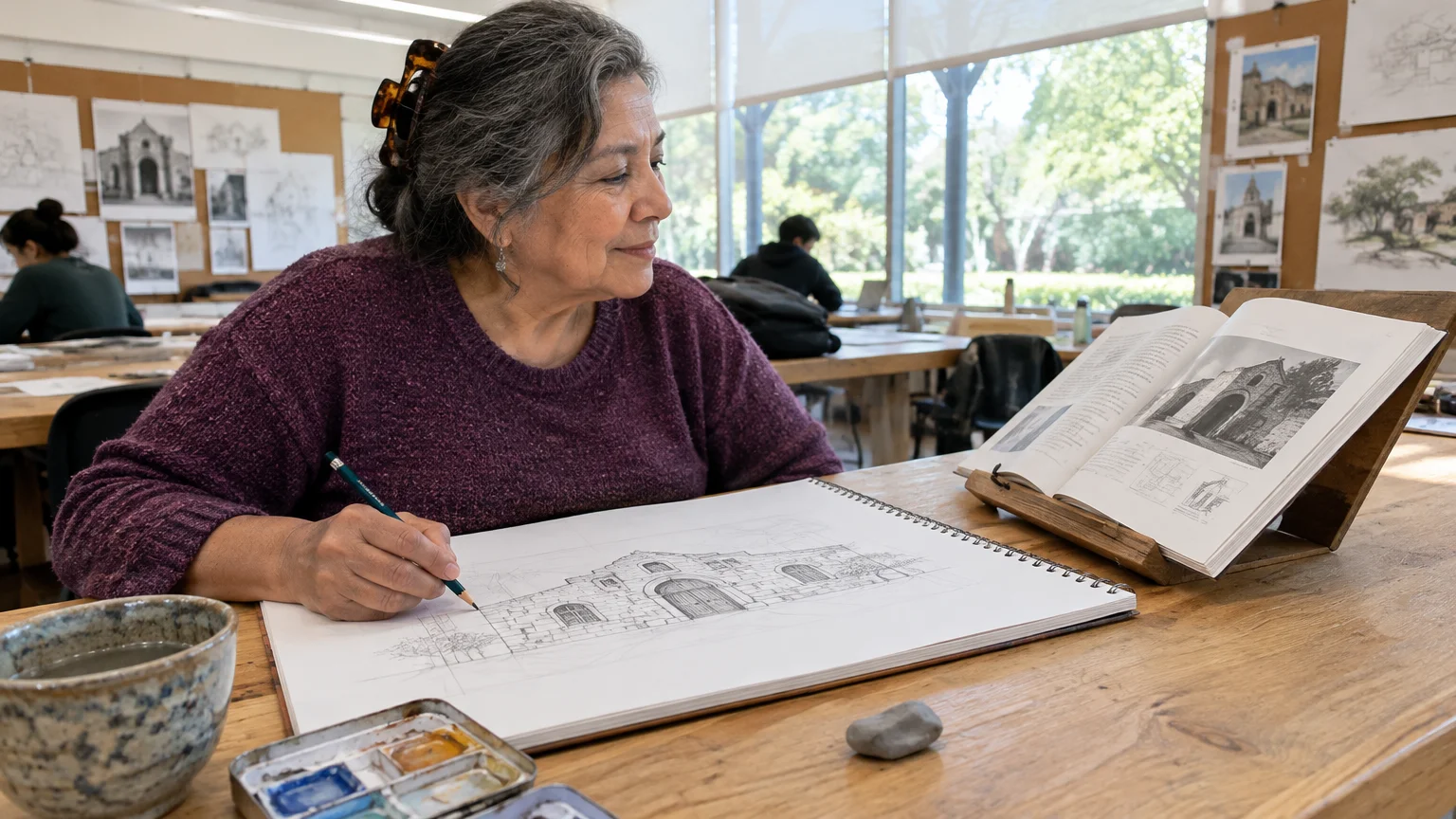
Instead, commit to lifelong learning that demands unfamiliar knowledge. Studying an instrument, practicing conversational Spanish, or learning photo editing builds fresh synaptic connections.
Choose subjects outside your comfort zone. If you spent a career working with numbers, explore creative writing, local history, or architectural sketching.
Many colleges and universities offer free or discounted audit programs for seniors. These classes deliver intellectual rigor alongside a schedule that maintains motivation.
Online platforms offer self-paced lectures on virtually any topic you wish to master. Focus on curiosity, treating learning as exploration rather than a chore.
Stimulate Executive Function with Brain Games
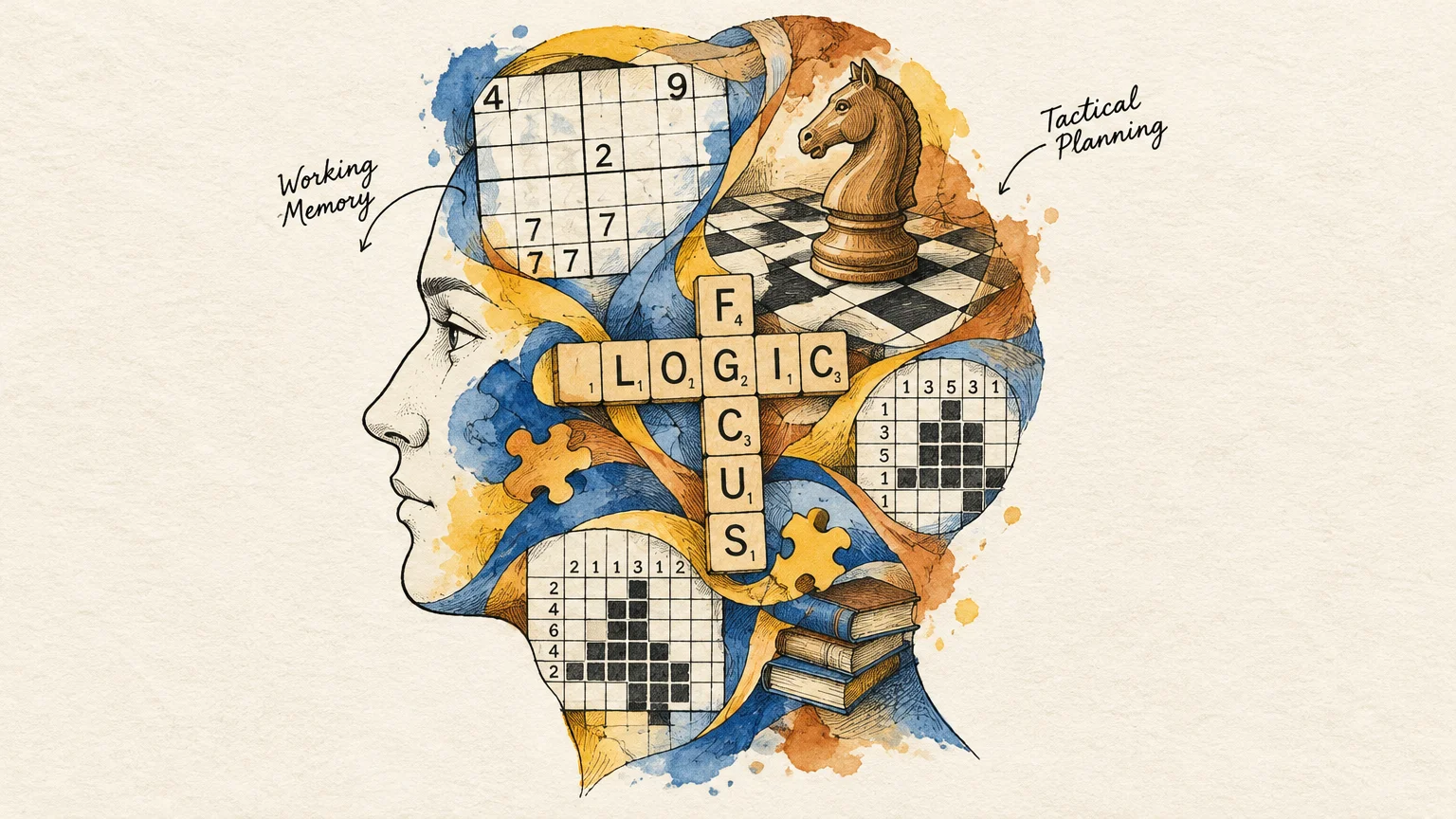
Targeted brain games provide workouts that sharpen concentration, processing speed, and logic. Strategic challenges require working memory to manage multiple variables simultaneously.
Pencil-and-paper puzzles like cryptic crosswords, nonograms, and sudoku strengthen visual-spatial reasoning. Games like chess, bridge, and Scrabble demand foresight, tactical planning, and ongoing adaptation.
The Centers for Disease Control and Prevention notes that cognitive leisure protects brain vitality in older adults. Diverse puzzle formats prevent predictable autopilot.
Rotate gaming across disciplines throughout the week. If you solve numerical puzzles on Monday, switch to verbal riddles or jigsaw puzzles on Tuesday.
When a game feels effortless, increase difficulty immediately. Cognitive growth happens when grappling with unfamiliar patterns and working through productive intellectual frustration.

Physical Activity Powers Cognitive Performance
Mental performance remains inseparable from cardiovascular health. Physical activity pumps oxygen-rich blood to the brain, nourishing cells and encouraging tissue repair.
Guidance from the World Health Organization highlights that aerobic movement lowers cognitive decline risk. Exertion stimulates neurotrophic factors that support cellular survival and synaptic plasticity.
Activities combining coordination with immediate decision-making deliver high cognitive rewards. Ballroom dancing, pickleball, and tai chi require balance adjustments, rhythm awareness, and spatial tracking.
If walking, turn ordinary strolls into sensory and mental exercises. Count backward by sevens, identify unfamiliar bird species, or map novel neighborhood routes.
Aim for thirty minutes of moderate movement most days. Consistent physical effort protects brain structures better than occasional bursts of intense exercise.
Social Engagement as a Cognitive Workout
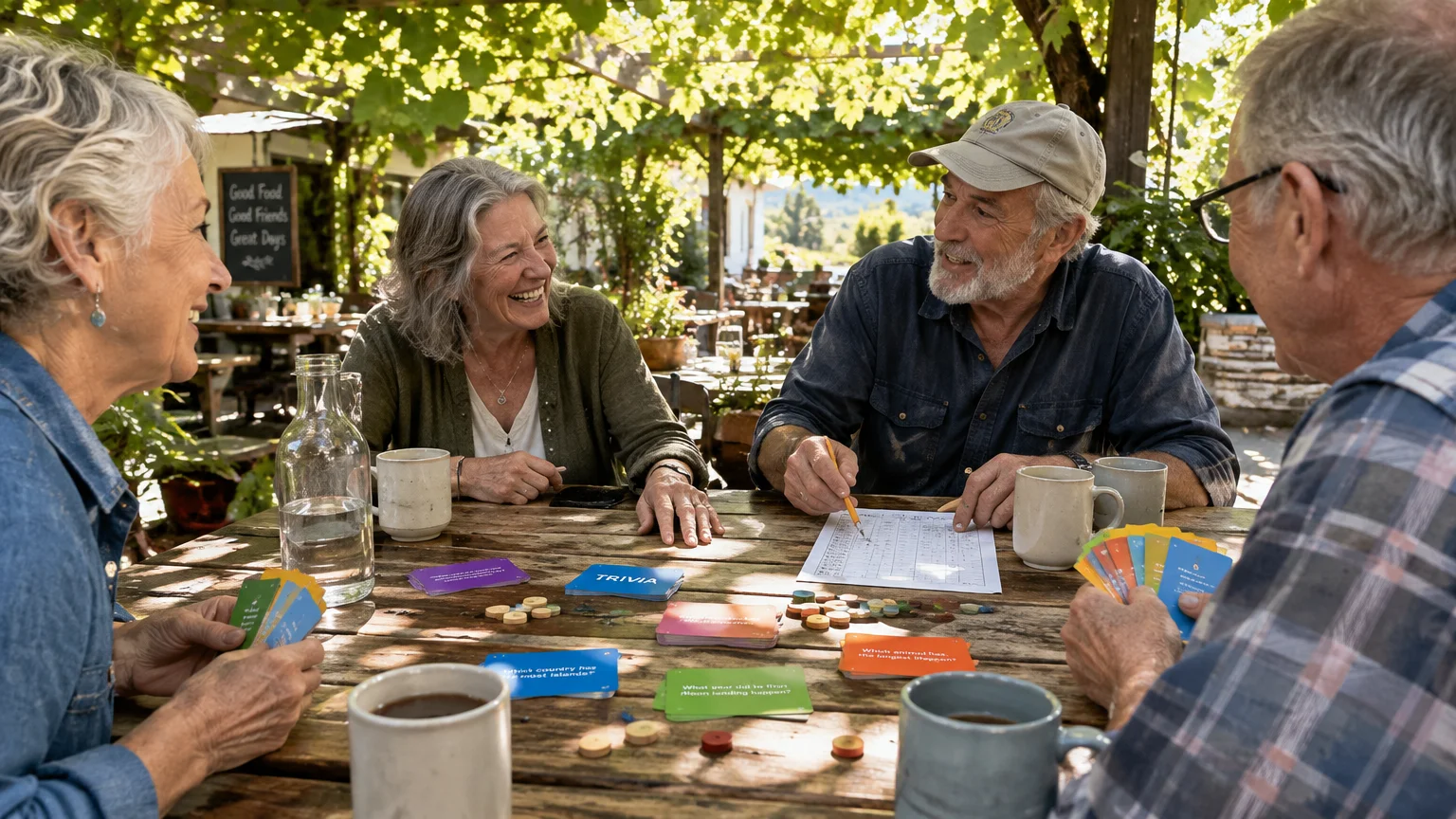
Human conversation is among the most intricate cognitive tasks the brain performs. Dialogue requires rapid listening, emotional interpretation, spontaneous memory retrieval, and verbal formulation.
Chronic social isolation reduces mental stimulation and elevates stress hormones that damage memory centers. Maintaining community ties buffers emotional health and keeps thinking sharp.
Volunteering with community groups, animal shelters, or cultural centers provides structured social purpose. Mentoring younger workers or teaching a trade synthesizes decades of hard-earned wisdom.
Join clubs matching your passions, such as gardening, book discussions, or choral singing. Shared interests prompt conversations that stretch verbal fluency and critical thinking.
If mobility issues restrict travel, schedule video calls with distant friends and family. Face-to-face dialogue stimulates visual and auditory processing pathways far better than text messaging.

Adapting Activities for Health Conditions
Physical limitations should never prevent exercising your mind. Modify your cognitive environment to match current physical abilities and daily energy levels comfortably.
If arthritis makes writing or handling cards painful, switch to voice-activated digital games. Audiobooks and narrative podcasts provide storytelling without requiring manual dexterity.
When managing chronic fatigue, schedule demanding intellectual hobbies for peak morning hours. Break complex activities into ten-minute intervals to avoid mental exhaustion.
If visual impairments make standard print difficult, use large-print puzzle books or e-readers. High-contrast screens and screen-reading software allow reading literature without straining eyes.
Gentle chair yoga with guided visualization offers cognitive and physical benefits for those with limited mobility. Tailoring activities ensures sustainable, joyful participation over time.
Recognizing When to Consult a Doctor
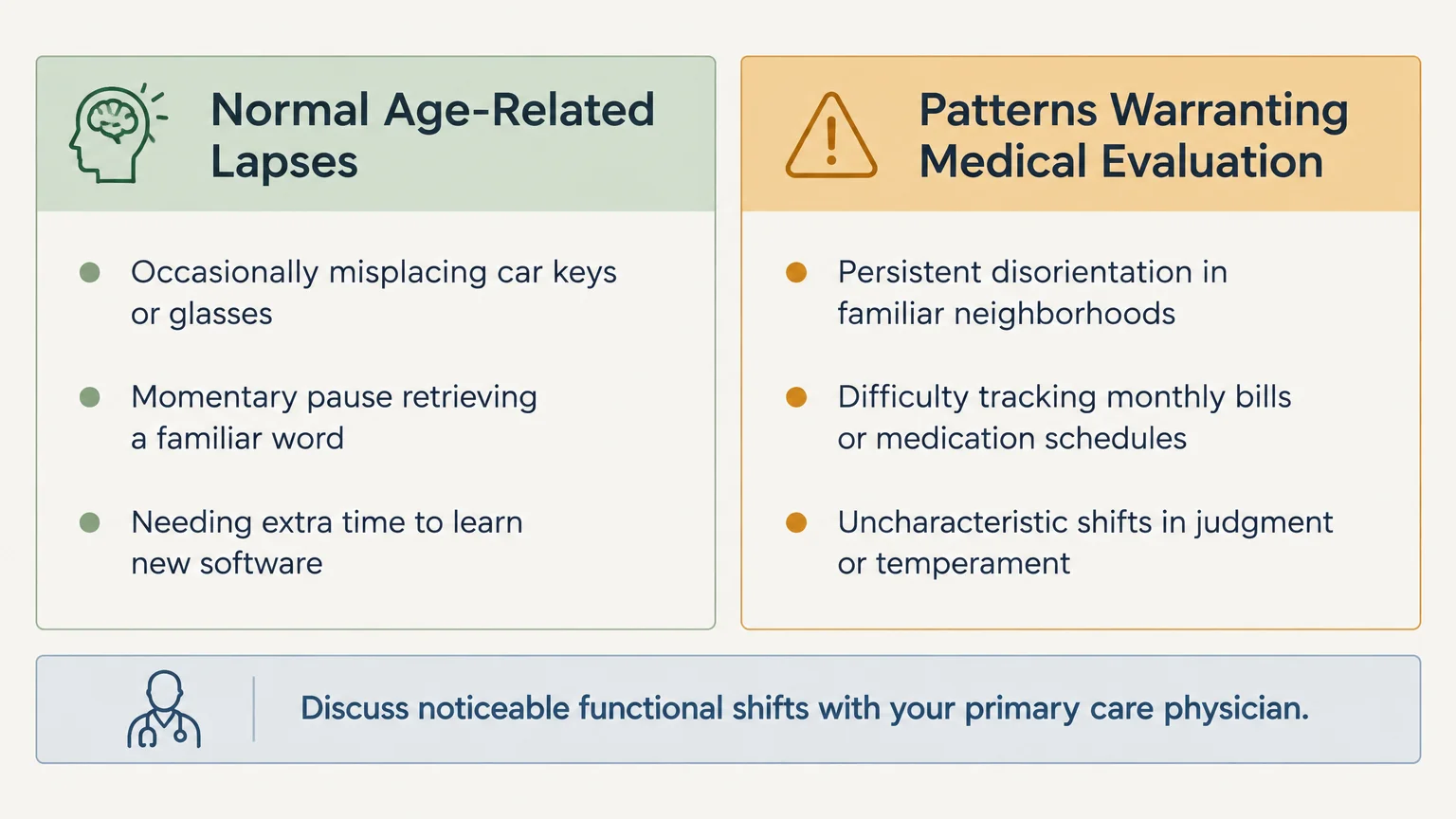
Distinguishing between benign age-related forgetfulness and serious cognitive symptoms brings peace of mind. Forgetting where you placed glasses or pausing to recall a name is entirely normal.
However, getting lost in familiar neighborhoods or struggling with monthly bills warrants professional attention. The MedlinePlus medical encyclopedia recommends prompt clinical review for persistent memory problems.
Sudden personality changes, severe mood swings, or uncharacteristic confusion require immediate medical assessment. Such changes often stem from treatable conditions like urinary tract infections, medication interactions, or vitamin deficiencies.
Speak with your physician before launching an ambitious exercise regimen or routine change. Your primary care provider offers guidance tailored to your medical history and medication profile.
Treat this information as general guidance rather than individualized medical advice. Always partner with licensed healthcare professionals to oversee your neurological and physical health.
Frequently Asked Questions
Do commercial brain games prevent dementia?
Commercial brain games improve skill at specific game mechanics practiced. Broader protection requires combining varied intellectual pursuits, physical fitness, and balanced nutrition.
How many minutes of mental stimulation do I need each day?
Aim for twenty to thirty minutes of novel intellectual challenge daily. Regular consistency generates far greater cognitive resilience than sporadic weekend study sessions.
Can nutrition influence how active my mind feels in retirement?
Nutrient-dense diets like the Mediterranean or MIND diet support cerebrovascular health directly. Eating leafy greens, berries, nuts, and omega-3 fatty acids provides antioxidants that shield brain cells.
Is it possible to build cognitive reserve after age seventy?
Your brain maintains neuroplastic potential throughout your lifespan. Tackling new hobbies or acquiring complex skills builds neural connections regardless of age.
Build Your First New Habit This Week
Preserving a sharp mind does not require drastic upheaval. Cognitive resilience grows from modest, pleasurable habits practiced with steady discipline.
Choose one stimulating activity this week, whether downloading a language app or learning chess rules. Spend fifteen focused minutes on it tomorrow morning to kickstart lifelong vitality.