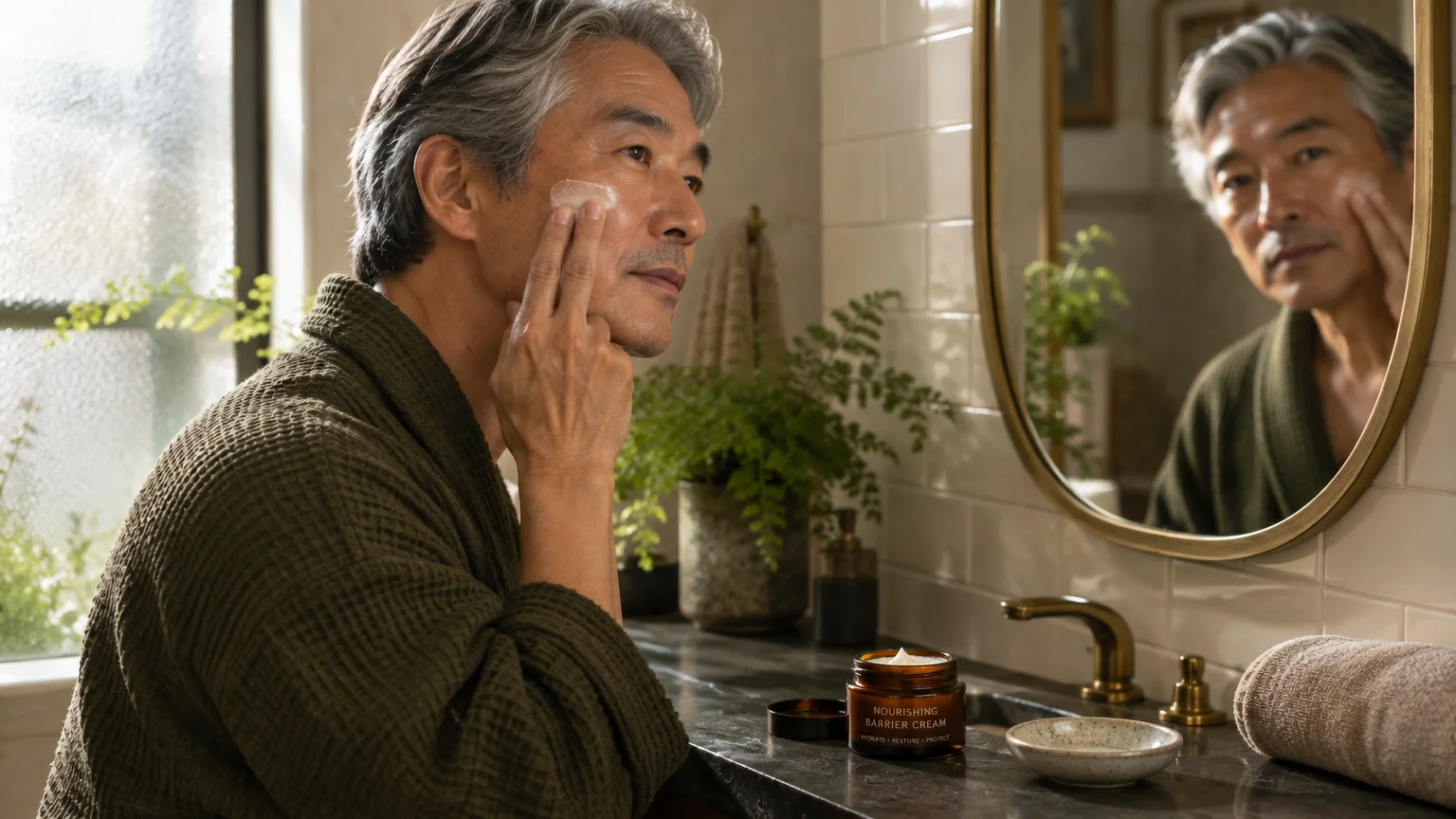
Healthy, resilient skin protects your body against infections and preserves your comfort as you stay active with family and friends. Caring for your skin as you age requires simple daily routines that restore moisture and defend against damage.
By adjusting your everyday habits, you can keep your skin barrier intact and maintain your physical independence. This guide outlines practical steps to nourish mature skin while preventing irritation and long-term sun complications.
Small adjustments in your bathroom and morning routines make an immediate difference in comfort and elasticity.

Understanding How Mature Skin Changes
Over time, natural hormonal shifts and reduced collagen production thin your outer skin layer. Your sweat and oil glands also slow down, which depletes essential lipid barriers.
The National Institute on Aging notes that aging skin bruises more easily and takes longer to repair after minor scratches. Loss of elasticity means everyday friction can cause tears if you do not protect fragile tissue.
Cell turnover slows significantly as the decades advance, leaving dull dead cells on the surface while reducing underlying elasticity. Supporting this slower renewal cycle requires nourishing ingredients that prevent irritation without harsh exfoliation.
Environmental exposure accelerates these internal changes; decades of ultraviolet light exposure break down deep structural fibers. Recognizing these shifts helps you choose gentle products that rebuild comfort rather than strip natural defenses.
Daily Cleansing and Hydration Strategies
Gentle Cleansing Without Stripping Oils
Hot showers dissolve natural oils and worsen dry, itchy patches across your arms and legs. Switch to warm water and limit your bathing time to under ten minutes.
Use fragrance-free, soap-free cleansers that wash away debris without disturbing your acid mantle. Harsh antibacterial bars strip protective lipids and leave your skin tight, sensitive, and vulnerable to micro-cracks.
Patting rather than rubbing with a towel protects sensitive capillaries from shearing force. Treat your skin like fine silk to maintain its structural strength.
Locking in Moisture Right Away
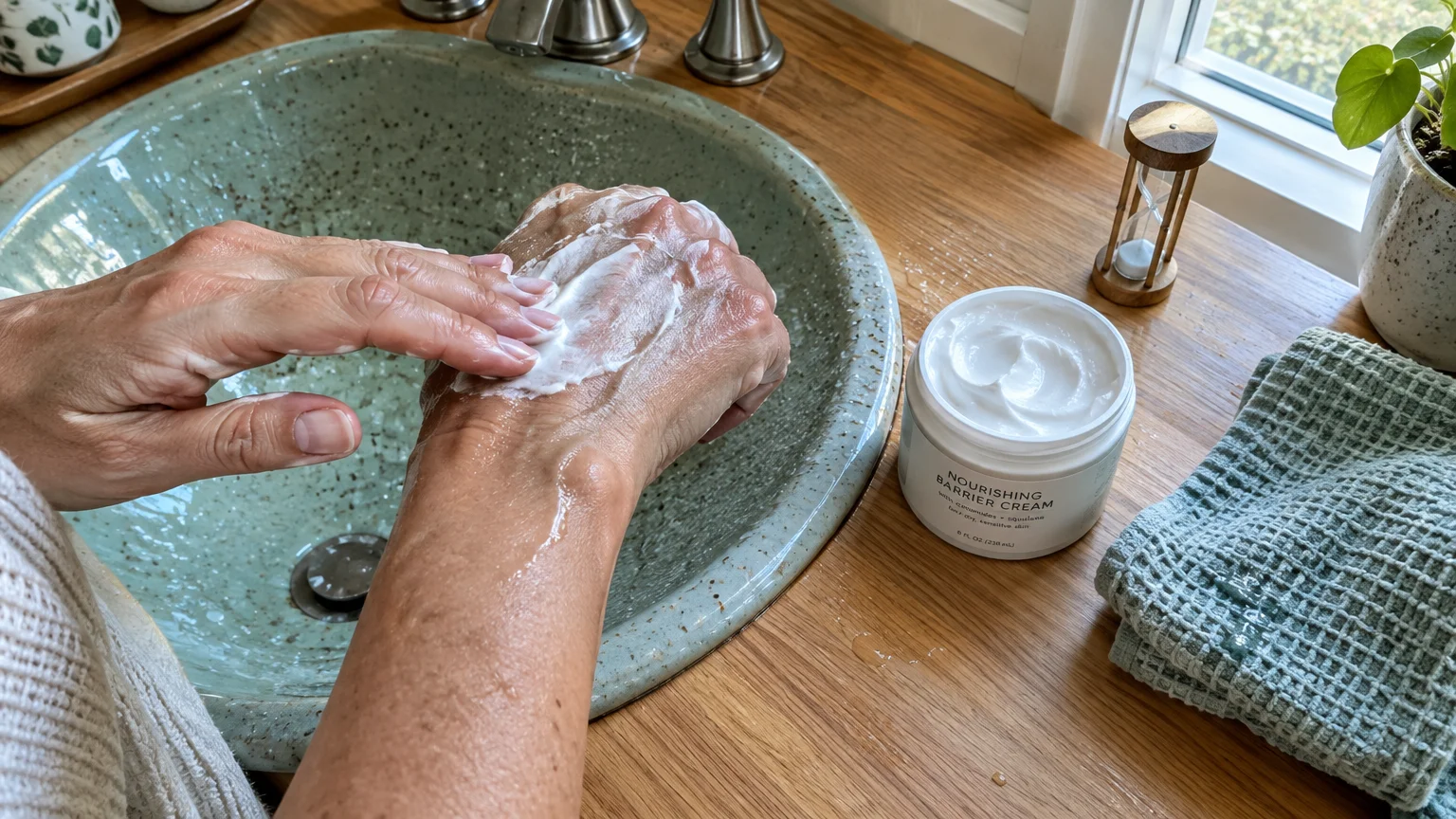
Pat your skin lightly with a clean towel after bathing, leaving a fine film of dampness on your body. Apply a rich ointment or cream within three minutes to seal that moisture deep inside the skin.
Look for formulations packed with ceramides, glycerin, and hyaluronic acid to replenish lost cellular fats. Thick creams packaged in tubs or tubes generally provide superior barrier repair compared to thin, watery pump lotions.
Guidance from the American Academy of Dermatology highlights the need for frequent moisturizing during cold, low-humidity months. Keep a travel-sized jar near your sink so you can rehydrate your hands immediately after washing them.

Sun Protection and Environmental Defense
Consistent Broad-Spectrum Sunscreen
Sun exposure remains the leading contributor to accelerated aging and dangerous skin cancers in mature adults. Daily defense prevents existing sun spots from darkening and reduces your lifetime cumulative radiation exposure.
Apply a broad-spectrum sunscreen with SPF 30 or higher to your face, neck, ears, and hands every morning. Mineral sunscreens featuring zinc oxide or titanium dioxide soothe sensitive skin and rarely cause stinging around older eyes.
The Centers for Disease Control and Prevention advises reapplying sun protection every two hours when spending extended time outside. Reapplication is especially critical if you garden, play golf, or swim.
Remember to shield your lower lip and scalp with SPF balm and protective headwear. Skin cancers develop frequently on these exposed areas because people often overlook them during their morning routine.
Protective Clothing and Environmental Shields
Sunscreen works best when paired with wide-brimmed hats and tightly woven clothing designed for ultraviolet protection. Long sleeves protect thin forearm skin from superficial bruising caused by simple garden branches or door frames.
During winter, dry indoor heating draws water out of your skin around the clock. Run a cool-mist humidifier in your bedroom to stabilize overnight moisture levels and ease waking itching.

Adapting Skin Care for Health Conditions and Reduced Mobility
Managing Thinning Skin and Fragility
Chronic health conditions such as diabetes or vascular disease demand extra attention to your feet and lower legs. Inspect your skin daily for pressure sores, cracks, or raw areas that could invite bacterial infections.
Choose seamless cotton or moisture-wicking bamboo socks to prevent heel fissures and friction blisters. Keeping your feet smooth and free of calluses protects your natural gait and balance.
If you bruise easily from blood-thinning medications, wear soft cotton layers to buffer your limbs against accidental bumps. Avoid harsh adhesive bandages on delicate skin; use paper tape or non-stick gauze pads instead.
Accessible Routines for Everyday Independence
Arthritic hands can struggle to press stiff pump dispensers or reach awkward areas along your back. Transfer your moisturizers into wide-mouth jars and invest in long-handled lotion applicators to stay self-reliant.
Place non-slip mats inside and outside your shower to prevent falls while applying slippery body washes. Safety and skin health work together to keep you living autonomously in your own home.
When to Check With a Doctor
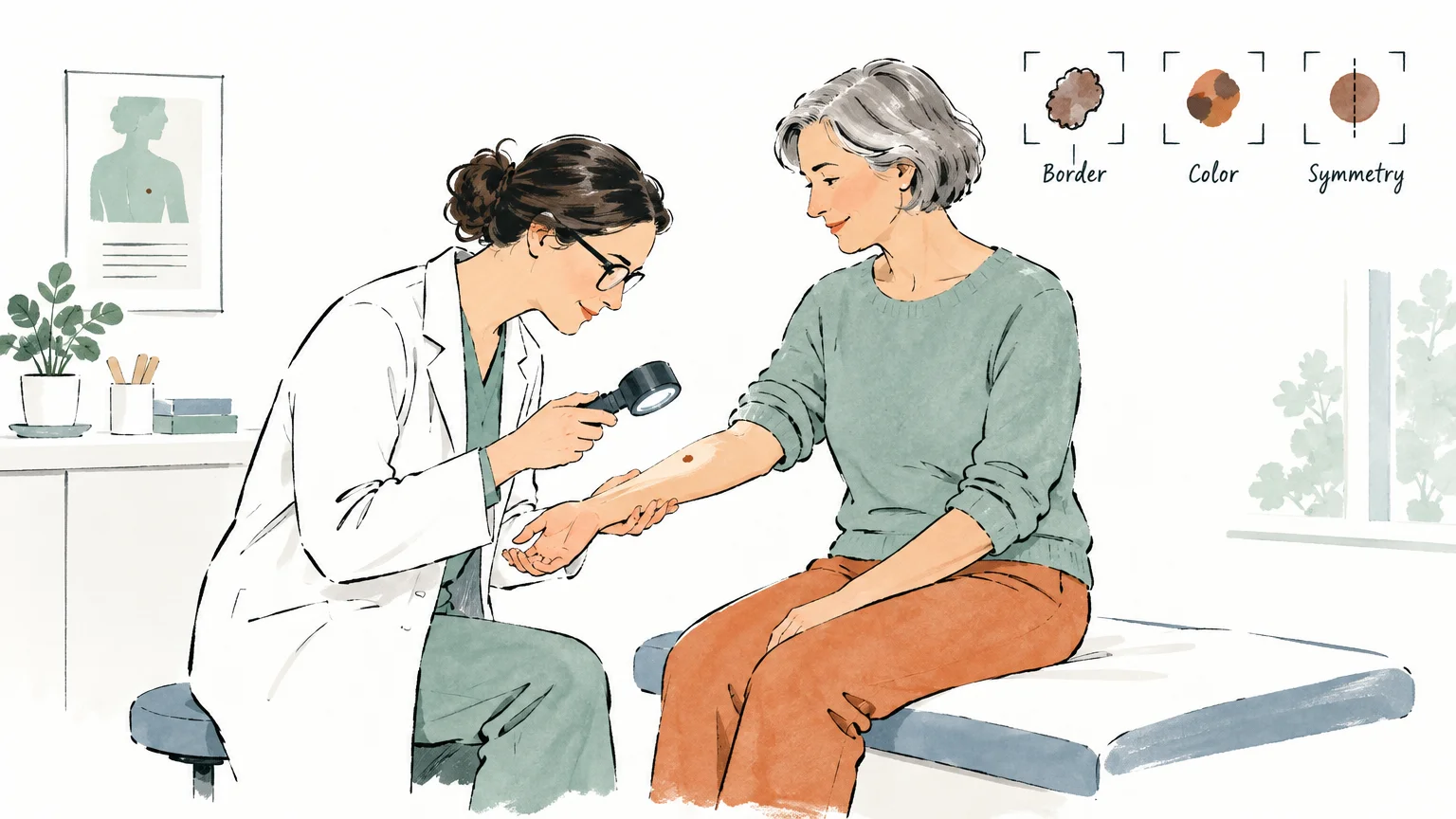
Schedule an annual skin exam with a board-certified dermatologist to establish a clear baseline for your body. Early detection of atypical growths significantly simplifies treatment and improves health outcomes.
The NHS recommends checking moles monthly for changes in asymmetry, borders, color, diameter, or rapid elevation. Any spot that bleeds, oozes, or refuses to heal after three weeks requires a medical evaluation.
Seek prompt medical guidance if you experience a deep skin tear that will not stop bleeding. Professional dressings protect vulnerable lower tissue and lower your risk of serious secondary bacterial infections.
Contact your doctor promptly if you develop sudden rashes, severe full-body itching, or unexpected bruising after starting new medications. These symptoms may reflect allergic reactions or underlying internal shifts rather than simple dry skin.
Frequently Asked Questions
Do I still need sunscreen on cloudy days or when staying indoors?
Yes, ultraviolet A rays penetrate window glass and heavy cloud cover throughout the year. Applying broad-spectrum SPF daily preserves your skin barrier and prevents ongoing DNA damage.
Can drinking water reverse severe dry skin?
Proper hydration supports systemic health, but water intake alone cannot repair an impaired lipid barrier. You must apply topical creams to trap water inside the skin and prevent surface evaporation.
How can I safely treat stubborn age spots?
Look for gentle ingredients like niacinamide or azelaic acid that brighten dark spots without peeling thin skin. Avoid strong, unverified chemical peels at home, which can cause permanent scarring on mature tissue.
Why does my skin itch constantly during the night?
Skin temperature rises at night and transepidermal water loss accelerates while you sleep. Applying an ointment before bed and keeping your bedroom cool will calm nerve endings and reduce itching.
One Small Step to Start This Week
Place a thick moisturizing cream right next to your bathroom towel rack tonight. Tomorrow, smooth it over your damp skin within three minutes of leaving the shower.
This single habit seals in hydration, stops persistent itchiness, and keeps your protective barrier strong for years of active living.