
You can preserve your strength, sharpen your mind, and protect your daily independence well into your later decades. Small, deliberate actions taken today shape how vibrant and capable you feel tomorrow.
Aging well does not require exhausting routines or extreme dietary restrictions. Instead, it relies on consistent practices that support your body, protect your brain, and keep you engaged with family.
This guide highlights ten realistic routines that build lasting vitality; you will also discover when to seek medical guidance to stay safe.
Understanding How Your Body Changes
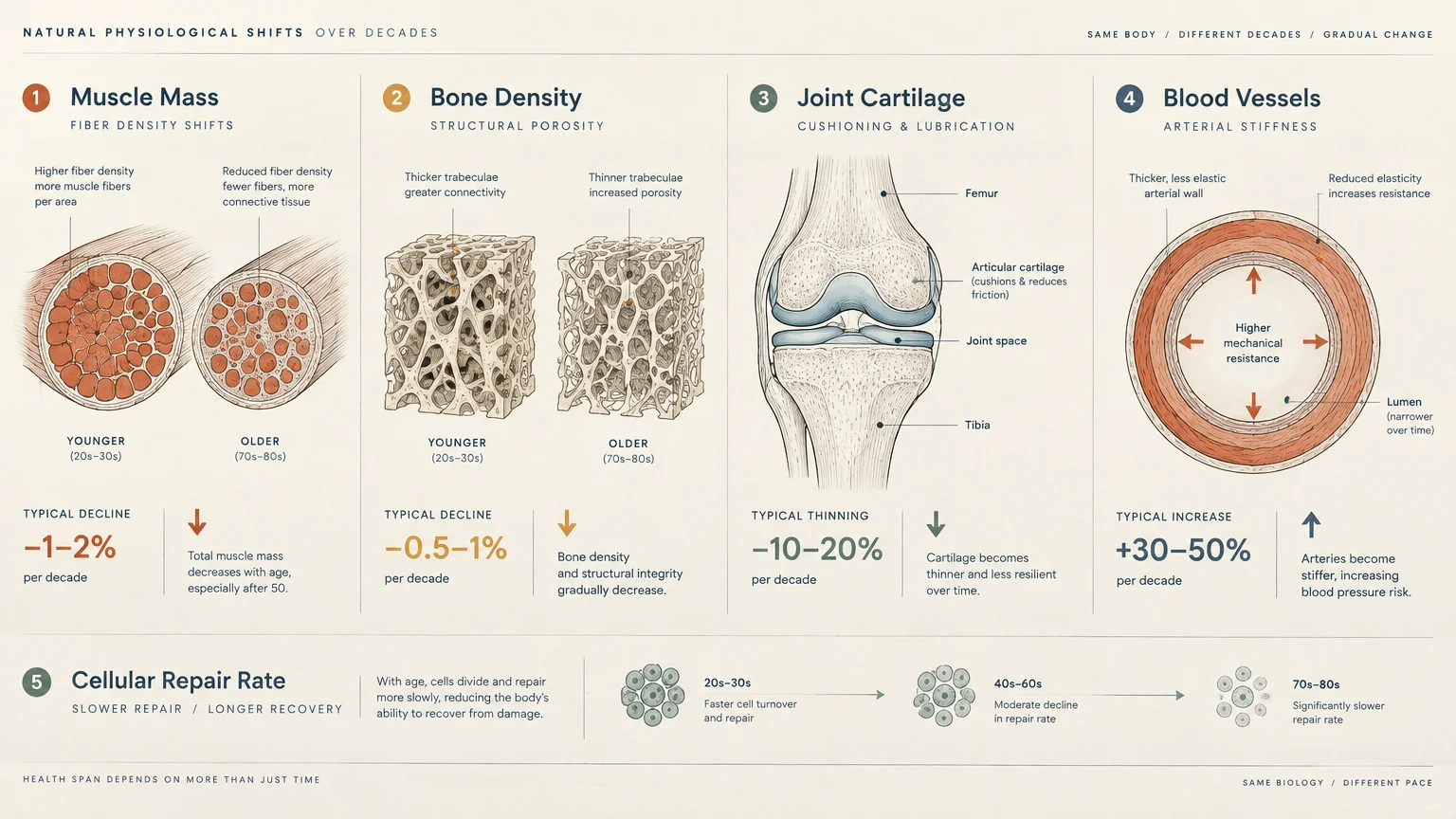
As the decades advance, your body naturally undergoes biological shifts. Muscle mass gradually declines, metabolism slows, and bone density decreases without intentional resistance activities.
Joint cartilage thins and blood vessels stiffen; simultaneously, cellular repair mechanisms operate at a slightly slower pace. Recognizing these changes helps you adjust your daily routines effectively rather than accepting decline as inevitable.
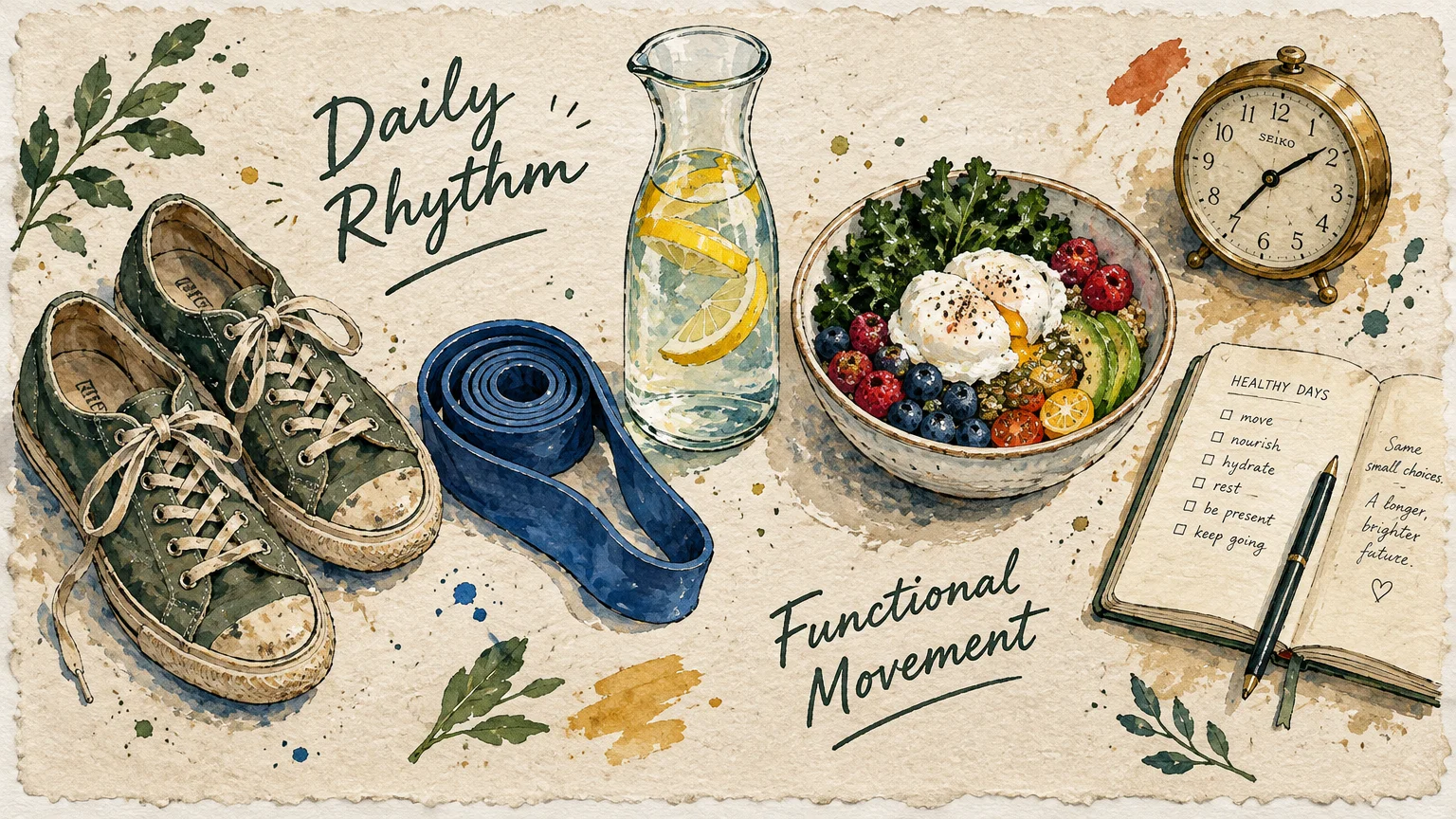
10 Everyday Habits for Lifelong Vitality
In this article10 items
- 1.Walk with Purpose Every Day
- 2.Preserve Muscle with Resistance Training
- 3.Eat Protein and Nutrient-Dense Whole Foods
- 4.Hydrate Before You Feel Thirsty
- 5.Prioritize Restorative Sleep
- 6.Train Your Balance to Prevent Falls
- 7.Challenge Your Brain Daily
- 8.Foster Meaningful Social Connections
- 9.Manage Stress Through Intentional Calm
- 10.Schedule Routine Preventive Screenings
Walk with Purpose Every Day
Brisk walking keeps your cardiovascular system efficient and maintains joint lubrication. Aim for regular walks that elevate your heart rate while still allowing comfortable conversation.
The Centers for Disease Control and Prevention recommends regular aerobic activity to lower your risk of chronic illness. Even ten-minute intervals throughout your day accumulate toward significant long-term protection.
If joint discomfort arises, choose low-impact options like water aerobics, cycling, or swimming.
Preserve Muscle with Resistance Training
Strength training directly counters age-related muscle loss and preserves functional mobility. Lifting light weights, using elastic bands, or performing bodyweight squats signals your muscle fibers to rebuild.
Stronger muscles absorb shock, protect vulnerable joints, and keep everyday activities—such as lifting groceries or rising from chairs—effortless.
Dedicate two non-consecutive days each week to basic functional movements to protect your joints from unnecessary strain.
Eat Protein and Nutrient-Dense Whole Foods
Your body requires quality protein to maintain tissue repair and immune defenses. Incorporate lean poultry, fish, eggs, beans, or Greek yogurt into your daily meals.
Pair your protein with colorful vegetables and fiber-rich grains to support digestive efficiency and maintain stable energy throughout the day.
Research highlighted by the National Institutes of Health confirms that nutrient-dense dietary patterns significantly promote long-term cellular health.
Hydrate Before You Feel Thirsty
The natural thirst sensation diminishes as you grow older; consequently, mild dehydration often creeps up unnoticed. Keep a filled water bottle nearby and drink consistently from morning until evening.
Proper fluid intake lubricates your joints, assists kidney filtration, prevents sudden dizziness, and supports cognitive clarity.
Herbal teas and water-rich foods like cucumbers and melons also contribute effectively to your daily hydration goals.
Prioritize Restorative Sleep
Deep sleep serves as the brain’s nightly cleaning cycle, clearing metabolic waste and consolidating memory. The National Institute on Aging emphasizes that consistent sleep schedules actively promote emotional balance and cognitive health.
Keep your bedroom dark, cool, and quiet; avoid bright screens for at least an hour before bedtime to support your natural melatonin production.
Train Your Balance to Prevent Falls
Balance requires deliberate maintenance just like cardiovascular endurance. Practice standing on one foot while brushing your teeth, or perform gentle heel-to-toe walking along a flat hallway.
Disciplines such as tai chi build stability and spatial awareness, significantly reducing your lifetime risk of accidental falls.
Challenge Your Brain Daily
Cognitive reserve deepens whenever you force your brain to master unfamiliar skills. Learn a new musical instrument, study a second language, or tackle complex strategy puzzles.
Passive consumption does not stimulate neural plasticity; instead, pick activities that require active concentration and creative problem-solving.
Regular mental challenges stimulate connections between brain cells, helping maintain sharp recall as the years progress.
Foster Meaningful Social Connections
Social isolation harms health as severely as physical inactivity. Schedule regular phone calls, volunteer in your local neighborhood, or join community hobby groups.
Research documented by the National Health Service shows that staying connected buffers stress and preserves emotional resilience.
Manage Stress Through Intentional Calm
Chronic stress elevates cortisol levels, which impairs sleep quality, elevates blood pressure, and weakens immune responses. Dedicate ten minutes daily to diaphragmatic breathing, meditation, or quiet time outdoors.
These deliberate pauses reset your nervous system, allowing your heart rate and vascular tension to normalize.
Schedule Routine Preventive Screenings
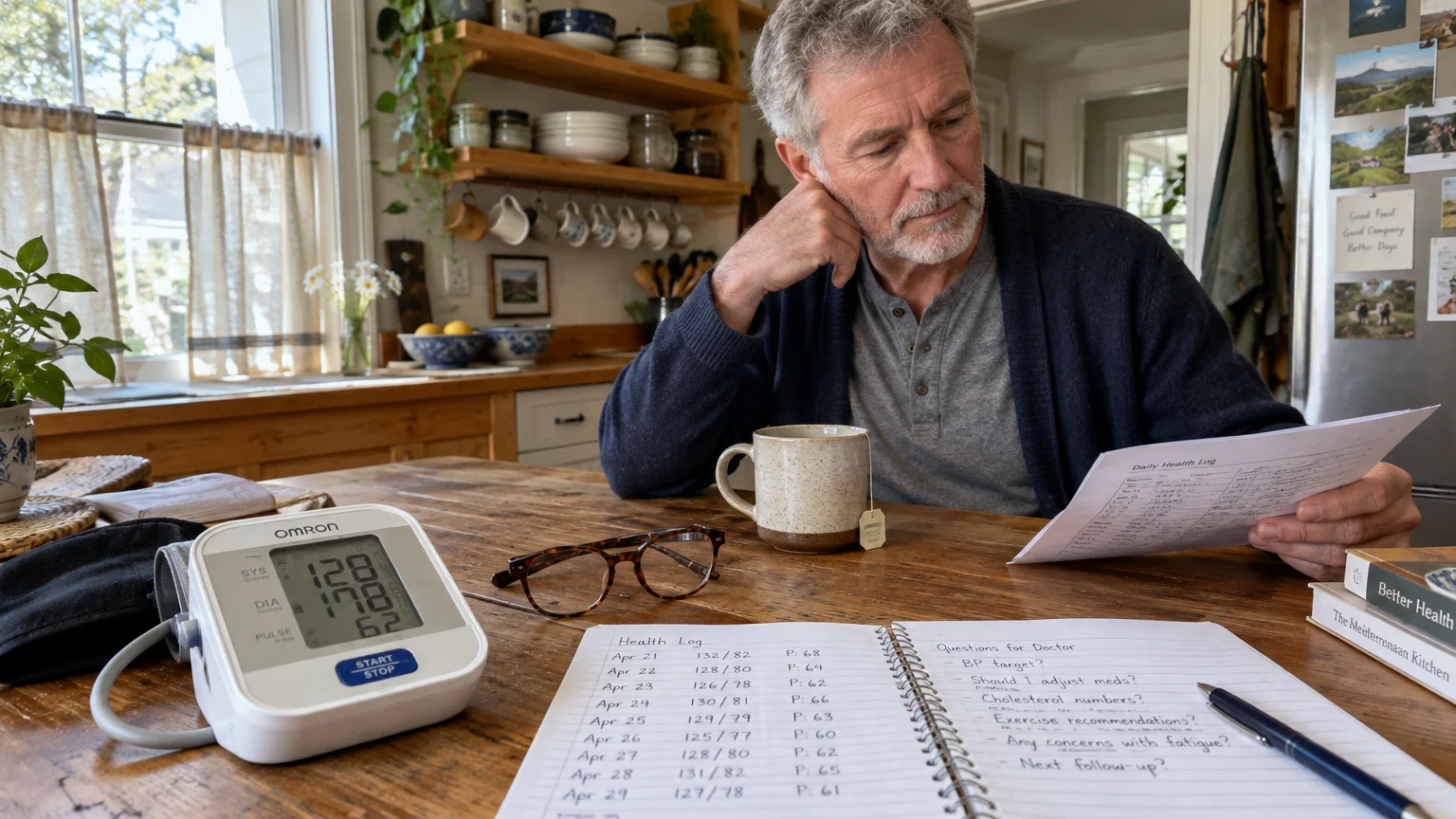
Early detection changes outcomes for blood pressure, blood glucose, bone mineral density, and vision concerns. Partner with your primary care provider to schedule annual wellness visits and age-appropriate screenings.
Review your prescription medications together regularly to prevent unintended interactions or side effects.
When to Consult a Physician
Always consult your medical provider before launching a vigorous new exercise program, especially if you manage cardiovascular disease, osteoporosis, or diabetes.
Seek prompt medical evaluation if you experience unexpected dizziness, sudden joint swelling, unexplained weight loss, or difficulty with daily balance.
This content provides helpful educational insights, but personalized clinical guidance from your physician remains the ultimate authority on your personal health.
Frequently Asked Questions
Is it ever too late to start exercising?
No, your body retains the capacity to build muscle and improve aerobic capacity at any age. Even gentle chair-based movements generate measurable health gains.
How much water should I drink each day?
Fluid requirements vary based on climate, activity level, and medical conditions. Checking that your urine remains pale straw-colored serves as a reliable personal indicator.
Can everyday habits really prevent cognitive decline?
Healthy lifestyle habits build cognitive resilience and lower vascular risks associated with dementia. Physical activity, social engagement, and proper sleep protect brain architecture over time.
What is the most critical habit for preventing falls?
Combining lower-body strength training with balance drills provides the most effective protection. Strong ankles and responsive core muscles help you catch yourself if you trip.
Your Next Step Toward Aging Well
You do not need to overhaul your entire lifestyle overnight. Pick one simple habit today—such as taking a brisk fifteen-minute walk or drinking an extra glass of water.
Consistency creates lasting vitality; master one small change this week, and let your confidence grow naturally.