Strong bones give you the freedom to lift grandchildren, travel comfortably, and safeguard everyday independence. Protecting skeletal strength after 50 requires deliberate daily habits rather than overwhelming lifestyle overhauls.
As hormone levels and cellular turnover shift over time, bone mineral density declines. Without targeted daily support, this silent loss gradually erodes physical balance and mobility.
This guide explains the biology of bone loss, essential daily nutrients, targeted exercise habits, and the latest clinical screening guidelines.
Why Bone Density Changes After 50
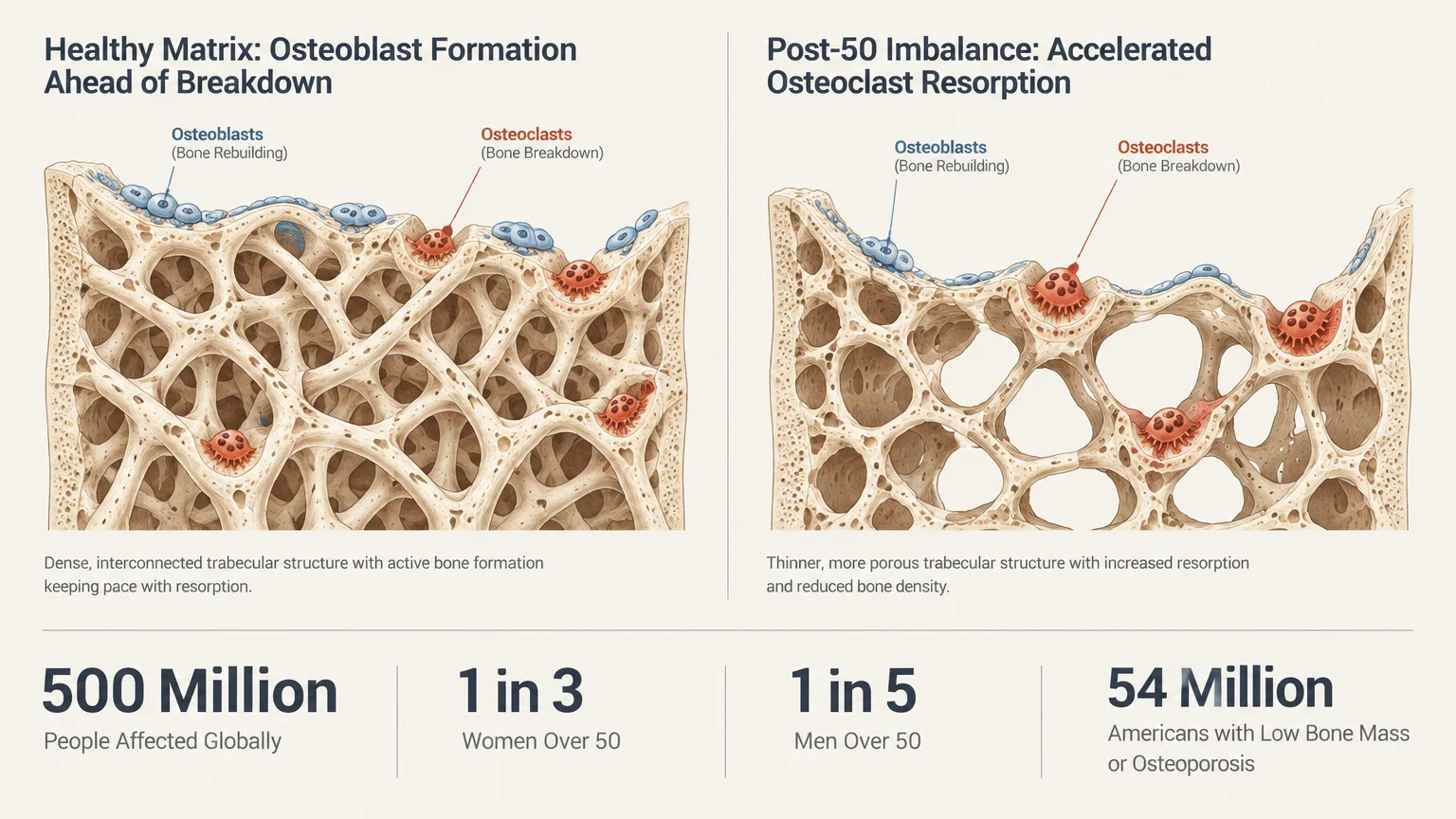
Living bone constantly remodels by breaking down old tissue and building fresh mineral structures. In youth, bone formation outpaces breakdown, creating a resilient skeleton.
After age 50, declining estrogen in women and testosterone drops in men accelerate bone loss. Specialized osteoclasts reabsorb bone tissue faster than osteoblasts can rebuild it.
This imbalance often leads to osteopenia or osteoporosis, leaving bone porous and brittle. According to the International Osteoporosis Foundation, osteoporosis affects approximately 500 million people globally.
Worldwide, 1 in 3 women and 1 in 5 men over age 50 will experience an osteoporotic fracture. In the United States alone, osteoporosis causes an estimated 2 million broken bones annually.
The Bone Health and Osteoporosis Foundation reports that 10 million Americans aged 50 and older have osteoporosis. Another 44 million have low bone density, meaning 54 million older adults face elevated fracture risks.
Up to 80% of older adults who break a bone never receive testing or treatment for the underlying condition. Recognizing these shifts empowers you to intervene long before a fracture occurs.
Fueling Strong Bones: Daily Nutritional Targets
Calcium: Food First, Supplements Second
Calcium serves as the primary mineral building block for the skeleton. When dietary intake falls short, the body leaches calcium from bones to support critical nerve and muscle function.
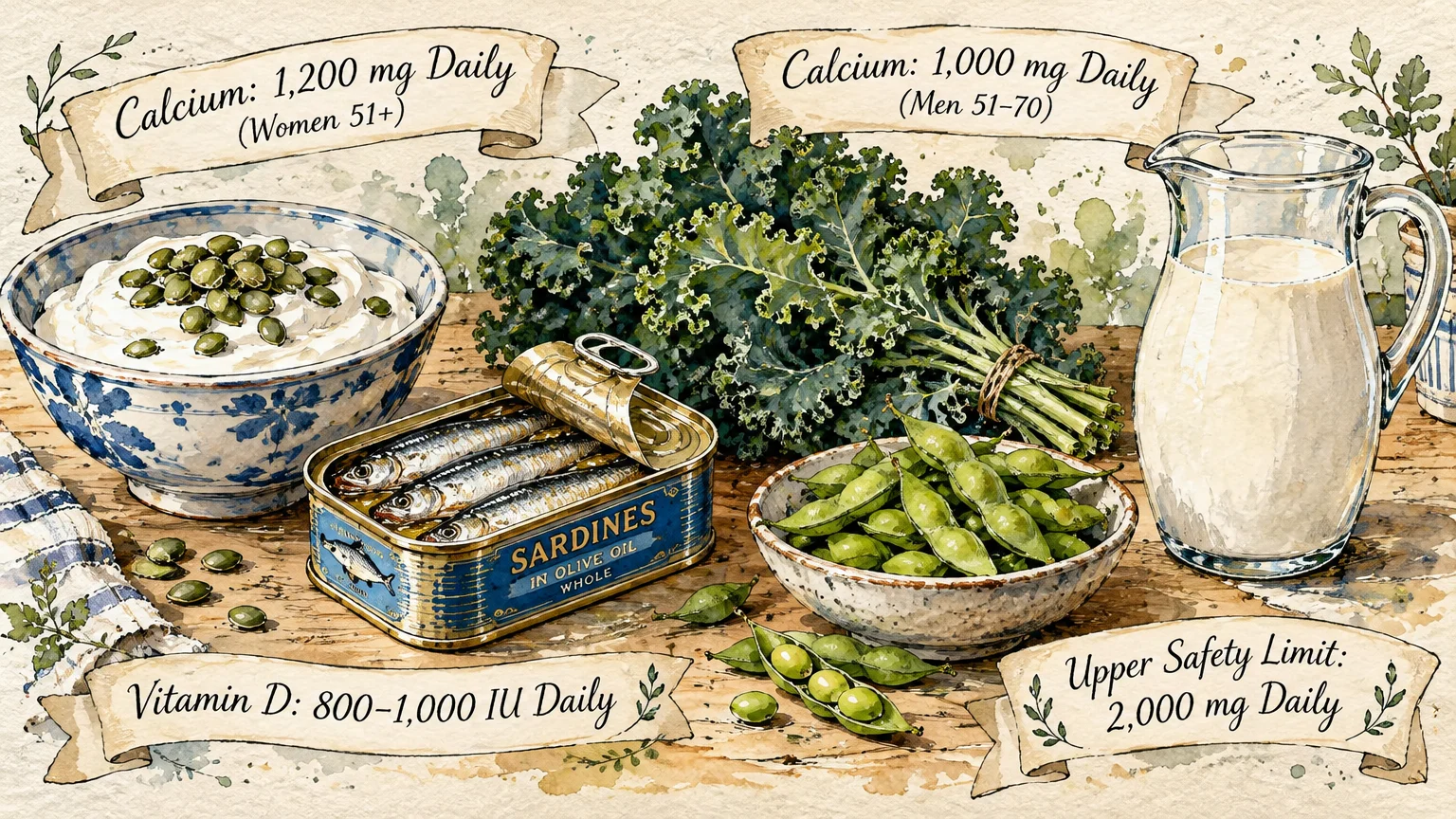
Women aged 51 and older require 1,200 mg of calcium daily from food and supplements combined. Men aged 51 to 70 need 1,000 mg daily, increasing to 1,200 mg at age 71.
Aim to satisfy these requirements primarily through dietary sources like yogurt, fortified dairy alternatives, canned sardines, and dark leafy greens. Food-based calcium absorbs efficiently and supports digestive wellness.
Never consume more than 2,000 mg of calcium daily. Exceeding this upper safety limit increases the risk of kidney stones and cardiovascular complications.
Vitamin D for Critical Mineral Absorption
The digestive tract cannot absorb calcium efficiently without adequate vitamin D. Think of vitamin D as the essential key that unlocks calcium uptake in the intestines.
The Bone Health and Osteoporosis Foundation recommends 800 to 1,000 IU of vitamin D daily for adults aged 50 and older. Because food and sun exposure rarely provide enough, supplements often prove necessary.
Movement Strategies to Stimulate Bone Remodeling
Aerobic Weight-Bearing Exercise
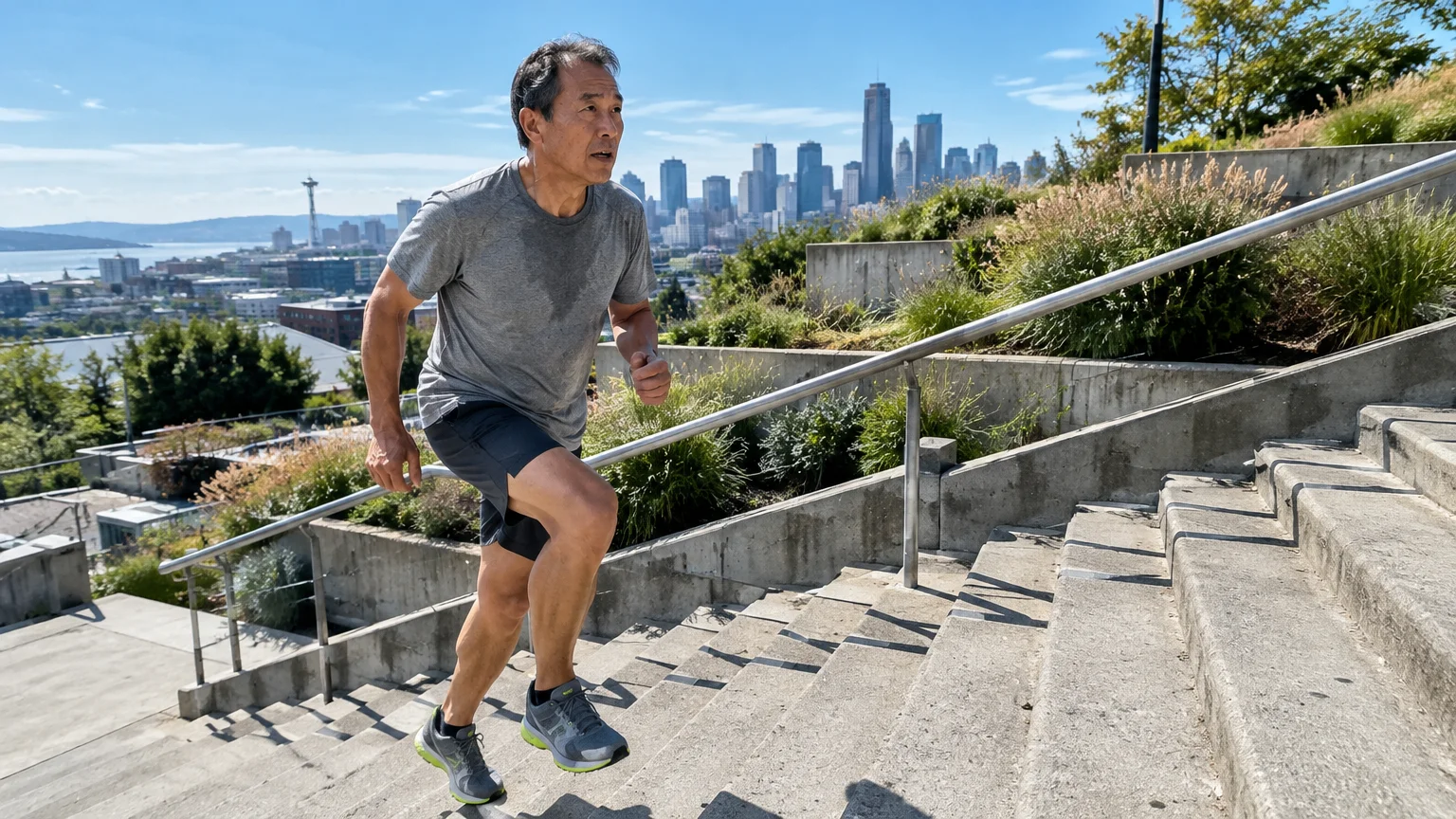
Bones adapt to mechanical stress by laying down denser mineral matrices. Weight-bearing aerobic exercise works against gravity, signaling bone-building cells to strengthen high-risk sites like hips.
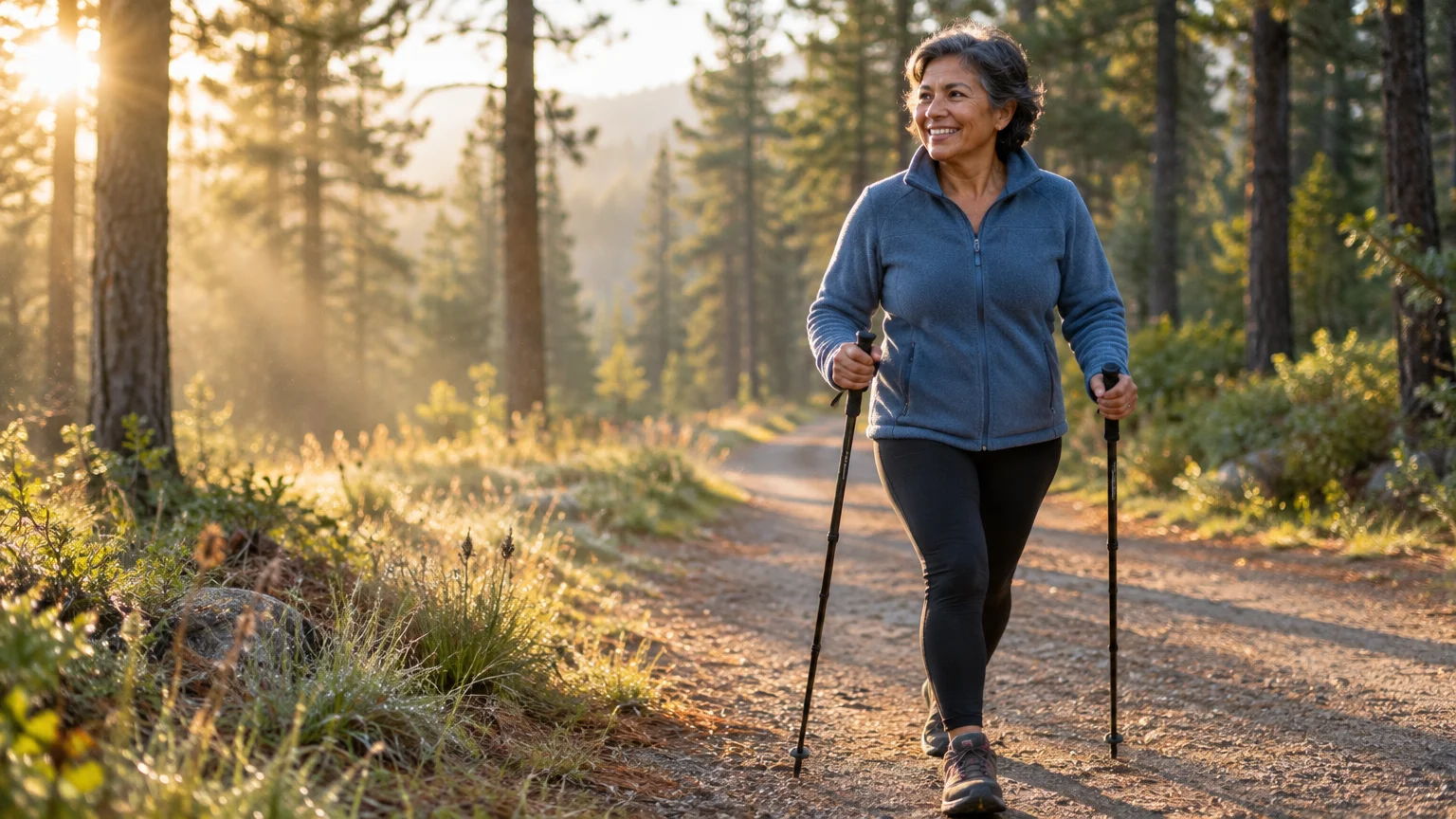
Follow guidelines from the Centers for Disease Control and Prevention by accumulating 150 to 300 minutes of moderate-intensity weight-bearing aerobic activity weekly. Brisk walking, low-impact aerobics, and stair climbing work exceptionally well.
If you manage joint discomfort, substitute high-impact jogging with brisk uphill walking or dancing. These alternatives deliver productive mechanical loading without irritating arthritic knees or hips.
Strength and Resistance Training
While aerobic conditioning preserves cardiovascular endurance, muscle contraction provides the concentrated strain required to stimulate cortical bone. Strengthening exercises pull directly on bone attachments, triggering targeted remodeling.
Perform resistance training at least 2 days a week, engaging all major muscle groups through free weights, resistance bands, or bodyweight exercises. Focus on foundational movements like squats, seated rows, and overhead presses.
For adults aged 65 and older, guidelines emphasize multicomponent physical activity incorporating functional balance and strength training 3 or more days weekly. Practicing single-leg stands, heel-to-toe walking, and tai chi substantially reduces fall risks.
Medical Screenings: When to Check Your Bone Mineral Density
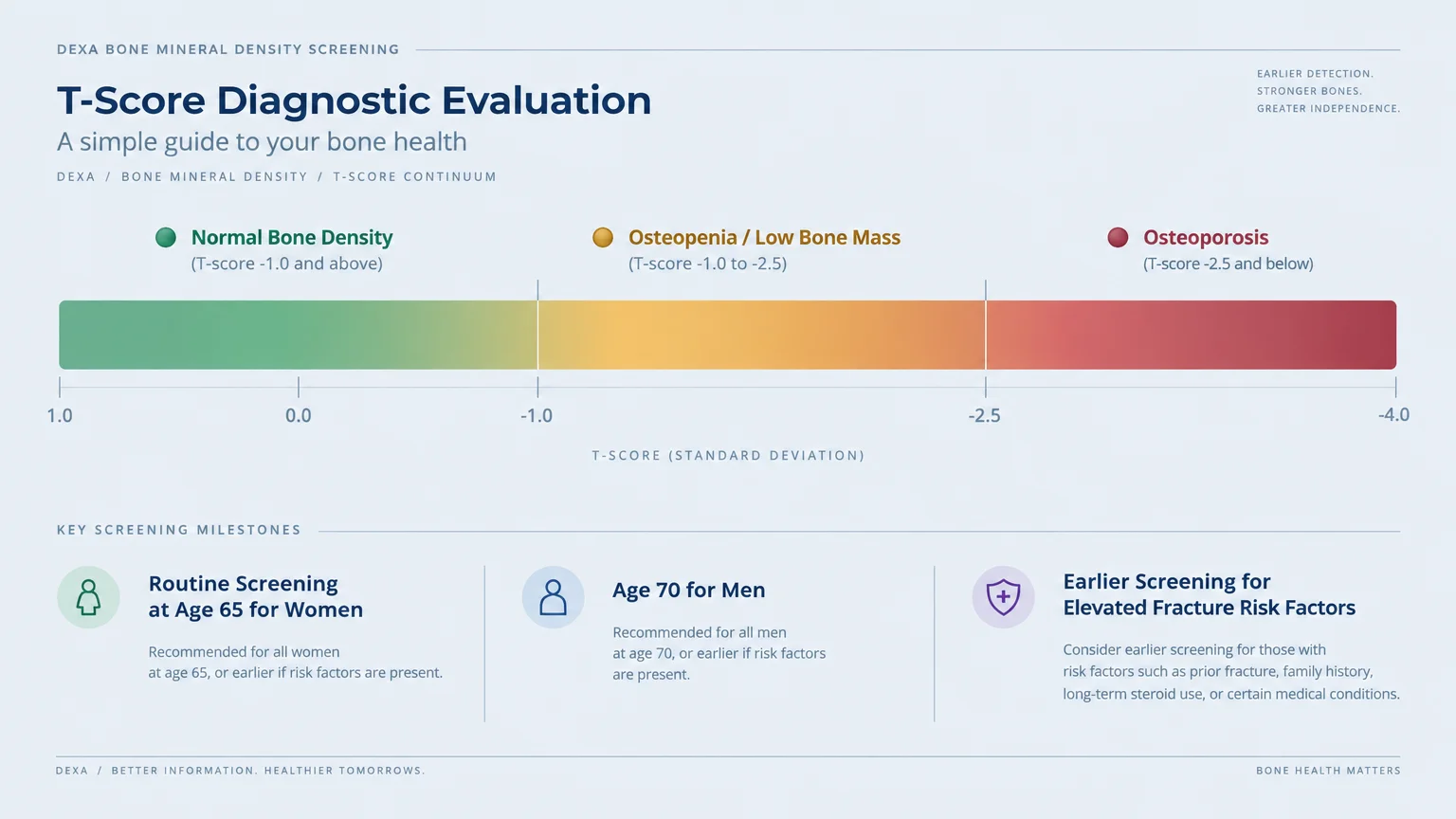
Osteoporosis progresses without warning signs until an unexpected fracture occurs. A central dual-energy X-ray absorptiometry scan, known as a central DXA scan, provides a painless, accurate measurement of skeletal density.
In January 2025, the U.S. Preventive Services Task Force updated clinical guidelines recommending routine central DXA screening for all women aged 65 and older. This baseline scan establishes whether therapeutic intervention is necessary.
For postmenopausal women aged 50 to 64, the updated guidelines recommend a two-step approach. Clinicians first assess clinical risk factors—such as low body weight, smoking, or parental hip fracture history—using formal risk tools like FRAX to decide if scanning is warranted.
The task force notes current evidence remains insufficient to recommend routine screening for men without prior fragility fractures. However, men with significant risk factors should discuss targeted evaluation with their primary care provider.
When to Consult a Physician
Consult a physician before initiating a vigorous resistance regimen, especially if you have been sedentary. A doctor can recommend safe movement adaptations and screen for underlying conditions.
Schedule an immediate medical evaluation if you experience a fall, sudden unexplained back pain, or a noticeable loss in height. These changes can signal undiagnosed vertebral compression fractures requiring prompt clinical management.
Review existing prescriptions with a doctor or pharmacist as well. Long-term use of certain medications, including systemic corticosteroids, can accelerate bone thinning and warrant protective medical therapy.
This educational guide provides general health information rather than individual medical advice. Collaborate with your healthcare team to tailor these principles to your personal medical history.
Frequently Asked Questions About Bone Health After 50
Can you rebuild bone density after 50, or only stop bone loss?
You can rebuild bone density after 50 through consistent progressive resistance training and optimized nutrition. While reversing advanced osteoporosis entirely is challenging, targeted habits and medical therapies restore structural strength and reduce fracture risks.
Is walking enough exercise to prevent osteoporosis?
Walking provides an excellent baseline for cardiovascular wellness and hip health, but does not fully protect against osteoporosis. You need targeted resistance training to generate sufficient mechanical stress to strengthen the spine and upper body.
Should I take a single large calcium supplement daily?
The digestive system absorbs calcium most effectively when consumed in doses of 500 mg or less throughout the day. Prioritize whole dietary sources, and split supplementary doses between morning and evening meals.
Does osteoporosis cause noticeable symptoms before a fracture occurs?
Osteoporosis remains fundamentally silent until a sudden bone break occurs. Occasional warning signs include gradual height loss, a stooped upper spine posture, or sudden unexplained back spasms.
Your Next Step: One Habit to Start This Week
Protecting your bones does not require transforming your lifestyle overnight. Choose one manageable, high-impact habit to practice consistently over the next seven days.
Begin by adding two weekly 20-minute bodyweight resistance sessions to your routine, focusing on simple chair squats and wall push-ups. Pair this physical commitment with a daily calcium-rich snack to invest in lasting independence.