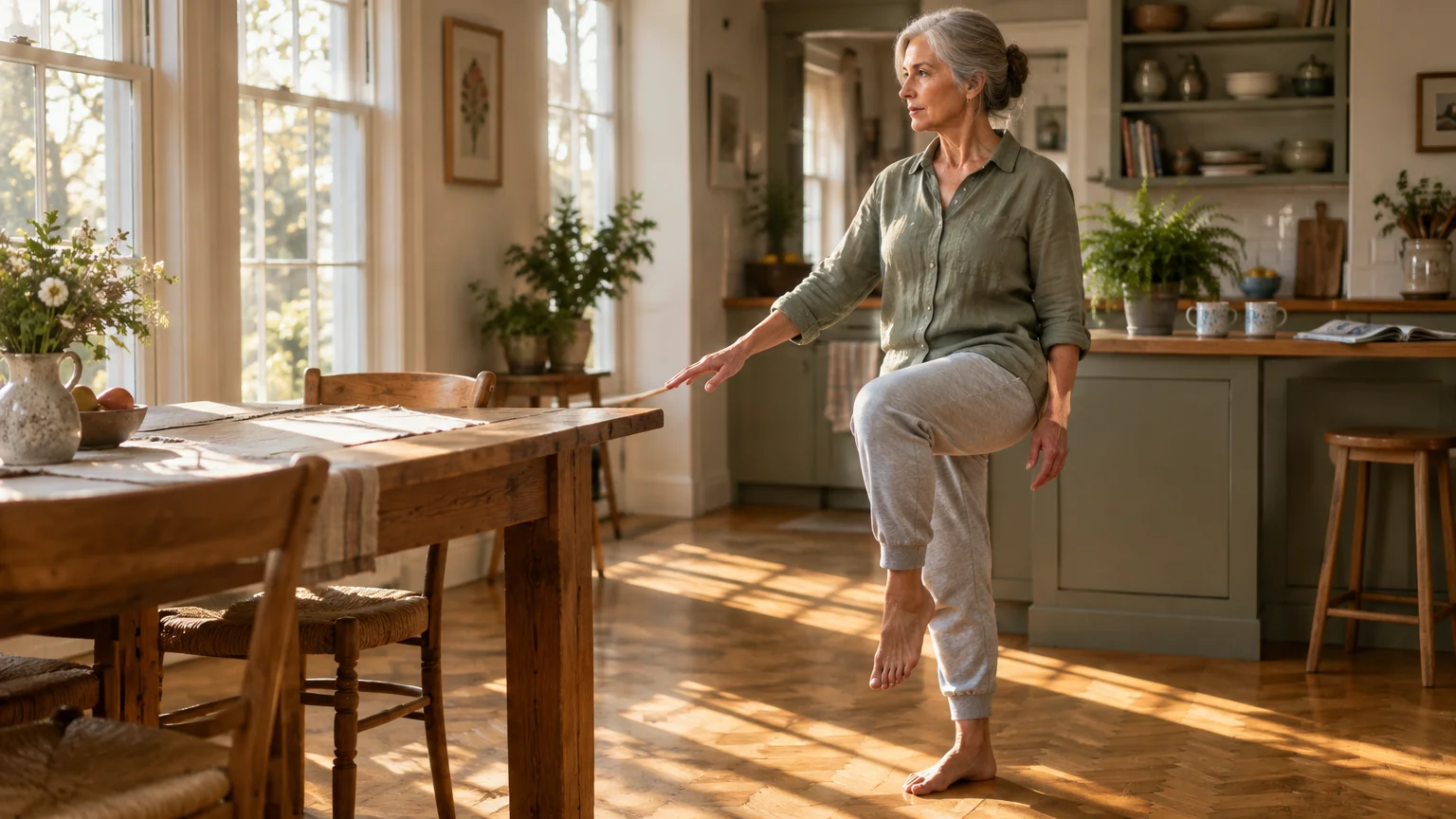
Maintaining your balance keeps you active, energized, and ready to enjoy everyday activities with your family. Practicing targeted physical movements preserves your independence and sharpens your mobility as you grow older.
Simple daily balance exercises build lower-body strength and train your neuromuscular pathways to prevent stumbles. By investing a few minutes each day, you can protect your long-term stability and confidence.
This practical guide outlines simple routines to reinforce your body against falls, adapt movements safely, and keep you confident at home.
Why Balance Changes Over Time
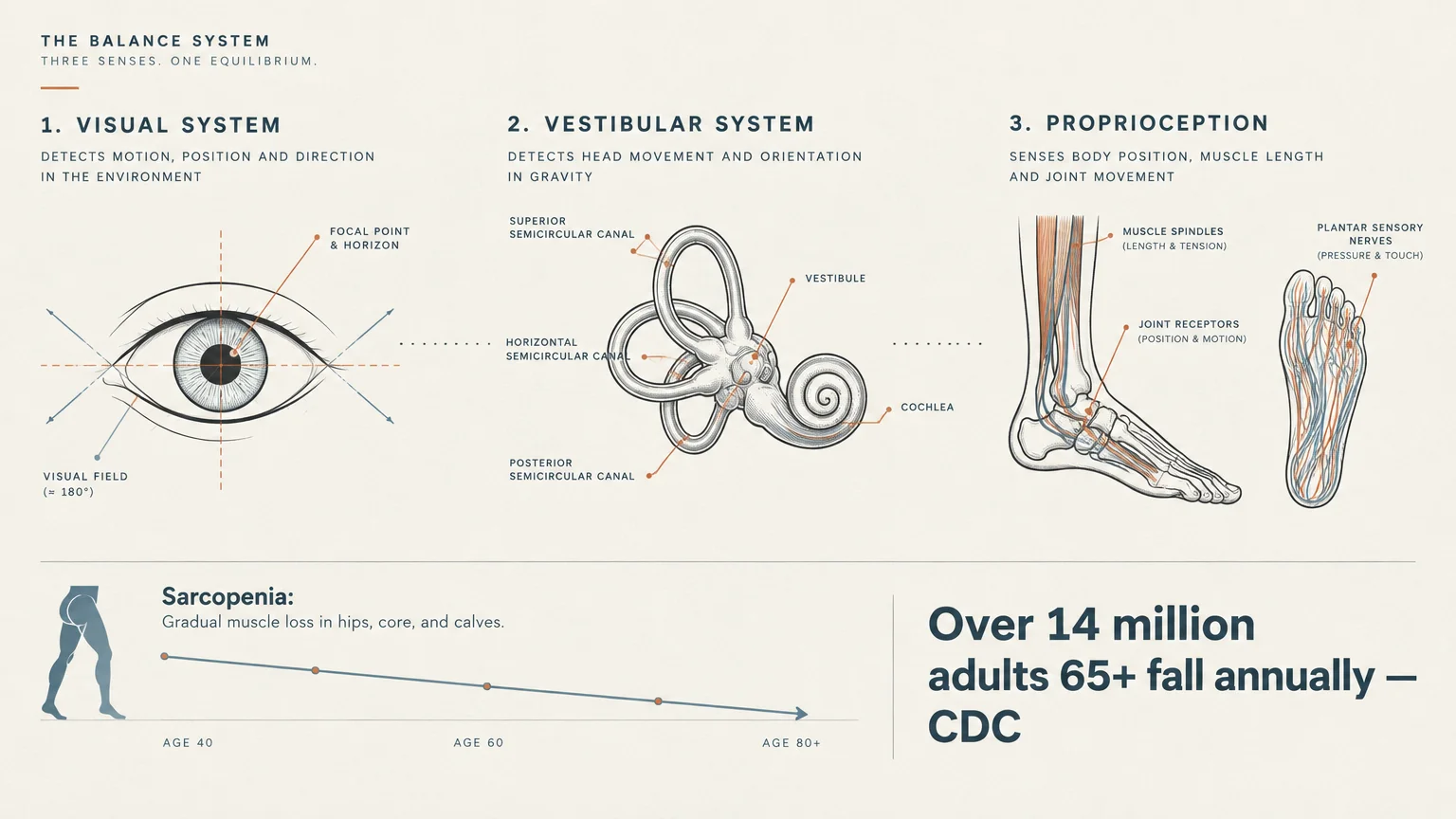
Balance relies on a complex network combining your eyes, your inner ear vestibular system, and sensory nerves in your joints. As the decades pass, subtle shifts in these systems slow your physical reaction times.
Sarcopenia, the age-related loss of muscle mass, also weakens the stabilizing muscles in your hips, calves, and core. Without deliberate training, these physical changes make sudden missteps harder to correct.
The Centers for Disease Control and Prevention reports that over 14 million older Americans fall each year. That figure means more than one in four adults aged 65 and older experiences a fall annually.
Falling once also doubles your chances of falling again. Fortunately, targeted training counteracts muscle loss and retrains your nervous system to respond rapidly.
Evidence-Based Exercise Recommendations
Medical experts consistently emphasize that physical movement serves as your most dependable defense against accidents. You can actively retrain your balance systems at any stage of life.
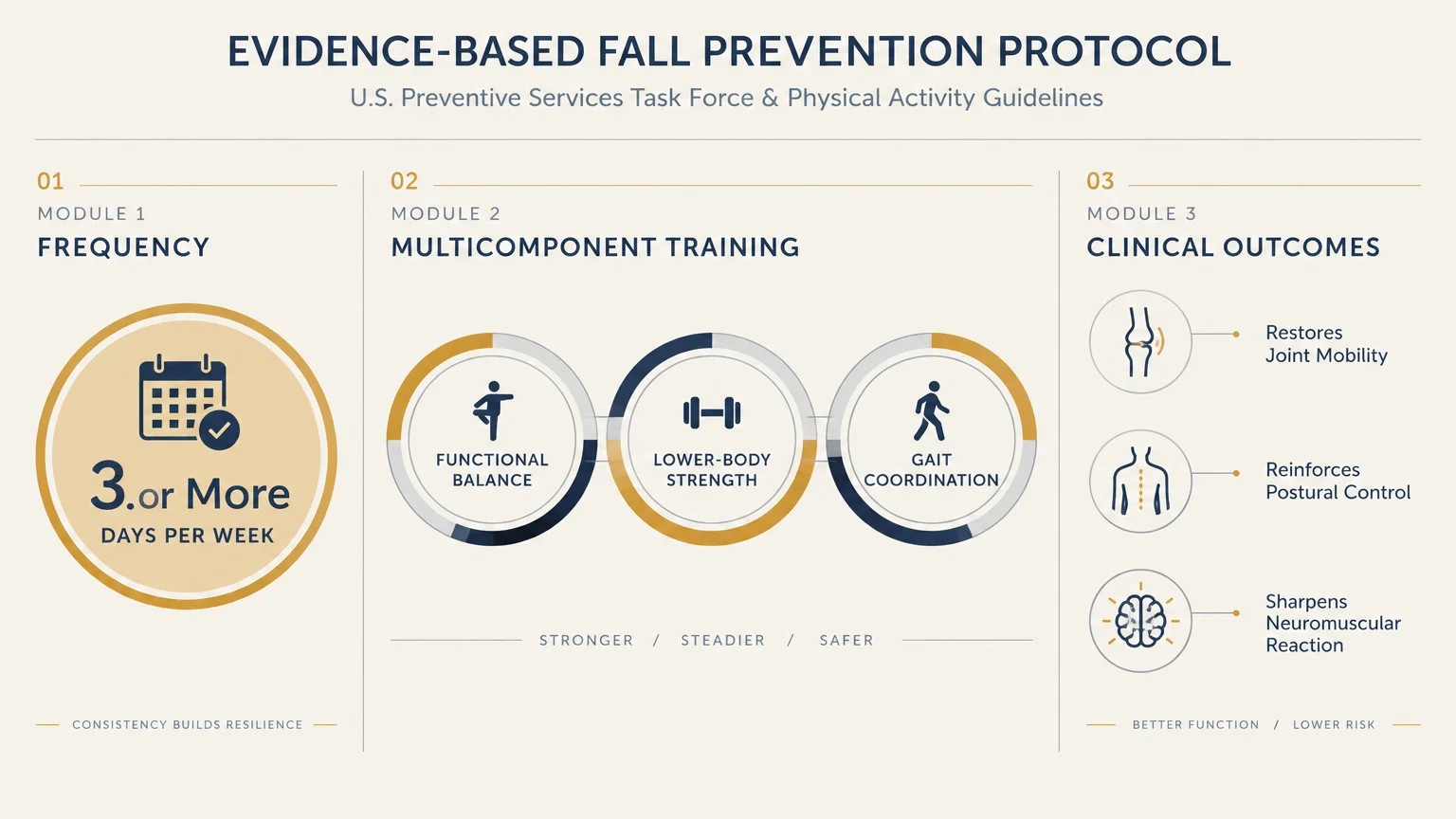
The U.S. Preventive Services Task Force recommends structured exercise focusing on balance, gait, and functional training for older adults at increased risk of falls.
Official physical activity guidelines recommend multicomponent exercise emphasizing functional balance and strength training on three or more days per week. Combining these movements provides comprehensive physical protection.
Consistent practice restores joint mobility, reinforces postural control, and builds the lower-body power necessary to maintain steady footing.
Four Essential Balance Exercises
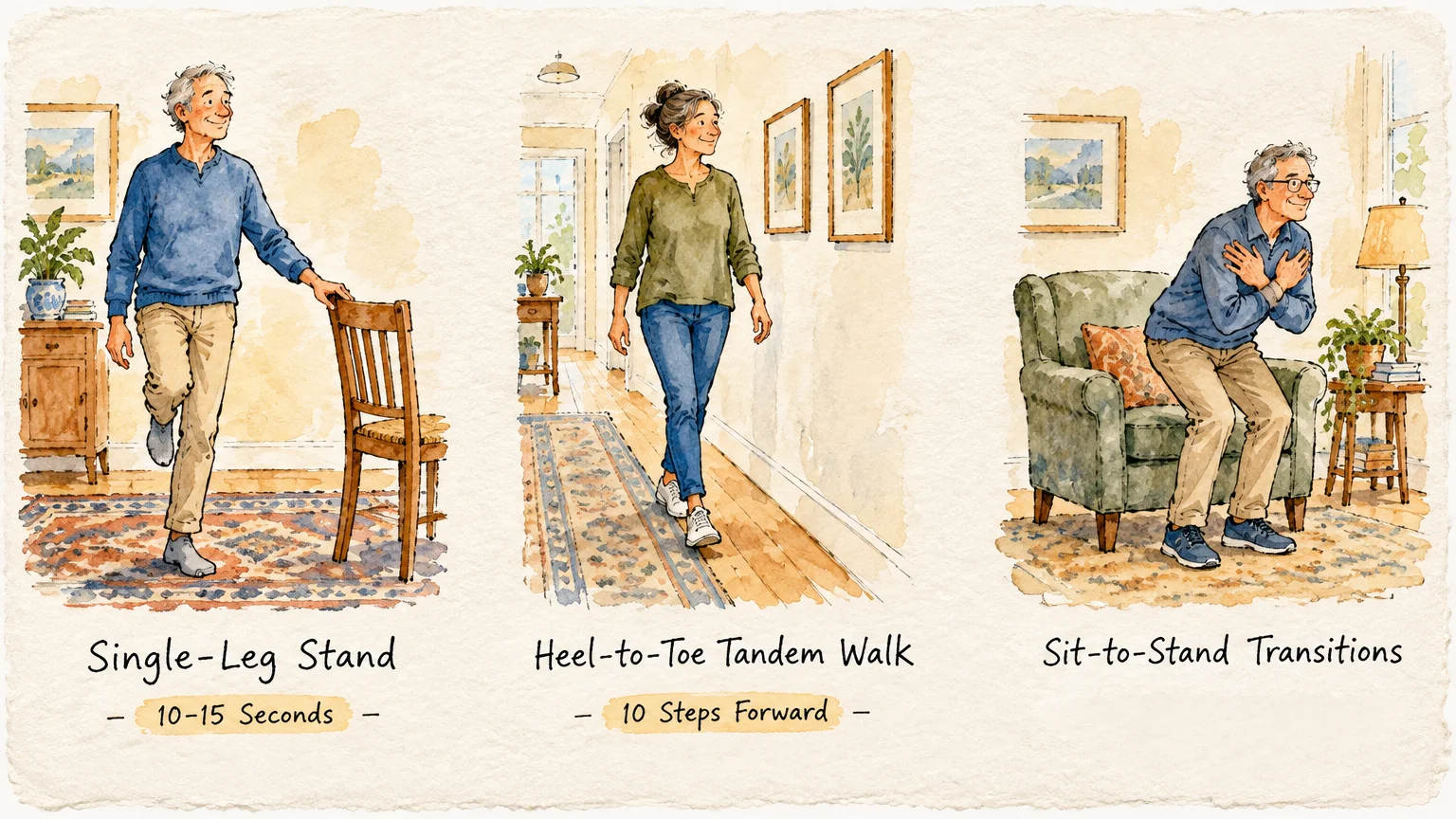
The Single-Leg Stand
Single-leg stands strengthen your ankles and stimulate the stabilizing muscles in your hips. Stand tall near a sturdy kitchen counter or heavy dining chair for steady support.
Lift one foot slightly off the floor while keeping your chest lifted and shoulders relaxed. Hold the position for ten to fifteen seconds before switching to your other side.
If you feel unsteady, lightly rest two fingers on your support surface. As your balance improves, try hovering your hand an inch above the counter.
Heel-to-Toe Tandem Walk
Tandem walking narrows your base of support, forcing your brain and feet to coordinate precise adjustments. This movement mimics navigating tight hallways, crowded rooms, or uneven sidewalks.
Position your right heel directly in front of your left toes so they touch. Step forward with your left foot, placing that heel directly against your right toes.
Walk ten steps forward in a straight line alongside an unobstructed wall. Keep your gaze forward rather than staring straight down at your feet.
Sit-to-Stand Transitions
Rising from a seated position develops the functional leg power required for getting out of chairs, cars, and beds. This movement strengthens your quadriceps, hamstrings, and glutes simultaneously.
Sit near the front edge of a sturdy armchair with your feet flat on the floor. Lean forward from your hips, press through your heels, and rise smoothly into a standing position.
Pause for a moment, then slowly lower your body back into the seat under complete control. Aim to complete eight to ten deliberate repetitions without rushing.
Weight Shifts and Lateral Steps
Lateral stability prevents sideways falls, which frequently cause severe hip injuries. Weight shifting trains your hips to absorb dynamic changes in direction.
Stand with your feet hip-width apart and gently shift your weight entirely onto your right foot. Lift your left foot slightly, hold for three seconds, and return to center.
Repeat the shift toward your left side for ten repetitions. You can advance this movement by taking slow, controlled side steps across the room.
Adapting Exercises to Your Ability
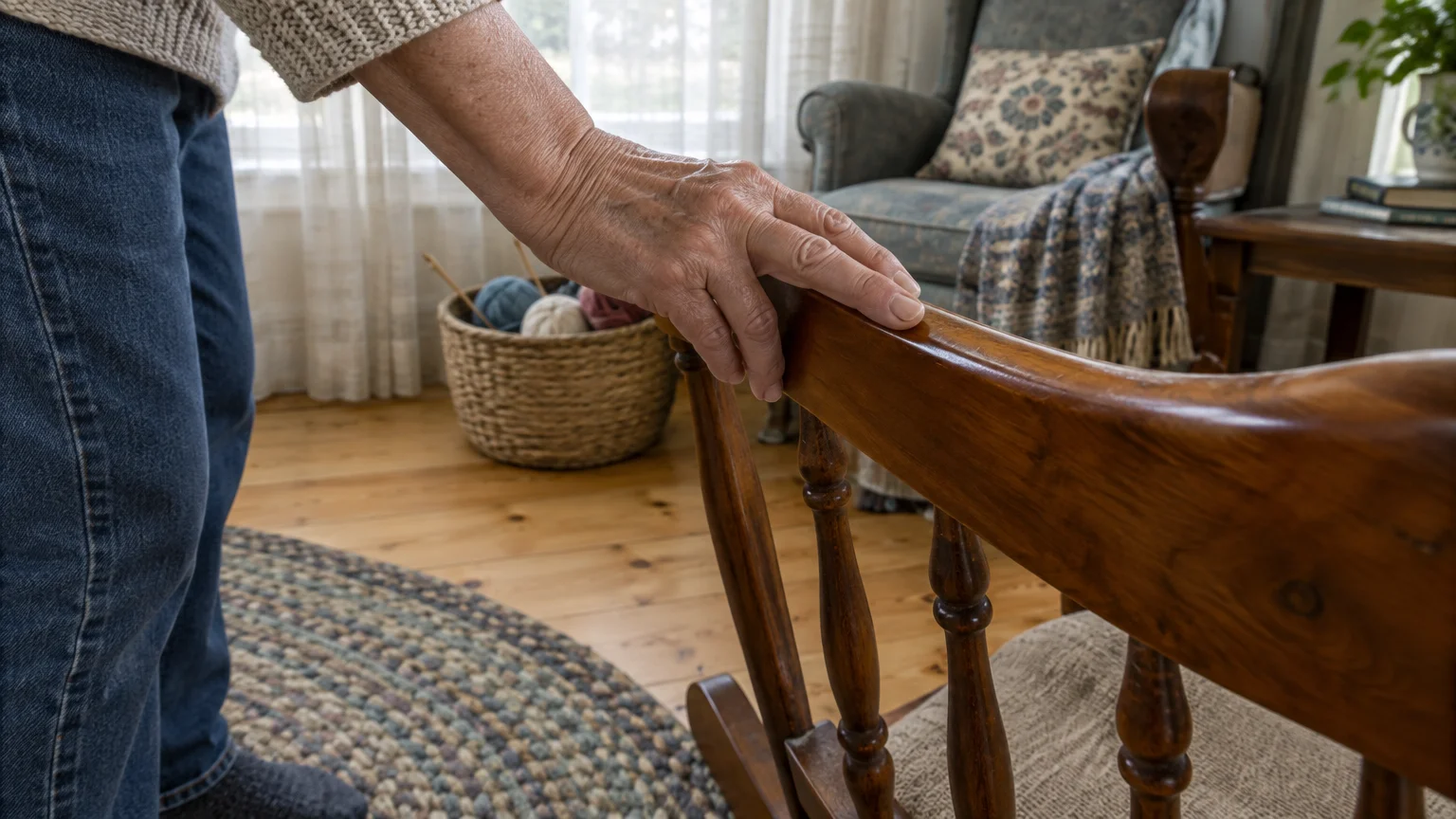
Balance exercises must match your current functional capacity to remain safe and effective. You should never force any movement that causes acute joint pain or disorientation.
If you manage osteoarthritis, perform your exercises when your joints feel warmest and least stiff. Seated leg extensions and seated marches offer joint-friendly alternatives that spare vulnerable knees.
Practicing inside a room corner provides protective walls on both sides if you experience mild vestibular imbalance. Having solid barriers within arm’s reach eliminates anxiety and helps you focus on form.
Gentle disciplines like Tai Chi also provide proven fall prevention benefits. The National Institute on Aging highlights Tai Chi for combining slow weight shifts with postural control to improve balance dynamically.
When to Consult Your Healthcare Provider
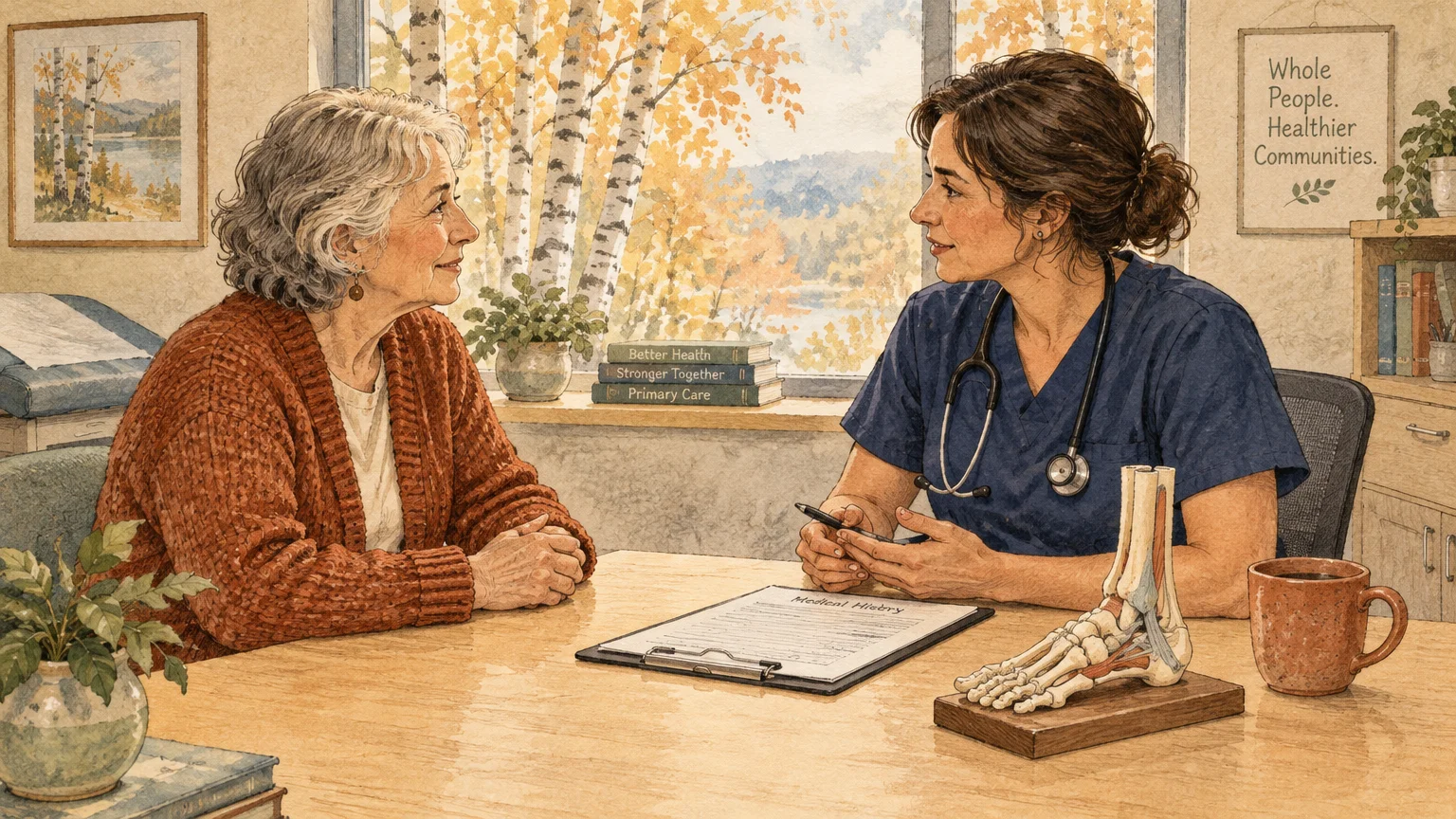
According to the CDC, fewer than half of older adults who fall report it to their healthcare provider. You should always discuss falls or balance changes openly with your physician.
Schedule an evaluation if you experience sudden dizziness, lightheadedness, or unexpected numbness in your feet. These symptoms often stem from inner ear disturbances, nerve issues, or cardiovascular fluctuations.
Review your prescription medications with your doctor or pharmacist on a regular basis. Certain sedatives, blood pressure medications, and drug combinations can degrade your balance and induce sudden drowsiness.
The World Health Organization notes that falls cause an estimated 842,000 deaths annually worldwide, with adults over 60 suffering roughly 71% of fatal falls. Timely medical guidance helps minimize your personal risk.
Please remember that this educational guide provides general health information rather than individual medical advice. Consult your healthcare team before beginning any rigorous physical program.
Frequently Asked Questions
How often should you practice balance exercises?
You should practice balance movements at least three days each week to see measurable improvements in stability. Short, daily sessions lasting five to ten minutes often yield the most consistent results.
Integrating exercises into everyday chores—such as standing on one leg while brushing your teeth—ensures steady progress without consuming extra time.
Can balance exercises help if you have already fallen?
Yes, targeted balance training actively rebuilds neuromuscular control and spatial coordination after an accident. Structured exercise significantly lowers your risk of falling again and restores lost physical confidence.
Begin cautiously using sturdy handholds, and consider working alongside a physical therapist to address specific mobility deficits safely.
Do you need specialized equipment to train your balance?
You do not need expensive gym gear or specialized equipment to build dependable balance. A sturdy chair, a clear wall, and your own body weight provide everything necessary.
Wear supportive athletic shoes with flat, non-slip soles during training to keep your feet secure. Avoid practicing in loose slippers or slick socks that increase slipping hazards.
Your First Step This Week
Pick one simple exercise to practice this week, such as the single-leg stand while waiting at the kitchen counter. Anchor this small action to an established daily routine to build consistency effortlessly.
Committing to just two minutes of stability training today protects your physical independence and keeps you moving confidently for years to come.