
Staying energetic and maintaining your independence as the years advance starts directly with the food on your plate. Fine-tuning your daily meals protects your muscle strength, sharpens your cognitive vitality, and keeps you active with family.
Your body metabolizes food and absorbs essential nutrients differently past your fiftieth birthday. Shifting your dietary focus toward whole, nutrient-dense choices ensures you maintain your physical resilience for decades to come.
Understanding these biological changes helps you make simple, powerful adjustments to your routine. Here is what science reveals about updating your plate for healthy aging.
Why Your Nutritional Blueprint Shifts With Age
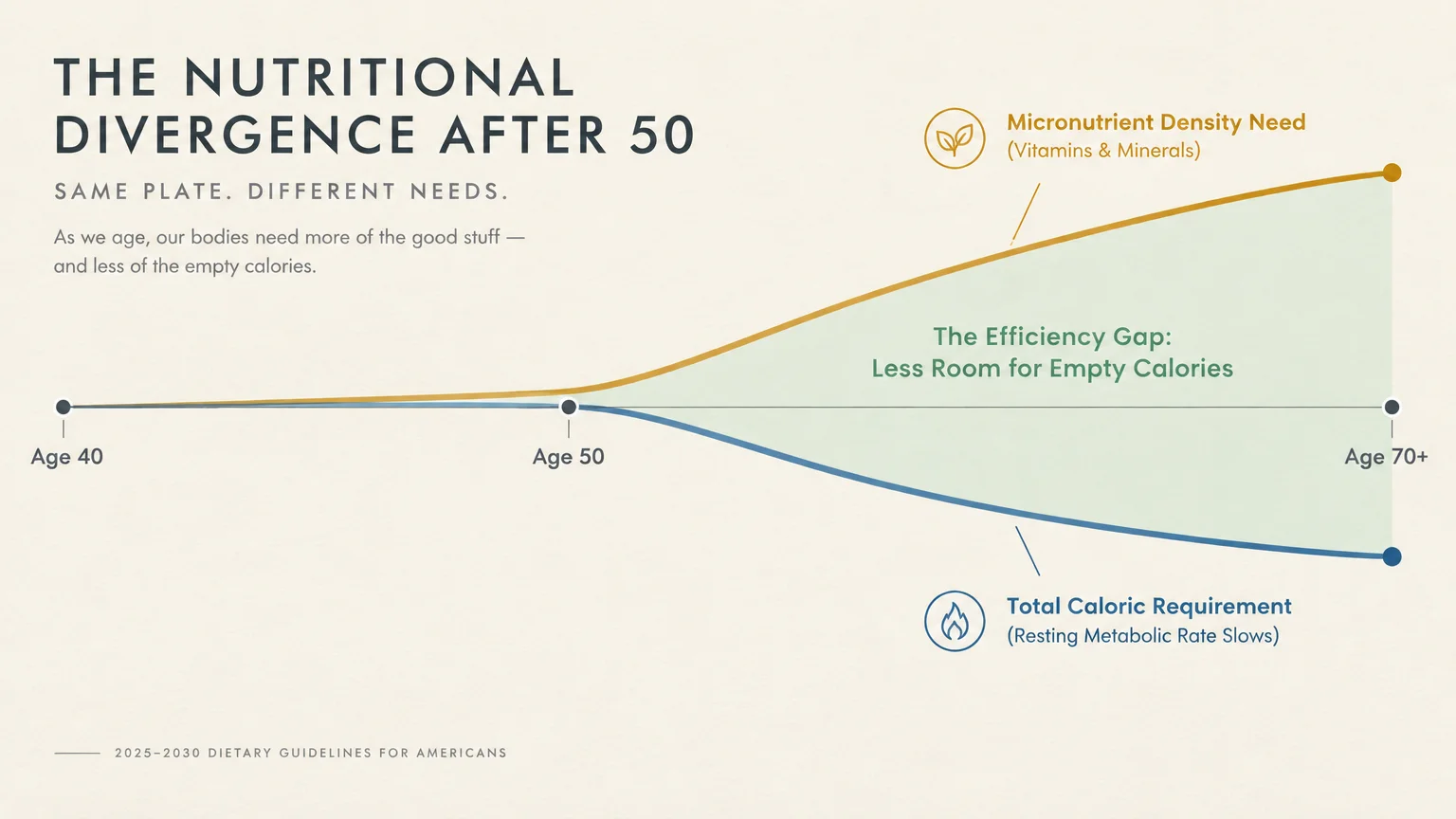
As you age, your resting metabolic rate slows down naturally while your lean muscle mass gradually diminishes. Consequently, your body requires fewer total calories to function, yet your need for micronutrients actually increases.
This biological shift means every meal must offer greater nutritional density. You have less margin for ultra-processed foods that provide empty calories without supporting your vitality.
The 2025–2030 Dietary Guidelines for Americans emphasize whole foods to address this exact reality. Transitioning to minimally processed staples ensures your body receives robust nutritional support despite lower caloric intake.
The New Science of Protein for Muscle and Mobility
Preserving lean muscle tissue is your best defense against frailty, mobility limitations, and accidental falls. However, older muscle tissue experiences anabolic resistance, requiring a stronger nutritional stimulus to rebuild and repair itself.
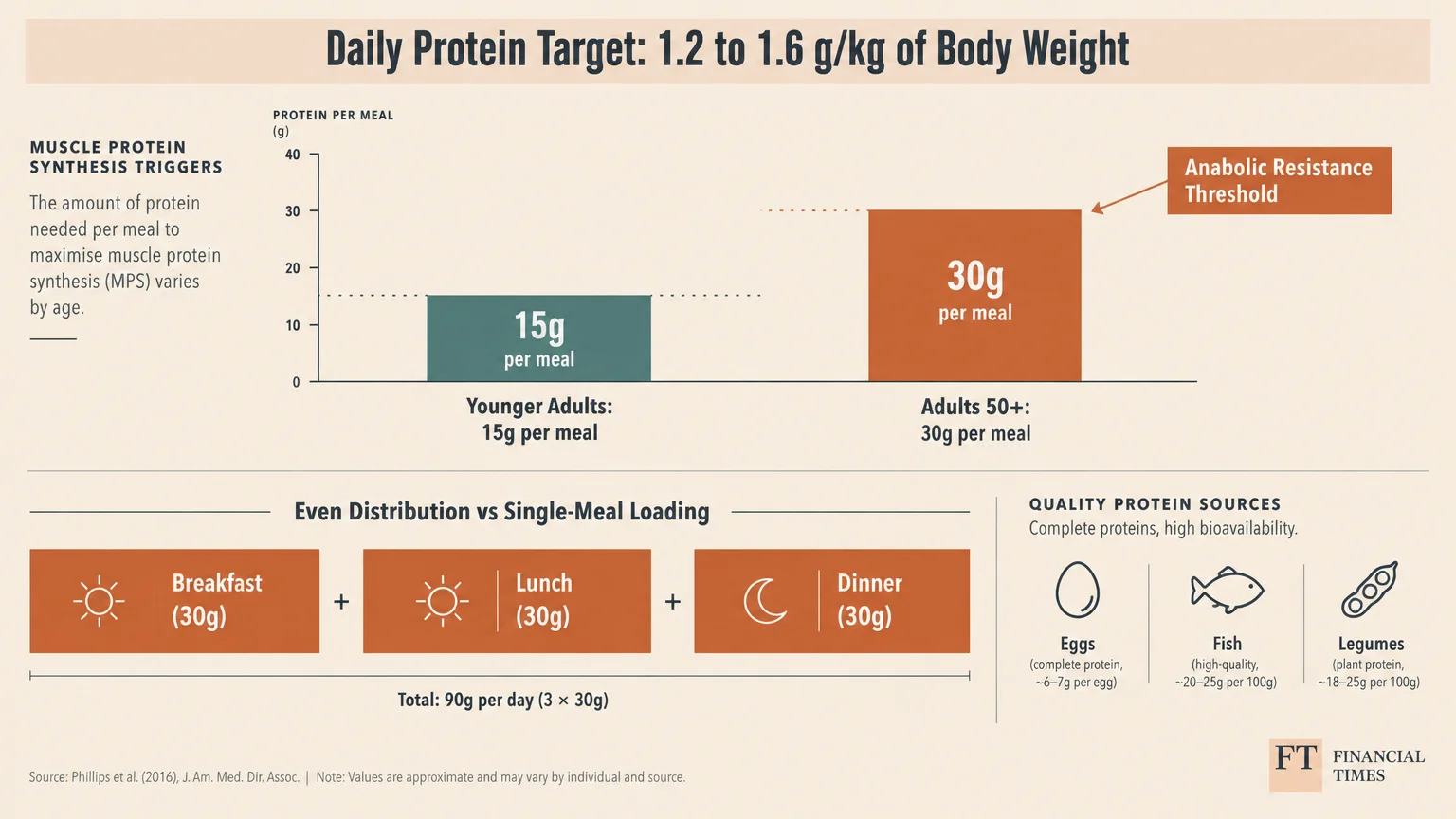
To counter this decline, updated federal guidelines recommend consuming 1.2 to 1.6 grams of protein per kilogram of body weight each day. This intake represents a substantial increase over historical recommendations.
Clinical research indicates older adults require roughly 30 grams of high-quality protein per meal to trigger muscle synthesis effectively. In contrast, younger adults can achieve the same biological response with merely 15 grams.
Distribute your protein evenly across breakfast, lunch, and dinner rather than loading it all into the evening meal. Quality sources include eggs, poultry, fish, Greek yogurt, tofu, and legumes.
Crucial Micronutrients: Calcium, Vitamin D, and B Vitamins
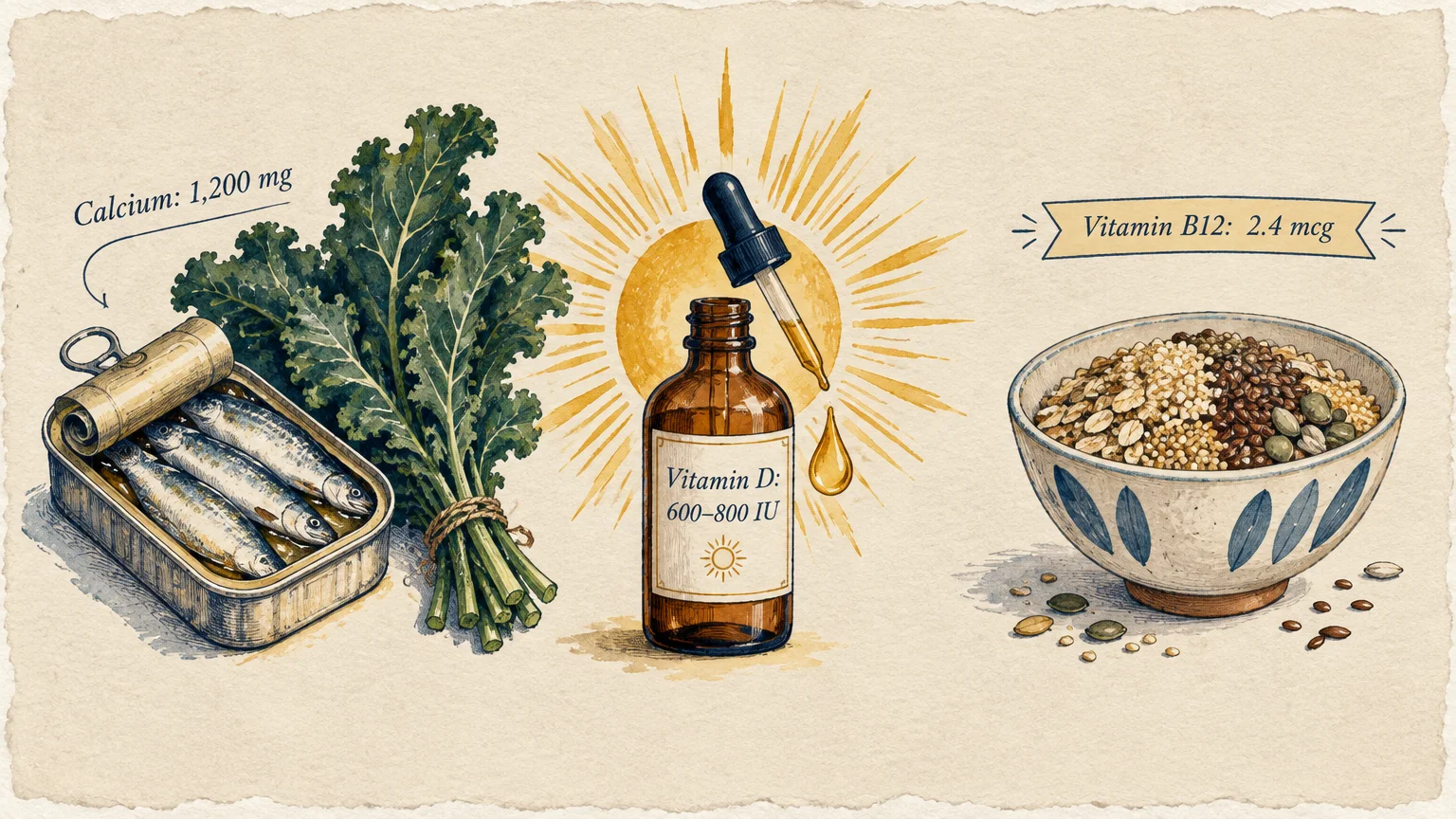
Bone health requires immediate attention once you cross fifty, particularly for women experiencing hormonal transitions. Women aged 51 and older require 1,200 milligrams of calcium daily to offset bone mineral loss.
For men, the daily calcium target remains 1,000 milligrams between ages 51 and 70, rising to 1,200 milligrams after age 70. Prioritize dietary calcium through fortified dairy, dark leafy greens, and canned sardines.
Calcium relies entirely on vitamin D for proper absorption within your intestinal tract. Adults ages 51 to 70 need 600 international units daily, which increases to 800 international units daily at age 71.
Aging skin synthesizes vitamin D from sunlight less efficiently; therefore, dietary sources or supplements often prove necessary. Discuss your vitamin D levels with your physician to establish an appropriate supplementation protocol.
Metabolism of vital B vitamins also transforms as stomach physiology shifts over time. The Recommended Dietary Allowance for vitamin B6 increases at age 51 to 1.7 milligrams daily for men and 1.5 milligrams for women.
Meanwhile, the National Institutes of Health highlights that stomach acid declines with age, hindering natural vitamin B12 absorption. Adults over 50 should obtain their 2.4 micrograms of B12 from fortified foods or specialized supplements.
Interestingly, women require significantly less iron after age 51, dropping from 18 milligrams down to 8 milligrams daily. This brings women to the same 8-milligram benchmark as men, reflecting the cessation of menstruation.
Balancing Calories, Fiber, and Hydration
Energy requirements decrease as your activity patterns and metabolism shift. Daily calorie needs generally range between 1,600 and 2,200 calories for women, and between 2,000 and 2,600 calories for men.
Because fiber targets are tied directly to caloric intake, daily recommendations adjust slightly downward after age 50. Women need 21 to 22 grams of fiber daily, while men should target 28 to 30 grams.
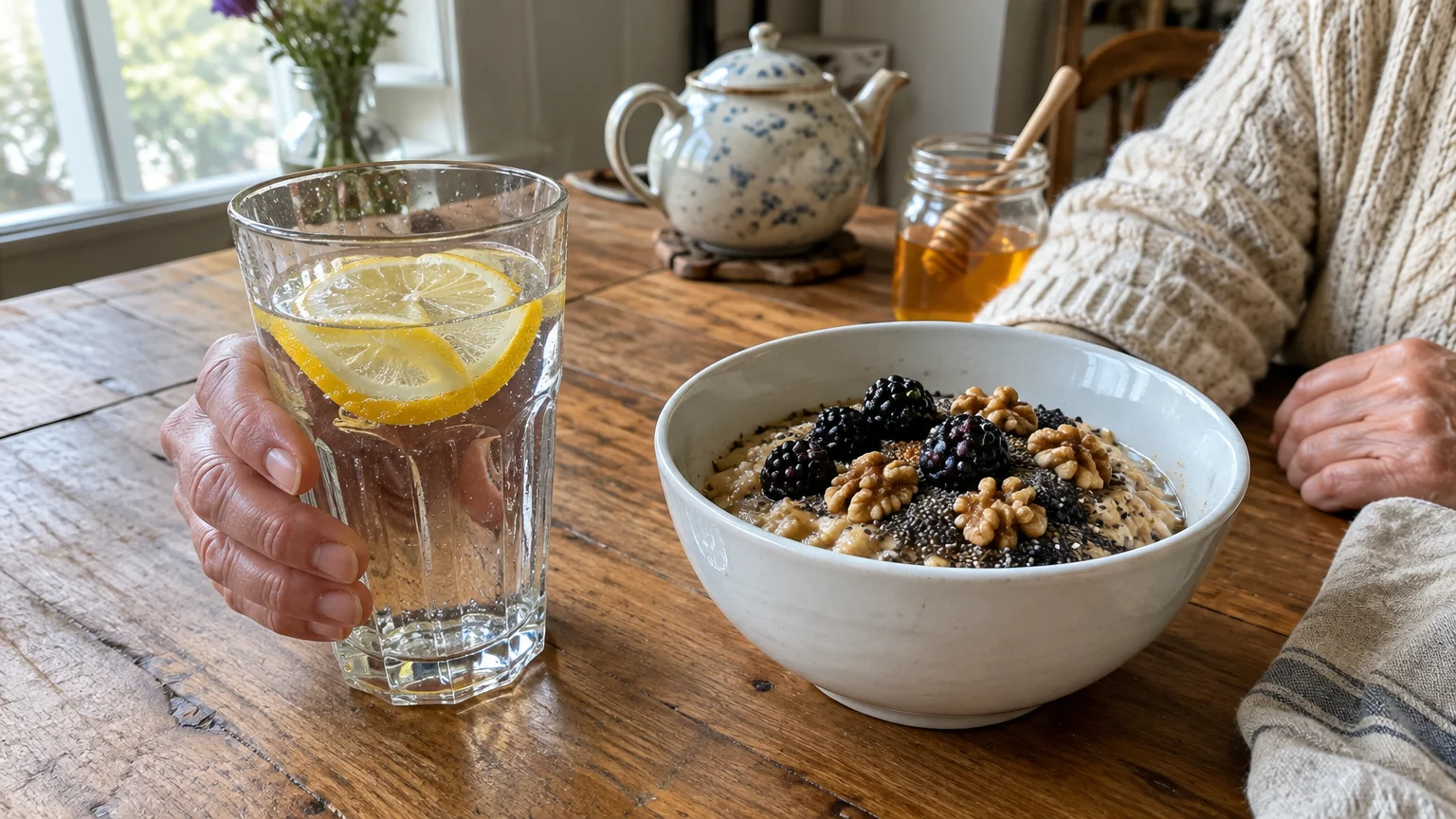
Adequate fiber supports cardiovascular wellness, stabilizes blood sugar levels, and maintains digestive regularity. Incorporate oats, berries, lentils, and flaxseed into your meals to meet these beneficial targets effortlessly.
Dehydration presents a stealthy danger because your neurological thirst sensation naturally fades with age. Changes in kidney function further complicate your fluid balance, making deliberate hydration an essential daily practice.
The standard target for fluid intake stands at 13 cups daily for men and 9 cups for women. Water, herbal teas, broths, and moisture-rich vegetables all contribute toward reaching your daily fluid goal.

When to Consult Your Healthcare Provider
Adjusting your diet offers tremendous benefits, but you must navigate dietary changes thoughtfully if you manage existing health conditions. Always consult your primary care doctor before introducing high-dose supplements or altering your macronutrient intake substantially.
Certain heart or kidney conditions require strict limits on potassium, sodium, or total fluid volume. A physician can help you align evidence-based guidelines with your unique medical history and current prescriptions.
Furthermore, prompt medical evaluation is necessary if you experience unexplained weight loss, chronic digestive distress, or recurrent dizzy spells. These symptoms warrant professional diagnostic testing rather than self-guided dietary adjustments.
Reliable guidance from organizations like the Centers for Disease Control and Prevention emphasizes coordinating lifestyle changes with medical supervision. This proactive communication ensures your healthy aging journey remains safe, sustainable, and personalized.
Frequently Asked Questions About Nutrition After 50
Do I really need supplements if I eat a balanced diet?
While whole foods provide the foundation of good nutrition, age-related absorption issues make certain supplements necessary. Most adults over 50 benefit from supplemental vitamin B12 and vitamin D, as recommended by public health directives.
How can I hit 30 grams of protein at breakfast?
Achieving 30 grams early in the day is straightforward with smart pairings. Try combining three large eggs with a side of Greek yogurt, or blend a scoop of whey protein into morning oatmeal.
Why am I suddenly feeling full faster or losing my appetite?
Slower digestion, hormonal fluctuations, and diminished taste sensitivity frequently reduce appetite as you grow older. If you struggle to finish large meals, eating smaller, nutrient-dense portions every few hours provides steady nourishment.
Should I cut out all carbohydrates to prevent weight gain?
Cutting out carbohydrates entirely is unnecessary and often counterproductive for your long-term energy and gut microbiome. Instead, replace refined flours and added sugars with fiber-rich complex carbohydrates like sweet potatoes, quinoa, and beans.
Your Next Step: One Small Habit to Start This Week
Upgrading your nutrition does not require an overwhelming pantry overhaul overnight. Sustainable healthy aging stems from consistent, manageable habits that integrate naturally into your existing routine.
This week, focus entirely on your morning protein intake. Measure out 30 grams of high-quality protein for breakfast each morning to fuel your muscles, regulate your energy, and preserve your everyday strength.