
Clear hearing keeps your mind sharp, your social calendar full, and your daily independence intact. Catching auditory changes early protects far more than your ears; it shields your brain from avoidable cognitive decline.
Most people wait nearly a decade before seeking help for muffled sounds or missed words. That delay forces your brain to work overtime just to decode everyday speech.
You can take simple, proven steps today to safeguard your hearing and preserve your mental clarity for decades to come. Here is what you need to know.
Why Hearing Health Dictates Brain Health
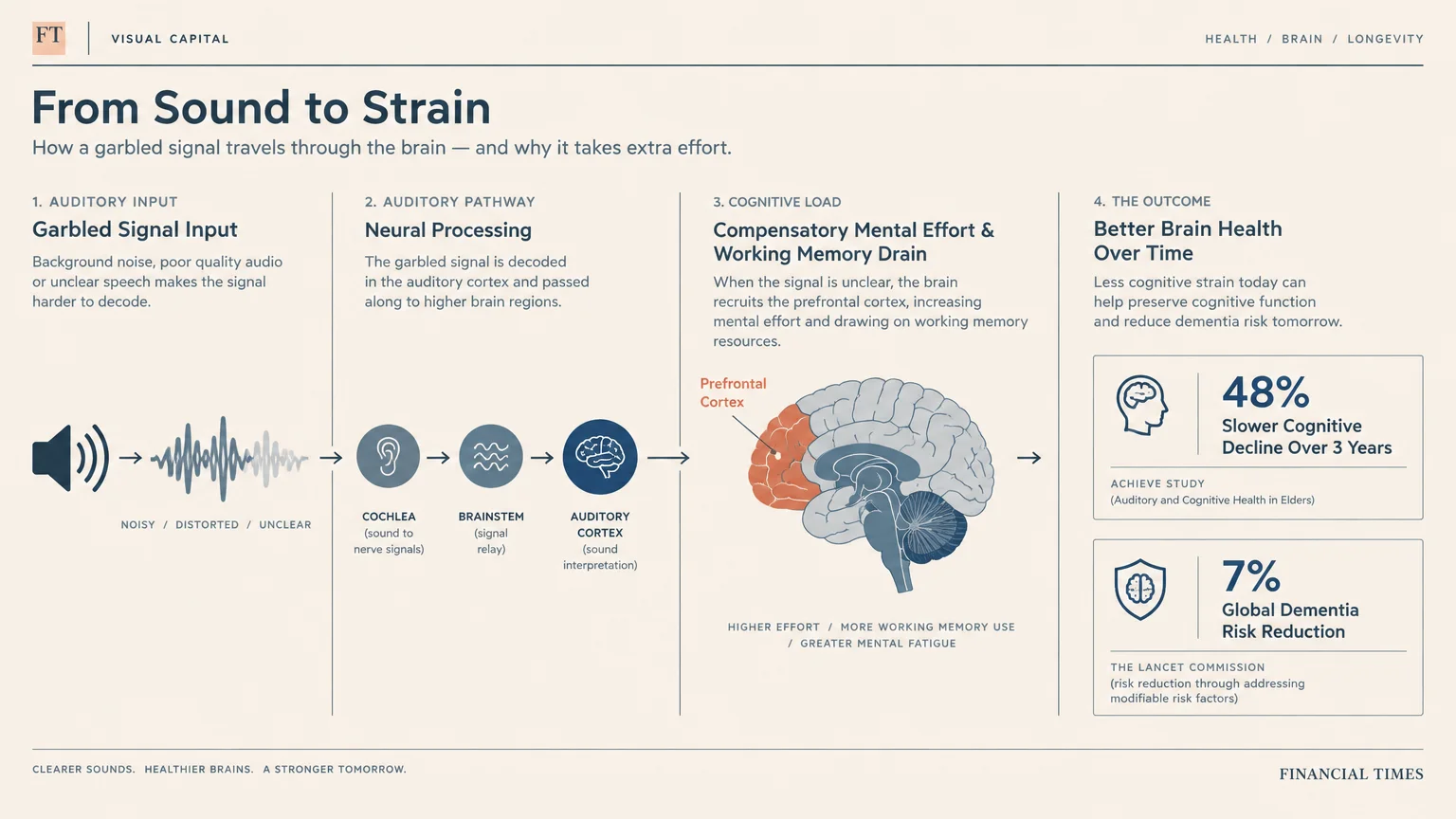
Hearing does not happen in your ears; it happens in your brain. When inner ear hair cells degrade, your auditory cortex receives garbled signals that require intense mental effort to decode.
This strain robs your prefrontal cortex of resources needed for memory and executive function. Over time, constant cognitive overload accelerates mental exhaustion and diminishes working memory.
A landmark report by The Lancet Commission identified midlife hearing loss as a primary modifiable risk factor for dementia. Addressing it could reduce global dementia cases by 7%.
The landmark ACHIEVE study published in The Lancet revealed that hearing interventions slowed cognitive decline by 48% over three years in vulnerable older adults. Hearing aids directly preserve your brain reserve.
Subsequent biomarker research published in EClinicalMedicine linked hearing aid use to slower increases in blood markers for neuroinflammation. Supporting your hearing physically protects the structural integrity of your neural pathways.
According to the World Health Organization, unaddressed hearing loss carries an annual global cost approaching $1 trillion. By 2050, nearly 2.5 billion people worldwide will live with some degree of auditory impairment.
Untreated hearing loss also drives social withdrawal, which compounds dementia risk. When following conversations feels exhausting, people stay home and miss out on stimulating human interaction.

Early Signs of Hearing Loss to Watch For
Hearing loss ranks as the third most common chronic physical condition in American adults, trailing only arthritis and high blood pressure. Yet, the National Institute on Deafness and Other Communication Disorders notes that people wait 7 to 10 years to seek treatment.
Roughly one in three adults aged 65 to 74 experiences disabling hearing loss, rising to more than 50% after age 75. Despite this prevalence, fewer than 30% of older adults who need hearing aids have ever tried them.
Age-related hearing loss develops so gradually that you may adapt without realizing how much clarity you have lost. Recognizing subtle behavioral changes early allows you to act before neural pathways weaken.
Conversations in Busy Environments Feel Exhausting
Do you struggle to follow dinner table discussions in noisy restaurants? The inability to filter speech from ambient background noise is typically the very first sign of auditory change.
You may find yourself smiling and nodding along because piecing syllables together requires too much energy. That specific fatigue indicates that your brain is overcompensating for missing acoustic data.
Voices Sound Muffled Rather Than Quiet
Age-related changes usually strike high-frequency sounds first, such as consonants like “s,” “f,” and “th.” People will not sound softer; they will sound like they are constantly mumbling.
You might also find children’s voices or higher-pitched women’s voices increasingly difficult to understand. If speech sounds muddy despite adequate volume, your high-frequency perception needs attention.
The Television Volume Creeps Steadily Upward
Family members often notice your hearing changes before you do. If your preferred TV or radio volume feels uncomfortably loud to others, take note.
Relying on closed captions to follow standard dialogue is another reliable clue. Captions compensate for lost phonemes that your auditory cortex can no longer distinguish clearly.
Practical Steps to Protect Your Ears and Mind
You do not need to let auditory changes compromise your quality of life. Modern solutions fit diverse lifestyles, budgets, and degrees of hearing challenge.
Schedule an Annual Baseline Audiogram
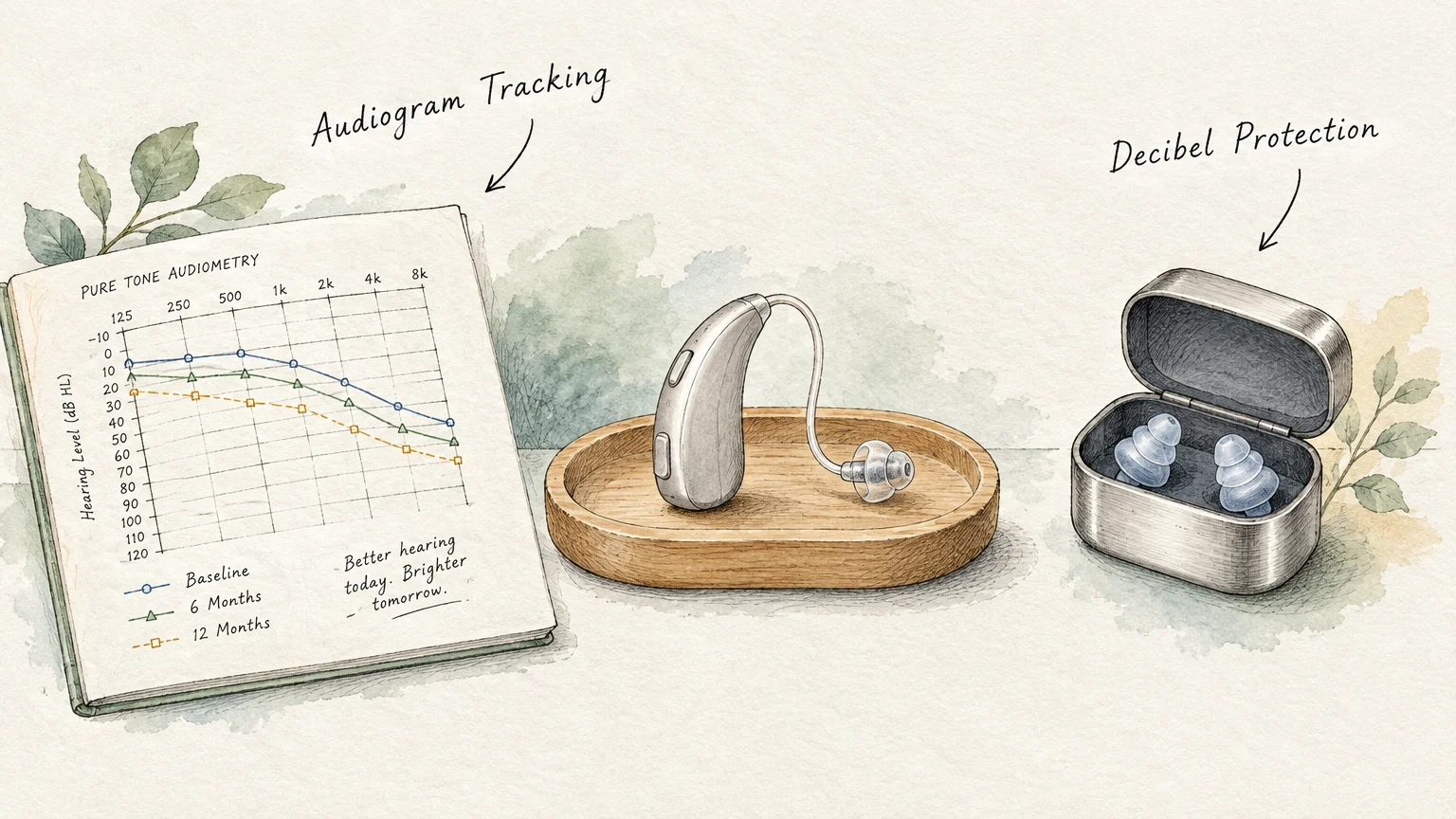
Book a comprehensive diagnostic hearing test with an audiologist once you turn 50. A formal audiogram maps your hearing thresholds across frequencies and establishes a baseline for future comparisons.
Knowing your exact auditory profile helps you differentiate between standard age changes, temporary earwax buildup, and medically treatable conditions. Routine testing removes guesswork and guides smart interventions.
Explore Over-the-Counter and Prescription Solutions
Under rules established by the U.S. Food and Drug Administration, adults with perceived mild-to-moderate loss can purchase over-the-counter devices without a prescription. These devices average roughly $502 per pair.
Recent innovations include FDA-authorized software for compatible consumer earbuds, such as Apple AirPods Pro, which retail for about $249. They deliver clinical-grade amplification for mild-to-moderate impairment at a fraction of traditional costs.
If you have severe loss, schedule an appointment for custom prescription hearing aids. Prescription pairs average $3,432, but an audiologist customizes their programming precisely to your ear anatomy and lifestyle.
Practice Protective Sound Hygiene
Prevent further damage by wearing foam earplugs or protective earmuffs during loud chores like mowing the lawn or running power tools. The Centers for Disease Control and Prevention warns that sounds above 85 decibels damage hearing.
Use sound-level meter apps on your smartphone to check ambient decibels in restaurants and workout studios. If background noise exceeds 80 decibels, limit your exposure time to safeguard your ears.
When to Consult a Physician Immediately
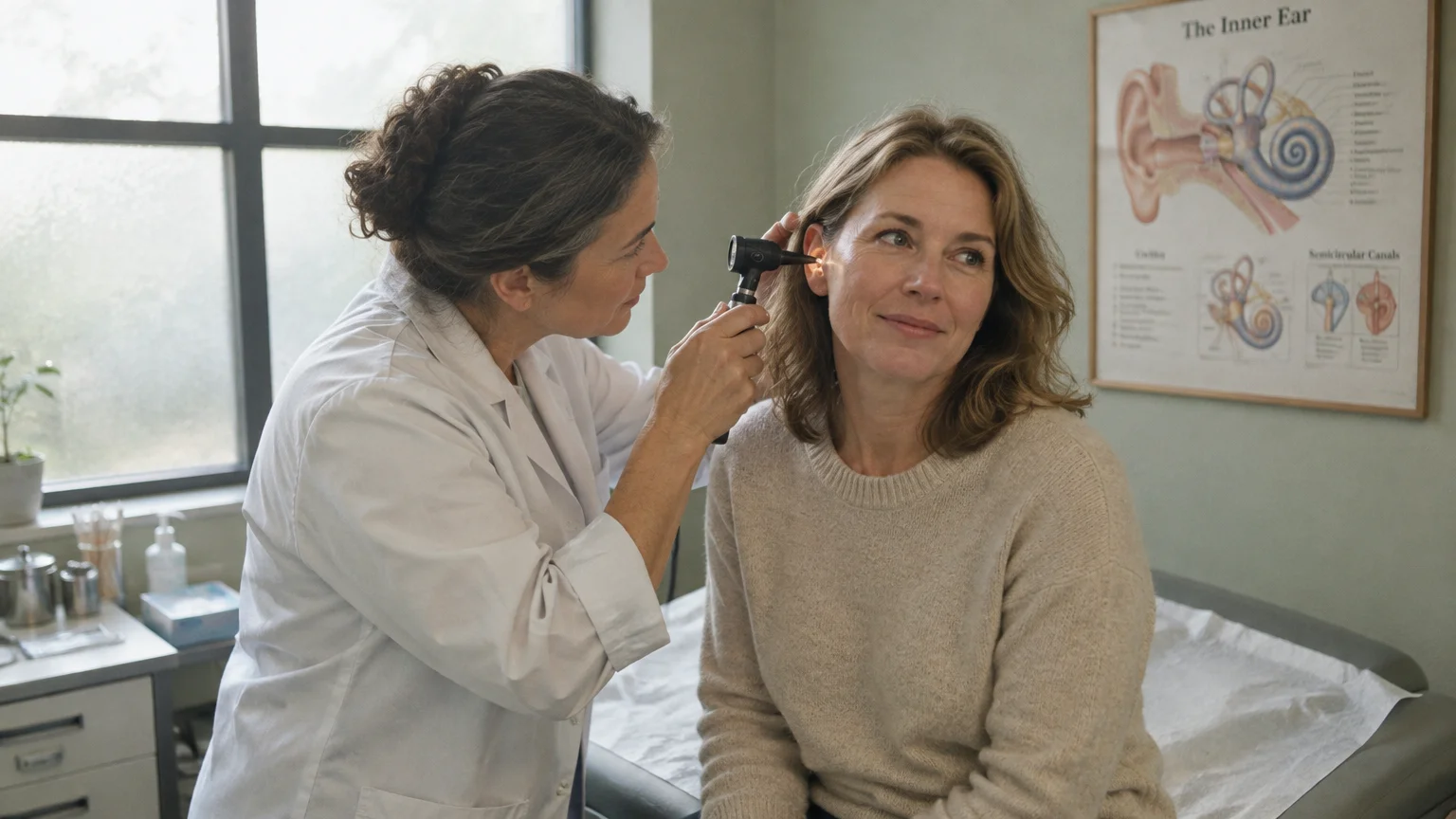
While gradual hearing decline is typical with aging, sudden or asymmetric changes require immediate medical evaluation. Do not delay if symptoms appear overnight.
Sudden sensorineural hearing loss in one ear constitutes a medical emergency. Seeing an otolaryngologist within 48 to 72 hours gives you the best chance of restoring lost hearing with medication.
Contact your physician promptly if you experience ear pain, persistent drainage, severe dizziness, or balance problems. Inner ear disturbances dramatically raise your risk of dangerous falls.
You should also report new ringing or buzzing sounds, known as tinnitus, to your doctor. Certain common medications cause ototoxicity, meaning they damage the auditory nerve as a side effect.
Frequently Asked Questions
Does Medicare pay for hearing aids?
Original Medicare does not cover hearing aids or routine fitting exams. However, many private Medicare Advantage plans offer partial coverage, hearing discounts, or allowances for hardware.
Will wearing hearing aids make my natural hearing worse?
No, proper amplification will not weaken your natural hearing. Instead, hearing aids keep your auditory cortex stimulated and prevent the auditory deprivation that weakens speech comprehension.
Are over-the-counter hearing aids as effective as prescription models?
For mild-to-moderate loss, quality over-the-counter devices deliver significant benefit at accessible prices. However, complex or severe hearing loss requires the precision diagnostics and fine-tuning that only a licensed audiologist provides.
How long does it take for my brain to adjust to hearing aids?
Your brain needs two to six weeks to adapt to hearing everyday sounds again. Wearing your devices consistently each day accelerates this neuroplastic reorganization and reduces auditory fatigue.
One Habit to Start This Week
Download a free decibel-reading app to your smartphone today. Check the sound levels in your car, your favorite coffee shop, and your living room.
Building awareness of your sonic environment is the simplest first step toward lifelong auditory health. Protecting your ears today ensures your mind stays sharp, vibrant, and fully connected tomorrow.