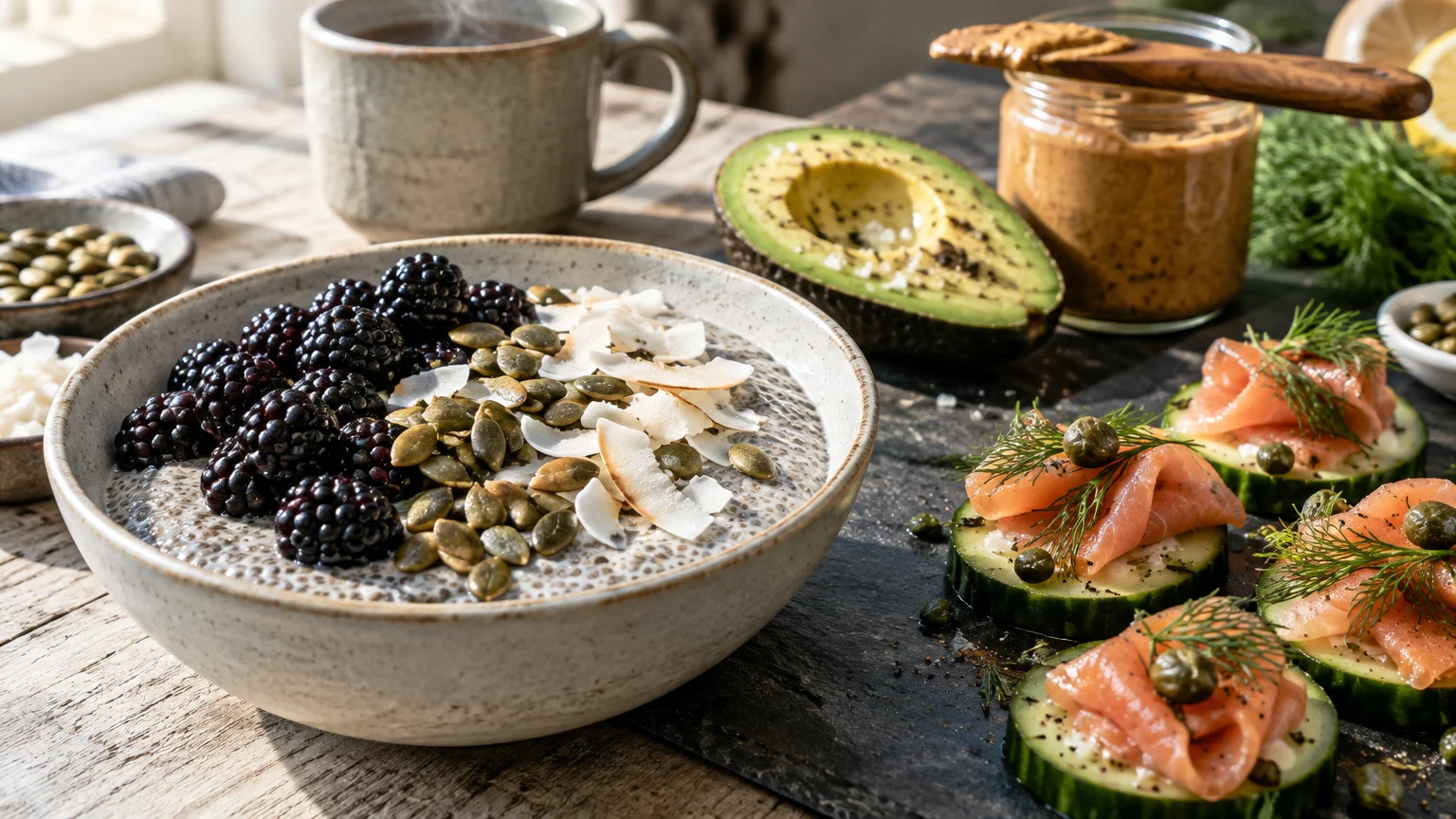
You can enjoy a deeply satisfying low-carb morning meal without cracking a single egg. These seven dietitian-crafted alternatives deliver lasting energy and steady blood sugar while banishing breakfast boredom.
Relying exclusively on scrambles and omelets often leads to culinary burnout. Diversifying your morning plate introduces new textures, essential micronutrients, and dietary fiber that support gut health.
Discover how simple pantry staples like seeds, full-fat dairy, and plant proteins transform your morning routine. Each nutrient-dense option requires minimal preparation while keeping your daily carbohydrate intake firmly in check.
The Science of Low-Carb Mornings
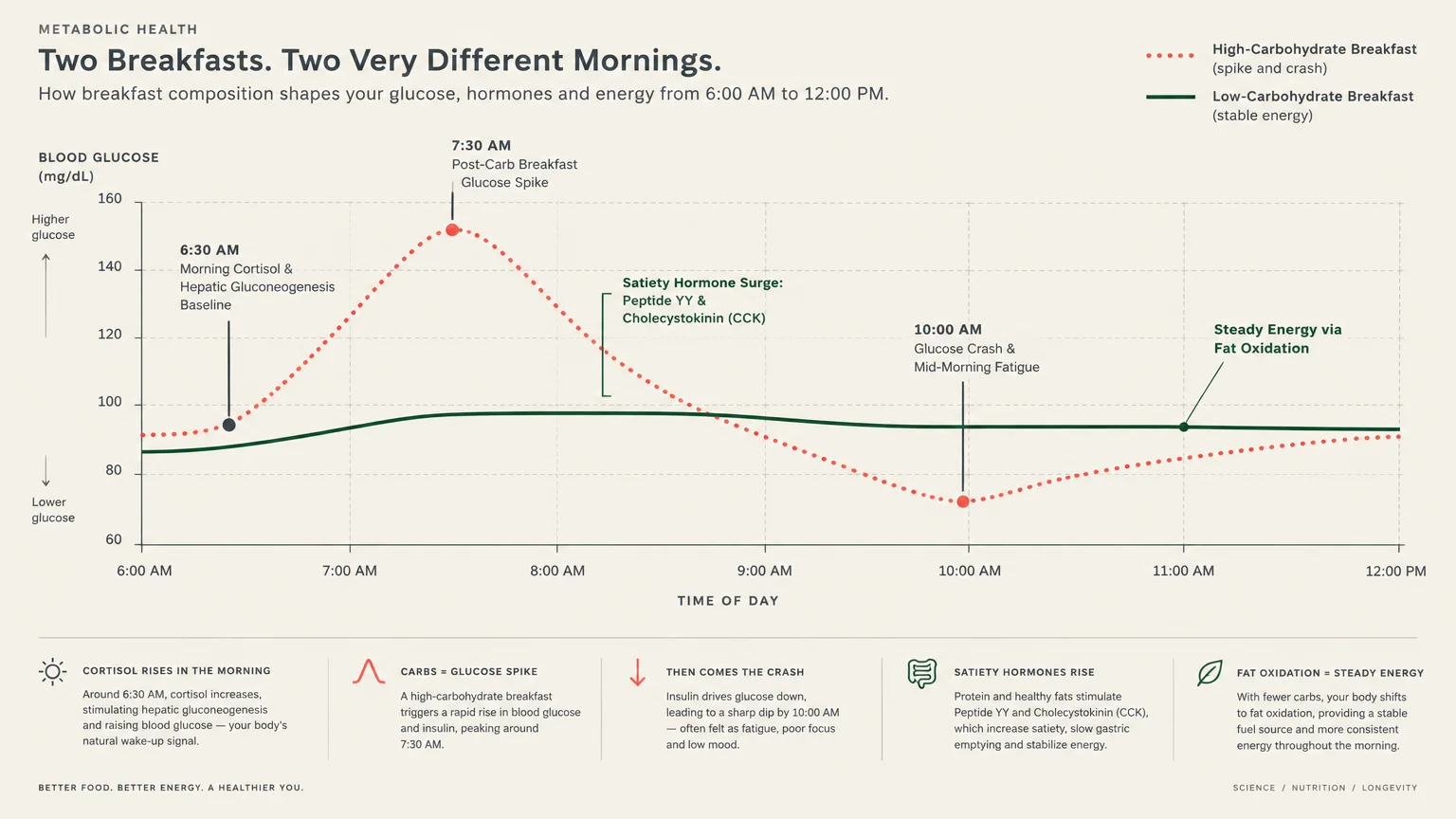
A lower-carbohydrate breakfast minimizes morning glucose spikes and subsequent insulin surges. Research from the National Institutes of Health indicates that stable morning glucose levels reduce intense mid-day food cravings.
When you reduce refined starches, your body maintains sustained energy through fat oxidation. This biochemical shift prevents the mid-morning fatigue that often accompanies conventional, grain-heavy breakfasts.
Protein and healthy fats trigger the release of peptide YY and cholecystokinin. These satiety hormones signal fullness to your brain and keep hunger at bay for hours.
Adding dietary fiber further slows digestion and nourishes your gut microbiome. Soluble fiber creates a gel-like matrix that moderates the absorption of dietary nutrients.
Elevated morning cortisol naturally raises blood sugar levels through hepatic gluconeogenesis. Consuming a carbohydrate-heavy meal on top of this natural spike exacerbates insulin resistance.
Choosing high-protein and lipid-rich alternatives allows your body to preserve metabolic flexibility. You transition effortlessly between burning stored fats and utilizing incoming dietary energy.
Why Rotate Away From Daily Eggs?
Eating the same food every single day can cause sensory-specific satiety and dietary fatigue. When meals become monotonous, people often abandon their metabolic health goals entirely.
Egg allergies and sensitivities also affect many individuals, causing bloating or skin irritation. Exploring plant proteins and fermented dairy allows your gastrointestinal tract to recover.
Diversifying your protein sources also broadens your intake of essential micronutrients. Swapping poultry products for fish or seeds introduces crucial omega-3 fatty acids and minerals.
Public health experts at the World Health Organization emphasize the importance of dietary variety for overall long-term wellness. A varied diet protects against micronutrient deficiencies and promotes balanced gut flora.
Culinary burnout frequently occurs when dieters mistakenly assume that eggs are mandatory for low-carb success. Expanding your repertoire keeps breakfast exciting, appetizing, and sustainable for the entire household.
Understanding Net Carbs Versus Total Carbs at Breakfast
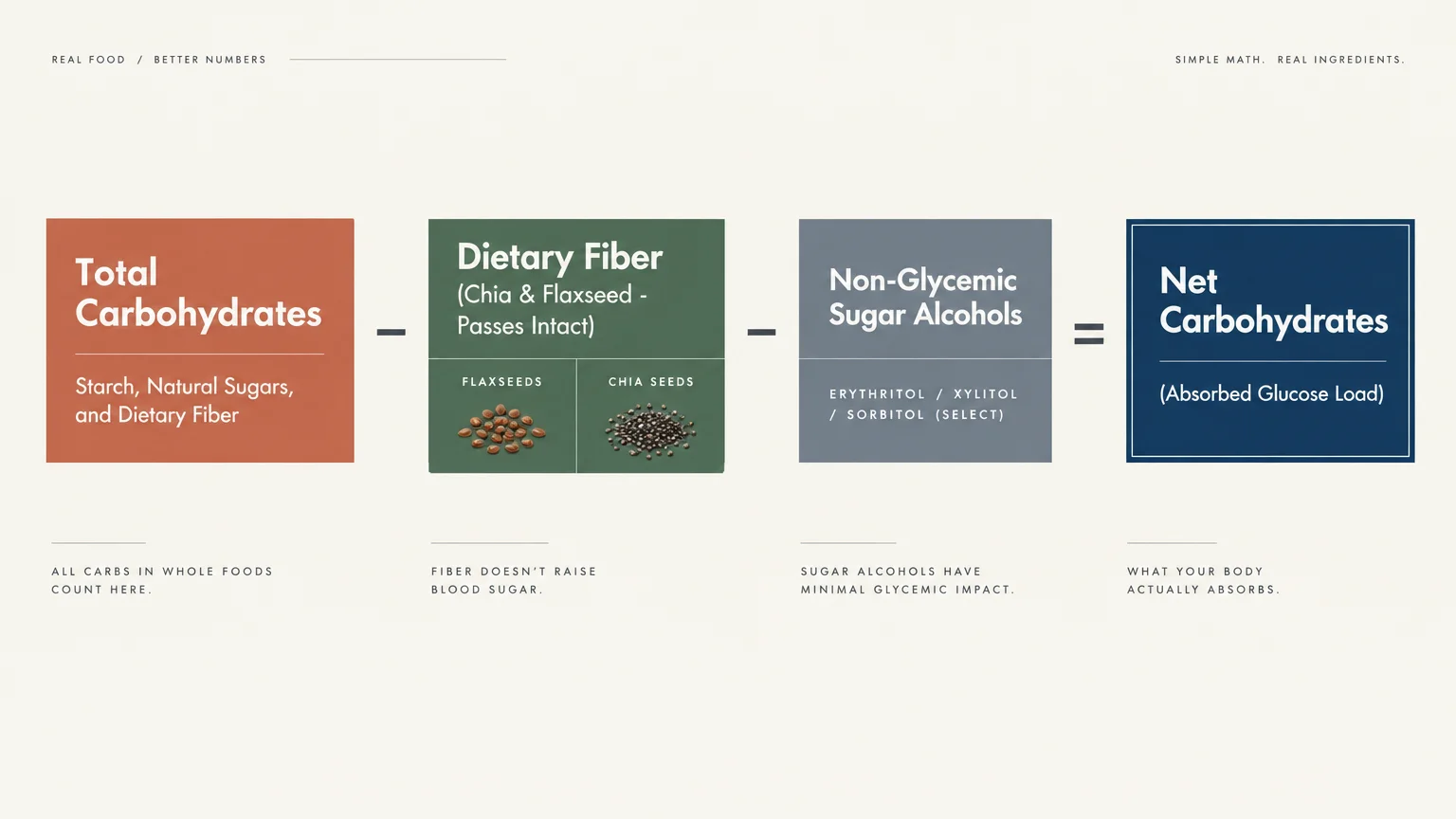
Total carbohydrates encompass all starch, sugar, and dietary fiber contained within a food. Net carbohydrates represent only the carbohydrates that your digestive system actually breaks down into glucose.
You calculate net carbohydrates by subtracting dietary fiber and non-glycemic sugar alcohols from total carbohydrates. This calculation proves especially relevant when evaluating high-fiber ingredients like chia seeds and flaxseed.
Fiber passes through the human digestive tract largely intact without raising systemic blood sugar. Therefore, foods with high total carbohydrates can still fit neatly into a low-carb lifestyle.
Dietitians caution against relying on processed low-carb packaged goods that claim low net carb counts. Focus on whole-food fiber sources to guarantee genuine metabolic and gastrointestinal advantages.
7 Dietitian-Approved Low-Carb Breakfasts Without Eggs
In this article7 items
Creamy Chia Seed Pudding with Walnuts
Chia seeds absorb liquid rapidly, transforming into a thick pudding overnight. They provide abundant soluble fiber and plant-based alpha-linolenic acid without driving up net carbohydrates.
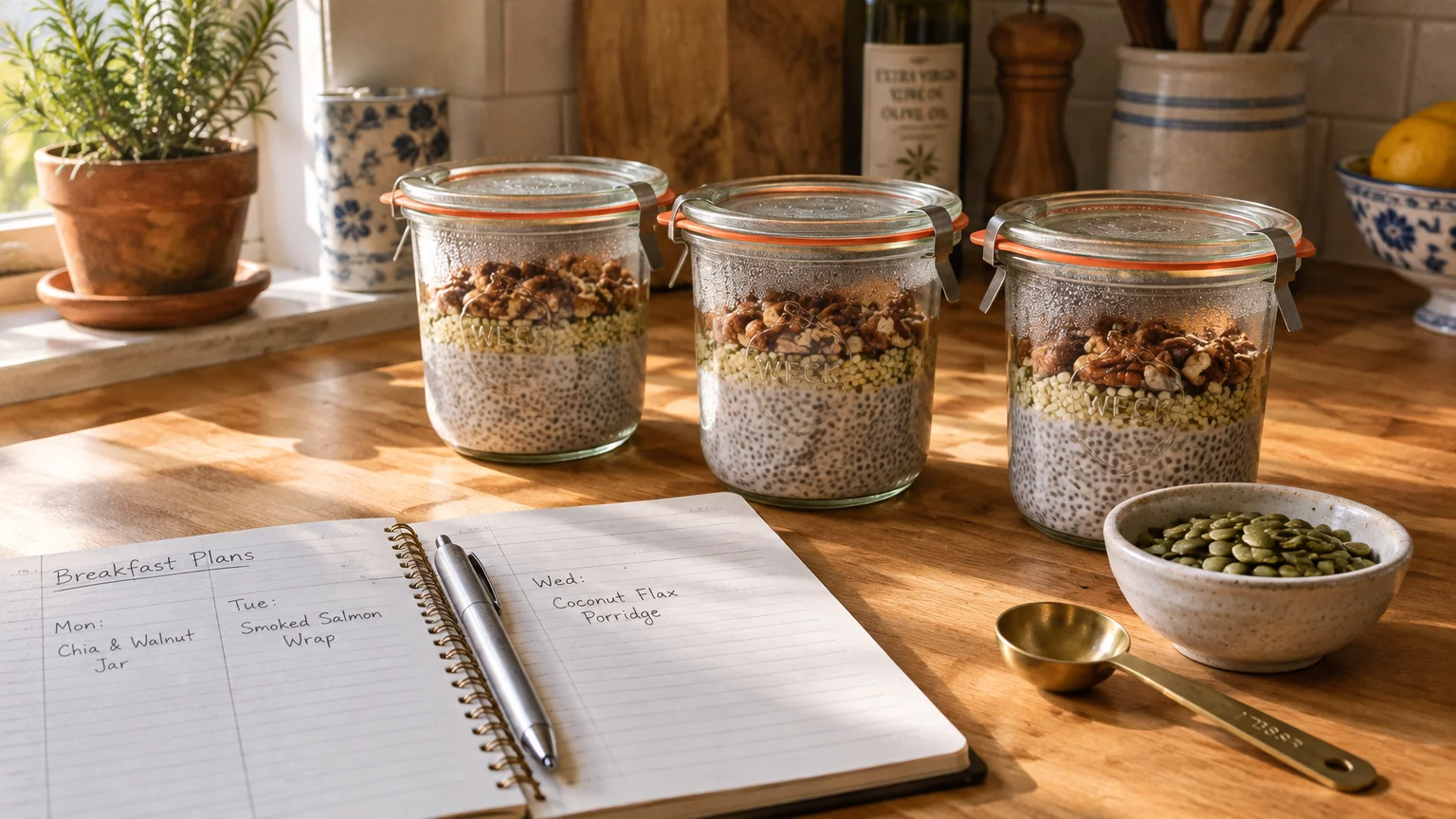
To prepare this dish, combine three tablespoons of whole chia seeds with three-quarters of a cup of unsweetened almond milk. Stir thoroughly to prevent clumping, then refrigerate for at least four hours.
Top the chilled pudding with two tablespoons of crushed raw walnuts for texture and healthy fats. Walnuts deliver polyphenol antioxidants that help fight cellular oxidative stress.
Add a splash of pure vanilla extract and a light dusting of ground cinnamon before serving. Cinnamon adds a comforting, sweet aroma without introducing any dietary sugars.
This portable meal works exceptionally well for busy weekday mornings. You can batch-prep four jars on Sunday evening to streamline your entire work week.
If you prefer a creamier texture, replace half of the almond milk with full-fat canned coconut milk. The medium-chain triglycerides in coconut milk provide rapid cellular energy.
A single serving supplies substantial prebiotic fiber to nourish beneficial intestinal microbes. Your digestive tract relies on these fibers to produce health-promoting short-chain fatty acids.
To avoid a gritty texture, stir the mixture a second time fifteen minutes after the initial preparation. This extra step ensures uniform hydration of every seed.
Mediterranean Savory Greek Yogurt Bowl
Plain, whole-milk Greek yogurt offers a tart foundation loaded with gut-friendly probiotics. Straining removes much of the liquid whey, leaving behind concentrated protein and fewer carbohydrates.
Spoon one cup of unsweetened Greek yogurt into a shallow bowl. Select brands that contain live and active cultures to maximize digestive benefits.
Drizzle one tablespoon of extra-virgin olive oil directly across the surface. High-phenolic olive oil provides oleic acid, a monounsaturated fat that supports cardiovascular wellness.
Top your bowl with diced Persian cucumbers, halved kalamata olives, and chopped fresh dill. These crisp additions provide satisfying crunch and savory complexity without excess calories.
Sprinkle two tablespoons of shelled hemp seeds over the yogurt for additional protein and minerals. Hemp hearts contribute magnesium, iron, and a delicate nutty flavor.
Finish the presentation with a pinch of coarse sea salt and cracked black pepper. This savory profile prevents the breakfast sweet-tooth cravings that flavored yogurts often trigger.
For those watching dairy intake, unsweetened coconut or almond milk Greek-style yogurts make excellent substitutes. Look for unsweetened plant-based varieties fortified with active cultures.
You can also fold in minced garlic or chopped capers for an extra punch of Mediterranean flavor. Savory yogurt bowls expand your culinary horizons far beyond sugary supermarket parfaits.
Wild Salmon and Avocado Halves
Avocados serve as nature’s nutrient powerhouse, packed with heart-healthy monounsaturated fats and potassium. Pairing fresh avocado with canned wild salmon creates an effortless, anti-inflammatory morning meal.
Slice a ripe medium avocado in half and gently twist to separate the sections. Remove the pit, scooping out a small extra portion of flesh to widen the center cavity.
Drain a three-ounce can of wild sockeye salmon and place it into a small prep bowl. Flake the salmon gently with a fork, preserving its delicate texture.
Mix in a teaspoon of Dijon mustard, fresh lemon juice, and finely minced chives. The bright acidity of the citrus cuts through the rich oils of the fish.
Spoon the seasoned wild salmon generously into both avocado cavities until overflowing. This combination provides long-chain omega-3 fatty acids that enhance cognitive performance and heart function.
According to dietary insights from the American Heart Association, regular fish consumption supports optimal arterial health. Choosing canned fish also offers an accessible, budget-friendly protein source.
Sprinkle everything-bagel seasoning or smoked paprika over the assembled halves for a burst of flavor. You can eat this meal with a spoon directly from the skin.
If you prefer a milder fish flavor, substitute canned albacore tuna or wild sardines packed in water. Both options deliver abundant protein with negligible carbohydrate counts.
Whipped Cinnamon Cottage Cheese with Pecans
Cottage cheese provides slow-digesting casein protein that keeps you satiated throughout the morning. Blending the curds transforms the texture into a luxurious, mousse-like consistency.
Place one cup of whole-milk cottage cheese into a food processor or high-speed blender. Process the curds on high speed for sixty seconds until completely smooth and velvety.
Transfer the whipped cheese to a serving dish and stir in half a teaspoon of ground cinnamon. Cinnamon offers natural sweetness while helping regulate postprandial glucose levels.
Scatter two tablespoons of chopped raw pecans and a tablespoon of ground flaxseed over the top. Flaxseed delivers insoluble fiber, while pecans provide essential zinc and manganese.
If you prefer a sweeter profile, add a few drops of pure liquid stevia or monk fruit. These non-nutritive sweeteners deliver sweetness without disrupting metabolic pathways.
You can chill this dish overnight to allow the flavors to meld beautifully. The whipped consistency holds up well in airtight glass containers for several days.
Casein protein digests at a steady, measured pace over several hours. This sustained amino acid release helps preserve lean muscle mass during weight management efforts.
For an alternative flavor variation, blend unsweetened cocoa powder and vanilla extract into the cheese. You create a decadent chocolate morning pudding with zero guilt.
Golden Tofu and Spinach Breakfast Scramble
Crumbled firm tofu provides an identical texture to traditional scrambled eggs without any poultry components. Tofu absorbs culinary flavors readily while delivering complete plant-based protein.
Press a block of firm organic tofu with a clean towel to remove excess moisture. Crumble eight ounces of the pressed tofu into bite-sized curds using your hands.
Warm a tablespoon of avocado oil in a skillet over medium heat. Add the crumbled tofu along with half a teaspoon of ground turmeric and garlic powder.
Turmeric gives the tofu an appealing golden color while providing potent curcumin compounds. Research documents the anti-inflammatory properties of curcumin across numerous metabolic conditions.
Stir in two tablespoons of nutritional yeast to introduce a rich, cheesy savoriness. Nutritional yeast also provides fortified B vitamins, which support daily energy metabolism.
Fold in two generous handfuls of fresh baby spinach during the final two minutes of cooking. The leaves will wilt down quickly, adding essential folate and dietary iron.
Season the scramble with coarse sea salt, freshly cracked pepper, and a dash of hot sauce. Serve immediately alongside sliced radishes or roasted mushrooms for extra earthy flavor.
Adding a pinch of kala namak, or black mineral salt, infuses a subtle savory aroma. This traditional Indian seasoning lends authenticity to plant-based scrambles.
Nutrient-Dense Keto Green Protein Smoothie
Many commercial smoothies load your bloodstream with concentrated fruit sugars and fructose syrups. A balanced low-carb smoothie prioritizes leafy greens, healthy lipids, and clean protein powders instead.
Add one cup of unsweetened almond milk and one cup of filtered water to your blender pitcher. Using a light liquid base keeps total carbohydrates low while facilitating smooth blending.
Toss in two packed cups of raw baby spinach or kale leaves. Dark leafy greens contribute carotenoids, vitamin K, and essential minerals without impacting glycemic control.
Incorporate half a small avocado or two tablespoons of raw almond butter. These wholesome fats yield a velvety texture that mimics conventional fruit smoothies.
Add one scoop of unflavored whey isolate or plant-based pea protein powder. Ensure your chosen protein powder contains zero added sugars or maltodextrin fillers.
Blend on high speed for sixty seconds until the beverage turns silky and emerald green. Pour over ice cubes for an invigorating, portable breakfast on hurried mornings.
You can also drop in a thumb of fresh ginger root for a zesty digestive kick. Ginger stimulates gastric motility and eases early morning digestive sluggishness.
If you prefer a colder texture, freeze your avocado chunks before blending. Frozen avocado creates a thick shake consistency without relying on high-sugar frozen bananas.
Warm Coconut and Golden Flaxseed Porridge
If you miss the warmth of traditional oatmeal, a seed-based porridge offers a comforting substitute. This grain-free porridge cooks in minutes and delivers exceptional dietary bulk.
Whisk together two tablespoons of golden flaxseed meal and two tablespoons of unsweetened shredded coconut in a small saucepan. Add one tablespoon of chia seeds for binding structure.
Pour in three-quarters of a cup of unsweetened coconut milk or cashew milk. Warm the mixture over low heat, whisking continuously for three to four minutes.
As the seeds absorb the hot liquid, the porridge thickens into a hearty bowl. Remove the saucepan from heat as soon as it reaches your preferred density.
Stir in a tablespoon of creamy almond butter and a pinch of ground cardamom. Cardamom lends an exotic, fragrant warmth that complements the nutty seeds.
Top your bowl with a few fresh raspberries or blackberries for a pop of color. Berries provide anthocyanin antioxidants with minimal carbohydrate impact.
This comforting porridge soothes the stomach on chilly mornings while stabilizing energy levels. The rich combination of soluble fiber and healthy fats staves off hunger until lunchtime.
Be careful not to boil the mixture on high heat, which can scorch the delicate flaxseed oils. Gentle warming preserves the nutritional integrity of the polyunsaturated fats.
Pantry Essentials for Egg-Free Morning Success
Stocking the correct ingredients transforms breakfast preparation from a chore into a seamless routine. When your kitchen contains nutrient-dense staples, low-carb cooking becomes virtually automatic.
Keep a variety of raw nuts and seeds in airtight containers in your pantry or refrigerator. Chia seeds, golden flax meal, and hemp hearts offer flexible bases for multiple dishes.
Select unsweetened plant milks that contain minimal additives and zero added cane sugars. Almond, cashew, and coconut milks provide liquid bases for puddings and morning shakes.
Maintain a supply of shelf-stable canned wild fish, such as salmon, sardines, and albacore tuna. Canned seafood provides rapid protein without requiring thawing or lengthy cooking times.
Explore diverse dried herbs, spices, and non-glycemic seasonings to elevate flavor profiles. Smoked paprika, ground turmeric, Ceylon cinnamon, and nutritional yeast bring vibrant flavors to simple proteins.

Family-Friendly Breakfast Modifications
Preparing multiple separate meals for different family members drains time and energy. Fortunately, you can easily adapt these egg-free low-carb templates to satisfy everyone at your table.
For growing children who need additional carbohydrates, offer sliced bananas or whole-grain toast alongside their portions. They enjoy the same core meal while receiving extra calories tailored to their growth needs.
Set up an interactive morning bowl bar using Greek yogurt or warm flaxseed porridge. Let family members choose their own toppings, including fresh berries, pumpkin seeds, or honey.
Involving children in assembling their breakfast fosters positive relationships with whole foods. They learn to appreciate diverse textures and colorful ingredients from an early age.
These shared meal strategies prevent feeling isolated by dietary choices. Everyone shares the same table and base meal while customizing accents to match individual metabolic goals.
Practical Prep and Storage Strategies
Efficient meal preparation eliminates the morning friction that tempts people toward convenience carbs. Designating just thirty minutes on the weekend sets you up for sustained dietary success.
Invest in airtight, wide-mouth glass jars for storing chia puddings and whipped dairy. Glass preserves flavor freshness and avoids chemical leaching from plastic containers.
Pre-portion your nuts and seeds into small glass ramekins or silicone pouches. Having these toppings measured in advance saves precious minutes when assembling morning bowls.
Wash and dry your leafy greens thoroughly before storing them in produce containers. Moisture is the primary enemy of fresh spinach, causing rapid spoilage and nutrient loss.
Label your prepared meals with preparation dates to maintain food rotation standards. Consuming fresh items within three to four days ensures optimal flavor and nutritional integrity.
If you prefer hot breakfasts, batch-cook your tofu scramble and refrigerate it in portioned containers. Reheat gently in a dry skillet with a splash of water to restore tenderness.
Balancing Electrolytes and Micronutrients
When you transition to a lower-carbohydrate eating pattern, your kidneys excrete sodium more rapidly. Lower circulating insulin levels signal the renal tubules to release excess fluid and salt.
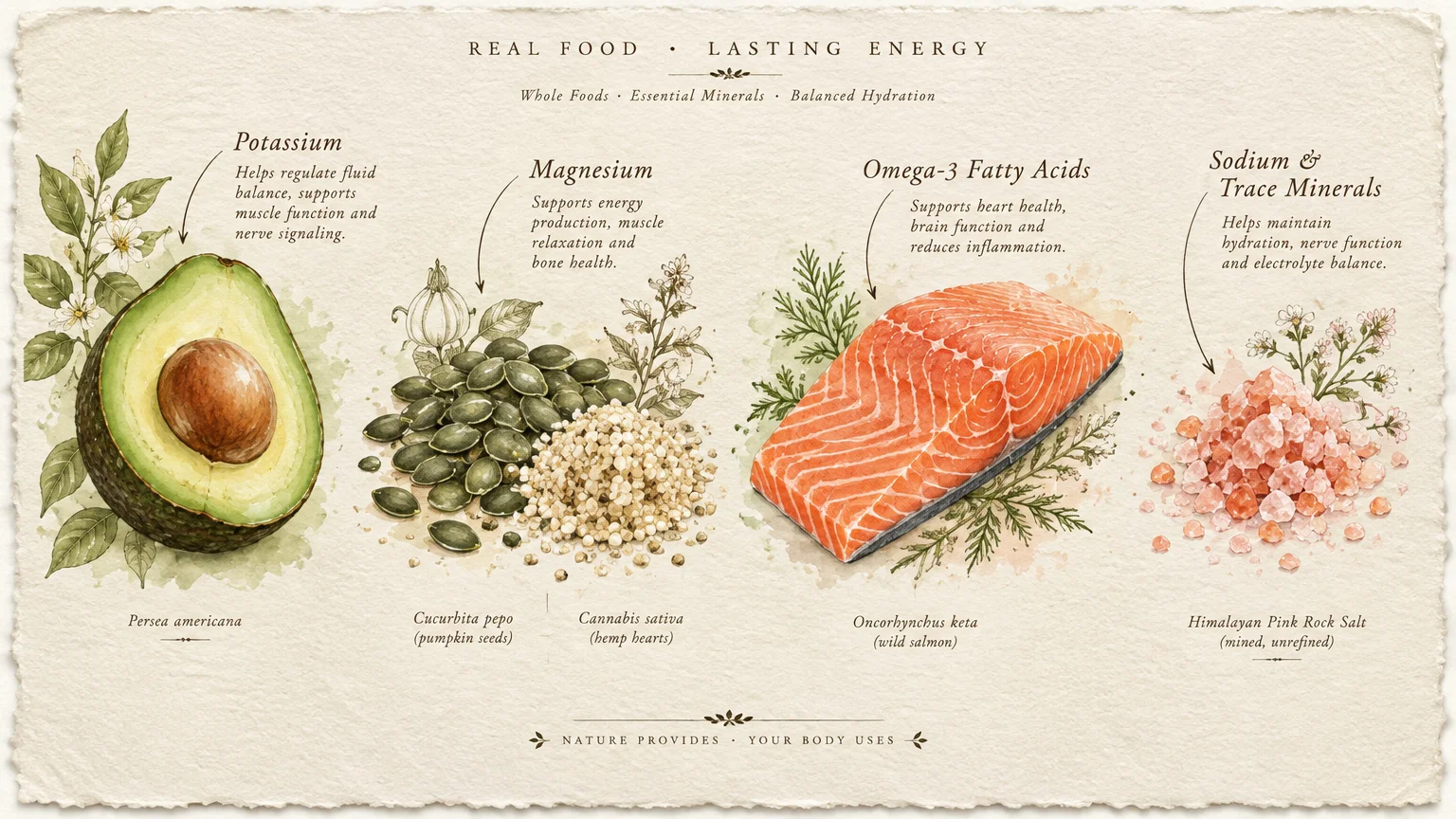
Replenishing lost minerals prevents the common symptoms of electrolyte depletion, including headaches and lethargy. Season your morning meals generously with unrefined mineral salt.
Potassium and magnesium play pivotal roles in nerve signaling and muscle contraction. Incorporating leafy greens, avocados, and hemp seeds naturally replenishes these vital intracellular minerals.
Hydration also demands consistent attention throughout the early morning hours. Drink a large glass of filtered water with a squeeze of fresh lemon before eating.
Guidance from the Centers for Disease Control and Prevention highlights adequate hydration as essential for metabolic function. Consistent fluid balance supports kidney filtration and sustained physical stamina.
If you engage in intense morning workouts, consider adding an unflavored electrolyte powder to your water. Ensure the formula contains no added maltodextrin, dextrose, or artificial food dyes.
When to Seek Professional Guidance
Individual nutritional requirements vary significantly based on activity levels, age, and metabolic health. What works well for one person might require tailoring for another.
If you live with type 1 or type 2 diabetes, modifying carbohydrate intake requires medical supervision. Medication dosages often require prompt adjustments to prevent dangerous episodes of hypoglycemia.
Consult a registered dietitian or primary care physician before making major dietary adjustments. A qualified professional can order comprehensive blood panels to assess your lipid and kidney parameters.
Pay close attention to gastrointestinal symptoms as you dramatically increase seed and fiber intake. Rapid fiber escalation can cause bloating or abdominal discomfort if fluid intake remains insufficient.
Seek immediate clinical advice if you experience persistent lightheadedness, heart palpitations, or severe fatigue. These warning signs may indicate severe electrolyte imbalances or inadequate total caloric intake.
Community Support and Helpful Planning Tools
Navigating lifestyle changes feels easier when you lean into supportive community networks. Sharing recipes and meal ideas keeps daily eating habits exciting and sustainable.
Consider joining community cooking workshops or virtual metabolic health support groups. Engaging with peers fosters accountability and provides practical troubleshooting for daily obstacles.
Digital food tracking tools can help you understand your baseline macronutrient distribution. Applications from organizations like the Academy of Nutrition and Dietetics provide evidence-based nutritional databases.
Use these tracking apps for short periods to learn portion sizes rather than obsessing over numbers. Building intuitive awareness around nutrient density serves you better than lifelong calorie counting.
Local community health centers frequently offer free consultations with certified nutrition specialists. Utilizing these public resources ensures your health journey rests on sound clinical guidance.
Frequently Asked Questions
Can you get enough protein on a low-carb diet without eggs?
Yes, you can easily meet your daily protein targets without consuming eggs. Greek yogurt, cottage cheese, wild salmon, and hemp hearts provide concentrated, high-quality amino acids.
Plant-based sources such as organic tofu, tempeh, and clean protein powders also deliver complete protein profiles. Combining varied protein sources ensures balanced intake without compromising your low-carb lifestyle.
Most sedentary adults need roughly zero point eight grams of protein per kilogram of body weight. Active individuals often thrive on higher protein targets to support tissue repair and satiety.
How do egg-free breakfasts support blood sugar stability?
These breakfast ideas emphasize wholesome fats, high-quality proteins, and prebiotic fiber over refined starches. This combination slows gastric emptying and moderates glucose absorption into the bloodstream.
By avoiding morning sugar spikes, you prevent reactive hypoglycemia and intense mid-morning cravings. Stable glucose levels support sustained focus, stable mood, and balanced daily energy.
Continuous glucose monitor studies show that replacing morning carbohydrates with fats and proteins prevents post-meal volatility. Your metabolic system remains calm and efficient throughout the workday.
What are the best dairy-free low-carb options?
If you avoid both dairy and eggs, focus on avocado, wild salmon, and tofu scrambles. Chia seed puddings made with unsweetened almond milk also provide rich textures without dairy products.
You can also use unsweetened coconut yogurt or plant-based protein powders in smoothies and porridges. These plant-forward alternatives provide abundant micronutrients while respecting your dietary restrictions.
Check ingredient labels carefully to ensure plant yogurts contain no added tapioca starch or cane sugar. Pure fermented coconut milk with active cultures yields the best low-carb results.
Can you prepare these low-carb meals in advance?
Many of these recipes lend themselves perfectly to make-ahead meal prep. Chia puddings, whipped cottage cheese, and seed porridge bases store safely in glass containers for days.
Keep sliced avocados and chopped delicate herbs separate until serving to preserve peak freshness. Pre-portioning your ingredients saves time and guarantees effortless morning routines during busy workdays.
Freezer-friendly smoothie packs also streamline morning assembly significantly. Measure your greens, seeds, and protein powder into freezer bags so you only need to add liquid.
Your Next Morning Step
Breaking out of a breakfast rut does not require complex culinary skills or expensive ingredients. Select just one egg-free recipe from this guide to test tomorrow morning.
Notice how your body feels two to three hours after eating your new meal. Tracking your energy, focus, and hunger signals provides valuable feedback on what fuels you best.
Embrace variety as the cornerstone of sustainable metabolic health. By rotating your morning meals, you nourish your body while rediscovering the joy of real food.