

Some researchers from Stanford University say that the infused blood from young people can help other people with moderate forms of Alzheimer’s disease. Maybe it sounds like a science fiction book, but researchers said that the experiment was a good start for this study. The infused blood from young donors can improve the health of people with Alzheimer’s disease.
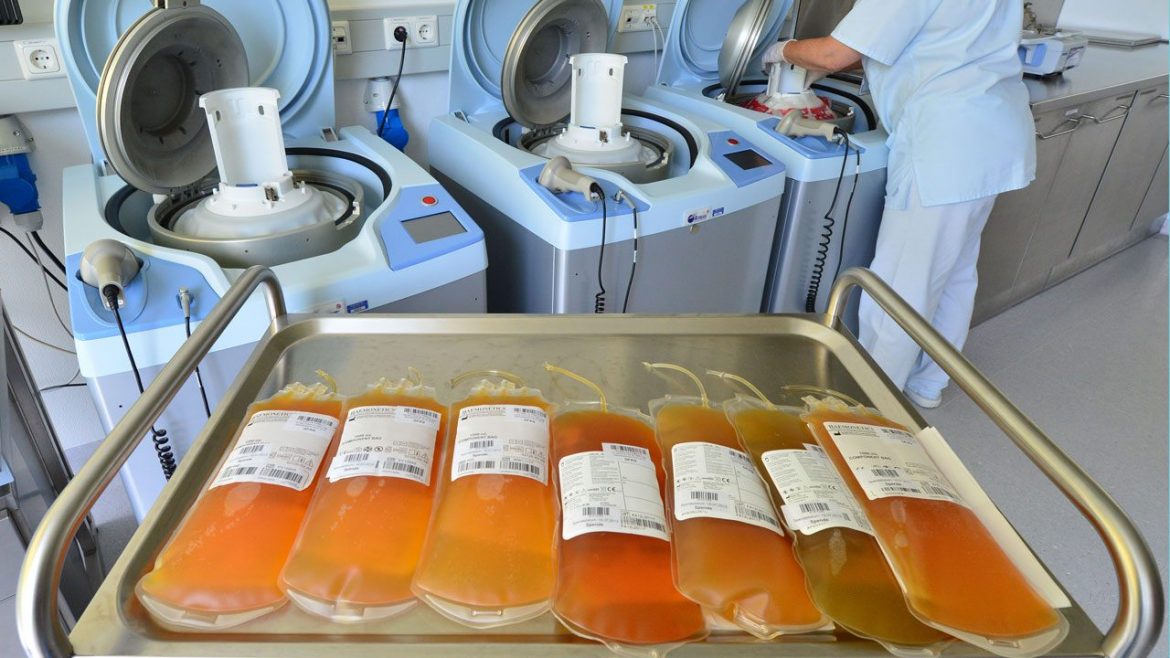
This study was presented at the Clinical Trial on Alzheimer’s Disease conference in Boston on Saturday. Scientists did this process named parabiosis and this process was about old and young mice, which were connected with the same blood system. At first they have seen that the young mice showed signs of degraded metabolism and chronic diseases. Second time their health was much better, because scientists put them infusions of young blood. Afterwards, the older mice showed improvement in their memory.
This detailed investigation was inspiring for other researchers at Stanford and they thought what if this could also happen at people? So, they thought at people with Alzheimer’s disease, because this disease affects the memory. Nine volunteers were recruited for this study and they went weekly for four weeks for a unit of plasma obtained from young persons.
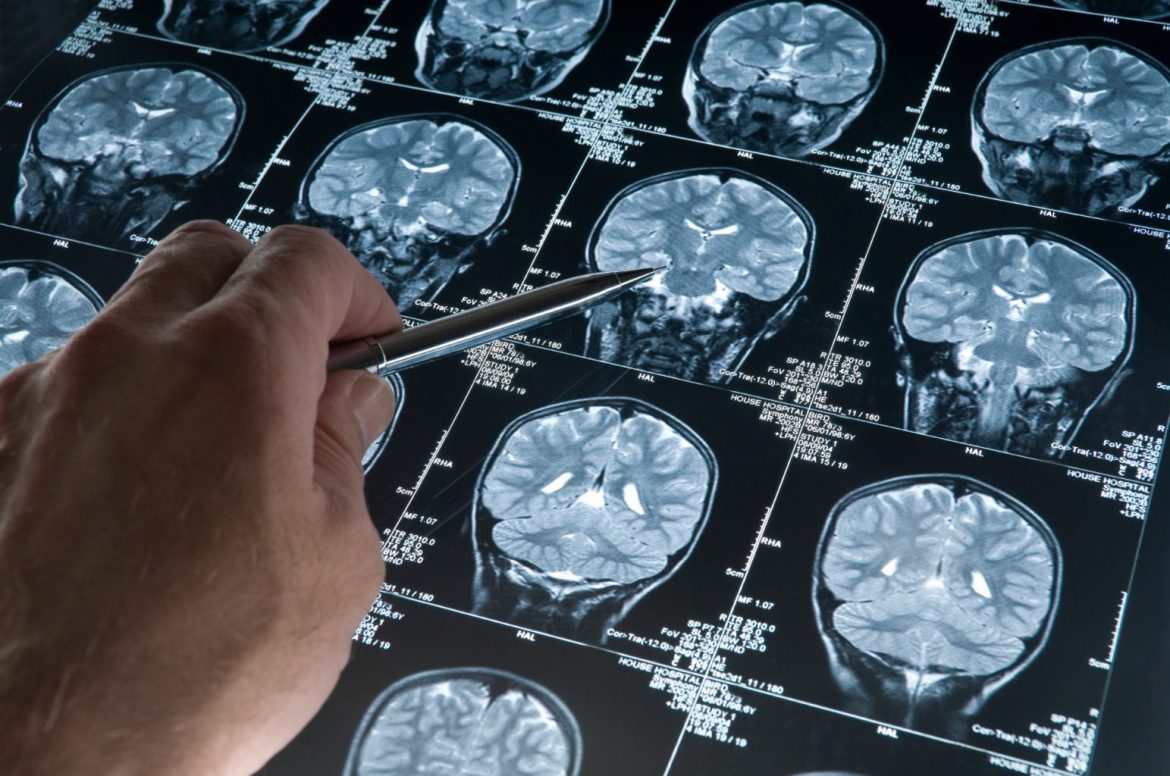
“We were expecting to find that [the plasma] was safe,” says Dr. Sharon Sha, clinical associate professor of neurology and neurological sciences at Stanford and lead investigator of the trial. “I wasn’t expecting to find any change in cognitive measures.”
People who received plasma were better than those who didn’t. After this experiment, some people who were tested could shop on their own or control their finances. Yet it’s not very clear how the young plasma is improving the people’s capacity to function. This investigation it’s not finished and the next step it’s to see what happens with a larger number of people.

“Researchers will likely follow up with studies of what factors in young plasma made the plasma effective, which would give scientists potential targets for drugs made from those factors. I do not envision a future where people will be grabbing young plasma off the shelf to do infusions,” says Keith Fargo, director of scientific programs at the Alzheimer’s Association.