
You may have noticed an unseasonal wave of high fevers, persistent coughs, and body aches sweeping through your community weeks earlier than expected. This early autumn surge has caught millions of households off guard.
Public health surveillance reveals an early influenza surge spreading rapidly across the country. Understanding the specific strain responsible gives your family the tools to respond swiftly and stay protected.
By recognizing emerging symptoms and securing timely interventions, you can navigate this unexpected seasonal shift with calm reassurance. Here is what you need to know about this developing health landscape.
An Unprecedented Surge: Why Flu Activity Arrived Early
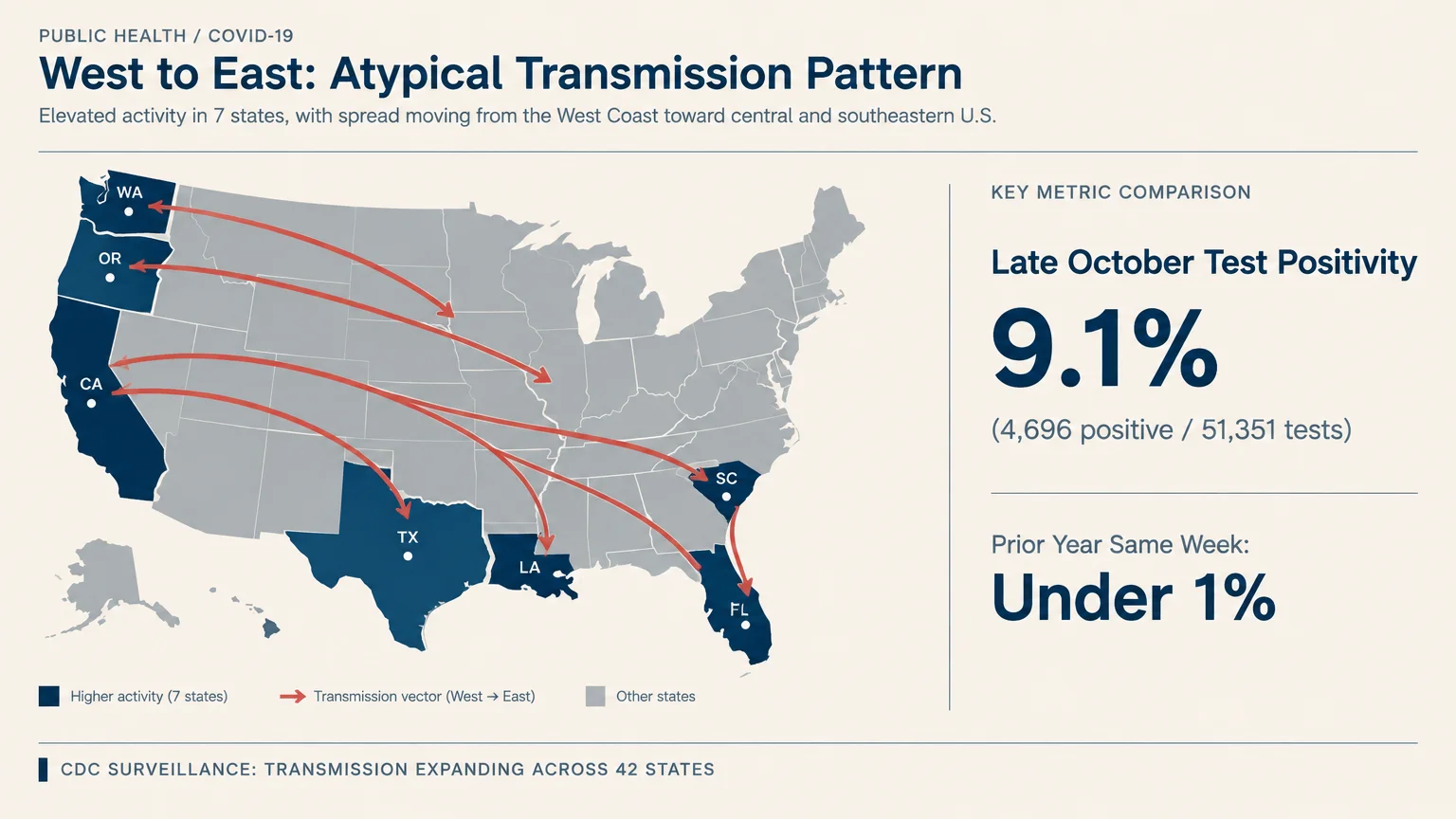
Influenza activity in the United States arrived roughly 2.5 months earlier than usual. Public health officials have not observed an autumn acceleration this rapid since the 2010 season.
Historically, seasonal flu emerges in southern and southeastern states before migrating northward across the country. This season reversed that established historical trend.
Transmission ignited along the West Coast during October and rapidly moved eastward across multiple regions. This atypical trajectory caught many community health systems off guard.
Clinical laboratories reported a striking 9.1% test positivity rate by the end of October. During that single week, laboratories identified 4,696 positive tests out of 51,351 patient samples.
For comparison, the positivity rate during the exact same calendar week in 2025 remained under 1%. That stark difference underscores the unusual velocity of this early wave.
By late October, seven states reached moderate-to-high flu activity levels. These states include California, Florida, Louisiana, Oregon, South Carolina, Texas, and Washington.
In New York, health officials declared influenza prevalent in early November after recording nearly 11,000 cases. That official declaration arrived nearly a month earlier than the prior year.
Epidemiological modeling published by the CDC FluView platform indicates that infections are expanding or likely expanding across 42 states. You must prepare for widespread community exposure earlier than usual.
Unmasking the Dominant Strain: Influenza A(H1N1)pdm09
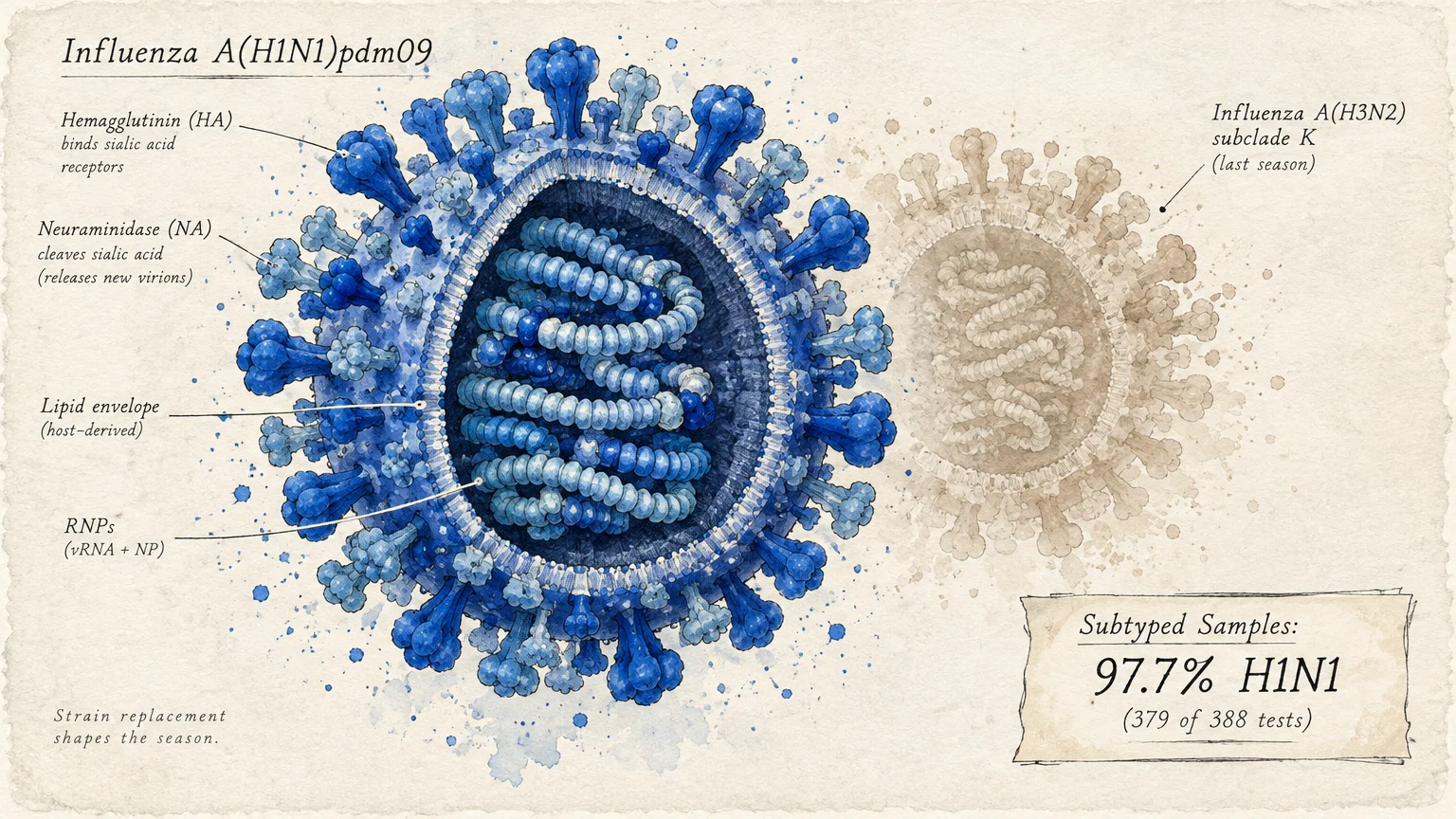
Laboratory sequencing has identified the primary driver behind this early surge. The dominant subtype is Influenza A(H1N1)pdm09, which represents almost all analyzed specimens.
Public health laboratories reported that this H1N1 subtype accounted for 97.7% of all subtyped influenza A samples during the final week of October. Specifically, technicians confirmed 379 H1N1 cases out of 388 subtyped tests.
This finding marks a major departure from the 2025–2026 winter season. Last year, the circulating pathogen was predominantly Influenza A(H3N2) subclade K.
Subtype shifts alter how your immune system responds to circulating respiratory threats. When a new lineage takes over, population-level defenses often take time to recalibrate.
Preliminary federal estimates indicate that this early season has already caused at least 1.7 million illnesses. These early infections have stressed primary care practices and urgent care centers nationwide.
The same surveillance data accounts for between 16,000 and 25,000 hospitalizations alongside approximately 1,400 seasonal deaths. Public health teams are monitoring these figures closely as winter approaches.
Federal surveillance has confirmed between 1 and 3 pediatric flu-related deaths so far this season. Last year, the nation recorded 198 pediatric deaths and approximately 24,000 total fatalities across the full cycle.
These numbers highlight why families should treat early autumn respiratory infections with clear clinical vigilance. Understanding what makes this specific viral variant unique helps you make sound medical choices.

The G155E Mutation and the D.3.1.1 Genetic Group
Geneticists tracking the circulating H1N1 strain have identified a specific structural variation designated as the G155E mutation. International teams first detected this genetic change in Japan in May 2026.
Global health agencies, including the UK Health Security Agency, are closely monitoring this lineage under the D.3.1.1 genetic group. Surveillance allows researchers to evaluate how structural alterations impact human transmission.
The G155E mutation alters the viral hemagglutinin surface protein, which functions as the key the virus uses to enter human cells. This specific alteration closely resembles genetic features seen in pre-2009 H1N1 strains.
Because of this physical shift, the virus can partially bypass existing antibodies produced by past infections or vaccinations. This antigenic drift explains why so many individuals are falling ill simultaneously this autumn.
Medical evidence shows no indication that the G155E mutation creates more severe clinical illness. Patients are not experiencing higher rates of intrinsic tissue damage compared to historical strains.
Instead, the mutation enhances transmissibility by dodging front-line immune barriers. It spreads more efficiently through populations whose antibodies do not precisely match its mutated surface profile.
Scientists at the World Health Organization continuously evaluate circulating isolates against global reference panels. Their ongoing work ensures international health systems receive timely technical updates.
Ongoing genomic surveillance provides essential data for updating diagnostic tools and therapeutic protocols. These insights allow clinicians to tailor their guidance directly to the evolving viral profile.
Why Teens and Young Adults Face Greater Vulnerability
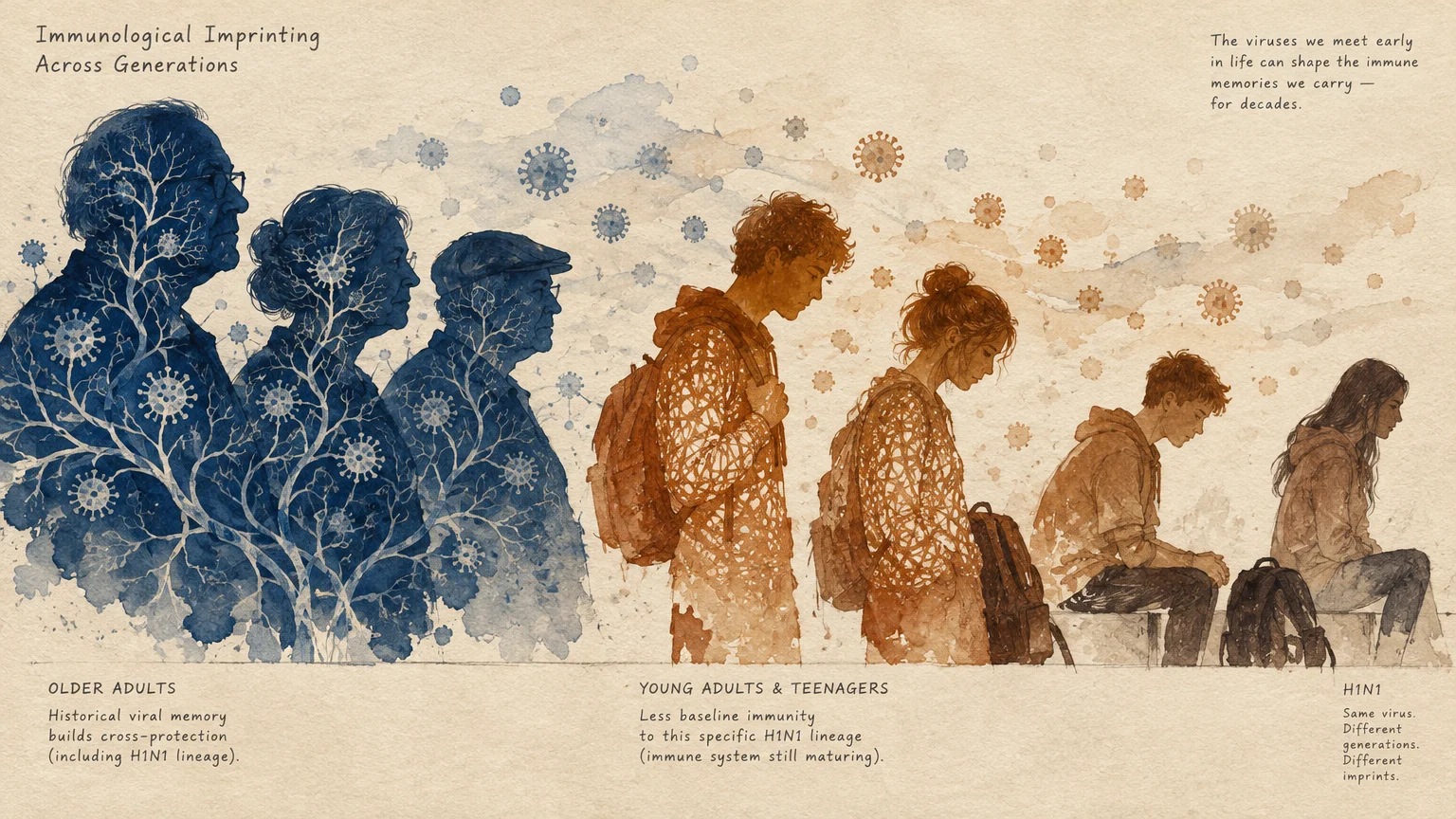
Surveillance data reveals an unexpected demographic pattern in this early outbreak. Teens and young adults under age 25 are experiencing higher infection rates than most other age categories.
Individuals in the 18-to-24 age group are driving a significant portion of early hospital visits and confirmed cases. Epidemiologists trace this vulnerability to a biological concept called immune imprinting.
Your immune system forms lasting memory profiles based on the first flu strains you encountered in childhood. Older adults frequently encountered older H1N1 lineages that shared structural traits with the G155E variant.
Because older generations possess background immunity against similar genetic features, their immune systems recognize the mutated virus faster. Young adults born after 2000 lack that specific historical immune memory.
Social dynamics also compound this biological vulnerability among young people. High school classrooms, college lecture halls, athletic facilities, and social events provide fertile environments for airborne transmission.
Young adults often ignore mild early symptoms, continuing their daily routines while infectious. This unintentional exposure rapidly spreads the pathogen throughout dormitories, workplaces, and multi-generational households.
If you have adolescents or young adults in your home, discuss preventive strategies openly. Early identification in this demographic protects more vulnerable household members from severe complications.
Encouraging college students to seek timely testing curbs explosive campus outbreaks. Coordinated campus health protocols play a central role in mitigating widespread community transmission.
Clinical Presentation: Flu Symptoms Versus Cold Symptoms
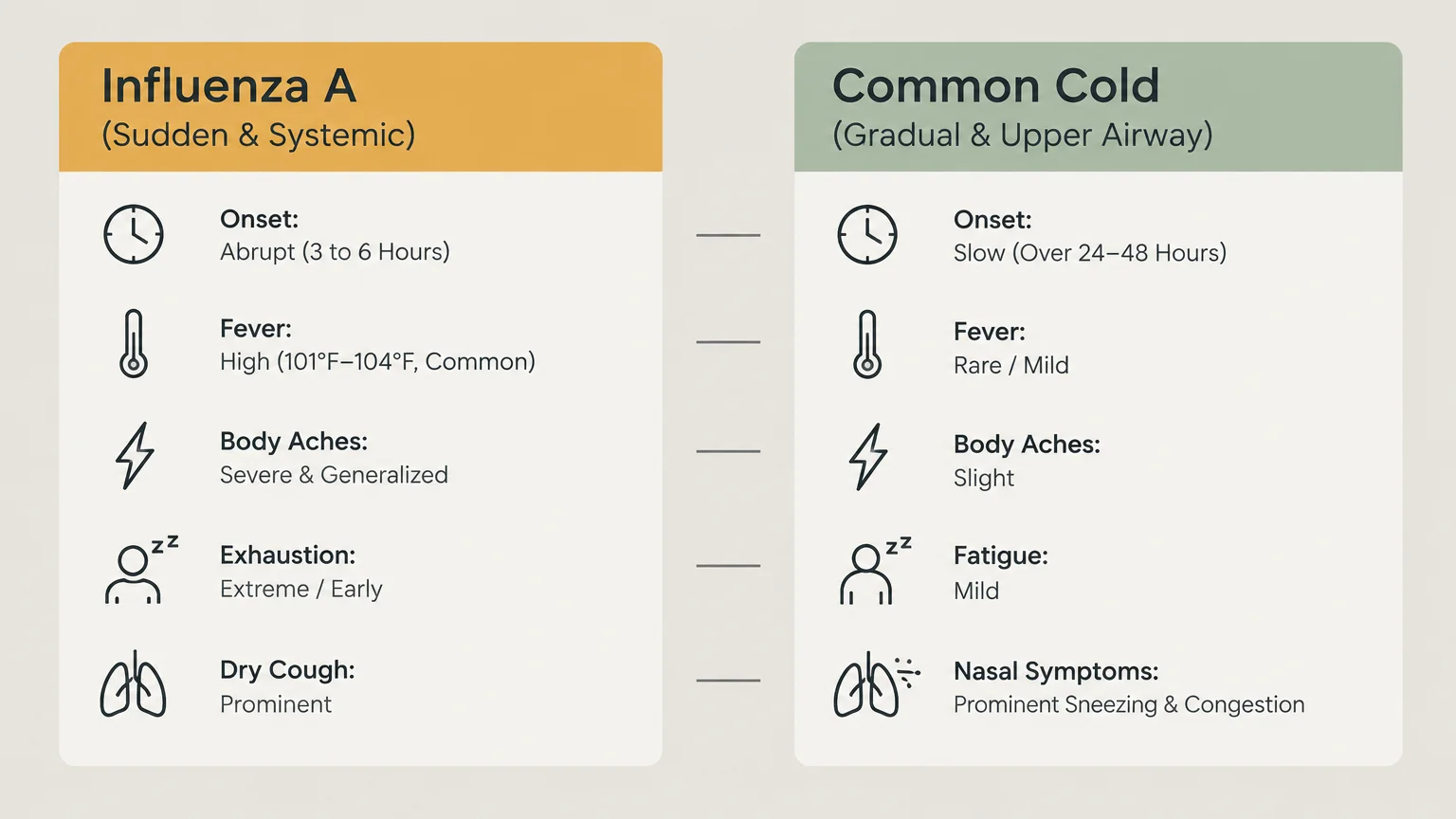
Influenza strikes abruptly, often making you feel completely exhausted within a matter of hours. This rapid onset contrasts sharply with the gradual, mild progression typical of a common cold.
Core symptoms include a sudden high fever, shaking chills, widespread muscle soreness, and intense fatigue. You may also develop a dry, hacking cough, severe headache, and sore throat.
Gastrointestinal symptoms like nausea or diarrhea occur occasionally, particularly in young children. Monitoring the progression of these symptoms helps you distinguish standard illness from severe clinical escalation.
Common colds rarely cause debilitating muscle pain or persistent high fevers. When your entire body aches and simple physical tasks feel impossible, you are likely dealing with influenza.
Nasal congestion and sneezing appear more frequently with minor rhinovirus infections. While the flu can cause congestion, systemic symptoms always dominate the clinical picture.
Documenting the exact hour symptoms began gives your healthcare provider invaluable diagnostic insight. That precise timeline determines whether you remain eligible for fast-acting prescription antiviral therapies.
If you feel uncertain about your symptoms, rapid clinical antigen or molecular tests provide definitive confirmation. Testing early prevents dangerous diagnostic guesswork for your entire family.
Critical Red Flags and Pediatric Warning Signs
You must recognize specific red flag symptoms that demand prompt medical intervention. Knowing these critical signs allows you to act before complications threaten respiratory stability.
In children, watch for rapid or difficult breathing, chest retractions, and bluish skin or lips. Extreme lethargy, refusal to drink fluids, and persistent irritability also require urgent medical evaluation.
Dehydration in infants appears as crying without tears, dry mouth, and fewer wet diapers over an eight-hour period. Young bodies lose fluid balance quickly during high fevers.
In adults, emergency red flags include chest pressure, shortness of breath, sudden dizziness, or confusion. Severe muscle pain that makes standing impossible also signals a need for immediate clinical care.
Pay close attention if symptoms improve for two days and then return with a worse fever and cough. This secondary worsening often indicates a secondary bacterial infection like pneumonia.
Individuals with chronic lung conditions must monitor blood oxygen saturation using a reliable pulse oximeter. Readings that drop below normal baseline levels require immediate communication with your medical team.
Never hesitate to visit an emergency department if you observe rapid clinical deterioration. Trusting your instincts during severe respiratory distress saves lives.
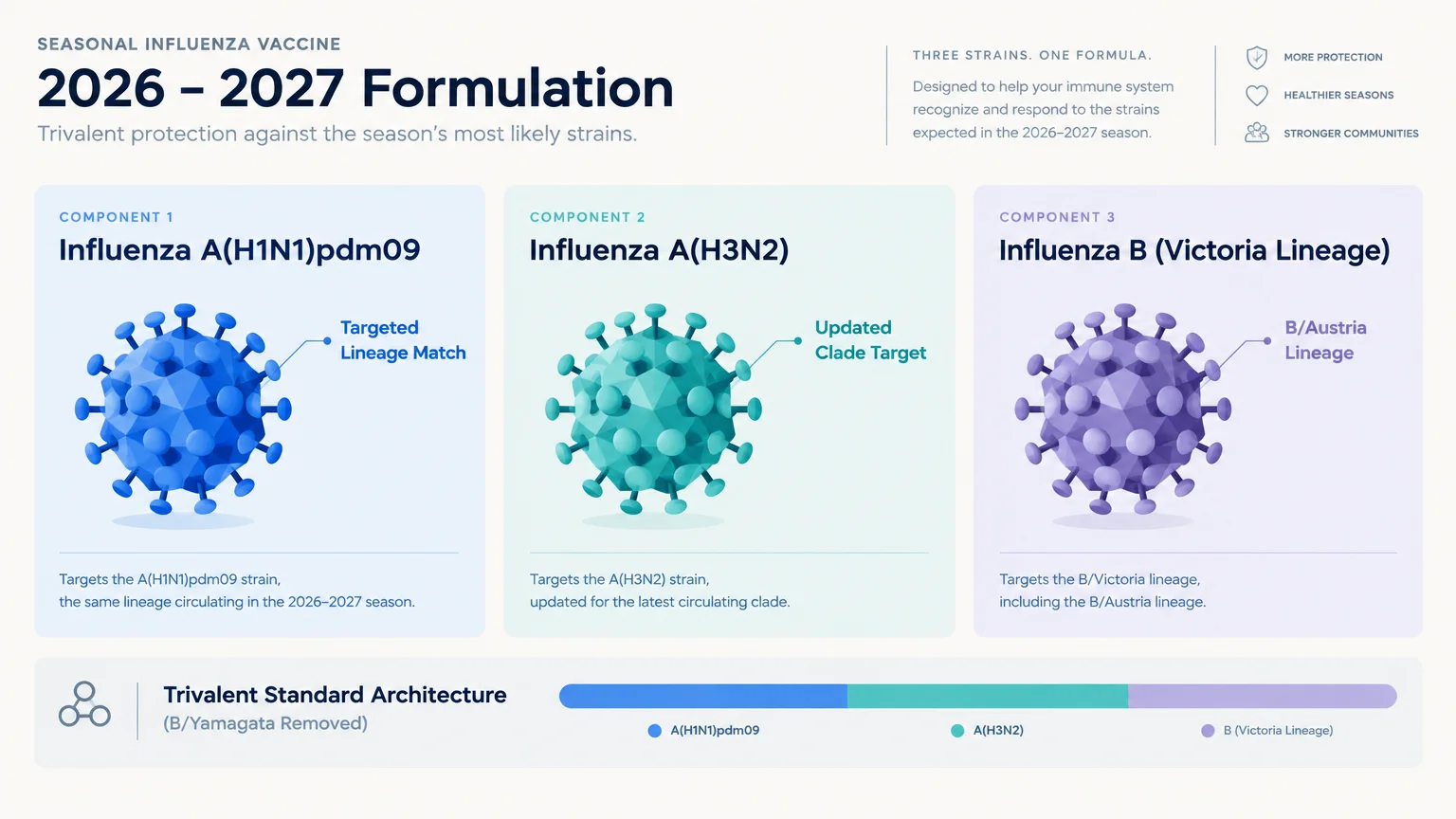
Formulations for the 2026–2027 Seasonal Vaccine
Annual vaccination remains the cornerstone of clinical flu defense for you and your family. The updated seasonal formulation offers substantial protection against severe illness and hospitalization.
Following advisory meetings on March 12 and 13, 2026, the FDA Vaccines and Related Biological Products Advisory Committee updated all three viral components. These updates align trivalent vaccines with evolving circulating threats.
The updated H1N1 component features an A/Missouri/11/2025 (H1N1)pdm09-like virus. This adjustment enhances antibody recognition of modern circulating lineages.
For Influenza A(H3N2), the committee selected A/Darwin/1454/2025 for egg-based production and A/Darwin/1415/2025 for cell-based or recombinant formulas. These targets provide broad coverage against H3N2 lineages.
The Influenza B component incorporates B/Tokyo/EIS13-175/2025 for egg-based vaccines and B/Pennsylvania/14/2025 for cell or recombinant platforms. Both selections represent the circulating B/Victoria lineage.
Manufacturers project a robust domestic supply of up to 135 million doses for the 2026–2027 season. Notably, 99% of this supply is preservative-free and thimerosal-free.
Non-egg-based formulations account for 27% of available supply, giving individuals with severe egg allergies safe, cell-cultured alternatives. You can request these options through your local provider or pharmacy.
Public health authorities recommend vaccination for everyone aged 6 months and older. Even with partial genetic drift from G155E, immunization primes your immune system to suppress severe viral replication.

FluMist and At-Home Immunization Strategies
Families also have access to the needle-free FluMist nasal spray vaccine. The FDA approves this option for self- or caregiver-administration at home for individuals aged 2 through 49.
At-home administration reduces barriers for busy households and individuals with needle phobias. Review the package instructions carefully before administering the nasal spray to your children.
The nasal formulation uses a live attenuated virus that generates mucosal immunity directly in nasal passages. This mucosal defense can stop the virus before it penetrates deeper respiratory tissues.
Certain individuals should avoid live attenuated nasal vaccines. Pregnant women, immunocompromised individuals, and children with active wheezing should select an injectable, inactivated formulation instead.
Many online pharmacies now ship temperature-controlled FluMist packages directly to your doorstep. This distribution model makes family immunization far more accessible for rural or underserved households.
Ensure you inspect the package temperature monitor immediately upon delivery to verify proper cold-chain storage. Administer the doses according to manufacturer instructions and log the dates for family health records.
Having home immunization options empowers you to protect your family without navigating crowded medical facilities. This convenience supports higher vaccination coverage during early, aggressive outbreaks.
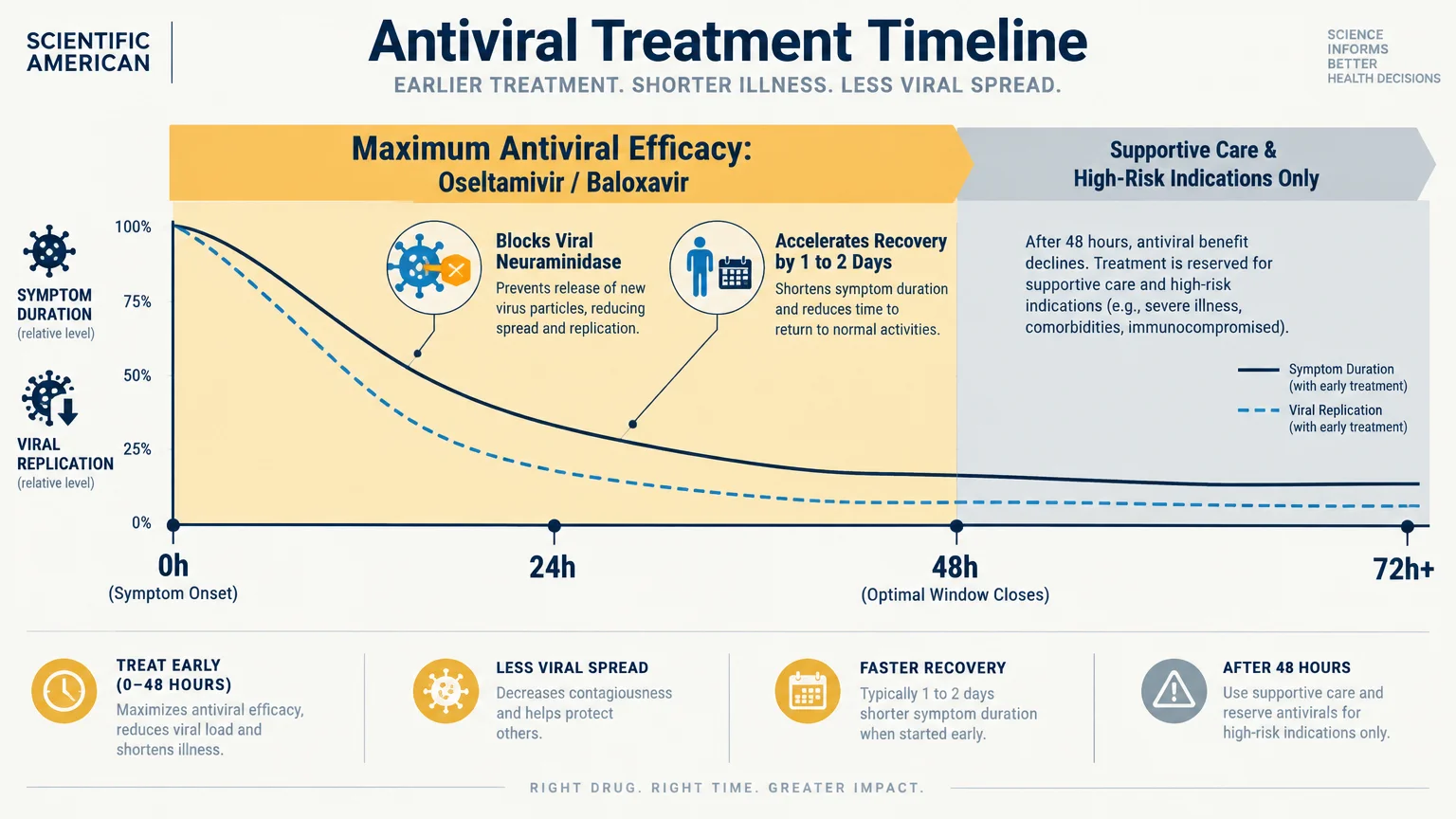
The 48-Hour Antiviral Window and Treatment Protocols
If you test positive or experience classic flu symptoms, act quickly to discuss prescription antiviral treatment with your doctor. Timing plays a vital role in medical success.
Prescription antiviral medications deliver their greatest benefit when you start them within 1 to 2 days—or 48 hours—of your first symptom. Initiating therapy early halts viral replication inside your respiratory tract.
Available medications include oral oseltamivir, single-dose oral baloxavir, inhaled zanamivir, and intravenous peramivir. Your physician will select the optimal medication based on your age, medical history, and clinical status.
Clinical studies show that starting treatment within the 48-hour window shortens fever duration and overall illness length. More importantly, prompt therapy significantly decreases the risk of secondary ear infections and pneumonia.
Physicians prioritize immediate empirical antiviral treatment for high-risk individuals, even before laboratory test results return. Do not delay medical communication while waiting for mild symptoms to resolve on their own.
High-risk groups include children under age 2, adults aged 65 and older, pregnant women, and individuals with chronic medical conditions. Chronic conditions include asthma, heart disease, diabetes, and suppressed immune function.
If you care for high-risk family members, establish a care plan with your clinic now. Having direct access to rapid prescription services prevents dangerous treatment delays.
For comprehensive guidance regarding antiviral options and dosing schedules, consult the CDC Antiviral Information Guide. This reference helps you understand how different antiviral classes function during active infection.
Household Infection Control and Air Quality Management
Stopping influenza requires proactive, everyday defenses within your home and workplace. Implementing small environmental controls creates strong barriers against viral spread.
Influenza spreads primarily through airborne droplets released when infected individuals cough, sneeze, or speak. Enhancing indoor ventilation dramatically lowers the concentration of infectious particles floating in your rooms.
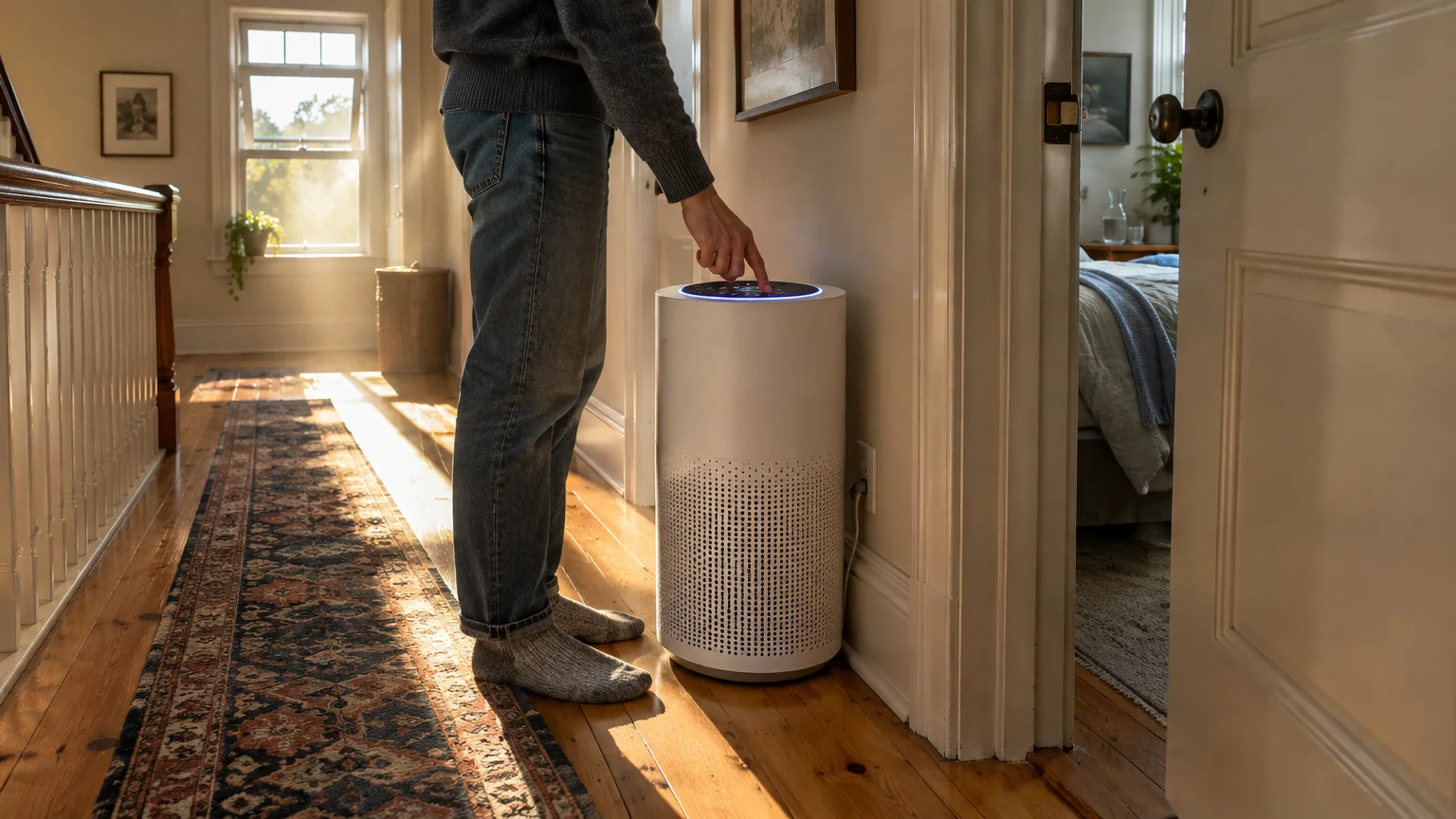
Open windows slightly to promote cross-ventilation, and run portable air cleaners equipped with HEPA filters in shared gathering areas. Increasing air exchange helps protect uninfected family members.
Practice rigorous hand hygiene by washing with soap and warm water for at least 20 seconds. Use alcohol-based hand sanitizer containing at least 60% alcohol when sinks are inaccessible.
Disinfect high-touch surfaces daily, paying close attention to doorknobs, refrigerator handles, mobile devices, and light switches. The virus can survive on non-porous surfaces for several hours under typical indoor conditions.
Designate a separate sick room and isolated bathroom for an infected family member whenever possible. Limiting shared airspace prevents the pathogen from circulating through the entire household.
Have the recovering person wear a well-fitting mask when they must enter communal living areas. Caregivers should also wear high-filtration masks, like an N95 or KN95, during close contact care.
Wash towels, bed linens, and eating utensils used by the sick individual thoroughly using warm water and detergent. Avoid sharing personal items until the infected individual recovers fully.

Supportive Home Recovery and Fever Care
Rest represents the most potent therapy for recovering from acute influenza infection. Pushing through exhaustion forces your body to divert precious energy away from immune defense.
Stay home from school, work, and social obligations until your fever resolves for at least 24 hours without medication. Isolating yourself breaks the chain of community transmission.
Hydration prevents dangerous fluid loss caused by high fevers and respiratory evaporation. Drink abundant amounts of water, clear broths, herbal teas, and electrolyte-replenishing oral solutions throughout the day.
Use over-the-counter fever reducers like acetaminophen or ibuprofen to relieve body aches and reduce discomfort. Always check dosing instructions carefully, particularly when administering medication to young children.
Never give aspirin or aspirin-containing products to children or teenagers recovering from viral infections. Aspirin use in youth during influenza is linked to Reye’s syndrome, a severe liver and brain condition.
A cool-mist humidifier in your bedroom soothes inflamed nasal passages and eases nighttime coughing. Breathing warm steam during a hot shower provides similar temporary airway relief.
Keep a detailed log of medication doses, fever readings, and fluid intake for sick household members. Tracking these vital parameters helps your doctor make informed treatment adjustments during telemedicine check-ins.
Prioritize nutrient-dense, easily digestible foods like soups, oatmeal, and fruit smoothies as appetite gradually returns. Proper nourishment supports your cellular repair processes throughout the recovery period.

Community Support, Telehealth, and Accessible Care
Navigating an early flu wave requires knowing where to find accessible local healthcare resources. You do not need to manage severe symptoms or diagnostic hurdles alone.
Telehealth platforms offer an efficient way to consult healthcare professionals without sitting in crowded waiting rooms. Many virtual providers can evaluate your symptoms and transmit antiviral prescriptions directly to your pharmacy.
Pharmacies across the nation increasingly offer “test-and-treat” services under standardized collaborative practice agreements. You can receive a rapid flu swab and your prescription medication in a single convenient visit.
Federally Qualified Health Centers provide comprehensive medical care regardless of your health insurance status or ability to pay. These community clinics offer sliding-fee scales based on your family income.
You can locate your nearest community clinic through the federal Health Resources and Services Administration directory online. These facilities offer testing, vaccinations, and essential antiviral prescriptions.
Call 211 or visit the 211 website to connect with local health resources, food assistance, and transportation services. Trained community navigators can direct you to affordable medical providers in your county.
Consult your municipal health department for free community vaccination clinics and regional surveillance updates. Many counties provide weekend immunization drives at public libraries, schools, and community centers.
Pharmaceutical patient assistance programs often cover medication costs for uninsured households needing prescription antivirals. Inquire directly with your dispensing pharmacist about manufacturer copay savings cards and hardship programs.
Frequently Asked Questions
Does the G155E mutation cause more severe illness than previous flu strains?
Current epidemiological data indicates that the G155E mutation does not cause more severe disease or higher mortality rates. Patients experience standard influenza symptoms such as fever, fatigue, and cough.
The primary impact of this genetic change is its ability to bypass existing population antibodies. This immune evasion leads to higher transmission rates and earlier seasonal outbreaks rather than increased personal virulence.
Will this season’s updated flu vaccine protect against the circulating variant?
Yes, the 2026–2027 seasonal vaccine provides vital defense against severe illness, hospitalization, and death. The FDA updated the H1N1 component this spring to closely match circulating strains.
Even when circulating strains exhibit slight antigenic drift, vaccination generates broad cross-reactive antibodies and cellular T-cell responses. This immune reinforcement substantially blunts the severity of infection if you get exposed.
Can you administer the FluMist nasal spray vaccine at home?
Yes, the FDA has approved FluMist for self-administration by adults or caregiver administration for children aged 2 through 49. You can obtain the vaccine through participating pharmacies or home delivery services.
Carefully review the accompanying instructions and screening questions before administering the spray into each nostril. Individuals who are pregnant or severely immunocompromised should select an alternative, injectable vaccine formulation.
What should you do if your symptoms worsen after initial improvement?
If your fever breaks and your symptoms begin to improve, but severe fever and cough suddenly return, contact a physician immediately. This pattern strongly suggests a secondary bacterial infection like bacterial pneumonia.
Secondary bacterial complications require prompt medical assessment and may necessitate prescription antibacterial therapy. Never ignore a sudden respiratory setback following an apparent viral recovery.
Moving Forward With Confidence
Facing an early flu outbreak can feel overwhelming, but preparation restores your sense of control. You now possess the scientific context and practical tools needed to protect your household.
Schedule your family’s seasonal flu vaccinations as soon as possible to establish robust immune defense. Vaccines require approximately two weeks to generate optimal antibody protection in your body.
Stock your home medicine cabinet now with fever reducers, oral rehydration packets, a reliable digital thermometer, and high-quality masks. Having essential supplies ready avoids panicked trips to crowded stores while ill.
Establish an immediate plan for accessing rapid testing and antiviral therapy should unexpected symptoms emerge. Knowing your nearest telehealth or pharmacy clinic ensures you can access medications within the vital 48-hour window.
Share this knowledge with your friends, colleagues, and extended family to build resilient, informed communities. Thoughtful daily precautions and timely care will guide your household safely through this early season.