


Stress and anxiety are normal emotions, but sometimes they can get out of hand. (Mental breakdown about your fall shoe purchases? Yeah, been there.) But while you may be adept at managing your anxiety on an emotional level, there might be one area of your life that’s still causing problems: Your diet.
After all, most folks know that caffeine can mess with adrenaline levels, or that heavy foods can make you lethargic. But do you know how sugar affects your mood? How about yogurt? Or fish? Read on for five tips for eating better and feeling saner.
Cut Back on Sugar
It’s sinfully delicious, and it’s in most of our food. But if you want to manage your symptoms, you’ll need to cut back on your intake. Here’s why: High amounts of sugar can create a rush, which replicates the feeling of a panic attack.
Plus, excess sugar forces your body to use up its reserved energy sources, which is why you crash after eating one too many sweet treats.
Outpatient nutrition supervisor at UPMC Pinnacle Erica Hornung suggests getting plenty of healthy carbs instead, and eating a protein-rich breakfast to maintain energy, noting, “Try to stay away from the ‘simple’ carbohydrates like sugary snacks and drinks, as these can cause blood sugar spikes, which will eventually lead to a blood sugar crash and feeling sluggish.”
You can also reduce the amount of sugar you consume by downsizing your portions and checking ingredient labels before you buy.
Eat Antioxidant-Rich Foods
According to a study in The Annals of General Psychiatry, anxiety may have a link to low antioxidant levels, since antioxidants reduce inflammation and oxidative stress, both of which damage brain functioning. (Menopausal women are especially at risk for oxidative stress due to low estrogen.)
Put more antioxidant-rich foods on your shelves by shopping for dark berries, walnuts, fruits and beans.
Drink Caffeine in Moderation
Caffeine wakes you when you’re tired, and most people can benefit from an occasional energy boost. But continually keeping yourself alert with a small (or OK, venti) coffee disrupts your body’s natural rhythms, making it harder to regulate them.
The reason? Caffeine blocks adenosine production, which would typically cause sleepiness. By stopping this chemical’s influence, coffee stimulates you in the moment but can cause sleeping issues down the road. It also increases your cortisol levels, making you feel irritable and on-edge.
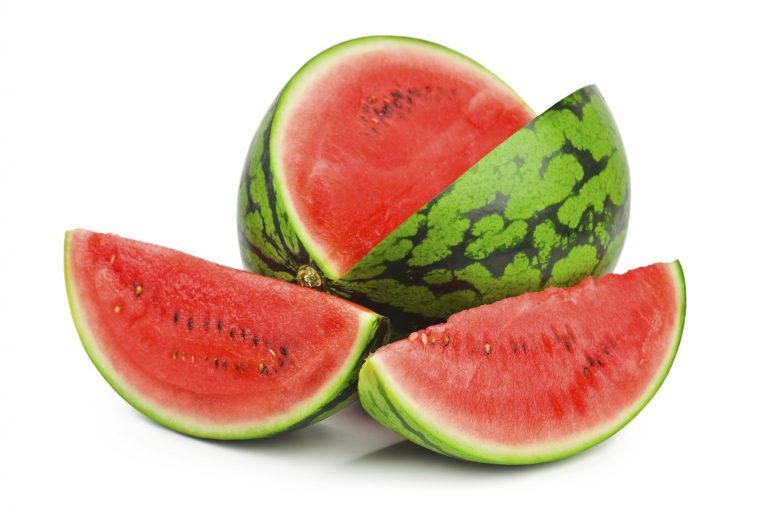
Advises Hornung: “Try staying hydrated with water instead, since when our body is dehydrated, it can cause us to feel lousy. If you get tired of plain water, try adding some cut up fruit like strawberries, melon or kiwis.”
Try a Mediterranean Diet
This diet offers foods full of omega-3 fatty acids, such as nuts, seeds and fish. These unsaturated fats are just generally excellent, and don’t come with the same cardiovascular risks as saturated fats.
Scientists have yet to find a definitive answer as to why omega-3s reduces anxiety, but they think it may be because they can so easily travel to the brain and communicate with mood-regulating molecules and neurotransmitters.
Up Your Intake of Probiotics
Recent studies suggest that the body’s gut microorganisms play a role in forming depression and anxiety, specifically because bacteria in your gastrointestinal system sends signals to your central nervous system.
An abundance of harmful bacteria can disrupt natural gut functions and send damaging chemical messages to the brain. Good bacteria (like Lactobacillus), on the other hand, can regulate anxiety and positively influence brain activity.
Many probiotics are available in pill form, but you can also get them from fermented foods like yogurt, kombucha or kefir.