

Search
Close this search box.
Search
Close this search box.

10 Hidden Health Dangers You Can’t Ignore

Low Vitamin-D Levels

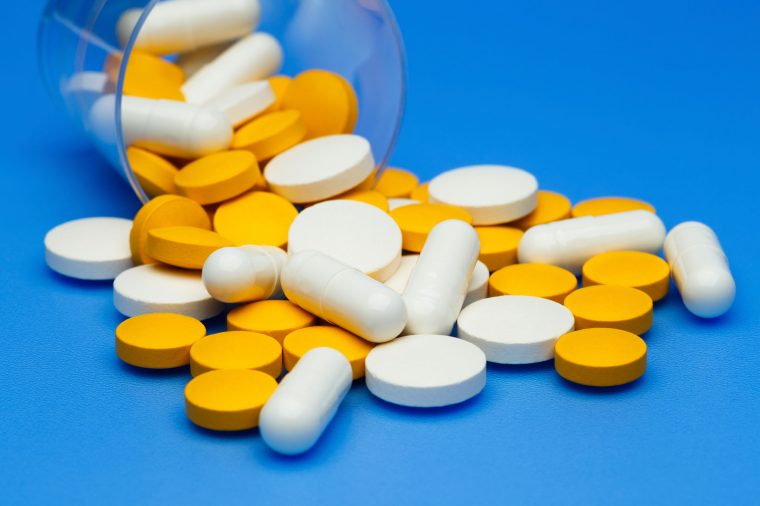
Vital for maintaining healthy bones, vitamin D is crucial for calcium absorption, which is why low levels can lead to increased risk of osteoporosis and weak bones. It’s estimated that at least 40 percent of American adults are deficient in vitamin D and many might not even know it. Under 30 ng/mL is considered low, whereas under 20 ng/mL is deficient.

Recommendation: The most natural and efficient way for your body to make vitamin D is via sunshine-on-skin, though taking supplements can help, too. According to the Vitamin Council, Vitamin D3 is the best form of vitamin D supplementation to take.

PREV12 3 456 ... 11NEXT
Facebook
Twitter
WhatsApp
Pinterest
Reddit
LinkedIn
Facebook
Twitter
WhatsApp

Leave a Comment

Your email address will not be published. Required fields are marked *

READ NEXT

10 Common Drugs That Can Make You Gain Weight

Prozac (fluoxetine) Although Prozac, an SSRI, is generally associated with weight loss, it can have the opposite effect in the long term. A 60-week study found that, although patients on

13 Signs Your Lungs Are Trying to Send You

You hear wheezing when you breathe – By wheezing, we mean a high-pitched whistling noise when you breathe in or out. If you have it, you should go and get it

The Best Vitamins for a Healthy Digestive System

Inefficiencies in the digestion system can cause discomfort in the form of gas, bloating, cramping and other uncomfortable side effects of indigestion. Our body needs essential vitamins to function properly,

Health Benefits of Drinking Enough Water

Drinking water prevents headaches Have you ever thought that your headaches are linked to dehydration? Drinking water can help relieve headache symptoms, especially in people who are dehydrated. One study

10 Things Your Feet Say About Your Health

Bald toes It could be: Arterial disease. If the fuzz on your toes suddenly disappears, it could signal poor blood circulation caused by peripheral arterial disease (PAD). “Signs of PAD

Scroll to Top