


Search
Close this search box.
Search
Close this search box.

The Umbrella Term for Many Types of Hair Loss

When your immune system mistakenly attacks your hair follicles, appears this type of hair loss named alopecia, which is an umbrella term for many other types of hair loss.

The damage to the hair follicles is usually not permanent. Alopecia is often treatable and has many causes of hair loss, but a dermatologist can help you identify the cause of your hair loss and give you the right treatment. Here are different forms of alopecia.

Androgenic alopecia
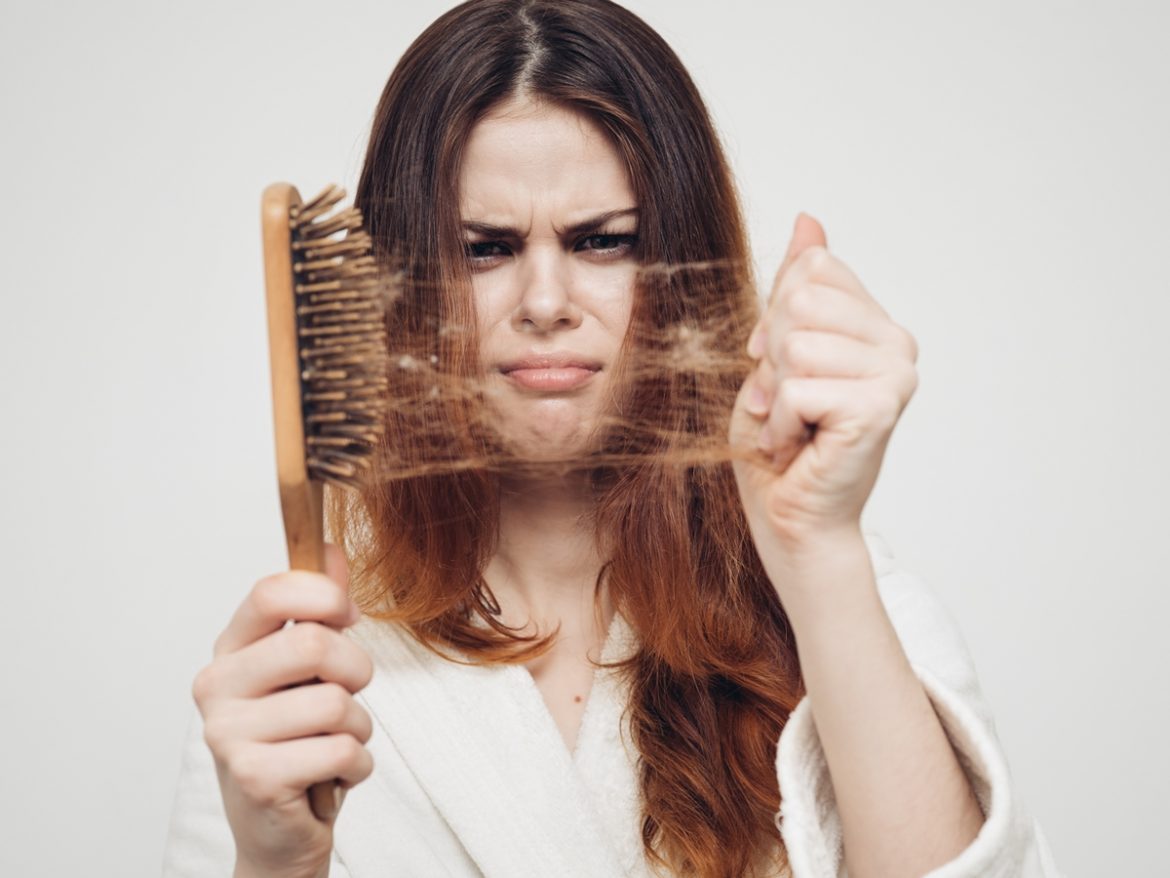
This is the most common form of hair loss in both women and men and it is hereditary. In men, this condition is also known as male-pattern baldness. Hair is lost in a well-defined pattern, which begins above both temples. Over time, the hairline recedes to form a characteristic “M” shape.

Telogen effluvium

This disease is caused by stress or a trauma and this leads your roots to be pushed into the resting state. Telogen effluvium can be chronic or acute. This disease can strike women after giving birth.

Anagen effluvium

This form of disease refers to hair shedding which arises during the growth stage of the hair cycle. Anagen effluvium is also associated with chemotherapy. But when you will stop taking the medication, hair will grow back.

Alopecia totalis and alopecia universalis
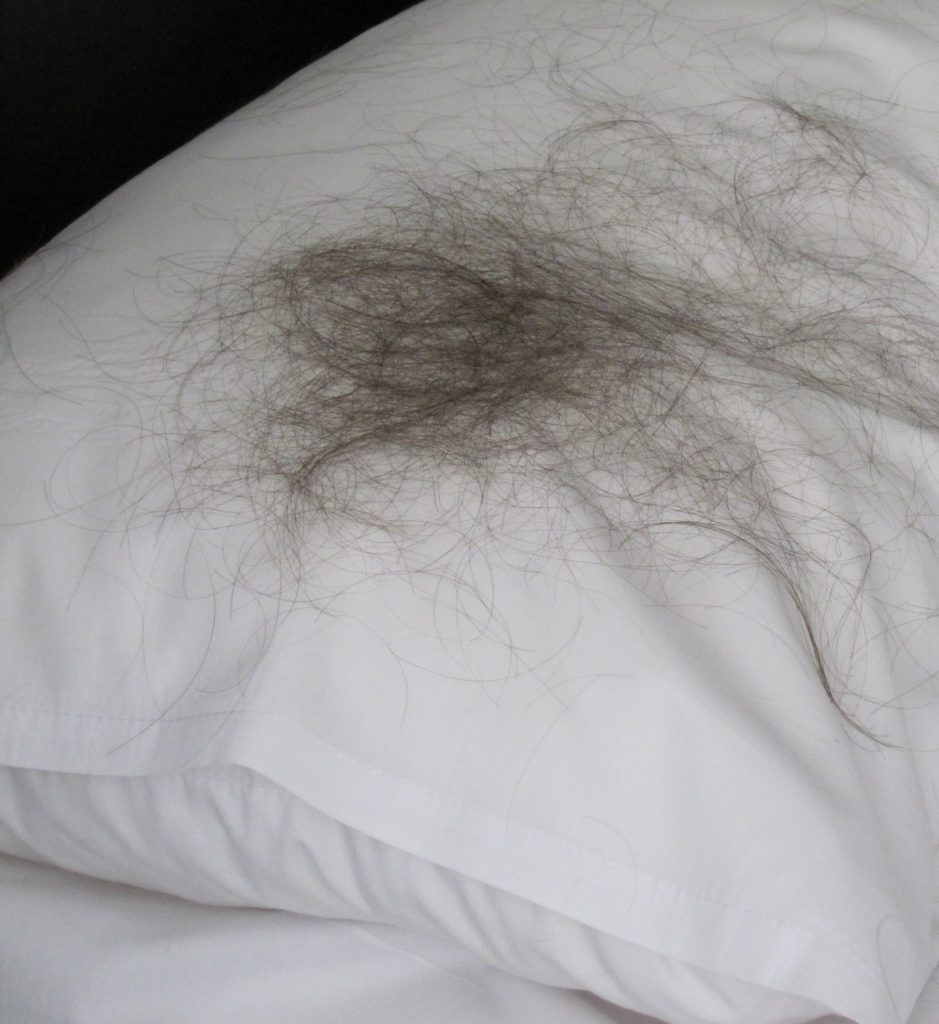
Alopecia totalis is total loss of scalp hair and the othe one is total loss of body hair. The cause is an immune-system attack.

Facebook
Twitter
WhatsApp
Pinterest
Reddit
LinkedIn
Facebook
Twitter
WhatsApp

Leave a Comment

Your email address will not be published. Required fields are marked *

READ NEXT

6 Worst Drinks for Your Body

Many of us grew up in homes where soda was the go-to beverage of choice for family dinners and school celebrations. Nowadays, parents across the nation are shamed if they’re

5 Unexpected Benefits of Drinking Hot Water

Recent research revealed that drinking hot water on an empty stomach provides numerous health benefits. Lemon-infused water, for example, reduces free radicals and helps different organs function properly. Studies say

6 Signs of a Vitamin K Deficiency

When it comes to nutrients, vitamin K isn’t one we hear a lot about, but it’s an important one. There are two primary types of vitamin K: vitamin K1 and

11 Skin Conditions You Never Knew Existed

Dealing with a skin condition is no easy task. While some may treat their skin problems by just applying a mild cream, others might be coping with their skin issues

6 Super Foods That Lower Cholesterol Naturally

When you’re looking to change your cholesterol stats, foods that lower cholesterol can play a vital role. To start, add foods that are known to lower LDL (bad) cholesterol or

The Difference Between Dementia and Alzheimer’s

There are around 50 million people living with dementia worldwide, according to the World Health Organization. While dementia and Alzheimer’s disease are often used interchangeably, there are important differences between

9 Meds You Should NEVER Stop Taking Abruptly

Nearly one-third of Americans have stopped taking a prescription drug at some time without consulting their doctor, according to the 2017 NPR-Truven Health Analytics Health Poll. The biggest reason given

Facts About Thyroid Cancer You Should Know

You probably don’t give much thought to your thyroid, but the small butterfly-shaped gland in your neck—normally measuring between 4 and 6 centimeters or 1.5 to 2.5 inches wide—has a

4 Important Things You Should Do EVERY Morning

…asides from taking a shower and brushing your teeth, of course. 1. Meditation Okay, if you’re keen on yoga combined with meditation or other techniques, that’s great. But if you’re

6 Signs You May Have Kidney Disease

While the only way to know for sure if you have kidney disease is to get tested, we share six possible signs you may have kidney disease. If you’re at risk

Scroll to Top