High-Alert Fake Calls, Robocalls, and AI Voice Impersonation
Fraudulent telephone calls remain the most common tool used to compromise Medicare accounts. Criminals employ advanced software to bypass spam filters and manipulate caller identification screens.
Artificial Intelligence and Spoofed Caller IDs
Scammers now deploy artificial intelligence (AI) voice cloning software during unsolicited calls. These programs mimic the tone and warmth of professional caseworkers or customer service representatives.
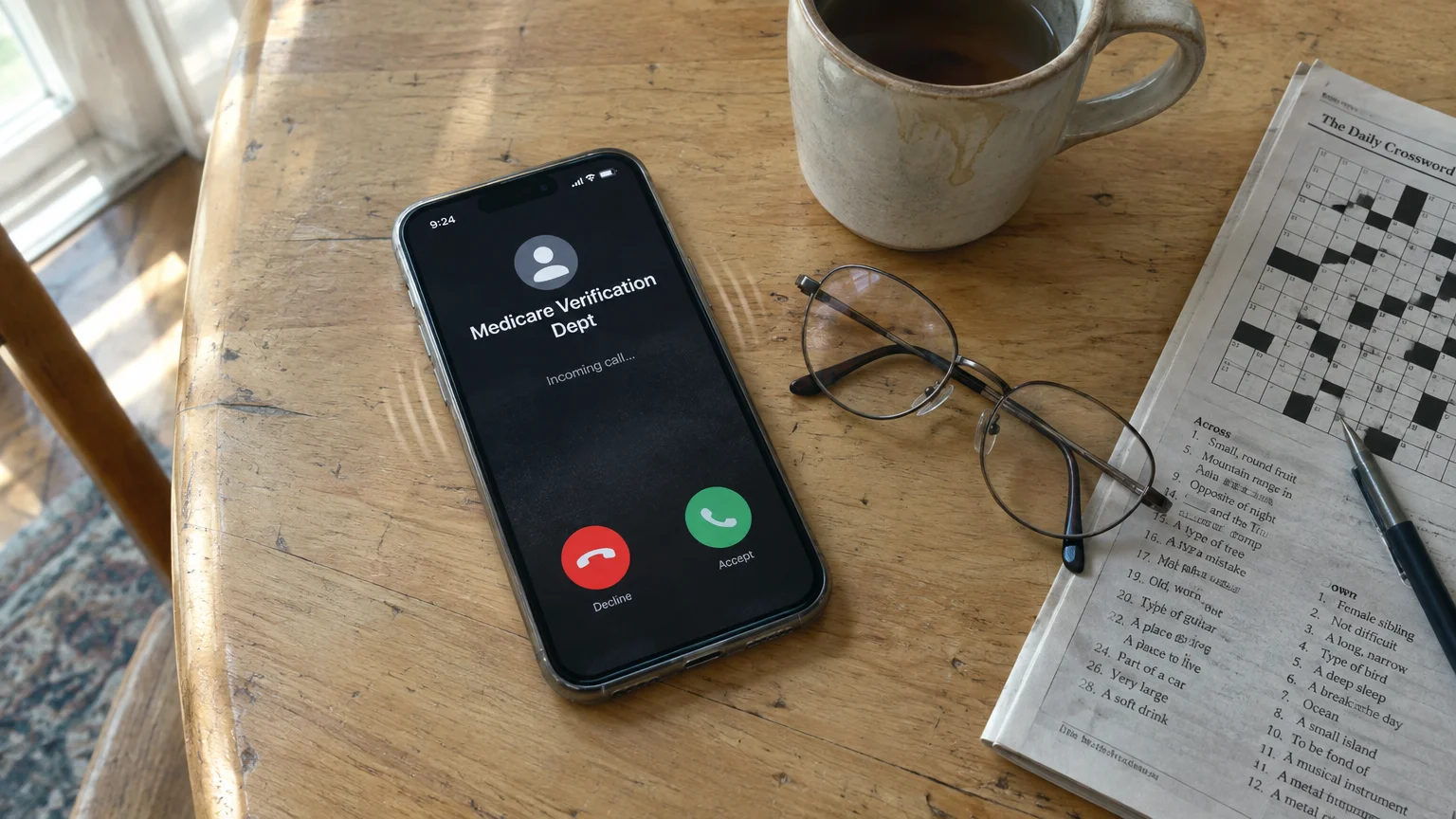
Callers also spoof their phone numbers to display official-sounding titles like “Medicare Verification Department.” Never trust caller ID displays, as bad actors falsify this information with ease.
The Fake Expiration and Verification Trap
A frequent telephone script claims your Medicare card is expiring or requires immediate chip verification. The caller insists that your medical benefits will pause unless you confirm your identification number.
This claim is entirely fraudulent. Legitimate Medicare cards do not expire, and the federal government does not issue plastic chip-embedded cards.
False Promises: Grocery Allowances and Flex Cards
Another aggressive script promises free grocery allowances, preloaded flex cards, or Social Security giveback funds. Scammers claim you qualify for thousands of dollars in food subsidies under a special program.
Although valid financial aid programs like Medicare Savings Programs can assist eligible individuals with costs, government agencies never pitch them through aggressive phone cold-calls.
They threaten that you will forfeit these funds unless you confirm your personal details immediately. These non-existent subsidies serve as bait to harvest your banking credentials and Medicare number.
Official Communication Standards
The Centers for Medicare & Medicaid Services (CMS) enforces strict communication standards to protect beneficiaries. CMS will never call you uninvited to ask for your Medicare number, Social Security number, or bank details.
Legitimate Medicare representatives never call to sell an insurance policy or verify your enrollment status. If an unsolicited caller requests your private information, hang up immediately.