Home Health Care, Outpatient Therapy, and Medical Equipment
When you recover well enough to return home directly, rehabilitation continues through outpatient services. Medicare covers in-home skilled care, outpatient therapy, and assistive equipment to help you regain independence.
Medicare Home Health Care Coverage
Medicare pays 100% of covered home health services, leaving you with a $0 copayment. To qualify, your physician must certify that you are homebound following your fall or surgery.
Being homebound means leaving home requires taxing effort and assistive devices or personal physical assistance. You must also require intermittent skilled nursing, physical therapy, occupational therapy, or speech-language pathology services.
Medicare home health benefits do not cover 24-hour care, meal delivery, or personal aides who assist exclusively with bathing and dressing.
Outpatient Physical and Occupational Therapy
If you travel to a rehabilitation clinic, Medicare Part B covers outpatient therapy appointments. You pay 20% of the Medicare-approved amount after meeting your $283 Part B deductible.
Alongside formal physical therapy, performing targeted balance exercises that help prevent falls can strengthen stabilizing muscles and prevent future hospitalizations.
Medicare establishes an annual KX modifier threshold of $2,480 for physical therapy and speech therapy combined. A separate $2,480 threshold applies to occupational therapy.
These amounts are not benefit caps. When therapy charges exceed $2,480, your therapist adds a KX billing modifier verifying that ongoing care remains medically necessary.
A targeted medical review occurs only if combined therapy claims exceed $3,000 in a calendar year. Your therapist manages these administrative submissions directly.
Durable Medical Equipment (DME) After a Fall
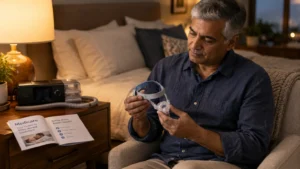
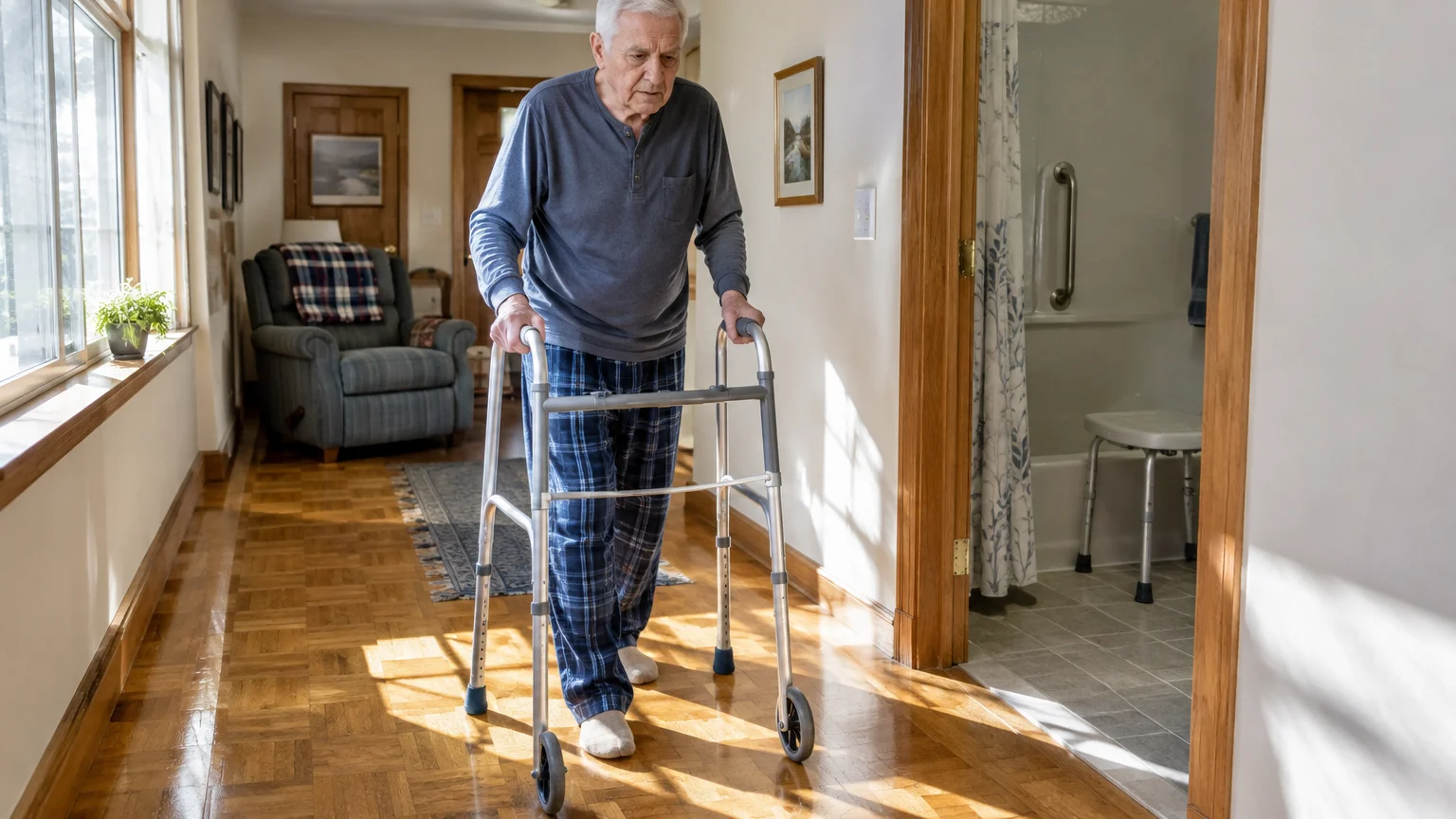
Recovering from a fall often requires mobility aids such as walkers, canes, crutches, bedside commodes, or hospital beds. Medicare Part B covers these items as Durable Medical Equipment (DME).
You pay 20% coinsurance for covered equipment after satisfying your $283 annual Part B deductible. Your doctor must write a prescription stating that the equipment is medically necessary inside your home.
You must obtain equipment from an enrolled Medicare supplier that accepts assignment. Check the official Medicare.gov supplier directory to locate approved medical equipment vendors in your area.