Search
Close this search box.
Search
Close this search box.

8 Important Things Doctors Want You to Know About Face Masks

Wearing face masks won’t protect you against the coronavirus. As a matter of fact, washing your hands often is much better than putting on a face mask. “I tell people you should be washing before you cook or serve food and after you use the bathroom; I wash my hands every time I return home,” explains Meghan McGinty, PhD, affiliate assistant professor of environmental and occupational health sciences at the University of Washington School of Public Health. “That is more effective than wearing a face mask.”

Read on to discover the things doctors need you to know about face masks:
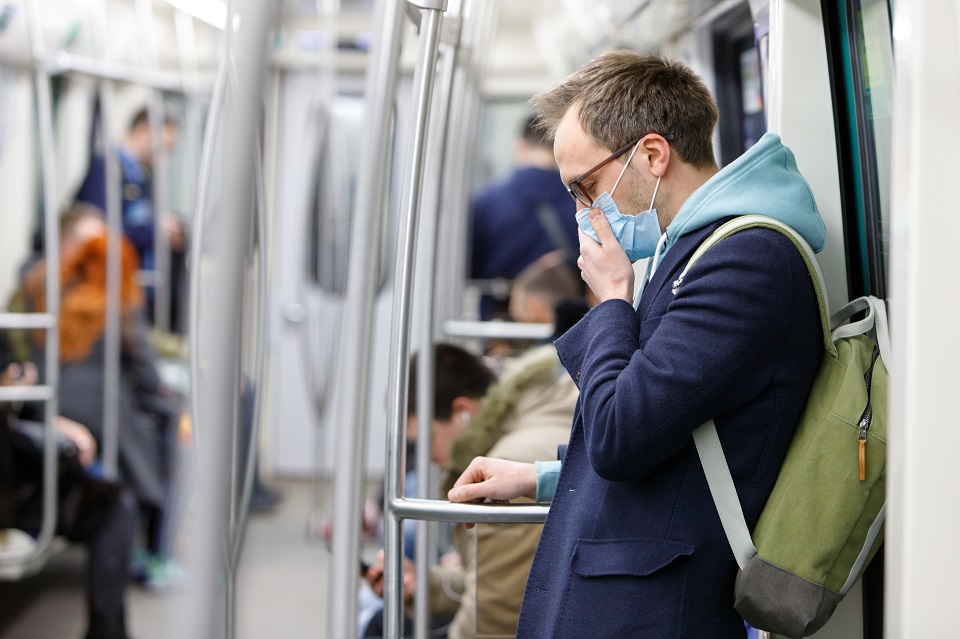
Photo by DimaBerlin from Shutterstock

1. A mask is NOT a respirator

“A face mask is a lose-fitting disposable device that creates a barrier between the mouth and nose and the external environment,” says Dr. McGinty. “They’re not intended to protect you against respiratory illnesses. They’re typically meant to prevent you from inhaling large particles like dust particles.”

On the other hand, respirators are designed to keep you safe from smaller particles such as viruses. They are typically used all the time by healthcare professionals in healthcare settings. For example, An N95 mask blocks at least 95% of really small particles and that also include bacteria and viruses, according to the Centers for Disease Control and Prevention (CDC).

1 234 ... 8NEXT
Facebook
Twitter
WhatsApp
Pinterest
Reddit
LinkedIn
Facebook
Twitter
WhatsApp

Leave a Comment

Your email address will not be published. Required fields are marked *

READ NEXT

7 Things Stress Is Doing to Your Body

You wouldn’t eat a food that shrinks your brain. You wouldn’t drive a car that makes you sweat. You wouldn’t buy a purse that worsens PMS. So why are we

8 Things You Shouldn’t Put Yourself Through

The truth is that it is very important to consider yourself self-sufficient, so trying to do some things on your own is sometimes recommended, but in some situations, it’s not

The Top Risk Factors for Celiac Disease

A gluten-free diet has been all the rage in recent years – despite little evidence as to its benefit in the general population. Unfortunately, the fad diet has somewhat shadowed

5 Surprising Causes of Snoring

Snoring affects 90 million Americans and the majority of these people “are unaware of why they snore or what snoring could indicate about their overall health,” according to Jagdeep Bijwadia,

6 Eye Symptoms and What They Are Hiding

Your symptoms: Red eyes Both eyes are itchy and watery It’s probably allergies, aka allergic conjunctivitis—a reaction to pollen, pet dander, or something else in your environment. Get away from

Avoid These Foods When Your Stomach Hurts!

If you’re in pain or have nausea, vomiting, diarrhea, or other symptoms, you’d do anything to feel better. Luckily most stomach bugs are short-lived. However, choosing the wrong kind of

The Best Foods for Every Vitamin and Mineral

To keep itself running smoothly your body requires an array of essential nutrients, ranging from disease-fighting antioxidants to bone-building heavy metals. Although you can get many of these nutrients in

Common Habits to Have a Healthier Thyroid

According to the American Thyroid Association, about 20 million Americans have a thyroid condition—and of those 20 million, a staggering 60 percent aren’t aware of it. The hormones that are

The Most Common Culprits Behind Your Heartburn

Whether you’re 17 or 71, odds are that you’ve experienced heartburn at least once in your life, if not more. According to the American College of Gastroenterology, more than 60

8 Tips That Help You Cope With Your Chronic Pain

Everyone experiences occasional aches and pains. In fact, sudden pain is an important reaction of the nervous system that helps alert you to possible injury. When an injury occurs, pain

Scroll to Top