The $35 Insulin Cap and Part D Prescription Rules
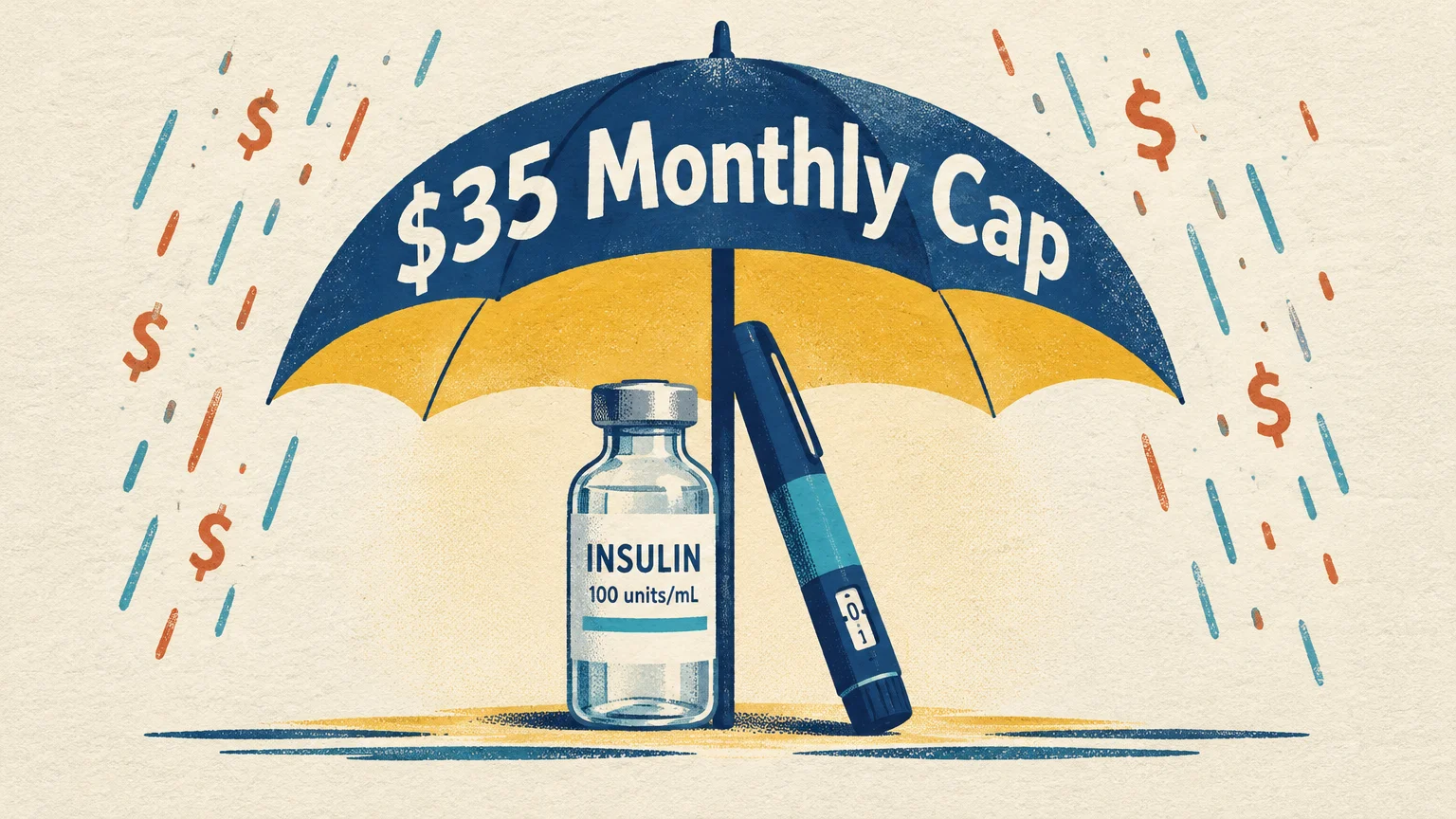
The Inflation Reduction Act established vital protections for people using insulin. Out-of-pocket spending for a one-month supply of covered insulin cannot exceed $35.
If your doctor prescribes a 90-day supply, your out-of-pocket copayment cannot exceed $105. This price cap applies across all Medicare drug plans, providing budget predictability.
You do not have to meet an annual deductible before this $35 cap takes effect. Your savings start immediately on your first prescription purchase of the year.
New 2026 Insulin Copay Calculations
A revised statutory cost calculation officially took effect on January 1, 2026. Under this rule, your Part D insulin copay equals the lesser of $35, 25% of the maximum fair price, or 25% of the plan negotiated price.
This calculation ensures your copay drops even lower if 25% of the negotiated price falls below $35.
Part B Versus Part D Insulin Coverage
Where your insulin is covered depends on the method you use to administer it. Part B covers insulin infused through an external durable pump.
Medicare Part D covers self-injected insulin delivered through pens, vials, and syringes. Part D also covers inhaled insulin and insulin used in disposable patch pumps.
Both Part B and Part D enforce the $35 monthly cap. Regardless of your delivery method, you will not pay more than $35 per month for covered insulin.
Part D also covers essential supplies needed to inject insulin. Covered injection supplies include disposable syringes, needles, alcohol prep swabs, and gauze pads.
2026 Part D Deductibles, Spending Caps, and Negotiated Prices
For non-insulin medications and injection supplies, standard Part D plan rules apply. In 2026, the maximum allowable Part D deductible is $615, up from $590 in 2025.
Low-income beneficiaries who struggle with prescription costs can also apply for Medicare Extra Help to substantially reduce or eliminate drug deductibles and copays.
Part D plans feature an annual out-of-pocket spending cap of $2,100 in 2026. This cap increased slightly from the $2,000 threshold established in 2025.
Once your out-of-pocket prescription drug spending reaches $2,100 in 2026, you pay $0 for covered Part D drugs for the rest of that calendar year.
Furthermore, Medicare-negotiated Maximum Fair Prices took effect on January 1, 2026, for ten selected medications. This list includes widely prescribed diabetes treatments Fiasp, NovoLog, Jardiance, and Januvia.