
Waking up with a stiff neck or an aching lower back usually points directly to your sleep surface. Choosing the right sleep setup realigns your spine tonight so you can wake up refreshed.
Your bed should actively support your anatomy rather than forcing your muscles to work overtime while you rest. Small adjustments to your sleep foundation restore deeper rest immediately.
Matching your sleep position and body weight to proper materials transforms your overall sleep quality. Let us examine how your bedding choices reshape your nightly recovery.
How Your Sleep Surface Influences Your Physiology
As your homeostatic sleep drive builds throughout the day, your body demands uninterrupted rest to repair tissue. Physical discomfort disrupts this cycle, jarring you out of slow-wave sleep before your muscles fully recover.
According to the National Institute of Neurological Disorders and Stroke, reaching restorative rapid eye movement sleep requires continuous physical comfort. Pressure points trigger micro-arousals that fragment these vital sleep stages without your conscious awareness.
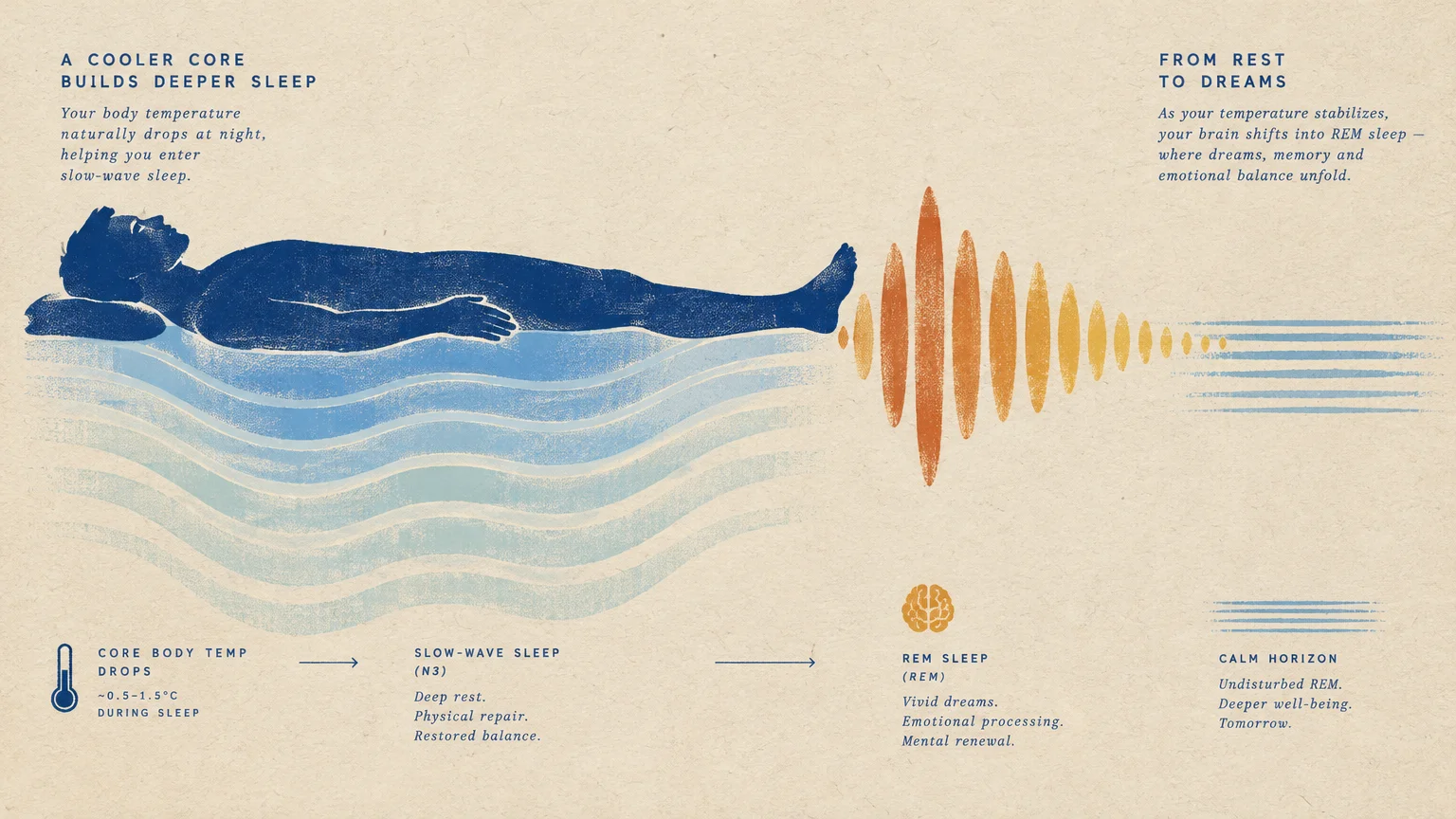
Your core body temperature also drops naturally at night to facilitate deep slumber. Mattresses that trap heat prevent this natural cooling process, causing restless tossing and turning.
Decoding Mattress Firmness for Your Body
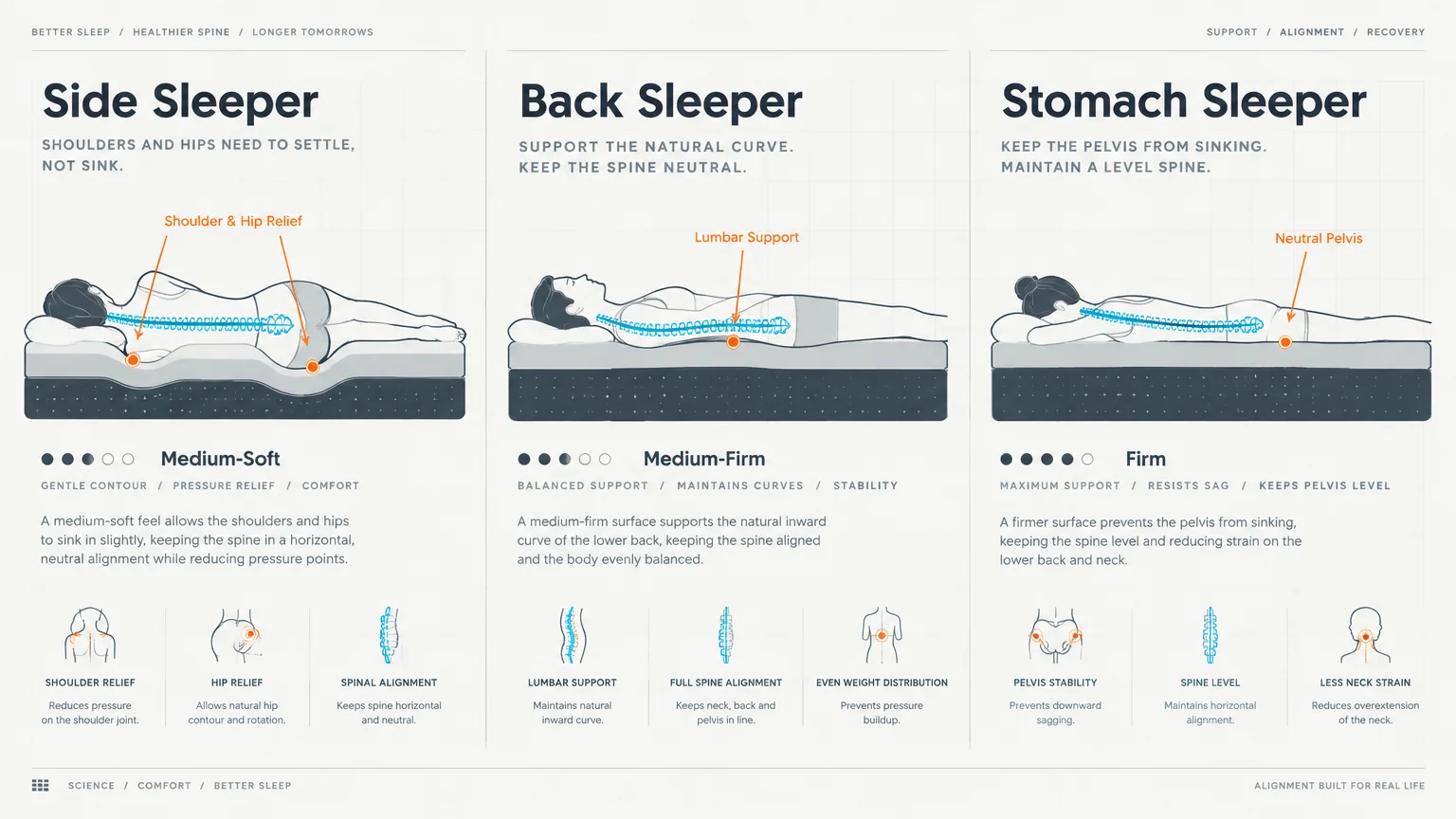
Selecting the right mattress firmness depends primarily on your sleeping position and body weight. The goal remains simple: keep your spine in a neutral, horizontal alignment from neck to hips.
Side sleepers require softer surfaces that cushion the hips and shoulders while filling the gap at the waist. Medium-soft to medium mattresses allow these prominent pressure points to sink without twisting the spine.
Back sleepers thrive on medium-firm support that maintains the gentle inward curve of the lower back. Excessively soft mattresses let your pelvis sag, straining your lumbar ligaments overnight.
Stomach sleepers need a firmer mattress to prevent the midsection from sinking into a hammock-like position. Significant sagging arches the lower spine backward and places excessive stress on your neck joints.
Body weight also shifts how firmness feels in practice. Lighter individuals experience beds as firmer, whereas heavier sleepers compress materials more deeply and need denser internal support cores.
Choosing a Mattress Material That Lasts
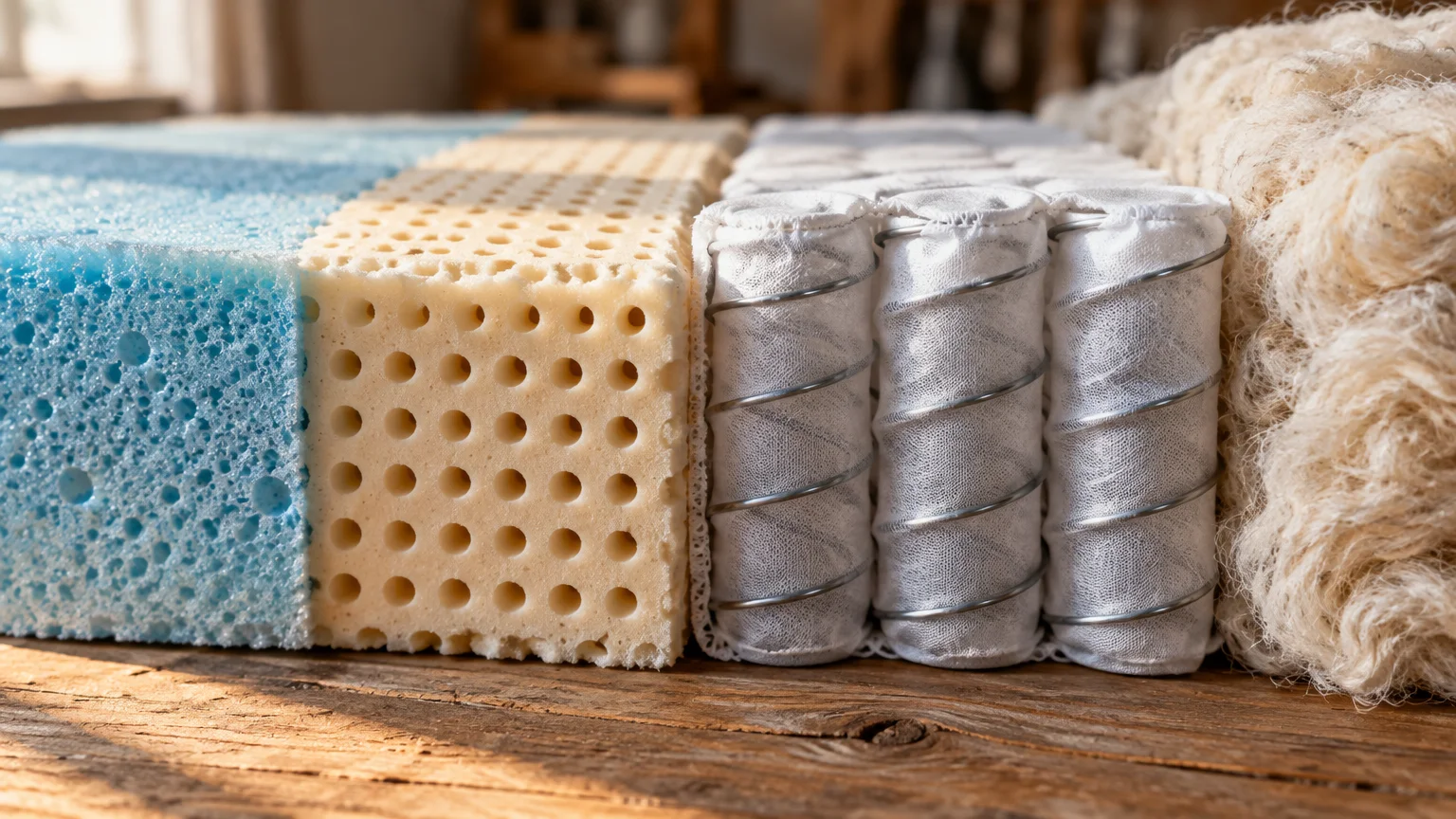
Memory foam contours closely to your curves and isolates motion effectively, making it ideal for restless couples. However, traditional foams retain heat; look for open-cell structures or gel infusions if you run warm.
Natural latex offers buoyant contouring with superior breathability and remarkable durability. Unlike memory foam, latex pushes back against your weight, making it easier to shift positions during the night.
Innerspring mattresses rely on steel coils to provide robust edge support and maximum airflow. They offer traditional bounce, though they transfer motion across the bed more readily than foam designs.
Hybrid mattresses combine pocketed coils with thick top layers of foam or latex. This design blends contouring pressure relief with targeted spinal support and cooling airflow.
Finding the Best Pillow for Sleep Ergonomics
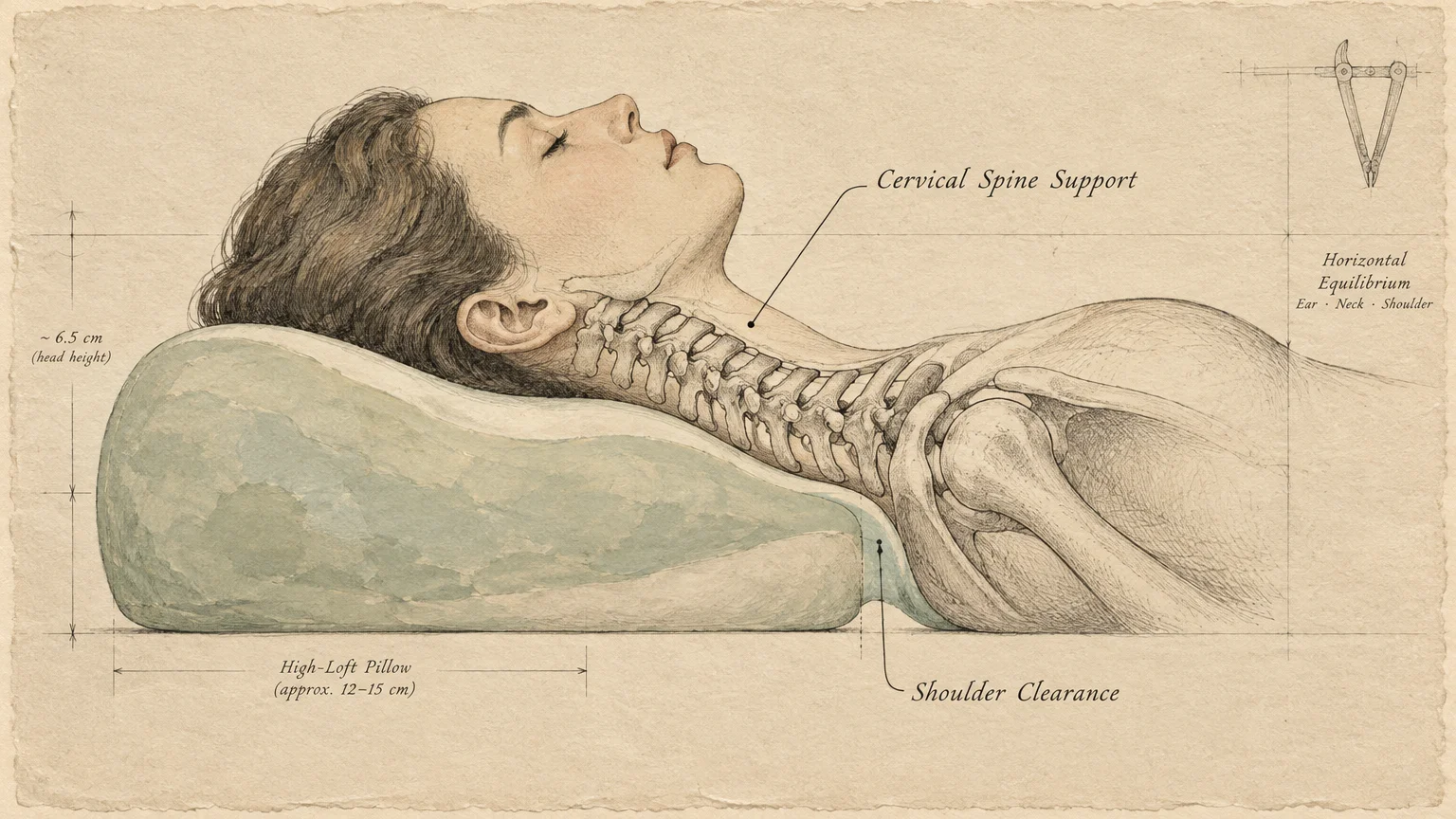
While a mattress supports your lower body, finding the best pillow for sleep protects your cervical spine. Your neck contains delicate vertebrae and nerves that suffer when your head tilts too far upward or downward.
Side sleepers need a high-loft, firm pillow to bridge the wide gap between the ear and outside shoulder. Contoured memory foam or dense latex maintains this necessary elevation throughout the night.
Back sleepers do best with a medium-loft pillow that supports the natural curve of the neck without shoving the chin forward. A pillow with an indented center or shredded fill allows customized cervical cradling.
Stomach sleepers require a very thin, low-loft pillow—or no pillow at all—to keep the cervical spine neutral. Puffy pillows bend the neck backward, guaranteeing tension headaches and morning stiffness.

Testing Your Sleep Setup and Managing Expectations
Your muscles and ligaments adapt to old sleep surfaces over years, creating ingrained postural habits. Give any new mattress or pillow at least thirty nights before deciding whether it suits your body.
Expect minor aches during the first two weeks as your postural muscles adjust to proper spinal alignment. This adjustment period resembles the mild soreness you might feel after starting a new exercise routine.
Evaluate your setup using objective criteria rather than immediate sensations. Notice whether your morning stiffness decreases and whether you wake up in the same position without frequent midnight disruptions.

When Chronic Sleep Issues Warrant Medical Care
New bedding resolves physical discomfort, but it cannot cure underlying physiological or psychological sleep disorders. The Centers for Disease Control and Prevention emphasizes that chronic sleep deprivation severely impacts long-term cardiovascular and metabolic health.
If you awaken gasping for air, choke during sleep, or snore loudly, consult a physician immediately. These warning signs often indicate obstructive sleep apnea, a serious medical condition requiring clinical intervention.
Insomnia lasting longer than three months also requires professional guidance rather than a new mattress. Guidance from the National Health Service recommends cognitive behavioral therapy for insomnia as a primary evidence-based treatment.
Persistent numbness, tingling in your extremities, or sharp spinal pain that radiates down your legs warrants an immediate medical evaluation. Do not rely on bedding changes to treat nerve compression or structural spinal injuries.
Frequently Asked Questions
How often should you replace your mattress and pillow?
Replace pillows every one to two years because they lose structural resilience and accumulate skin cells and dust mites. Most mattresses require replacement every seven to ten years once the internal support structures degrade.
Can a mattress topper fix an old, sagging mattress?
A mattress topper softens a firm surface, but it cannot restore structural integrity to a sagging bed. Adding a topper over a valley merely creates a softer dip that continues to strain your spine.
What is the healthiest sleeping position for spinal alignment?
Sleeping on your back or side provides the easiest pathway to neutral spinal alignment. Stomach sleeping forces your neck to rotate sideways for hours, placing substantial torque on your cervical spine.
How do I know if my mattress is too firm?
If your shoulders and hips feel sore or your arms fall asleep during the night, your mattress is likely too rigid. Gaps between your lower back and the bed also indicate excessive surface firmness.
One Small Change to Try Tonight
You do not need to purchase a brand-new bedroom set today to experience immediate relief. Test your current alignment tonight using pillows you already own.
If you sleep on your side, place a standard bed pillow between your knees to balance your hips and pelvis. This simple adjustment prevents your upper leg from pulling your lumbar spine out of alignment while you sleep.
Back sleepers can place a small pillow beneath their knees to flatten the lumbar spine against the mattress. Notice how releasing that lower back tension helps your body unwind naturally as you drift off.