
Chronic snoring disrupts your rest, drains your morning energy, and strains household relationships. You can take concrete steps tonight to open your airways and enjoy quieter, deeper sleep without buying expensive gadgets.
Snoring happens when airflow vibrates relaxed tissues in your throat, but simple mechanical adjustments can immediately reduce that turbulence. By changing how you position your neck and chest, you stabilize your breathing passage.
This guide explains why your body snores across different sleep stages and provides eight practical adjustments you can implement right away. You will wake up feeling refreshed and preserve your partner’s peace of mind.
What Happens in Your Body When You Snore
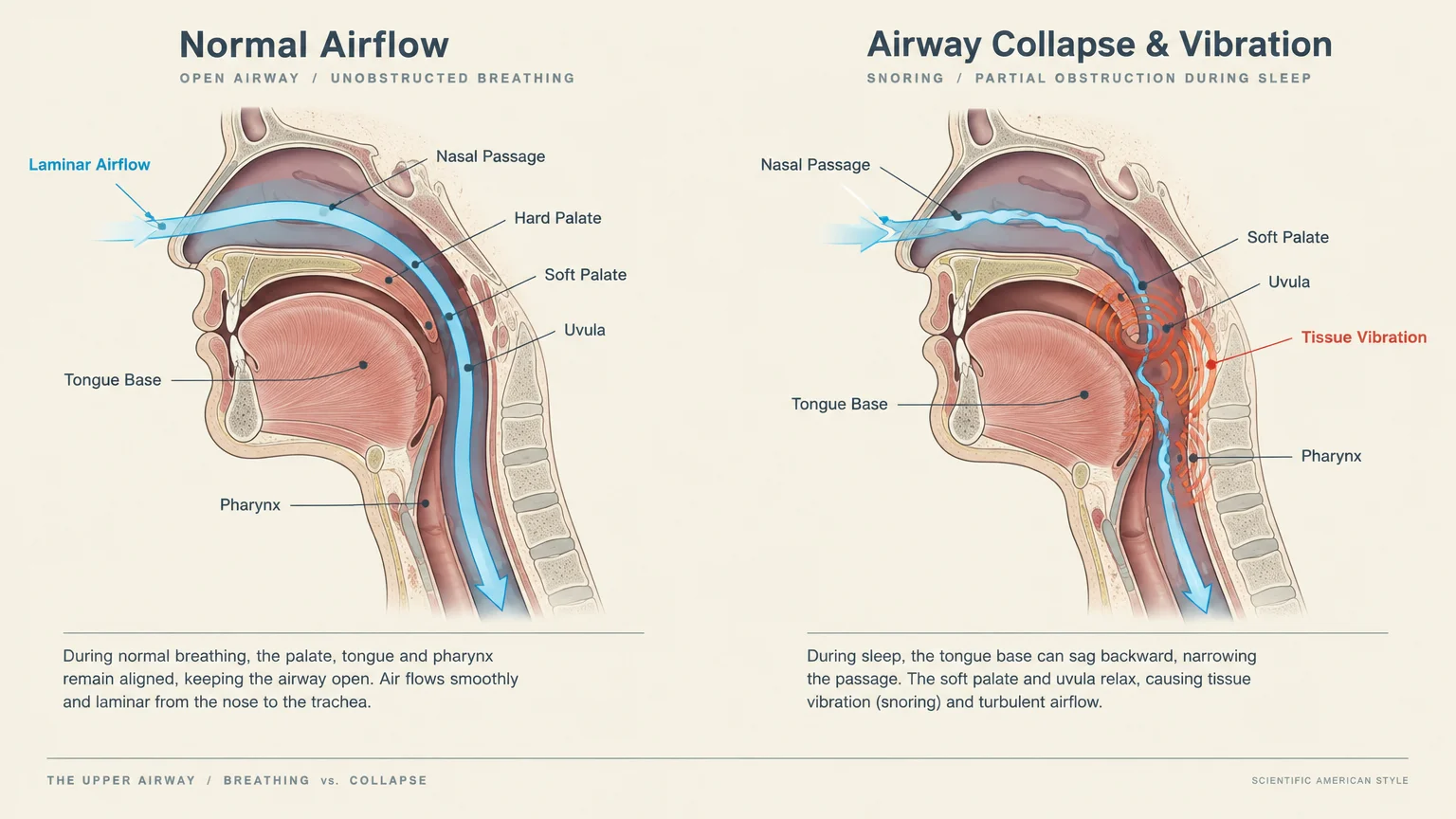
When you drift from light rest into deeper sleep stages, your brain signals muscles throughout your body to unwind. Your tongue, soft palate, and throat tissues soften significantly during this transition.
As your airway narrows, the air you inhale moves faster, drawing loose tissues together through suction. This turbulent air pressure sets those tissues vibrating against each other, creating the harsh sound known as snoring.
Your circadian rhythm dictates when these muscles lose tone; your homeostatic sleep drive intensifies that relaxation after a long day. Irregular sleep schedules worsen this collapse because an exhausted body enters unusually deep muscle relaxation.
Understanding these biological mechanics helps you target the physical forces behind airway collapse. When you support natural airflow, your breathing remains steady and silent all night long.
8 Evidence-Based Ways to Snore Less
In this article8 items
- 1.Shift to Side Sleeping
- 2.Elevate the Head of Your Bed
- 3.Clear Nasal Congestion Before Bed
- 4.Avoid Alcohol and Sedatives Close to Bedtime
- 5.Align Your Sleep Schedule with Your Circadian Rhythm
- 6.Stay Adequately Hydrated Throughout the Day
- 7.Support Airway Muscle Tone Through Regular Exercise
- 8.Clean Bedding and Eliminate Bedroom Allergens
Shift to Side Sleeping
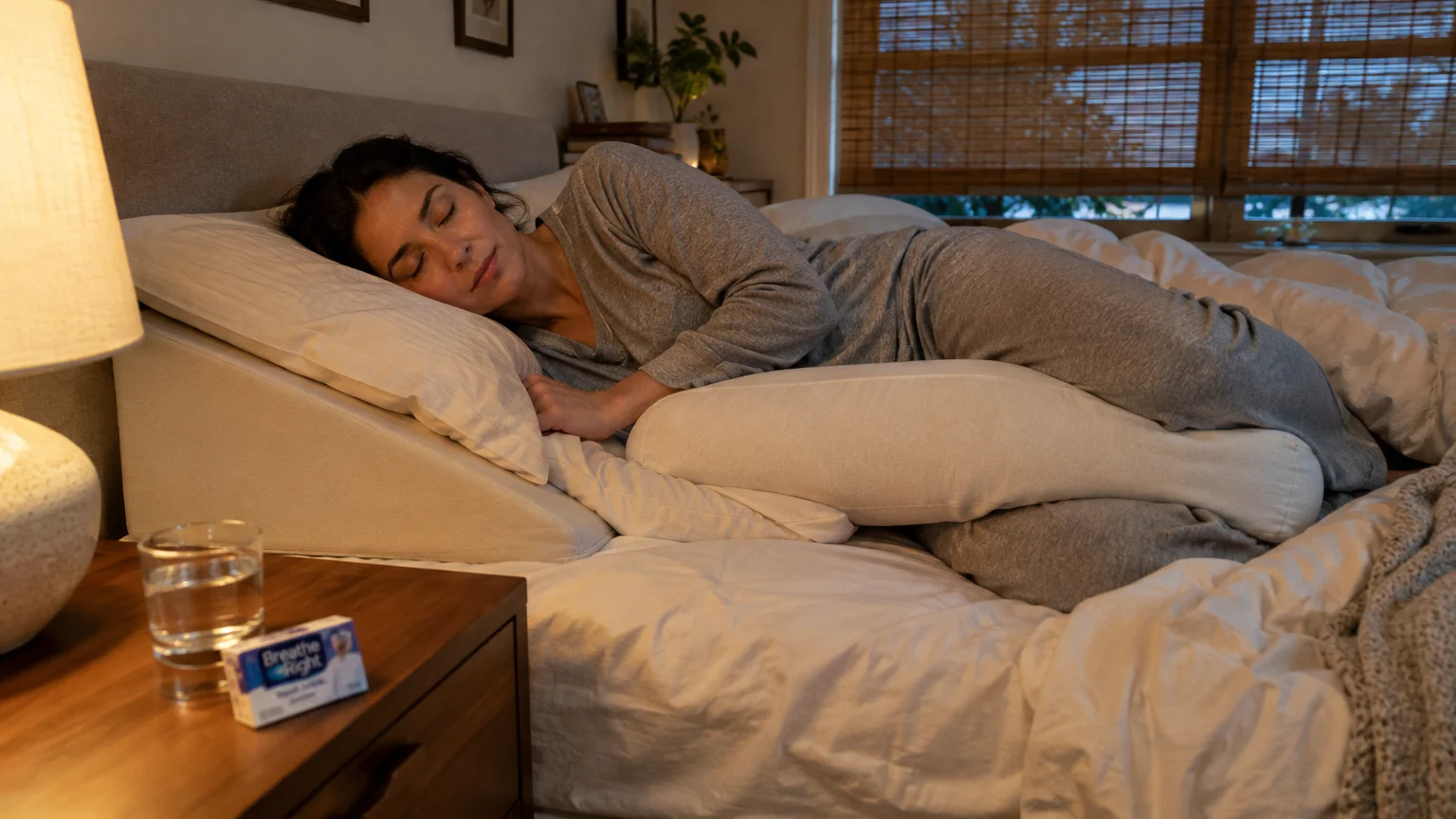
Sleeping flat on your back pulls the base of your tongue downward against your airway due to gravity. Side sleeping keeps the airway passage open and drastically cuts acoustic vibration.
Place a firm body pillow between your knees and against your back to prevent rolling over at night. The American Academy of Sleep Medicine recommends positional therapy as an effective first-line behavioral strategy for positional snorers.
Elevate the Head of Your Bed
Raising your upper torso by four to six inches prevents your tongue from sagging backward into your throat. This gentle incline uses gravity to your advantage and promotes unobstructed oxygen exchange.
Use specialized bed risers beneath your front bedposts or insert a supportive foam wedge under your mattress. Avoid merely stacking pillows, which kinks your neck and inadvertently narrows your windpipe.
Clear Nasal Congestion Before Bed
Stuffy nasal passages act like a clogged vacuum hose, forcing you to breathe through your mouth and collapsing your pharynx. Clearing your nose creates laminar airflow that passes silently into your lungs.
Flush your sinuses with a sterile saline spray or perform a gentle saline rinse before lying down. You can also apply adhesive nasal strips across the bridge of your nose to widen your nostrils safely.
Avoid Alcohol and Sedatives Close to Bedtime
Alcohol acts as a potent central nervous system depressant that over-relaxes the muscles supporting your upper airway. Drinking within four hours of sleep causes tissues to collapse much more easily during inhalation.
Swap late-evening cocktails for warm herbal tea or water to maintain essential muscle tone through the night. The National Health Service advises limiting evening alcohol consumption to reduce snoring frequency and severity.
Align Your Sleep Schedule with Your Circadian Rhythm
Going to bed overtired increases your homeostatic sleep drive, throwing your brain into sudden, profound slow-wave sleep. This rapid crash leads to exaggerated muscle floppiness and louder nighttime rumbling.
Go to bed and wake up at consistent times every day to balance your internal biological clock. Consistent timing stabilizes your sleep depth and prevents the erratic breathing associated with sleep deprivation.
Stay Adequately Hydrated Throughout the Day
Dehydration turns secretions in your soft palate and nasal passages thick and sticky. These tacky fluids increase friction and tissue resistance, amplifying the rattle whenever you breathe.
Drink plenty of water during daylight hours to keep delicate mucus membranes moist and supple. Taper your fluid intake during the final hour before bed so nighttime bathroom trips do not interrupt your rest.
Support Airway Muscle Tone Through Regular Exercise
Regular physical activity tones muscles throughout your entire body, including the stabilizing tissues inside your throat and neck. Increased cardiovascular fitness also reduces fluid accumulation in neck tissues during recumbent sleep.
According to the Centers for Disease Control and Prevention, routine physical activity improves overall sleep quality and shortens the time it takes to fall asleep. Aim for brisk daily walks to build lasting muscle tone.
Clean Bedding and Eliminate Bedroom Allergens
Microscopic dust mites, pet dander, and mold spores irritate nasal passages and induce allergic tissue swelling. Swollen nasal tissues immediately trigger mouth breathing and heighten snoring vibrations.
Beyond routine laundering, optimizing your sleep environment with targeted bedroom upgrades, such as regulating humidity and using HEPA filtration, prevents throat irritation that exacerbates snoring.
Wash your sheets and pillowcases weekly in hot water to eliminate hidden environmental irritants. Replace worn pillows every one to two years and run an air purifier to maintain clear breathing space.
When Snoring Signals a Medical Concern
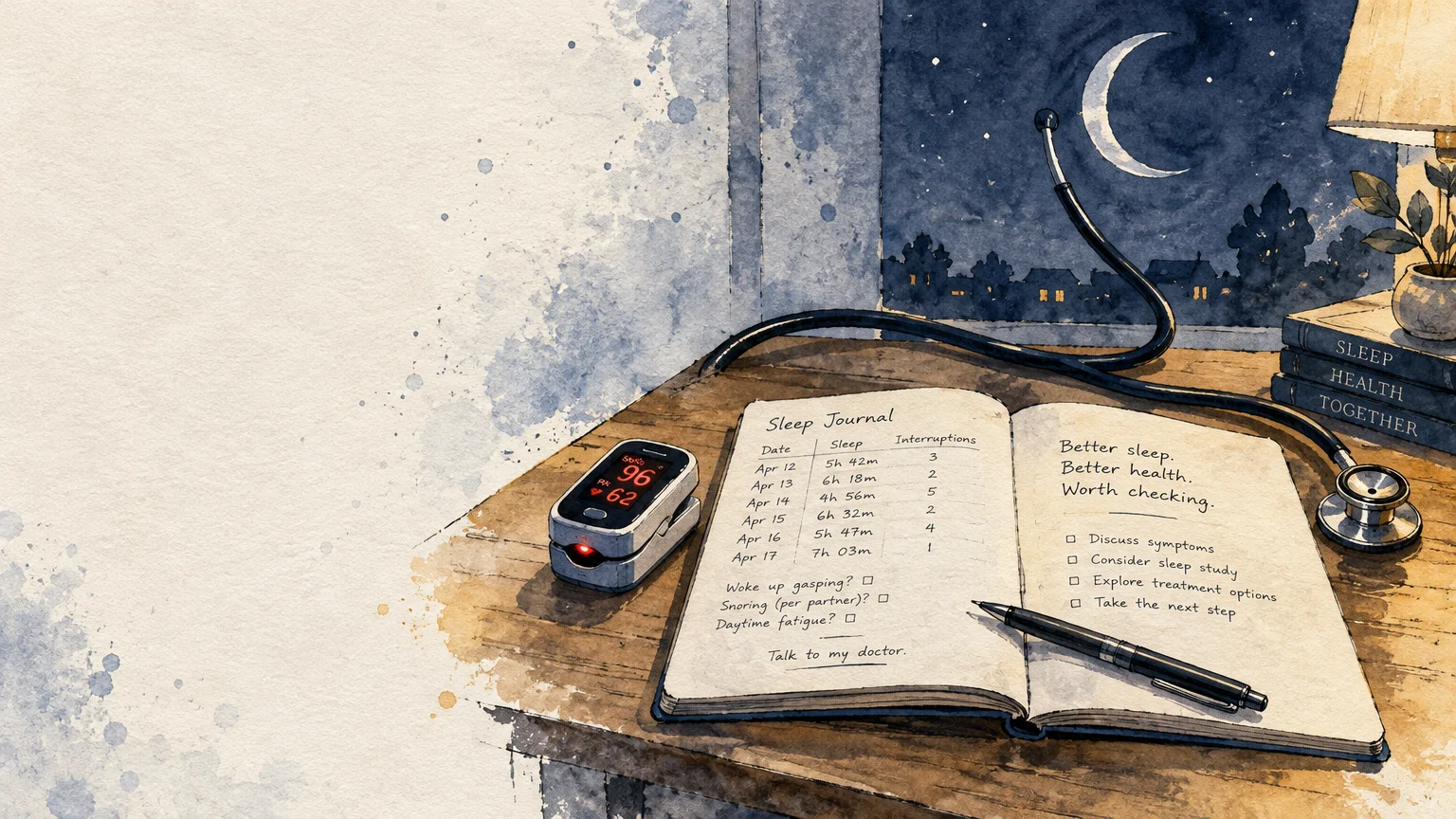
Occasional light snoring rarely threatens health, but frequent gasping, snorting, or choking sounds indicate potential obstructive sleep apnea. Research from the National Institutes of Health links untreated sleep apnea to cardiovascular strain and high blood pressure.
You should schedule an evaluation with a board-certified sleep specialist if you awaken with morning headaches or struggle with severe daytime exhaustion. Snorers who pause breathing during sleep require objective clinical diagnosis.
Keep in mind that educational lifestyle strategies support wellness, but they do not replace personalized medical care. A formal sleep study provides essential diagnostic insight when home interventions fail to relieve persistent airway obstruction.
Frequently Asked Questions
Can mouth taping safely stop snoring?
Mouth taping forces nasal breathing, but it poses serious risks if you suffer from nasal congestion or undiagnosed sleep apnea. Consult a physician before trying adhesive mouth products to ensure your nasal airway is fully clear.
Why did my snoring suddenly get worse?
Sudden snoring increases often stem from seasonal allergies, recent weight shifts, increased evening alcohol intake, or nasal congestion. Age-related loss of throat muscle elasticity can also cause snoring to emerge over time.
Do over-the-counter snoring mouthpieces work?
Over-the-counter mandibular advancement devices hold your lower jaw forward to expand your throat airway. While some individuals find mild relief, custom dental appliances fitted by a professional offer far greater comfort and safety.
Does sleeping without a pillow reduce snoring?
Sleeping completely flat without a pillow can cause your tongue to slide back toward your throat, worsening airway collapse. A contoured pillow that properly aligns your neck and head provides far better airway support.
One Small Change to Try Tonight
Do not overwhelm yourself by attempting every remedy at once. Tonight, simply place a supportive pillow along your spine and sleep on your side rather than your back.
This effortless physical adjustment immediately widens your breathing passage and delivers quiet, restorative rest for you and your household.