
Tossing and turning for hours drains your physical energy and sharpens your daytime stress. You can transform your bedroom into a dedicated recovery zone tonight with targeted environmental adjustments.
Your body relies on clear sensory signals—particularly temperature, light, and sound—to transition smoothly into deep, restorative slumber. Small shifts in your immediate surroundings trigger the biological cascades necessary for uninterrupted rest.
Optimizing your personal sleep environment resets your natural biological clock and strengthens your nightly sleep drive. Here is how to configure your bedroom for deeper, higher-quality rest.
01 Dial in the Optimal Room Temperature for Sleep
Your internal core body temperature naturally drops in the evening to initiate sleepiness. A warm room disrupts this thermoregulation, keeping you awake and reducing time spent in slow-wave sleep.
In addition to thermostat tweaks, sleeping without clothes can help cool your skin temperature and encourage deeper slumber.
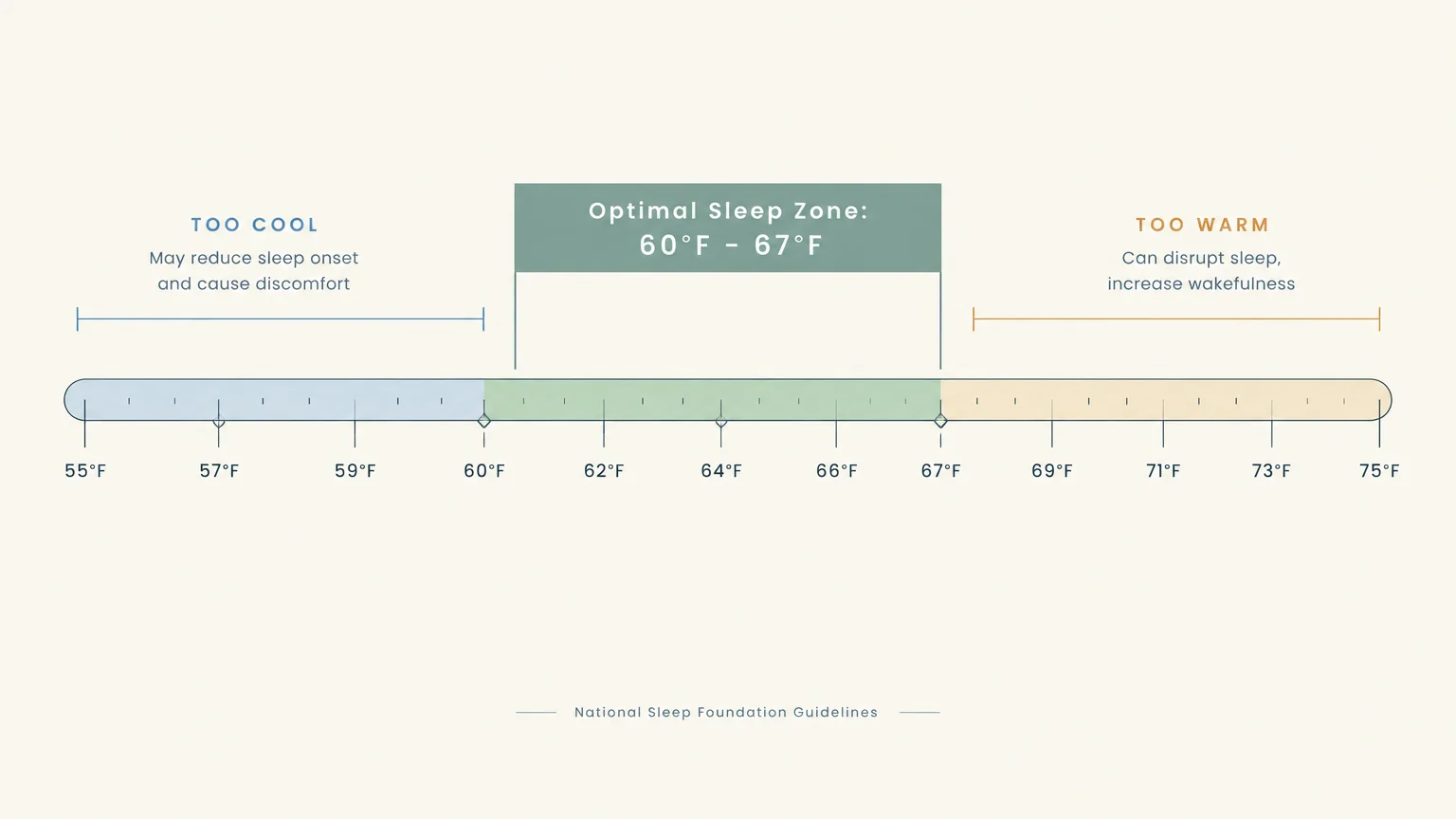
Most sleep scientists recommend setting your bedroom thermostat between 60 and 67 degrees Fahrenheit. The National Sleep Foundation notes that cooler ambient air prevents micro-arousals throughout the night.
If you lack central climate control, run a quiet oscillating fan or crack a window open before bed. You can also place a cooling mattress pad beneath your sheets to prevent heat retention.
02 Eliminate Ambient Light to Protect Melatonin
Darkness signals your brain’s pineal gland to release melatonin, the hormone that governs your circadian rhythm. Even faint traces of artificial light can penetrate closed eyelids and suppress this vital hormone.
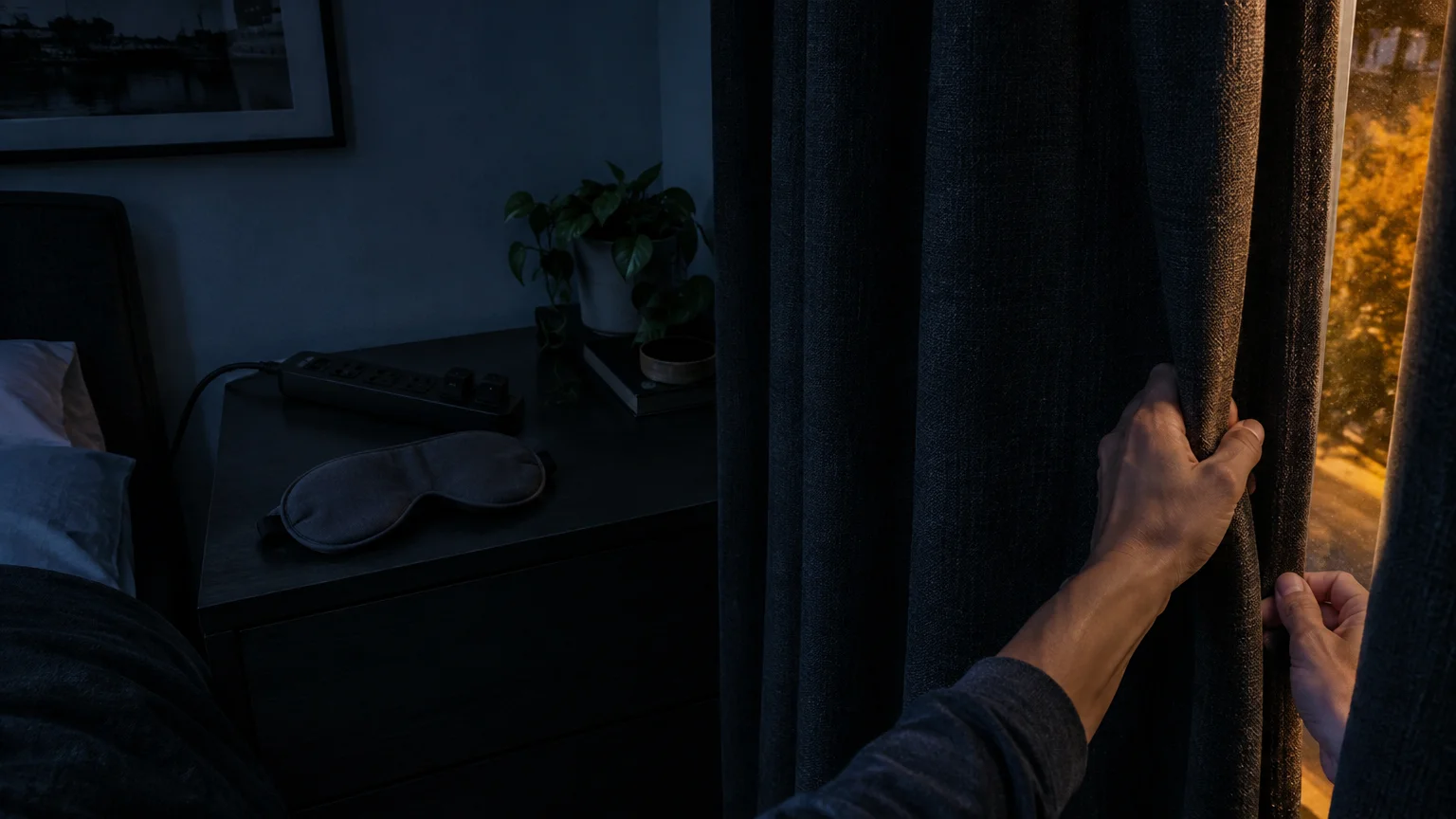
Hang high-density blackout curtains to block external light pollution from streetlamps and passing vehicles. Cover glowing charger LEDs and power strips with adhesive blackout stickers.
If redecorating or hanging curtains is not feasible, wear a contoured sleep mask that seals comfortably around your nose. Total darkness keeps your sleep stages stable and reduces morning grogginess.
03 Control Sound with Acoustic Buffers
Sudden noises spike your cortisol levels and shift your brain from deep sleep into lighter stages. Consistent background noise, by contrast, smooths out acoustic spikes and preserves sleep architecture.
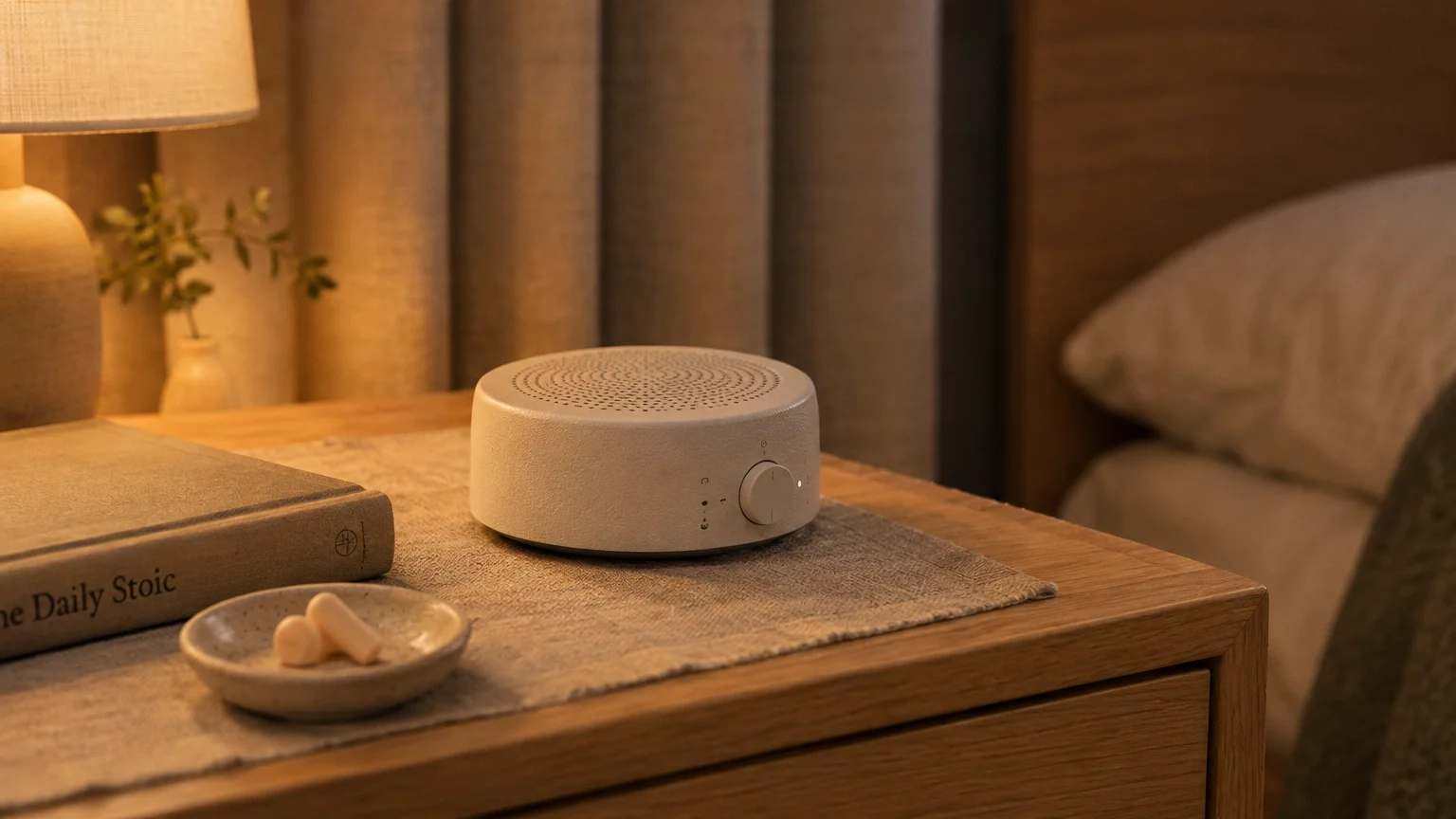
Run a dedicated white noise machine or a mechanical fan to mask intrusive outdoor disruptions. Consistent ambient frequencies help your auditory cortex ignore harmless household sounds.
According to the Centers for Disease Control and Prevention, uninterrupted rest is essential for long-term cardiovascular health. Soft silicone earplugs provide an inexpensive, immediate alternative if environmental noise remains uncontrollable.
04 Choose Breathable Bedding and Supportive Pillows
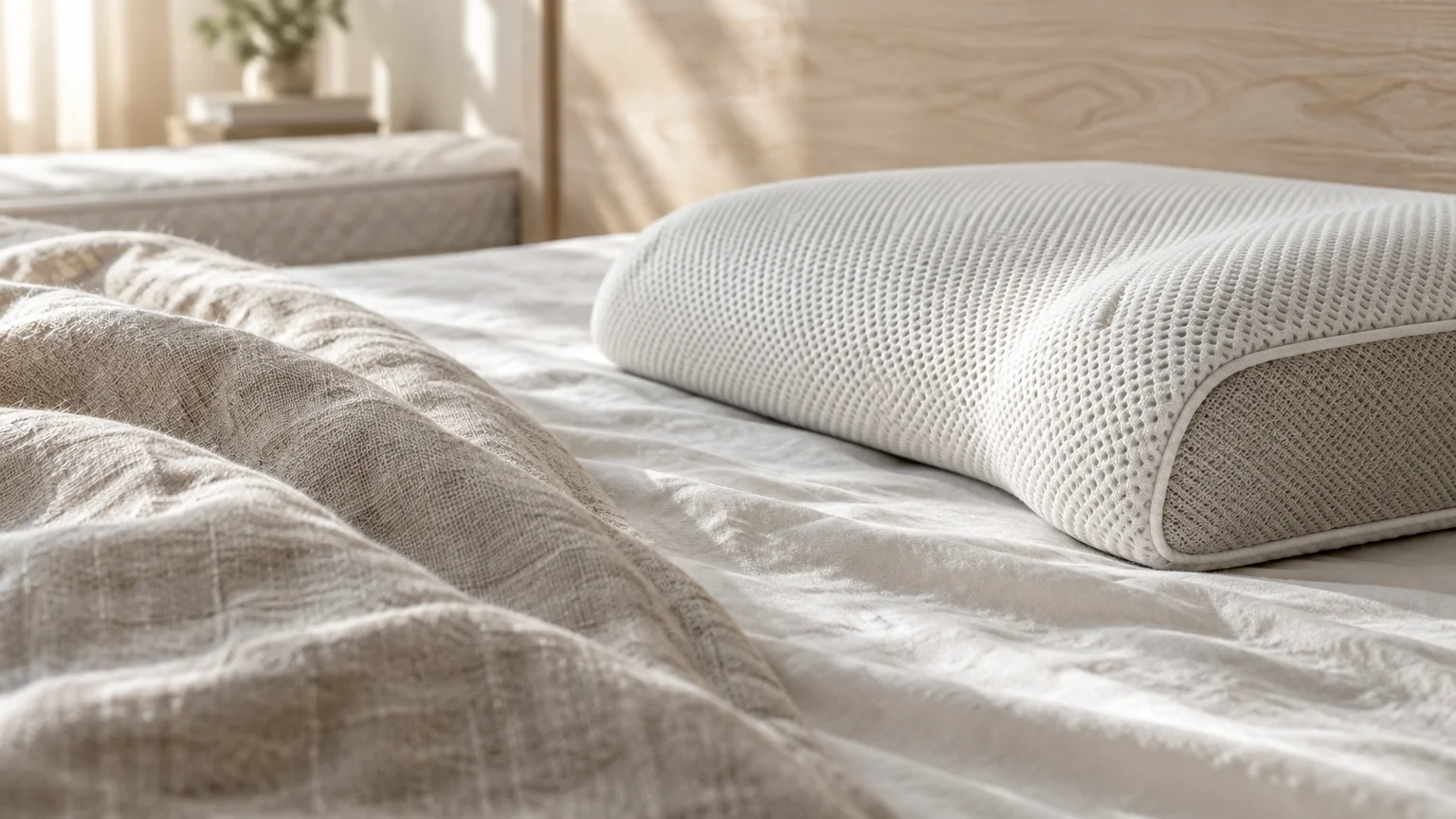
Synthetic fabrics trap body heat and sweat against your skin, causing uncomfortable midnight awakenings. Swap polyester sheets for natural, moisture-wicking textiles like crisp cotton, bamboo, or linen.
Beyond spinal alignment, holding onto an old bed for too long can expose you to hidden mattress health risks like allergens and mold.
Your pillow must keep your cervical spine in neutral alignment with your neck and lower back. Side sleepers typically need a firmer, thicker contour, while back sleepers benefit from a flatter profile.
Rotate your mattress every six months to distribute wear evenly and maintain adequate spinal support. Proper ergonomics relieve pressure points and stop the urge to toss and turn.

05 Remove Electronics and Blue-Light Triggers
Smartphones, tablets, and televisions emit short-wavelength blue light that mimics daytime sunlight. This exposure tricks your brain into delaying natural melatonin release, which pushes back your sleep window.
To replace digital stimulation before turning out the lights, practicing the 4-7-8 breathing method can rapidly quiet an overactive mind.
Digital devices also deliver stimulating notifications and emotionally charged media right before bed. This cognitive engagement triggers dopamine and cortisol, leaving your autonomic nervous system in an alert state.
Establish a strict charging station in another room and purchase a basic analogue alarm clock. Power down all screens at least thirty to sixty minutes before your intended bedtime.
06 Dedicate Your Bed Exclusively to Rest
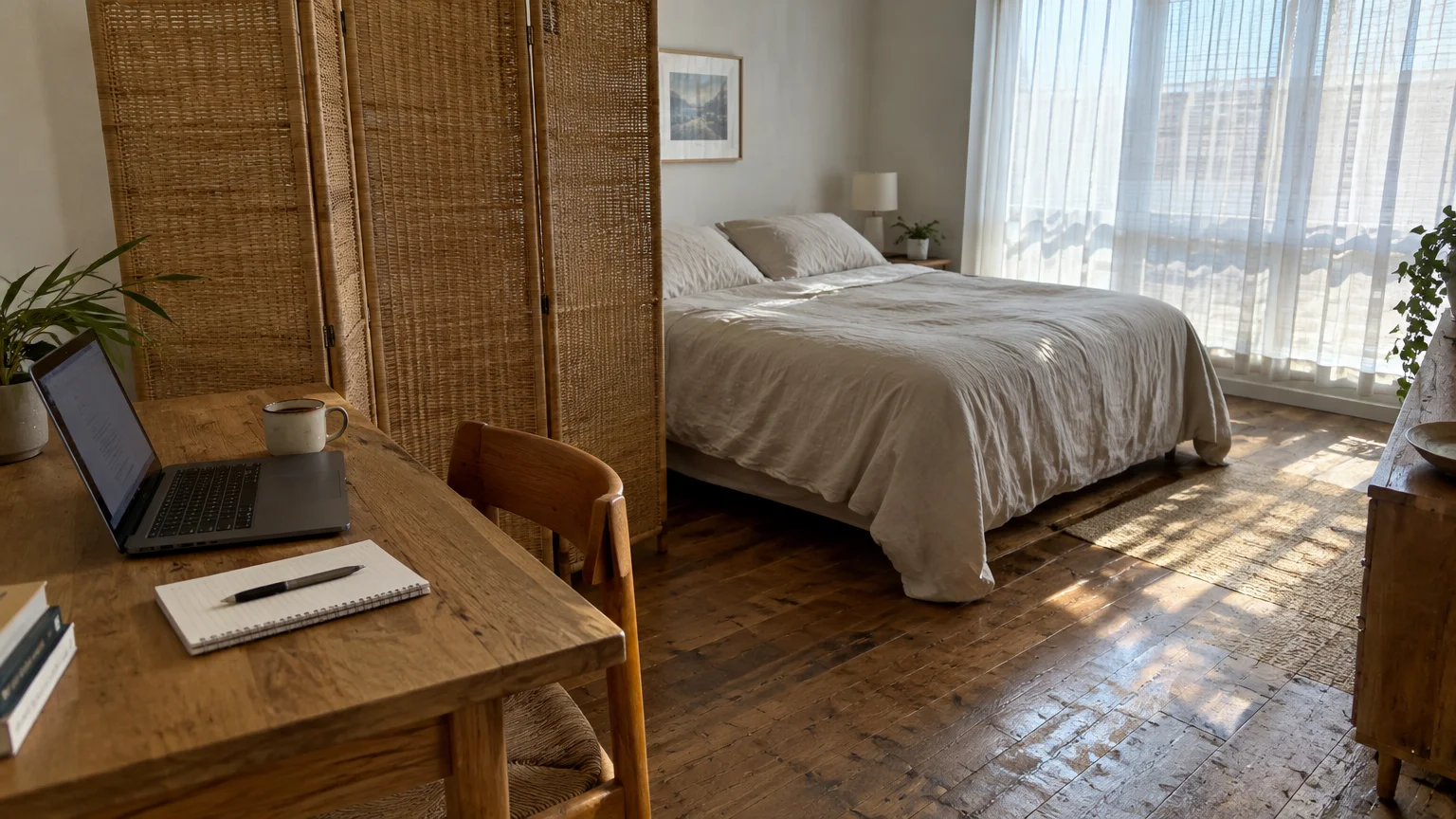
Behavioral sleep scientists emphasize stimulus control therapy to strengthen the mental association between bed and rest. Working, eating, or watching movies in bed weakens this conditioning and breeds conditioned arousal.
Reserve your mattress strictly for sleep and intimacy; move work laptops and exercise gear out of view. Cluttered spaces increase cognitive stress and prevent your mind from decelerating at night.
If you cannot fall asleep after twenty minutes, step out of bed and sit in dim light. Read a print book until sleepiness returns, then climb back into bed.
07 Improve Air Quality and Ventilation
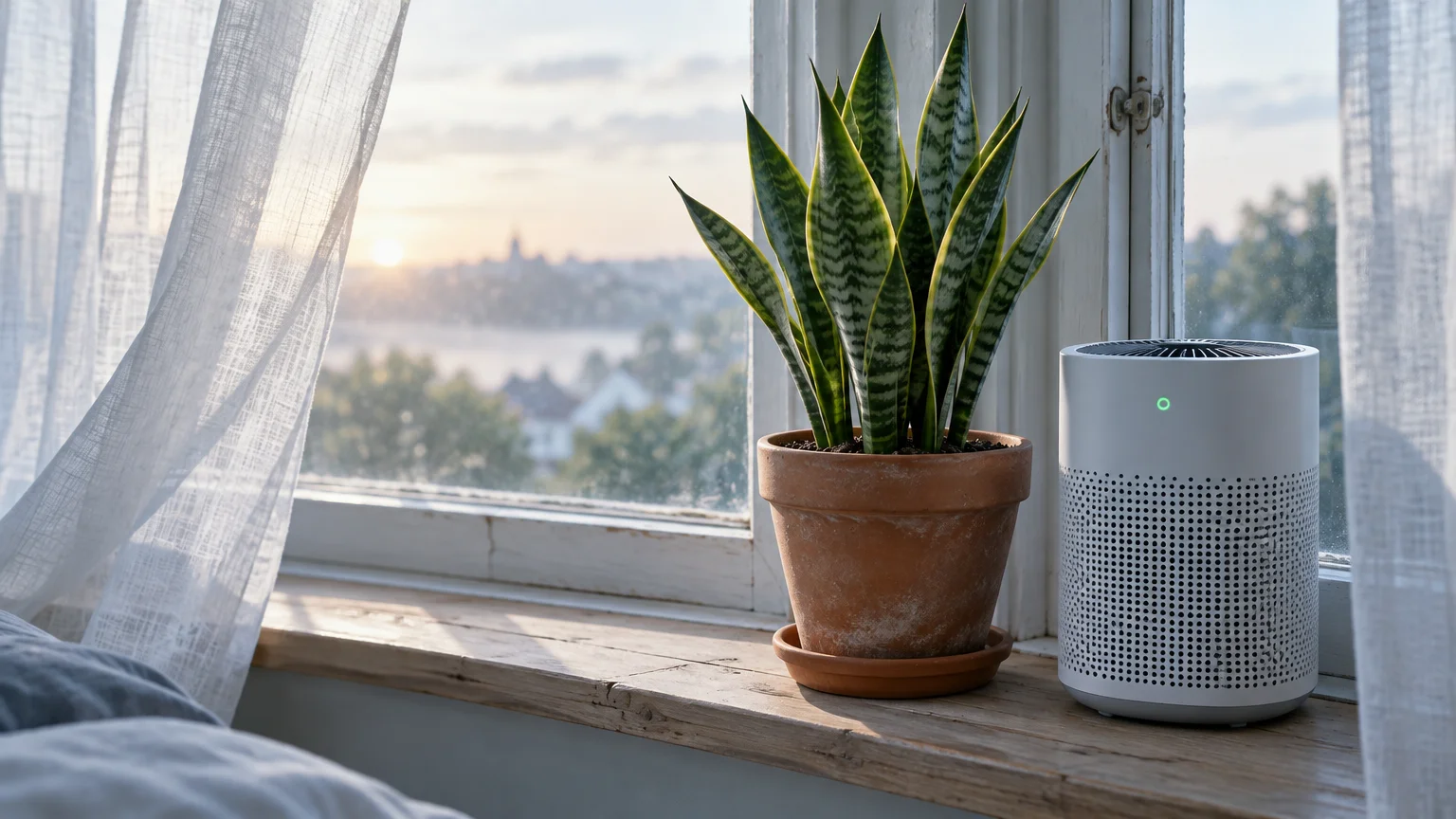
Stale bedroom air leads to elevated carbon dioxide levels, which can cause morning headaches and restless awakenings. Good ventilation keeps oxygen levels steady and promotes continuous slow-wave sleep.
The National Institutes of Health highlights environmental health as a key pillar of physiological recovery. Run a true HEPA air purifier to remove dust mites, pet dander, and microscopic allergens from your breathing zone.
Wash your bed linens weekly in hot water to eliminate allergen buildup. Keeping your sleeping quarters well-ventilated and dust-free prevents nighttime nasal congestion and airway resistance.
When Sleep Issues Signal a Medical Concern
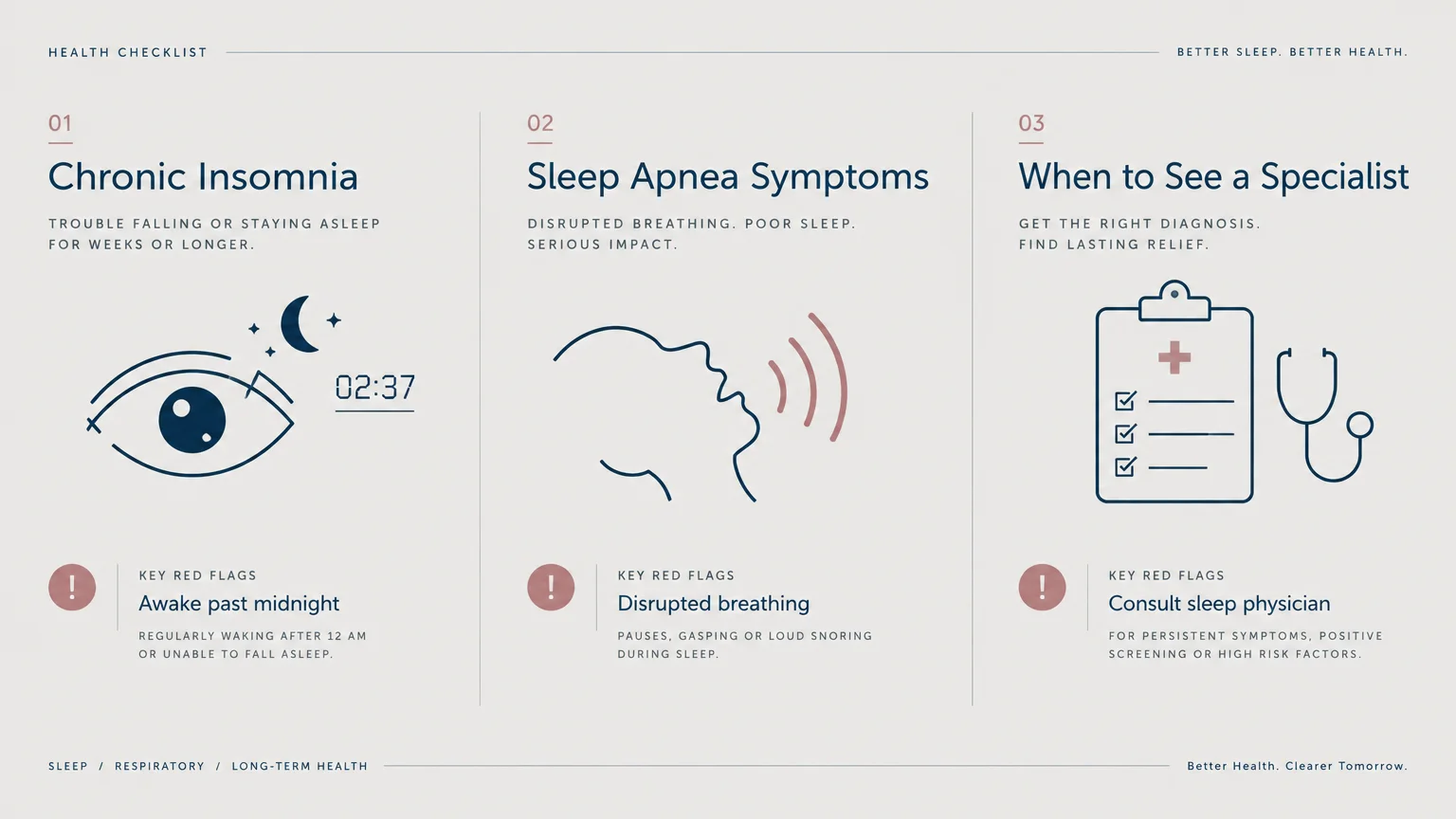
Environmental modifications improve routine sleep quality, but they cannot cure underlying clinical sleep disorders. Persistent disruptions require professional evaluation rather than lifestyle adjustments alone.
Consult a physician if you experience chronic insomnia lasting more than three months or wake up gasping for air. Frequent loud snoring, morning dry mouth, and excessive daytime sleepiness often indicate obstructive sleep apnea.
You should also seek medical guidance for restless, tingling sensations in your legs that worsen at night. The National Health Service offers clear clinical pathways for evaluating and treating chronic sleep conditions.
Remember that this advice serves educational purposes and should never replace individualized medical diagnosis or care.
Frequently Asked Questions About Bedroom Sleep Environments
What is the single best bedroom temperature for sleep?
Most adults sleep best at approximately 65 degrees Fahrenheit (18 degrees Celsius). Test slight variations within the 60 to 67-degree range to find your personal comfort zone.
Can indoor plants improve bedroom air quality enough to help sleep?
While house plants look calming and boost mood, their air-cleansing rate is very modest. Use a certified HEPA filter if you want measurable reductions in airborne dust and allergens.
How long does it take for bedroom changes to improve sleep quality?
Temperature and darkness adjustments often produce noticeable improvements on your first night. Rebuilding positive psychological associations with your bed typically requires two to three weeks of consistent habits.
Do I need an expensive mattress to fix my sleep?
An expensive mattress is unnecessary as long as your current bed keeps your spine neutral and pain-free. An affordable mattress topper can soften a rigid bed or add needed support without high cost.
Your First Step Tonight
Transforming your bedroom does not require an immediate, expensive overhaul of your entire home. Choose one manageable adjustment tonight, such as lowering your thermostat or charging your phone in another room.
Protect that simple boundary consistently, observe how your body responds in the morning, and add further improvements gradually. A cool, dark, and peaceful sanctuary will consistently reward you with deeper, uninterrupted vitality.