When you cut your sleep short, your brain and cardiovascular system struggle immediately. Understanding these biological shifts gives you the exact tools to restore your physical energy tonight.
A single night of poor rest disrupts your metabolic balance and spikes daytime stress hormones. You can reverse this downward spiral by adjusting your environment and honoring your biological rhythms.
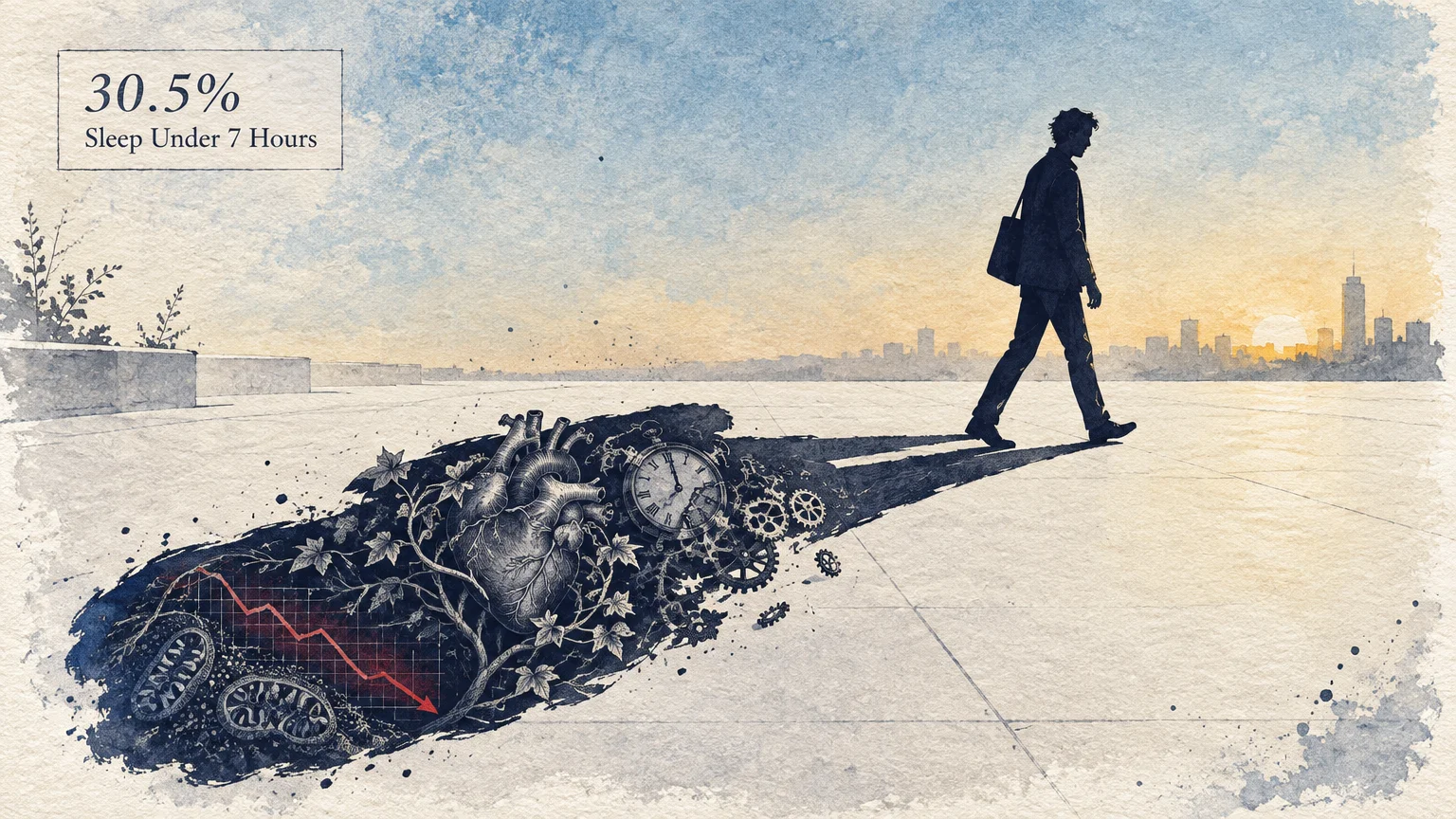
According to the Centers for Disease Control and Prevention, 30.5% of adults regularly sleep less than the recommended 7 hours. Reclaiming those lost hours protects your mental clarity and long-term vitality.

The Immediate Strain of Sleep Debt
Every hour of missed rest creates cumulative sleep debt that strains your physiology. Your brain demands slow-wave deep sleep to clear daily metabolic waste and repair tissue.
When you shortchange this process, your cognitive processing speed and working memory plummet. You may also experience sudden emotional swings as your amygdala loses regulatory control.
Research from the National Institutes of Health reveals that nearly 40% of adults unintentionally fall asleep during the day at least once a month. This overwhelming daytime drowsiness signals that your sleep drive has reached dangerous levels.
Adenosine builds up continuously in your brain throughout your waking hours; resting flushes out this chemical compound. When you wake up rested, your mental focus resets completely for the day ahead.
How Sleep Deprivation Disrupts Your Body Systems
Your body relies on precise circadian cues to govern immune defenses and metabolic rate. Missing sleep confuses these internal clocks, leaving tissues vulnerable to persistent systemic inflammation.
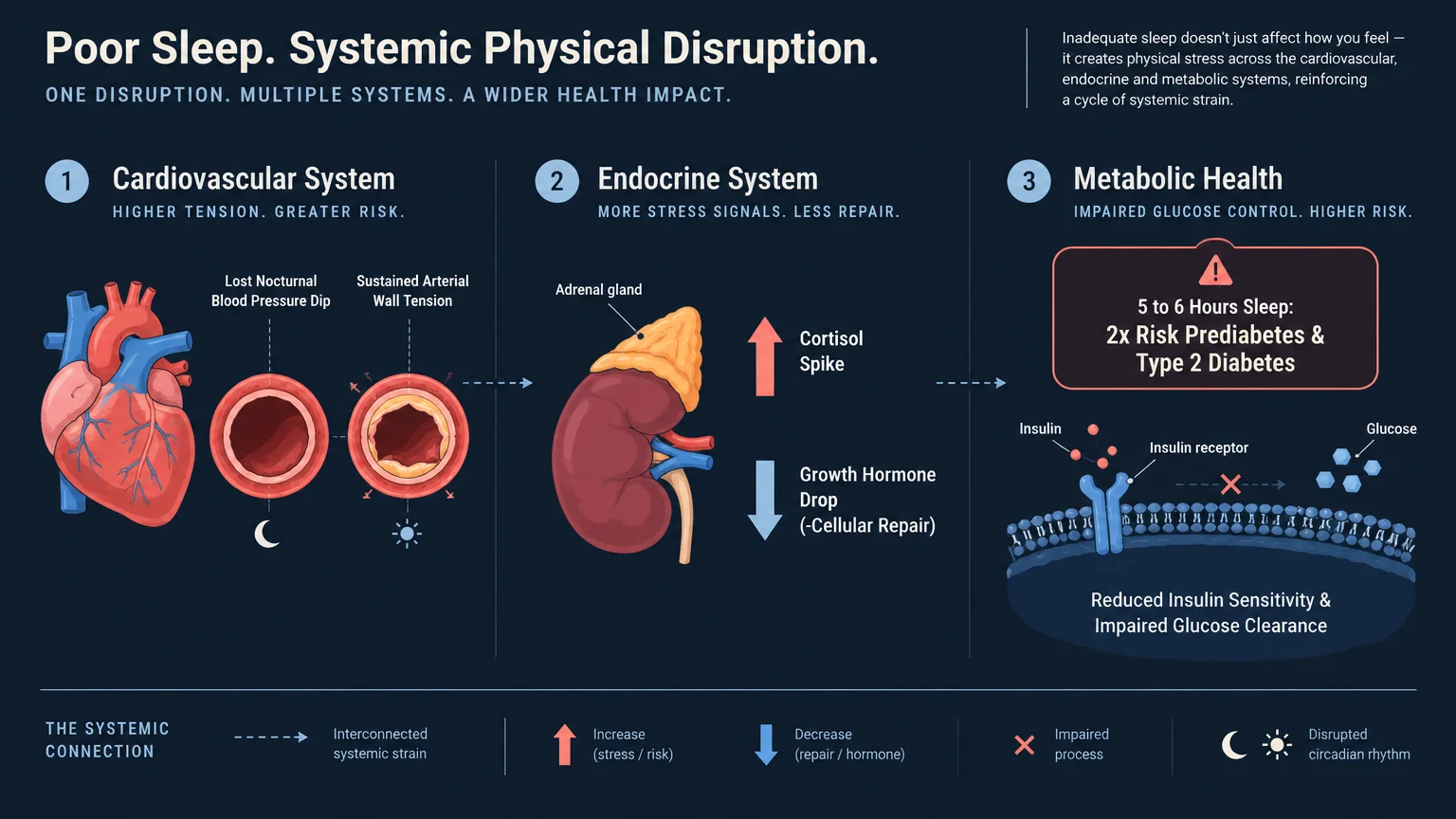
Blood vessels miss their natural nocturnal dip in pressure during fragmented rest. Over time, sustained nocturnal pressure damages arterial walls and accelerates cardiovascular strain.
Your endocrine system also misfires after inadequate rest. Your adrenal glands release elevated cortisol while growth hormone production drops, which directly hampers muscle repair and cellular regeneration.
Furthermore, restricted sleep sabotages your metabolic health. A review cited by Harvard Health found that sleeping only 5 to 6 hours doubles the risk of prediabetes and type 2 diabetes.
This metabolic strain occurs because sleep loss reduces insulin sensitivity across cellular receptors. Your body struggles to clear glucose efficiently, triggering stubborn cravings for refined carbohydrates.
Ongoing sleep deficiency is directly linked to heart disease, high blood pressure, kidney disease, stroke, obesity, and depression. Protecting your rest functions as a critical full-body intervention.
Why Sleep Quality Suffers Over Time
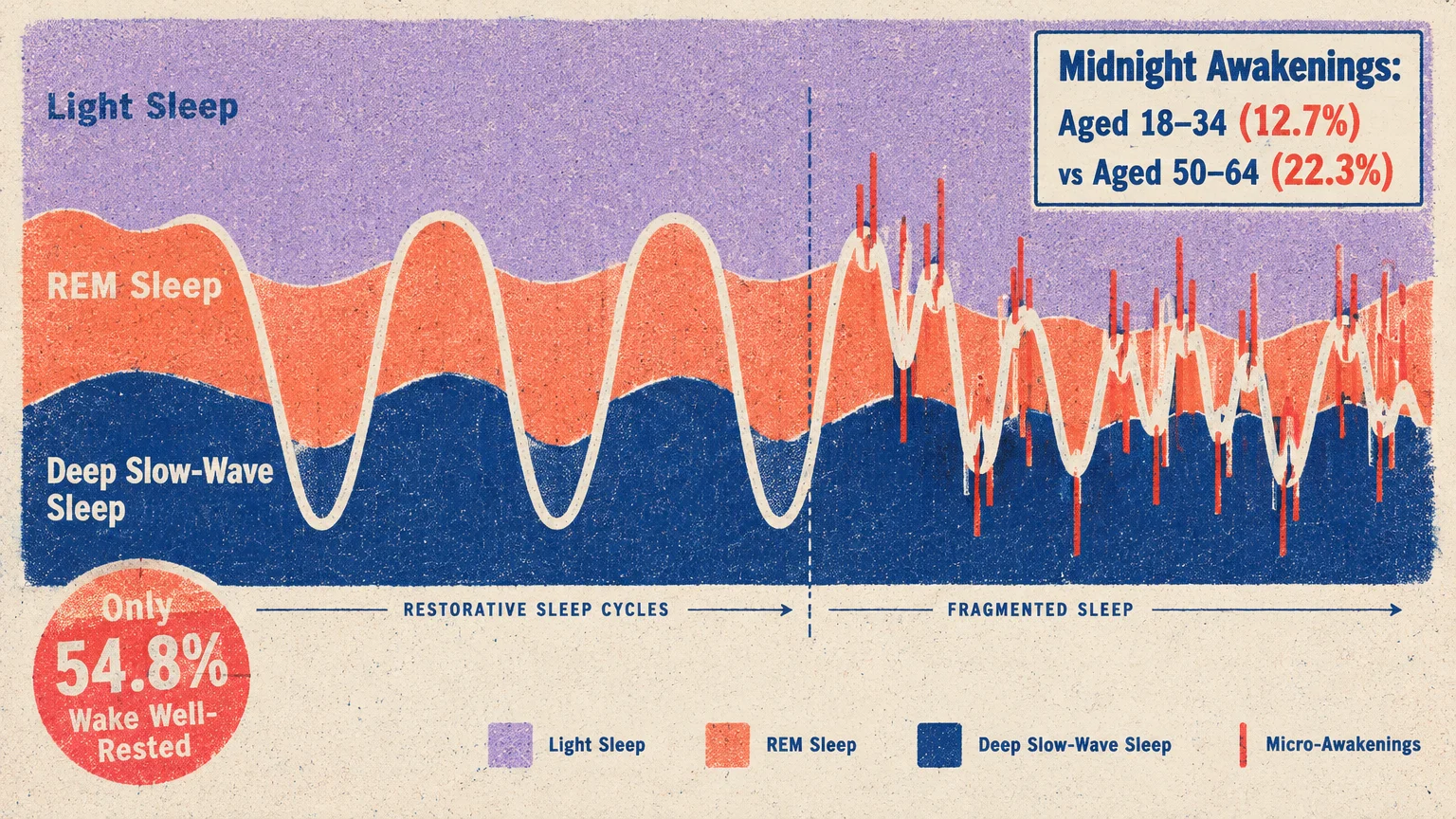
Spending seven hours in bed does not guarantee restorative rest if your sleep architecture fractures. CDC data indicates that only 54.8% of adults wake up feeling well-rested most days or every day.
You cycle through light sleep, deep slow-wave sleep, and rapid eye movement sleep continuously through the night. Frequent micro-awakenings prevent you from reaching the restorative deeper stages where physical repair occurs.
Trouble staying asleep also escalates significantly as you age. Data from the National Center for Health Statistics shows midnight awakenings affect 12.7% of adults aged 18 to 34, rising to 22.3% for those aged 50 to 64.
Shifting circadian rhythms and changing hormone profiles make consolidated rest more elusive. However, targeting your daily habits can help stabilize these delicate internal cycles.

Practical Steps to Rebuild Your Sleep Routine Tonight
You can take immediate, accessible steps this evening to support your natural sleep drive. Start by viewing bright natural light first thing tomorrow morning to anchor your circadian rhythm.
Morning sunlight suppresses lingering melatonin and programs your brain to feel tired at the appropriate evening hour. Pair this light exposure with a fixed waking schedule every single day.
Cool your bedroom to a comfortably brisk temperature before getting under the covers. Your core body temperature must drop slightly to initiate deep sleep cycles smoothly.
Dim household lighting in the hours before bedtime to protect your natural melatonin surge. Overhead lighting and smartphone displays emit concentrated blue light that tricks your brain into thinking it is daytime.
Replace late-night screen scrolling with light stretching, physical book reading, or quiet journaling. This intentional wind-down period disengages your sympathetic nervous system and invites deep physical relaxation.
Avoid heavy meals and alcohol close to bedtime. While alcohol may induce drowsiness, it destroys restorative rest by suppressing vital rapid eye movement phases throughout the night.
When to Seek Professional Medical Care
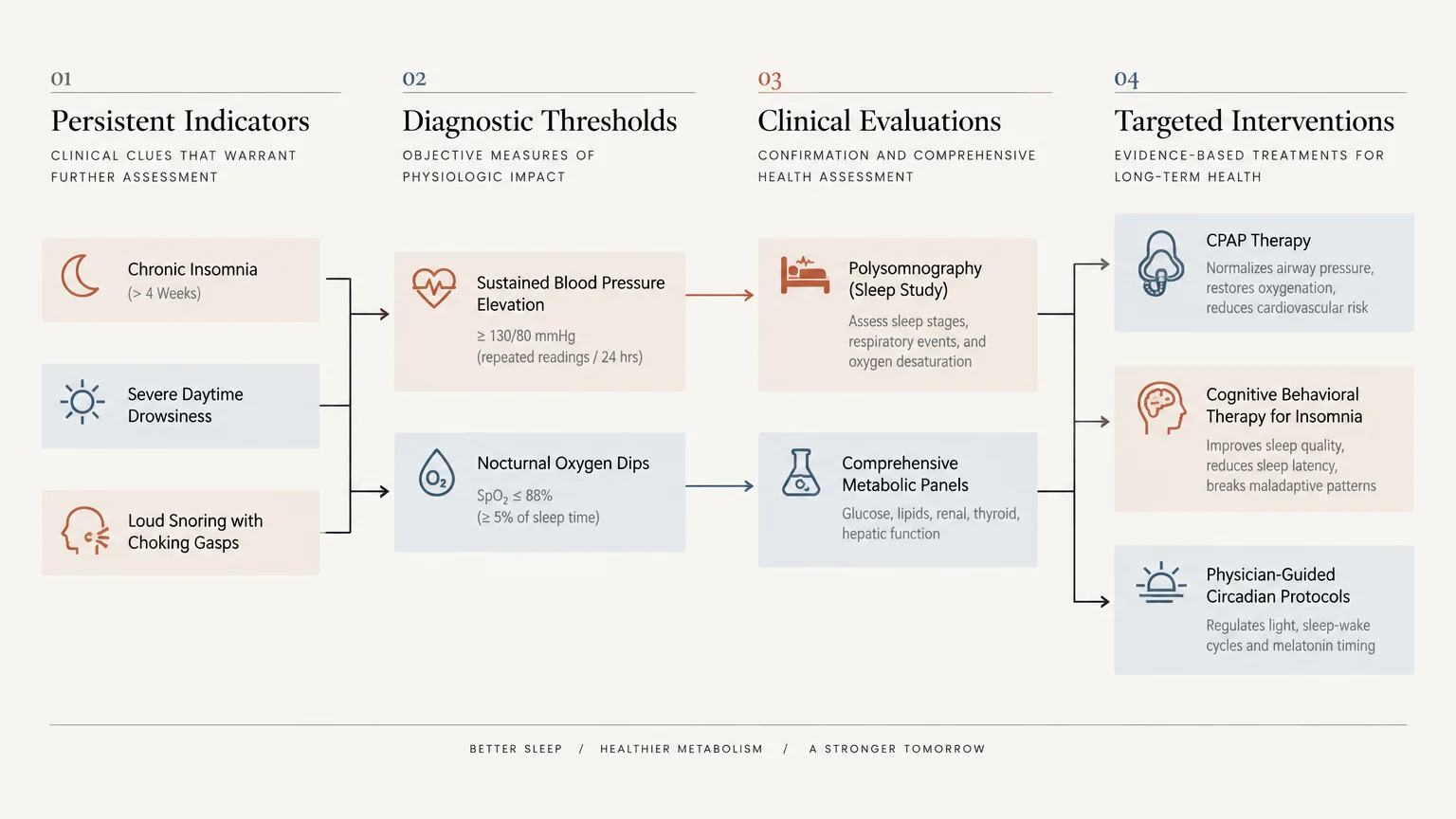
While lifestyle upgrades resolve routine restlessness, certain symptoms demand expert clinical intervention. Persistent sleep problems often signal underlying medical conditions that lifestyle adjustments alone cannot solve.
The NIH estimates that 50 to 70 million Americans suffer from chronic sleep disorders. You should consult a physician if you experience chronic insomnia—defined as trouble sleeping at least 3 nights per week for 3 months or more.
Make an appointment promptly if your partner notices loud snoring punctuated by gasping or choking sounds. These signs frequently point to obstructive sleep apnea, a serious condition requiring formal diagnosis and clinical care.
You should also speak with a doctor if uncontrollable tingling sensations keep your legs moving at night. A sleep specialist can evaluate underlying deficiencies and build a targeted treatment plan for your situation.
Please note that this guidance provides general health education rather than personalized medical advice. Always discuss chronic sleep difficulties with your primary healthcare provider.
Frequently Asked Questions
Can you make up for lost sleep on the weekend?
Sleeping late on the weekend relieves acute exhaustion, but it does not completely reverse accumulated sleep debt. Inconsistent weekend wake times also disrupt your internal clock, making Sunday night rest much harder.
How many hours of sleep do adults actually need?
The American Academy of Sleep Medicine and the CDC recommend that adults get at least 7 hours of sleep per night. Consistently falling below this benchmark increases long-term health vulnerabilities.
Why do you feel exhausted after eight hours in bed?
Spending eight hours in bed does not guarantee restorative sleep quality. Undetected breathing disruptions, late caffeine intake, or frequent awakenings can prevent your brain from spending adequate time in restorative deep sleep.
How does late caffeine affect your body?
Caffeine blocks adenosine receptors in your central nervous system, temporarily masking your natural sleep drive. Consuming caffeinated drinks late in the day delays sleep onset and degrades your deep sleep stages.
One Small Change to Try Tonight
Tonight, establish a digital curfew sixty minutes before your planned bedtime. Power down your television, silence your phone, and let your brain release melatonin without blue-light interference.
Giving your nervous system this peaceful buffer prepares your mind and body for restorative rest. Try this simple ritual tonight and notice how much more energized you feel tomorrow morning.