If you wake up exhausted despite spending eight hours in bed, your airway might be collapsing while you sleep. Recognizing the subtle signs tonight can prevent severe cardiovascular strain tomorrow.
Untreated sleep apnea fragments your natural sleep architecture and deprives your brain of critical oxygen. Identifying key sleep apnea symptoms early allows you to make helpful lifestyle adjustments before consulting a doctor.
Here are ten critical warning signs you should not ignore, along with actionable steps to help you rest more comfortably tonight.
How Sleep Apnea Disrupts Your Body
During healthy sleep, your body cycles predictably through deep slow-wave sleep and rapid eye movement (REM) stages. These stages restore muscle tissue, balance hormones, and consolidate memories.
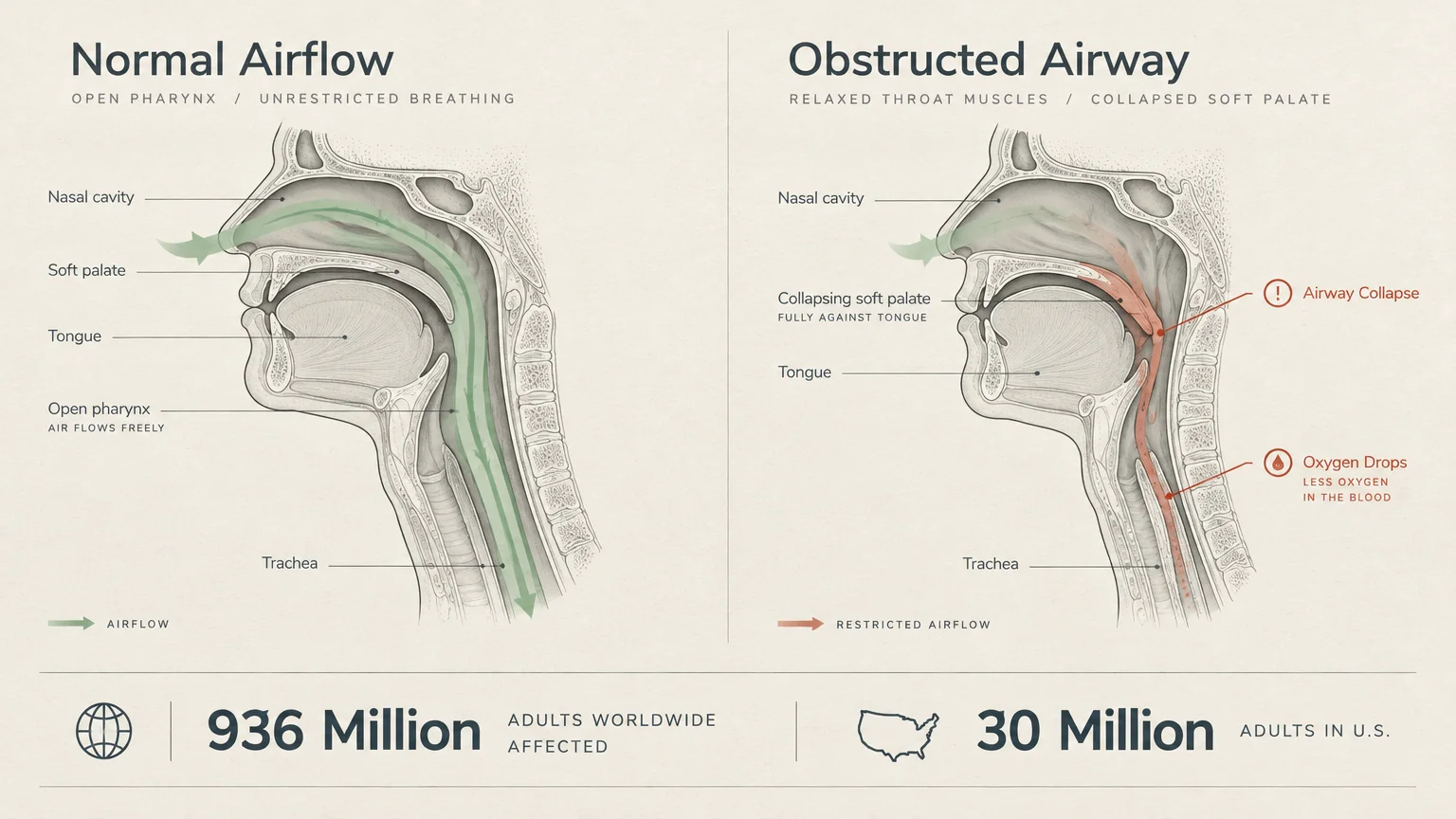
Obstructive sleep apnea occurs when the muscles in the back of your throat relax excessively. This physical blockage stops your breathing, dropping your blood oxygen and forcing your brain to awaken you briefly.
These repetitive micro-arousals disrupt your sleep drive and keep you trapped in lighter, unrefreshing rest. You rarely remember these brief awakenings, but your body experiences a continuous surge of stress hormones.
According to data cited by the National Institutes of Health, roughly 936 million adults worldwide experience mild to severe obstructive sleep apnea. In the United States, nearly 30 million adults live with the condition.
According to the Centers for Disease Control and Prevention, approximately 26% of adults between ages 30 and 70 live with sleep apnea. Alarmingly, public health researchers estimate that roughly 80% of these cases remain undiagnosed.
Recognizing obstructive sleep apnea signs early helps protect you from long-term cardiovascular damage. When left unmanaged, the condition strains your blood vessels and metabolic health.
10 Warning Signs You Shouldn’t Ignore
In this article10 items
- 1.Loud, Persistent Snoring
- 2.Gasping or Choking Awakenings
- 3.Chronic Morning Headaches
- 4.Excessive Daytime Sleepiness
- 5.Frequent Nocturnal Urination
- 6.Dry Mouth and Sore Throat
- 7.Brain Fog and Memory Lapses
- 8.Sudden Irritability and Mood Changes
- 9.Restless Tossing and Insomnia
- 10.Resistant High Blood Pressure
Loud, Persistent Snoring
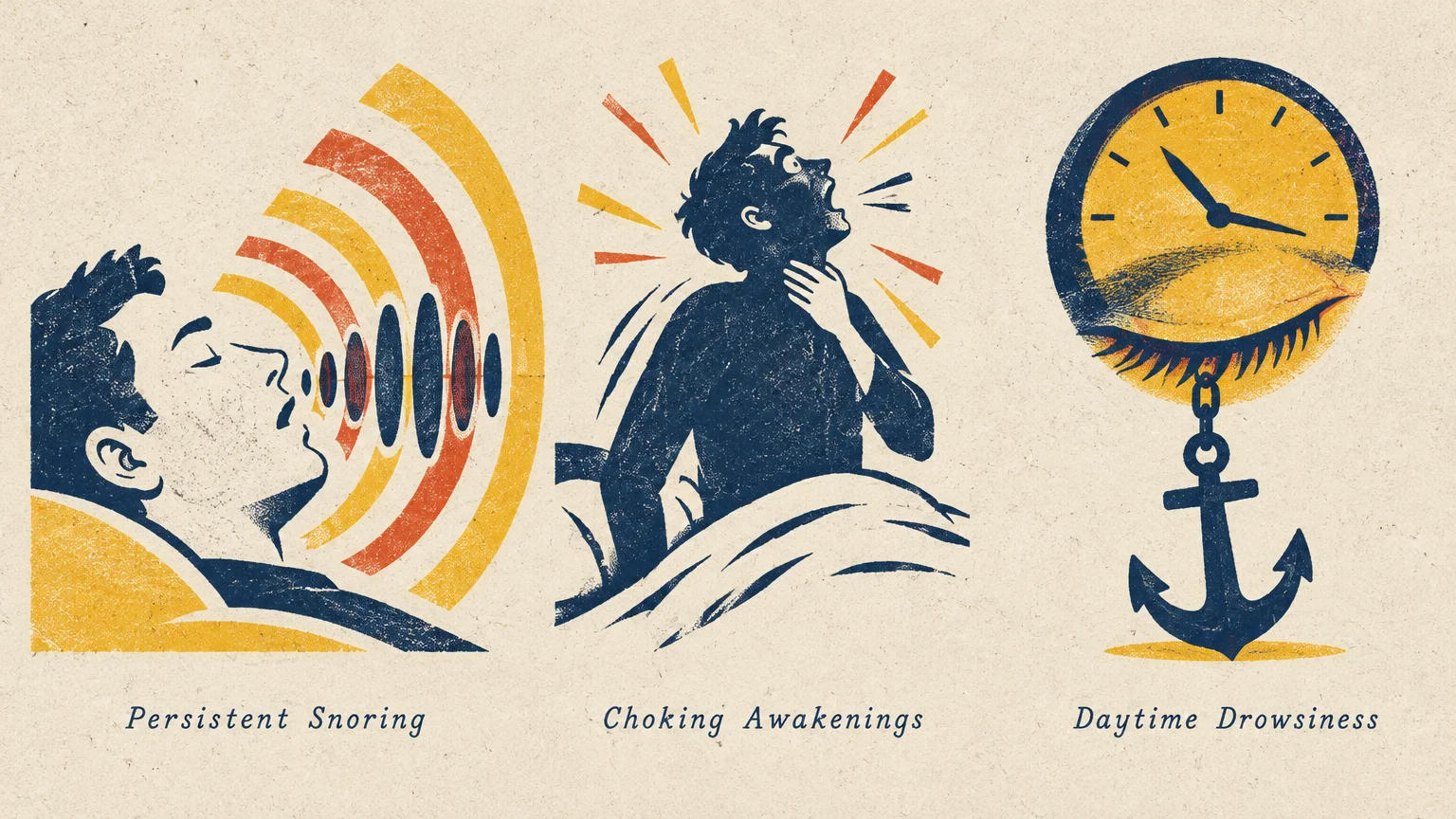
While occasional snoring happens to many people, chronic loud snoring often signals obstructed airflow. Vibrating throat tissues create this sound as air forces its way through a narrowed passageway.
Gasping or Choking Awakenings
Witnessed loud snoring gasping episodes represent the classic hallmark of sleep apnea. These violent awakenings occur when your brain sounds an emergency alert to reopen your collapsed airway.
Chronic Morning Headaches
Frequent morning headaches stem directly from nighttime oxygen drops and carbon dioxide retention. These vascular shifts cause blood vessels in your brain to dilate, producing dull pain when you open your eyes.
Excessive Daytime Sleepiness
Do you fight extreme drowsiness during meetings, reading sessions, or your afternoon commute? Constant micro-awakenings prevent your brain from achieving deep restorative sleep, leaving your daytime sleep drive unsatiated.
Frequent Nocturnal Urination
Waking up multiple times each night to urinate, known clinically as nocturia, frequently indicates airway obstruction. Sleep disruptions alter your atrial natriuretic peptide levels, signaling your kidneys to produce excessive urine overnight.
Dry Mouth and Sore Throat
Waking up with an uncomfortably parched throat often results from prolonged mouth breathing. When nasal passages restrict or airways narrow, your body compensates by pulling dry air directly across oral tissues.
Brain Fog and Memory Lapses
Sleep apnea degrades memory consolidation by repeatedly interrupting your REM cycles. You may notice subtle lapses in concentration, slower reaction times, and general cognitive sluggishness throughout your working hours.
Sudden Irritability and Mood Changes
Persistent sleep fragmentation directly affects emotional regulation centers in your brain, particularly the amygdala. You might experience uncharacteristic mood swings, heightened anxiety, or depressive symptoms that resist standard wellness routines.
Restless Tossing and Insomnia
Many people mistake obstructive sleep apnea for primary insomnia because frequent awakenings fragment their nights. You may toss and turn constantly as your body struggles to maintain open air passages.
Resistant High Blood Pressure
Repeated drops in blood oxygen trigger your sympathetic nervous system, releasing adrenaline throughout the night. Over time, this recurring stress elevates your baseline vascular tension, creating hypertension that responds poorly to medication.

Safe Home Adjustments You Can Make Tonight
While home habits cannot cure moderate or severe airway disorders, simple positional strategies can reduce mild collapse. Sleeping on your back allows gravity to pull your tongue and soft palate backward.
Shift onto your side tonight to keep your airway structurally open under natural gravitational forces. You can place a firm body pillow along your spine to prevent rolling over during deep sleep.
Elevating the head of your bed by four to six inches also decreases upper airway collapsibility. Avoid stacking loose pillows under your neck, which bends your throat and worsens airway narrowing.
Finally, avoid consuming alcohol or sedative medications within four hours of your bedtime. These substances over-relax your pharyngeal muscles, drastically increasing both the frequency and duration of obstructive events.
When to Consult a Sleep Specialist
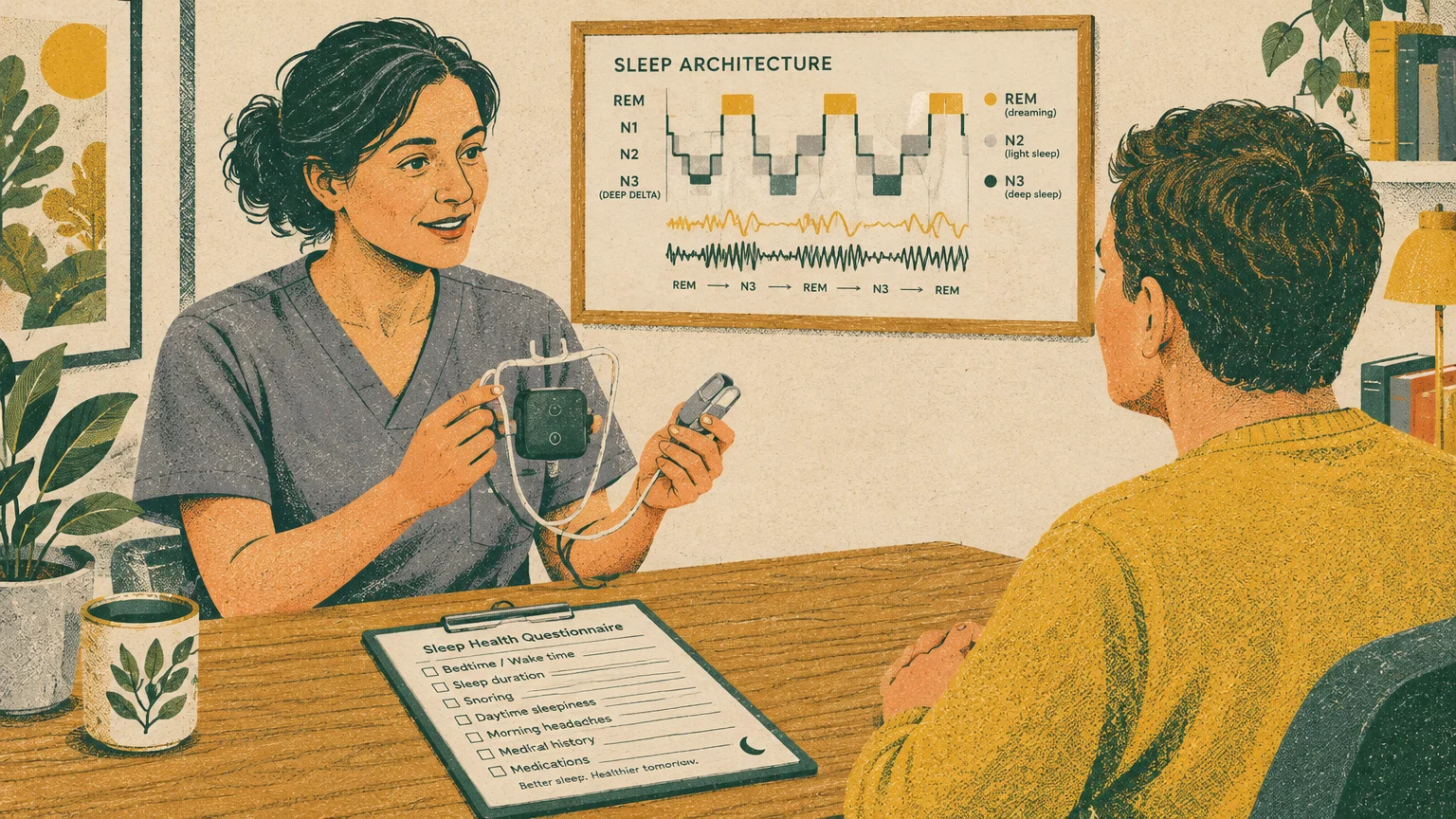
Lifestyle modifications provide short-term comfort, but they do not replace formal clinical evaluations. You must schedule an appointment with a board-certified sleep specialist if you experience gasping, choking, or severe exhaustion.
Clinicians evaluate your condition using the Apnea-Hypopnea Index, which tallies your breathing pauses per hour. Mild apnea involves 5 to 14 events hourly, moderate spans 15 to 29, and severe exceeds 30.
The American Academy of Sleep Medicine notes that undiagnosed sleep apnea costs $149.6 billion annually in medical expenses, accidents, and lost productivity. Diagnostic sleep studies quickly determine your exact severity level.
Continuous Positive Airway Pressure (CPAP) remains the gold-standard medical therapy for moderate to severe cases. Although 50% to 63% of patients initially struggle with therapy, modern cloud-connected devices boost adherence beyond 80%.
If prescribed this treatment, review our guide to Medicare CPAP coverage rules to see what your plan pays.
Please treat this guide as educational information rather than individualized medical advice. If your snoring disturbs others or leaves you breathless, consult your physician promptly.
Frequently Asked Questions
Can thin or active people develop sleep apnea?
Yes, body weight is only one of several contributing anatomical factors. Narrow jawlines, enlarged tonsils, a thick neck circumference, or nasal congestion can obstruct airflow regardless of your fitness.
What distinguishes central sleep apnea from obstructive sleep apnea?
Obstructive sleep apnea stems from physical airway blockage, whereas central sleep apnea involves communication failures between your brain and breathing muscles. Central sleep apnea remains rare, affecting roughly 0.9% of adults.
How does gender influence sleep apnea risk?
Men face a higher statistical risk, with moderate-to-severe apnea affecting roughly 13% of adult men and 6% of adult women. However, women’s risk rises significantly after menopause due to shifting hormone levels.
Does positional sleeping cure moderate to severe sleep apnea?
Positional therapy reduces breathing events for positional sleepers, but it rarely eliminates moderate or severe obstructions. Use positional adjustments as a supportive comfort strategy while pursuing formal medical care.
One Small Change for Tonight
Tonight, prop yourself into a dedicated side-sleeping position using an extra pillow tucked securely between your knees. This simple postural tweak keeps your pelvis aligned, stabilizes your torso, and prevents your airway from collapsing.