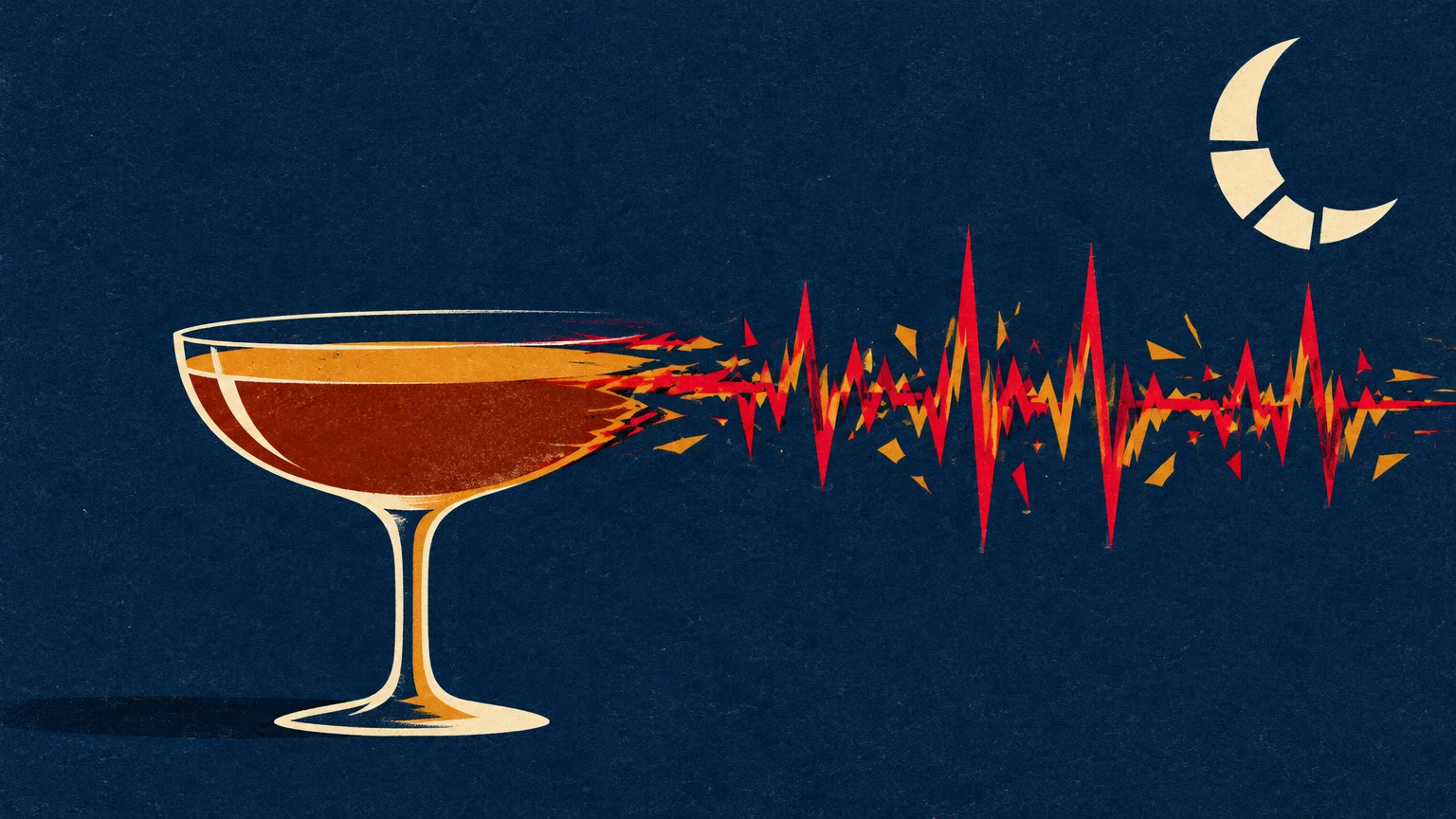
An evening drink might knock you out quickly, but it sabotages your rest the moment your eyes close. You can wake up with genuine energy by resetting your nightly routine tonight.
Many people mistake evening sedation for restorative sleep. In reality, alcohol acts as a chemical sedative that disrupts natural sleep architecture and prevents your brain from truly recharging.
Understanding how alcohol alters overnight recovery gives you the power to reclaim rest. Simple adjustments to your timing tonight protect sleep stages without demanding total deprivation.
The Sedation Trap: Chemical Knockout Versus Real Rest
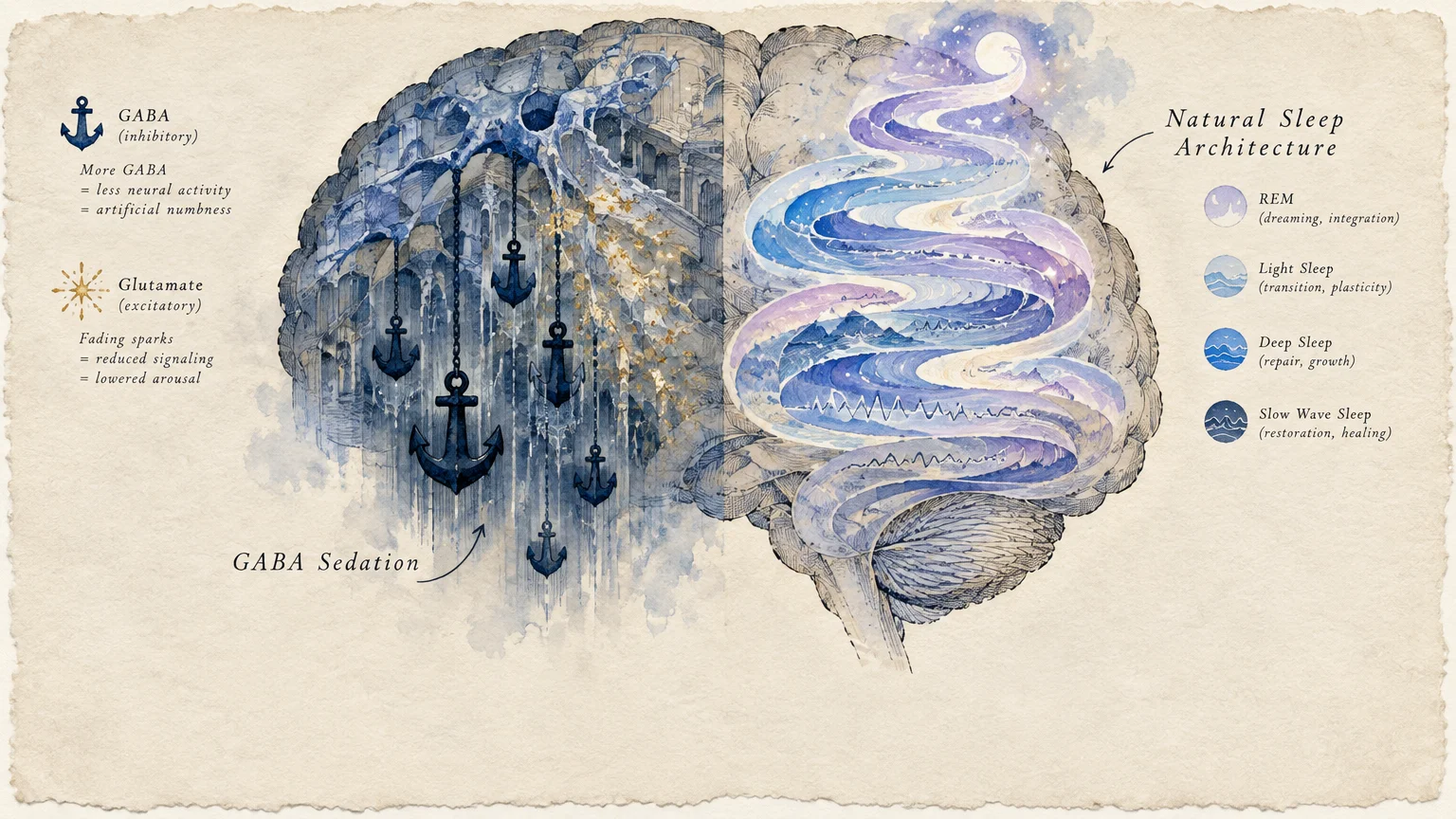
Alcohol enhances gamma-aminobutyric acid, an inhibitory neurotransmitter that slows central nervous system activity. Simultaneously, it dampens glutamate, your brain’s primary excitatory chemical messenger.
This chemical shift creates rapid drowsiness mimicking natural tiredness. However, medical researchers at the National Institute on Alcohol Abuse and Alcoholism emphasize that sedation is not physiological sleep.
Your brain does not cycle through restorative phases while chemically sedated. Instead, it enters an unnatural state resembling light anesthesia rather than true slumber.
According to May 2025 survey data from the National Council on Aging, 30% of adults with persistent insomnia use alcohol as a sleep aid. Alarmingly, 67% of them mistakenly believe it helps them sleep.
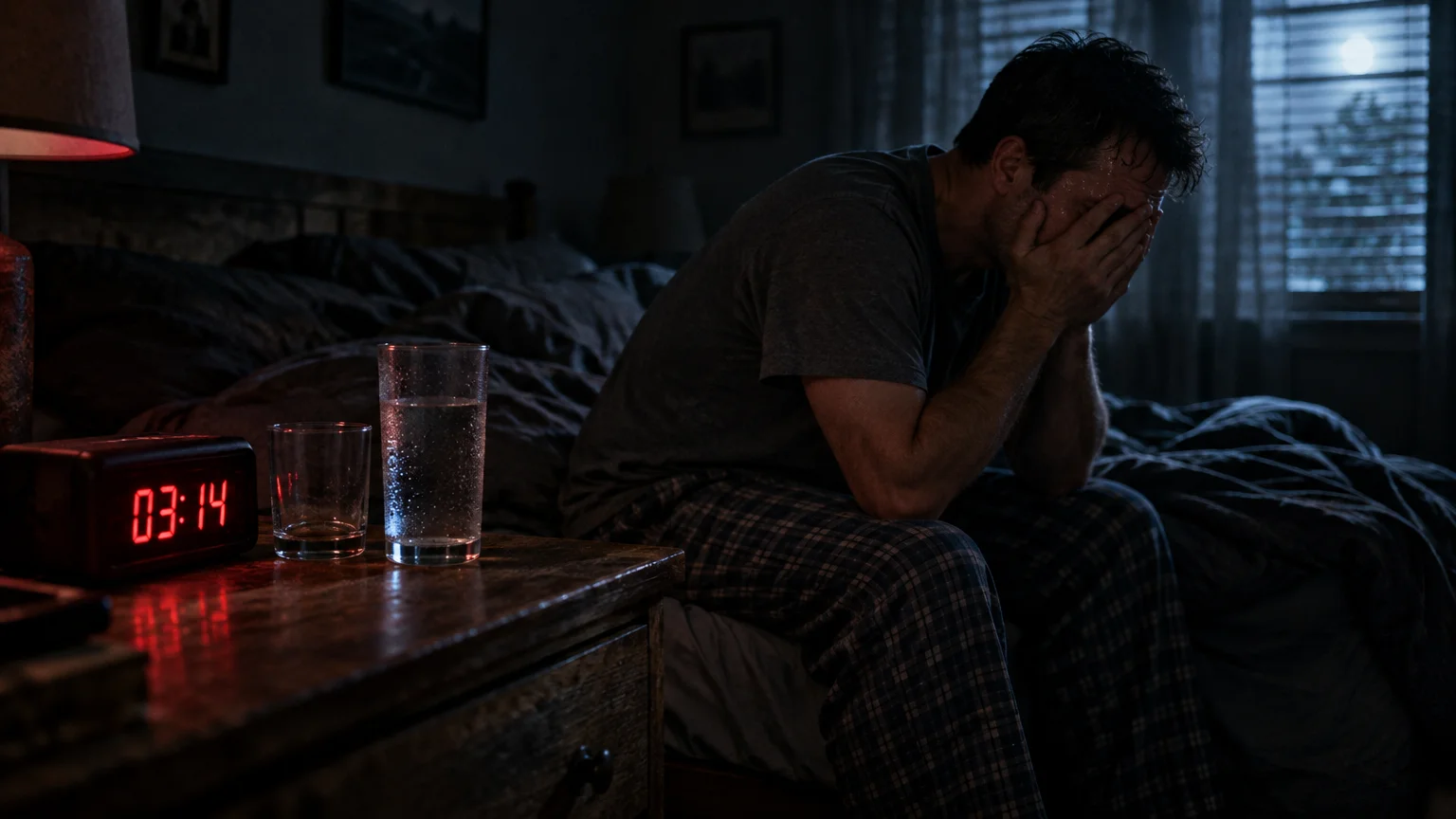
The Rebound Effect: Why You Wake Up at 3 A.M.
Your liver metabolizes alcohol steadily at approximately one standard drink per hour. This process clears your blood alcohol concentration by roughly 0.015g% each hour.
While there are several physiological reasons why you wake up at 3 A.M., evening drinking is one of the most common triggers.
As blood alcohol levels plunge midway through the night, your brain experiences an abrupt rebound effect. Sedative pressure vanishes, triggering an aggressive surge in autonomic nervous system arousal.
Your body releases stress hormones like cortisol and epinephrine as heart rate accelerates. Consequently, you suddenly wake up sweating, tossing, or needing the bathroom.
A February 2026 narrative review in Nutrients confirms that late evening alcohol intake compounds core body temperature dysregulation. Because alcohol dilates peripheral blood vessels, your body struggles to achieve nocturnal cooling required for sustained rest.
How Alcohol Steals Your Restorative REM Sleep
Rapid eye movement, or REM sleep, supports emotional regulation, memory consolidation, and cognitive sharpness. Research examining REM sleep alcohol interactions proves that drinking directly suppresses this vital stage, regardless of how quickly you fall asleep.
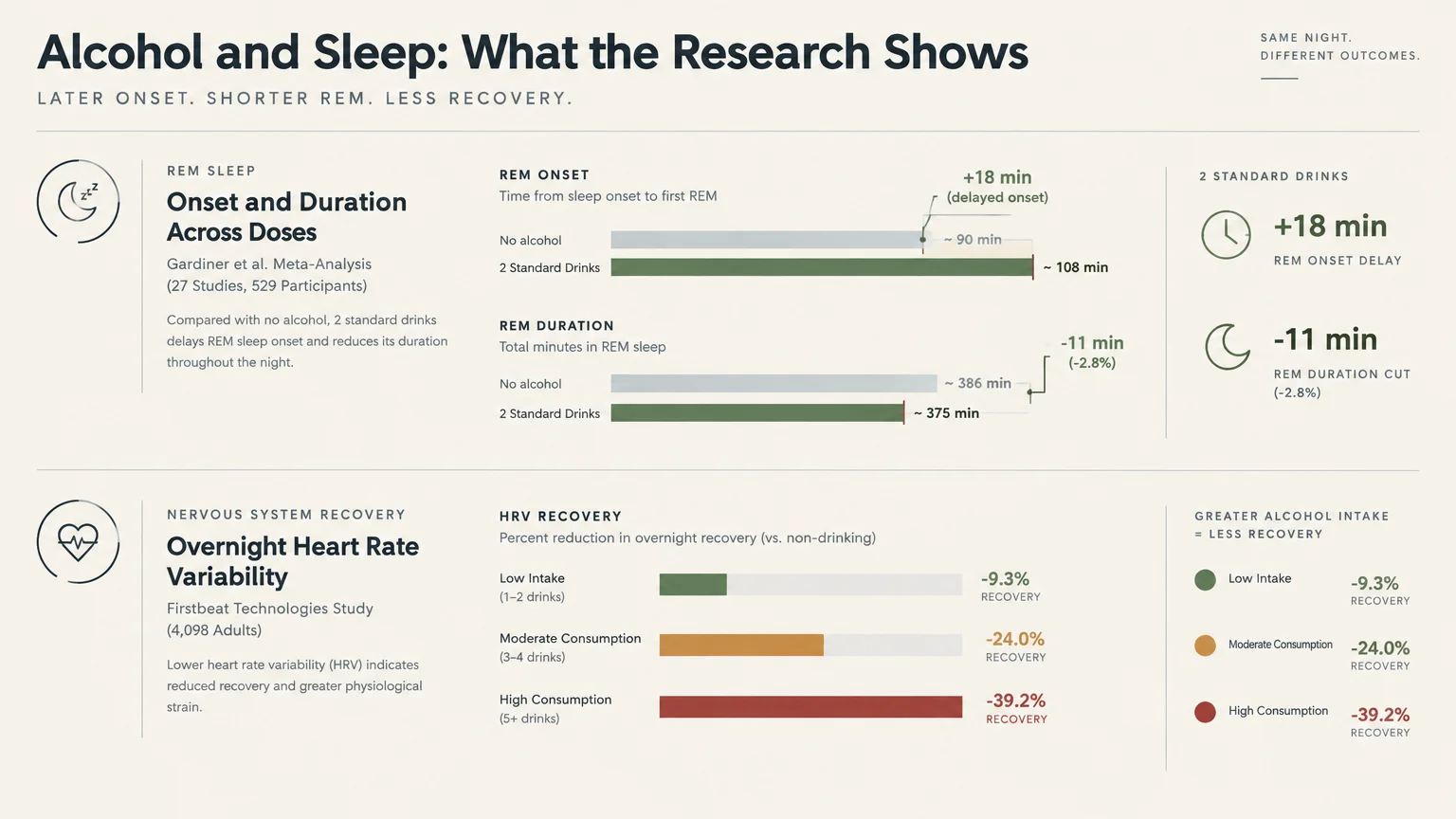
A meta-analysis published in Sleep Medicine Reviews by Gardiner and colleagues analyzed 27 clinical studies involving 529 participants. The findings revealed that even low doses of two standard drinks delay REM sleep onset by 18 minutes.
These low doses also decrease total REM sleep duration by 11 minutes; this represents an overall reduction of 2.8 percentage points in REM proportion. Your dreaming mind pays an immediate price for a casual nightcap.
The same meta-analysis discovered that a reliable reduction in sleep onset latency only occurs at high doses of approximately five drinks. Unfortunately, drinking that heavily causes severe, systemic REM sleep destruction during the night’s second half.
Alcohol also degrades physiological recovery measured through heart rate variability. A Finnish study of 4,098 adults by Firstbeat Technologies evaluated overnight nervous system recovery during sleep.
Low alcohol intake reduced restorative sleep quality by 9.3%. Moderate consumption slashed recovery by 24.0%, while high consumption caused restorative sleep quality to plummet by 39.2%.
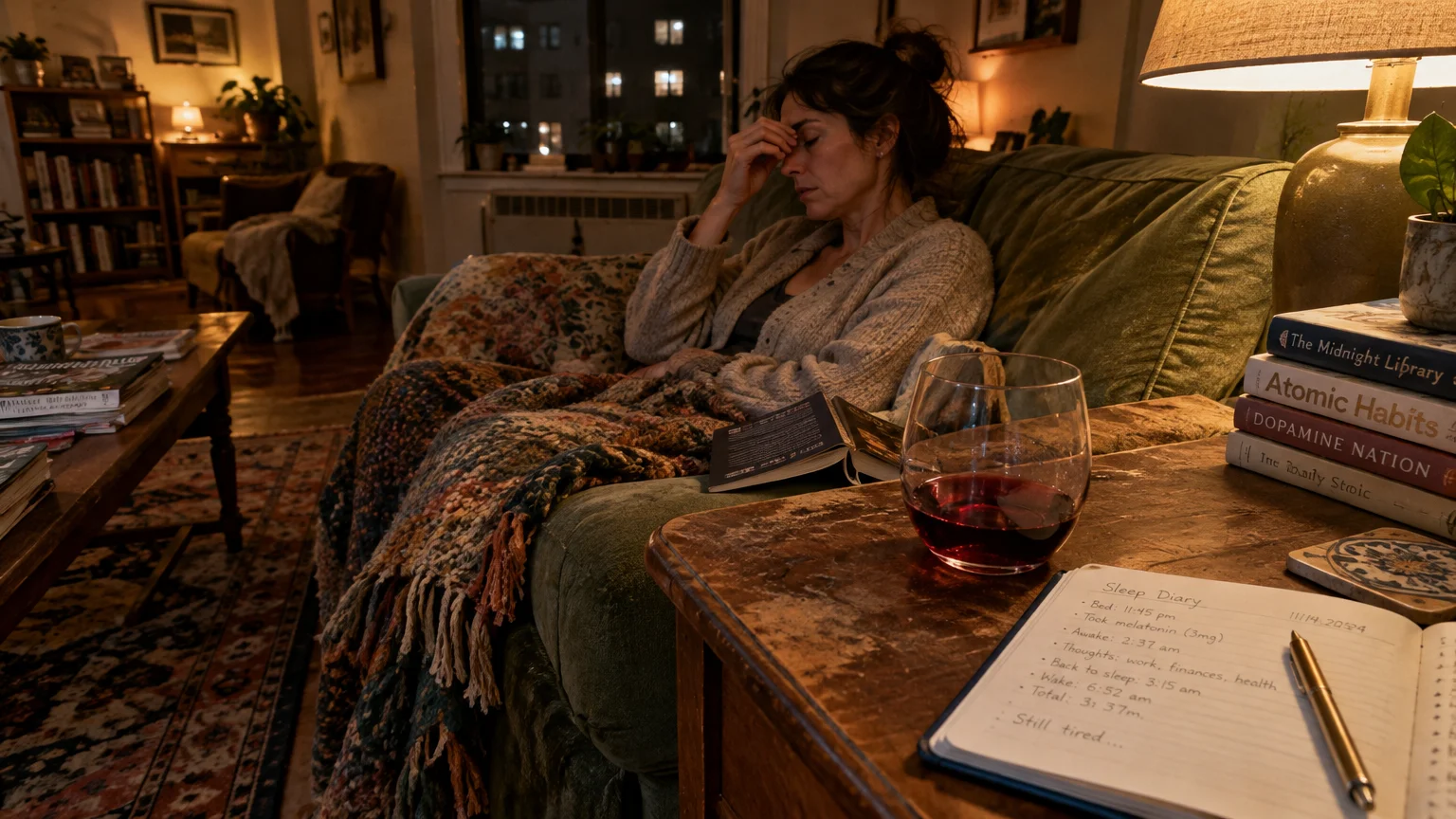
Patterns of Nightcap Use and Chronic Insomnia
Relying on a nightcap to chase sleep is a widespread public health issue across age groups. An October 2025 national study funded by the National Institute on Drug Abuse and published in JAMA Pediatrics examined 1,473 young adults.
The study found that 22.4% of young adults aged 19 to 30 used cannabis or alcohol to initiate sleep. Specifically, 7.2% relied directly on alcohol as a sleep aid.
Researchers also observed notable demographic differences; Black young adults were three times as likely as their white peers to use alcohol to fall asleep.
Unfortunately, self-medicating with alcohol often leads to chronic sleep disruption. Clinical data shows that 40% to 70% of people with heavy alcohol use or alcohol use disorder suffer from persistent insomnia.
Practical Strategies to Protect Your Sleep Tonight
You do not have to abandon social drinking entirely to protect sleep quality. Adopting precise behavioral boundaries allows your liver to process alcohol before your head hits the pillow.
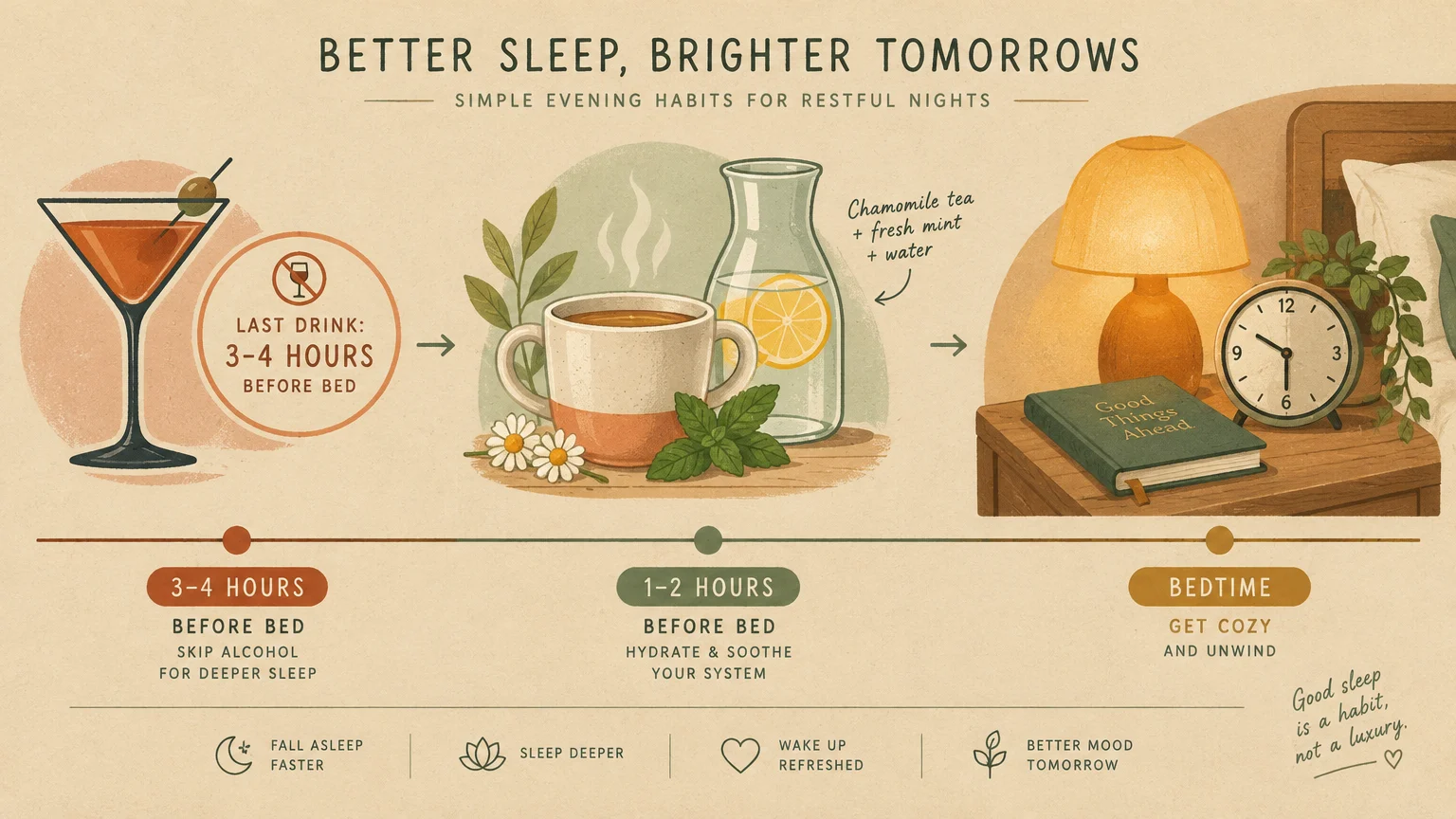
Clinical guidelines from the Sleep Foundation recommend completing your last alcoholic beverage at least 3 to 4 hours before bedtime. This buffer allows your liver to clear most alcohol before deep sleep begins.
Alternate every alcoholic beverage with a glass of water or electrolyte solution. Hydration cushions your vascular system and reduces dehydrating diuretic effects that wake you during the night.
Pair evening drinks with complex carbohydrates and lean protein to slow gastric absorption. Slower absorption prevents blood alcohol spikes and mitigates severe middle-of-the-night neurochemical rebounds.
Consider replacing late-night drinks with relaxing non-alcoholic alternatives like tart cherry juice or sparkling mineral water with fresh lime. These alternatives deliver the sensory ritual of unwinding without disrupting sleep architecture.

When to Consult a Healthcare Professional
Occasional restless nights after celebrations are normal, but persistent sleep disruption warrants expert evaluation. Consult a physician or sleep specialist if you experience insomnia lasting longer than three months.
Seek medical care if your partner notices loud snoring punctuated by gasping or choking sounds. Alcohol relaxes airway musculature, significantly worsening underlying obstructive sleep apnea.
According to clinical directives from the Centers for Disease Control and Prevention, untreated sleep deficits increase risks for long-term cardiometabolic complications. Professional diagnosis helps resolve root causes safely.
If you find yourself relying on alcohol every night to cope with anxiety or sleep initiation, speak with a doctor. Evidence-based treatments like cognitive behavioral therapy for insomnia offer lasting relief without chemical sedation.
This guide provides educational insights and does not replace personalized medical advice from a qualified healthcare provider.
Frequently Asked Questions
Does a single glass of wine ruin sleep quality?
Even a single drink measurably suppresses heart rate variability and delays REM sleep. While you might feel relatively rested, your autonomic nervous system works harder to maintain homeostasis.
Why does alcohol make you sweat during the night?
Alcohol dilates peripheral blood vessels and alters hypothalamic regulation of core body temperature. As your liver clears the substance, sympathetic nervous system rebound triggers nocturnal hot flashes and night sweats.
Does drinking beer disrupt sleep differently than liquor or wine?
The type of alcohol matters far less than the total volume of pure ethanol consumed. However, beer introduces higher fluid volume into your bladder, increasing nighttime awakenings for urination.
Can you reverse alcohol-induced sleep debt the next day?
You cannot truly replace fragmented REM sleep through daytime naps, though brief rest restores alertness. The best strategy is rehydrating and returning to a consistent, alcohol-free bedtime routine the following evening.
One Small Change to Try Tonight
Tonight, try moving your final drink to dinner and switching to herbal tea or water by 8:00 P.M. Giving your liver that crucial three-to-four-hour buffer will protect REM cycles and help you wake up genuinely refreshed.