
Tossing and turning disrupts your entire day, but the right evening snack can nudge your body toward deep rest. You can adjust your plate tonight to fall asleep faster without feeling sluggish tomorrow.
Certain foods supply the raw nutrients your brain requires to produce sleep-regulating hormones like melatonin. Choosing these ingredients calms your nervous system and steadies overnight blood sugar.
Swapping heavy desserts for nutrient-rich alternatives will help you wake up feeling recharged. Here are nine evidence-backed foods and drinks that support your sleep architecture naturally.
How Evening Nutrition Shapes Your Rest
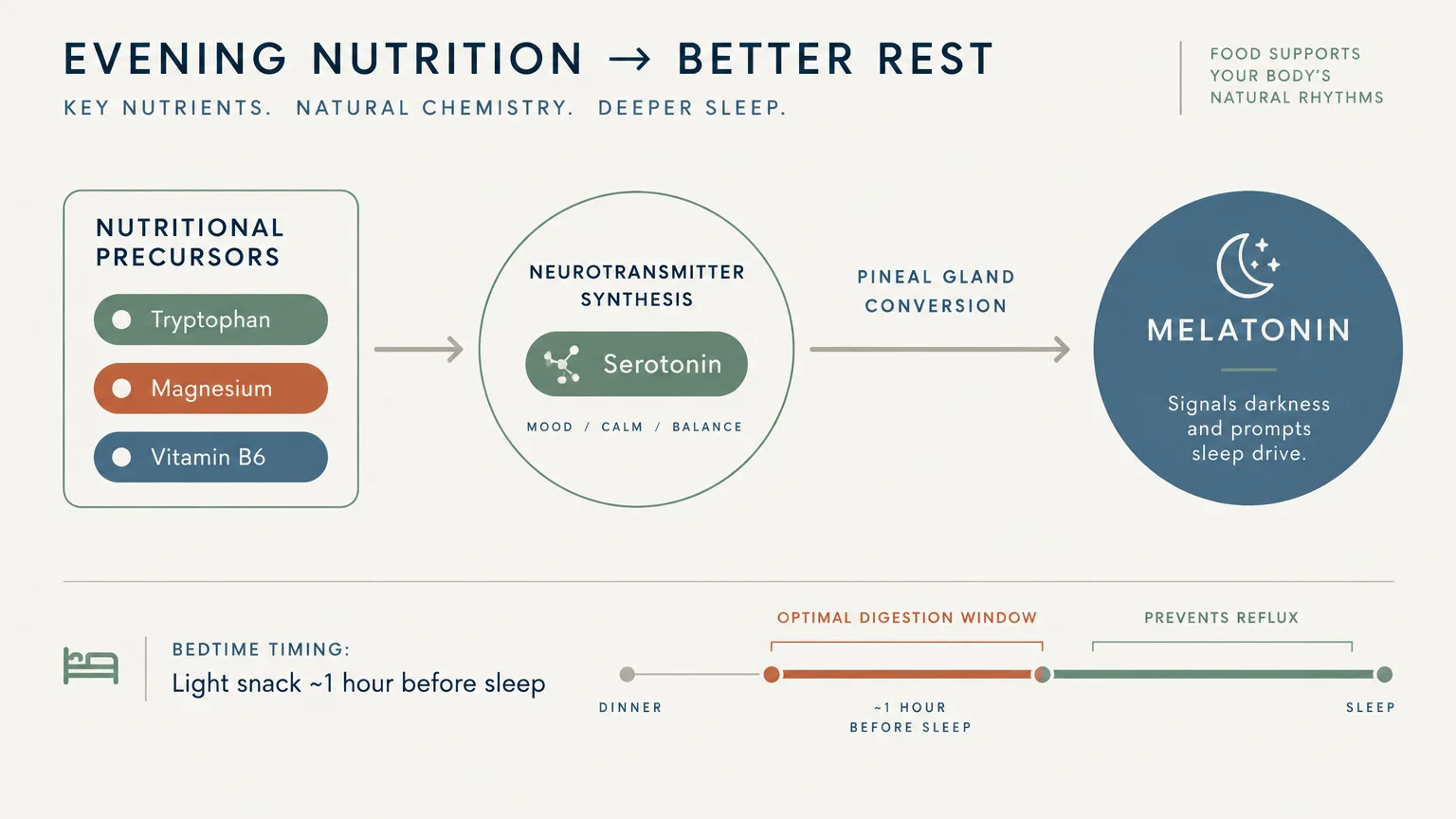
Your circadian rhythm governs your daily sleep-wake cycle, while your internal sleep drive builds pressure to rest throughout the day.
Nutrients like tryptophan, magnesium, and vitamin B6 serve as essential biochemical building blocks for sleep-inducing neurotransmitters.
When you consume foods rich in these compounds, your brain synthesizes serotonin and converts it into melatonin. According to the National Center for Complementary and Integrative Health, melatonin signals that darkness has arrived and sleep should follow.
Timing also matters; eating a light snack roughly an hour before bed prevents nighttime acid reflux without overloading your digestive system.

01 Tart Cherry Juice
Tart Montmorency cherries provide a rare natural food source of melatonin, the hormone that dictates your internal circadian rhythm.
Sipping an eight-ounce glass of pure tart cherry juice an hour before bed can shorten sleep latency and extend total slumber. Research shows these cherries also contain antioxidants that reduce inflammation and ease physical tension.
Choose unsweetened varieties to keep your blood glucose steady. Added sugars trigger midnight spikes and subsequent drops that awaken you prematurely.
02 Kiwifruit
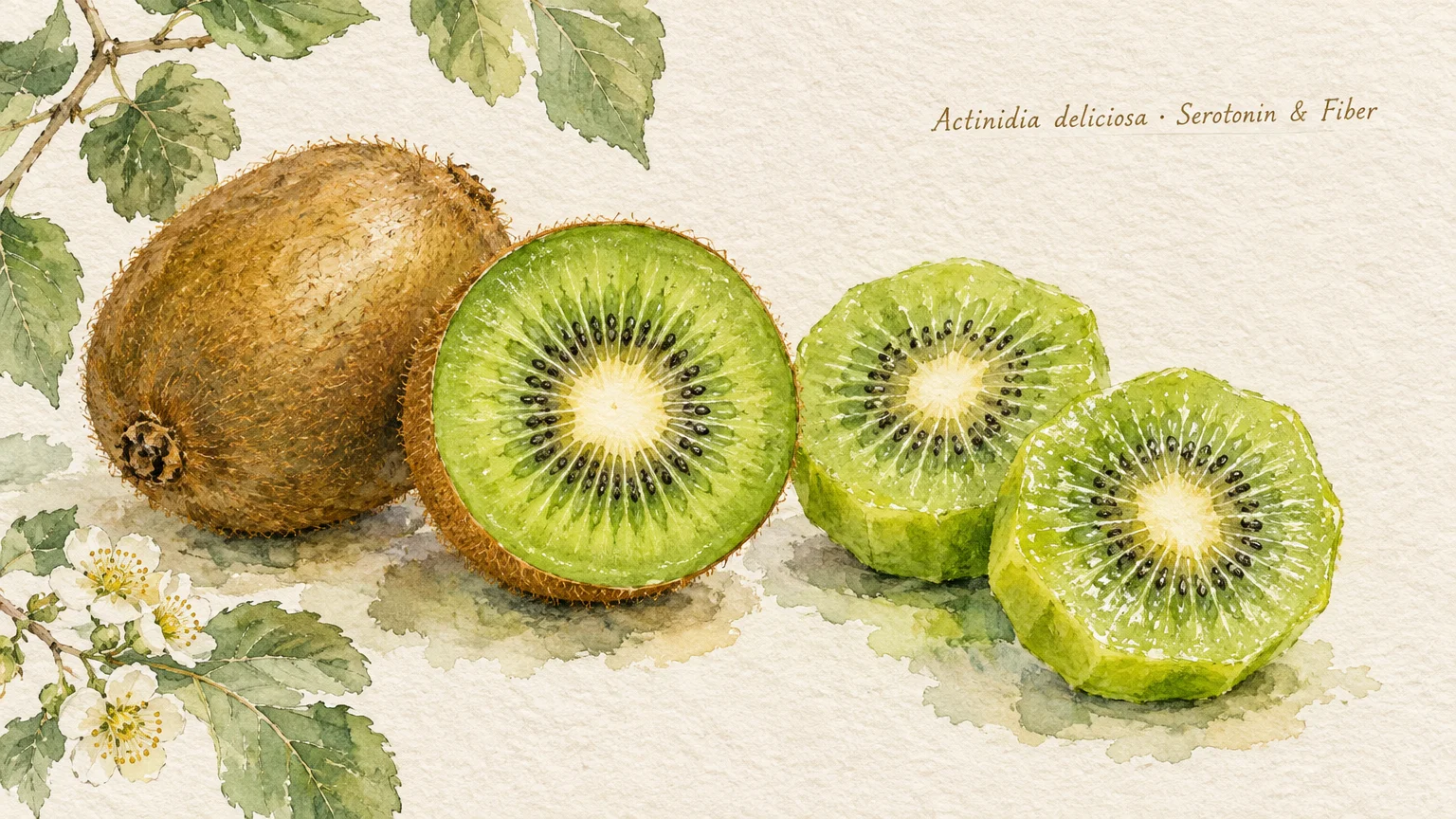
Kiwis pack high concentrations of antioxidants alongside sleep-supportive serotonin, making them an ideal evening snack.
Eating two peeled kiwis one hour before bedtime helps you fall asleep faster and stay asleep longer. Their dietary fiber also aids digestion, preventing gastrointestinal discomfort that might otherwise disrupt your sleep stages.
Kiwis also deliver vitamin C, which protects brain cells from oxidative stress. This fruit satisfies evening sweet cravings without spiking your calorie intake.
03 Almonds
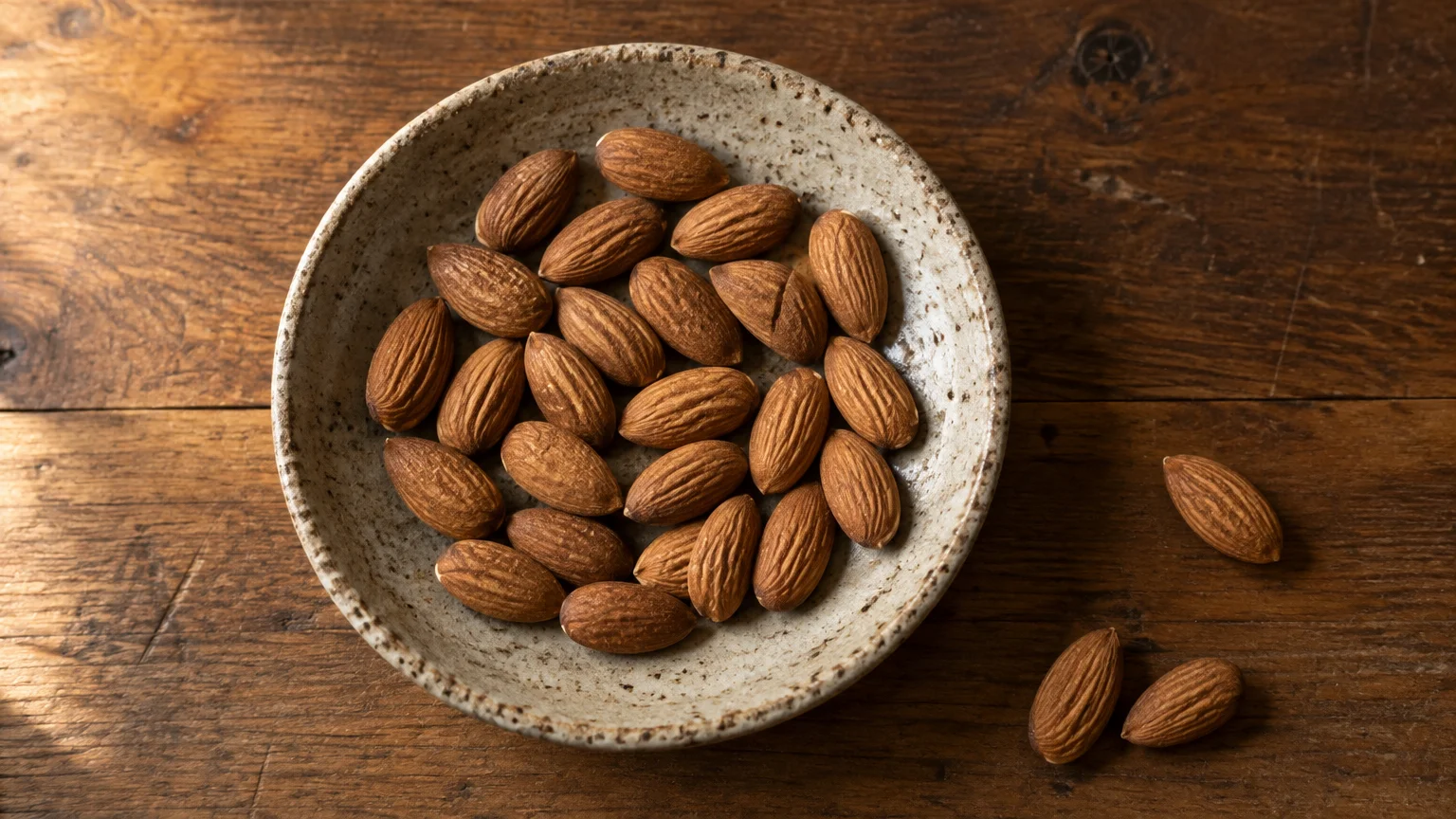
Almonds deliver generous amounts of magnesium, an essential mineral that relaxes tense muscle fibers and calms neural excitability.
Magnesium binds to gamma-aminobutyric acid receptors in the brain; this chemical action quiets racing thoughts and prepares you for rest.
A single one-ounce serving—roughly twenty-three nuts—provides a steady stream of healthy fats and protein. Choose raw or dry-roasted unsalted almonds to avoid excess sodium before bed.

04 Chamomile Tea
Chamomile tea contains apigenin, an antioxidant that binds to specific brain receptors to reduce anxiety and initiate sleepiness.
Brewing a warm mug creates a soothing sensory routine that signals your nervous system to downshift. The warmth also encourages peripheral vasodilation, which lowers your core body temperature to match your natural bedtime curve.
Drink your cup roughly forty-five minutes before turning off the lights. This timing gives your bladder sufficient time to empty before you doze off.

05 Fatty Fish
Varieties such as salmon, mackerel, and trout combine omega-3 fatty acids with substantial amounts of vitamin D.
Research supported by the National Institutes of Health indicates this specific nutrient pairing enhances serotonin synthesis. These healthy fats also lower cellular inflammation that can disrupt sleep architecture.
Serving a palm-sized portion of grilled salmon alongside steamed vegetables makes a restorative evening meal. Finish dinner two to three hours before lying down to ensure full digestion.

06 Walnuts
Walnuts contain their own supply of bioavailable melatonin alongside alpha-linolenic acid, an essential plant-based omega-3 fatty acid.
Your body converts these fatty acids into docosahexaenoic acid, a compound that supports healthy brain chemistry and promotes deep slow-wave sleep.
Keep your bedtime snack to one ounce, which supplies optimal benefits without burdening your digestive tract. Enjoy them raw or crushed over plain yogurt for an evening treat.
07 Bananas
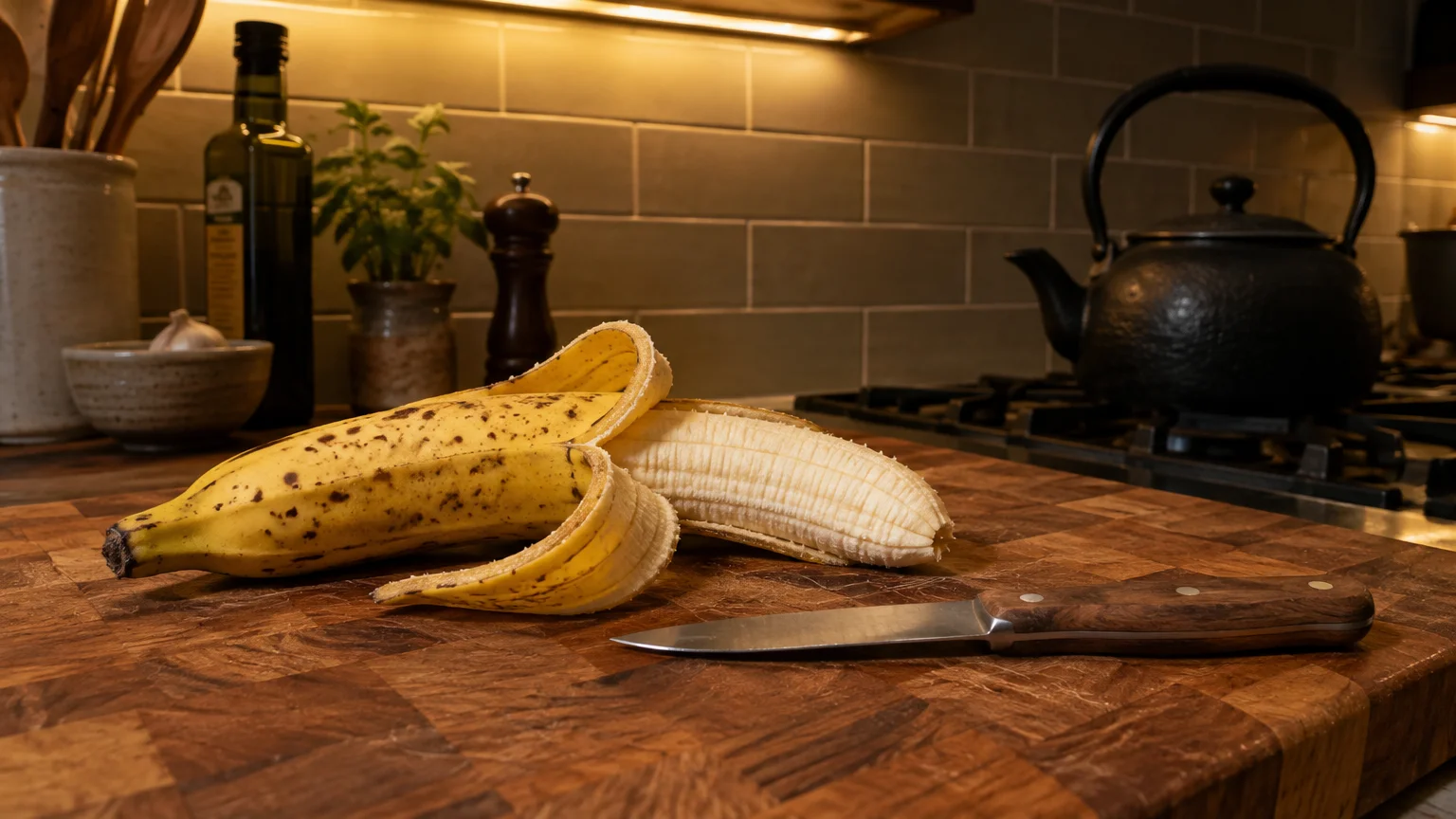
Bananas offer a trifecta of potassium, magnesium, and vitamin B6, which collectively soothe tired muscles and ease physical restlessness.
Vitamin B6 serves as an essential coenzyme your brain uses to convert tryptophan into serotonin and melatonin. Meanwhile, potassium functions as a natural muscle relaxant that helps prevent nighttime leg cramps.
Pair half a banana with a spoonful of unsweetened almond butter for balanced carbohydrates and healthy fats. This pairing maintains level blood glucose until morning.
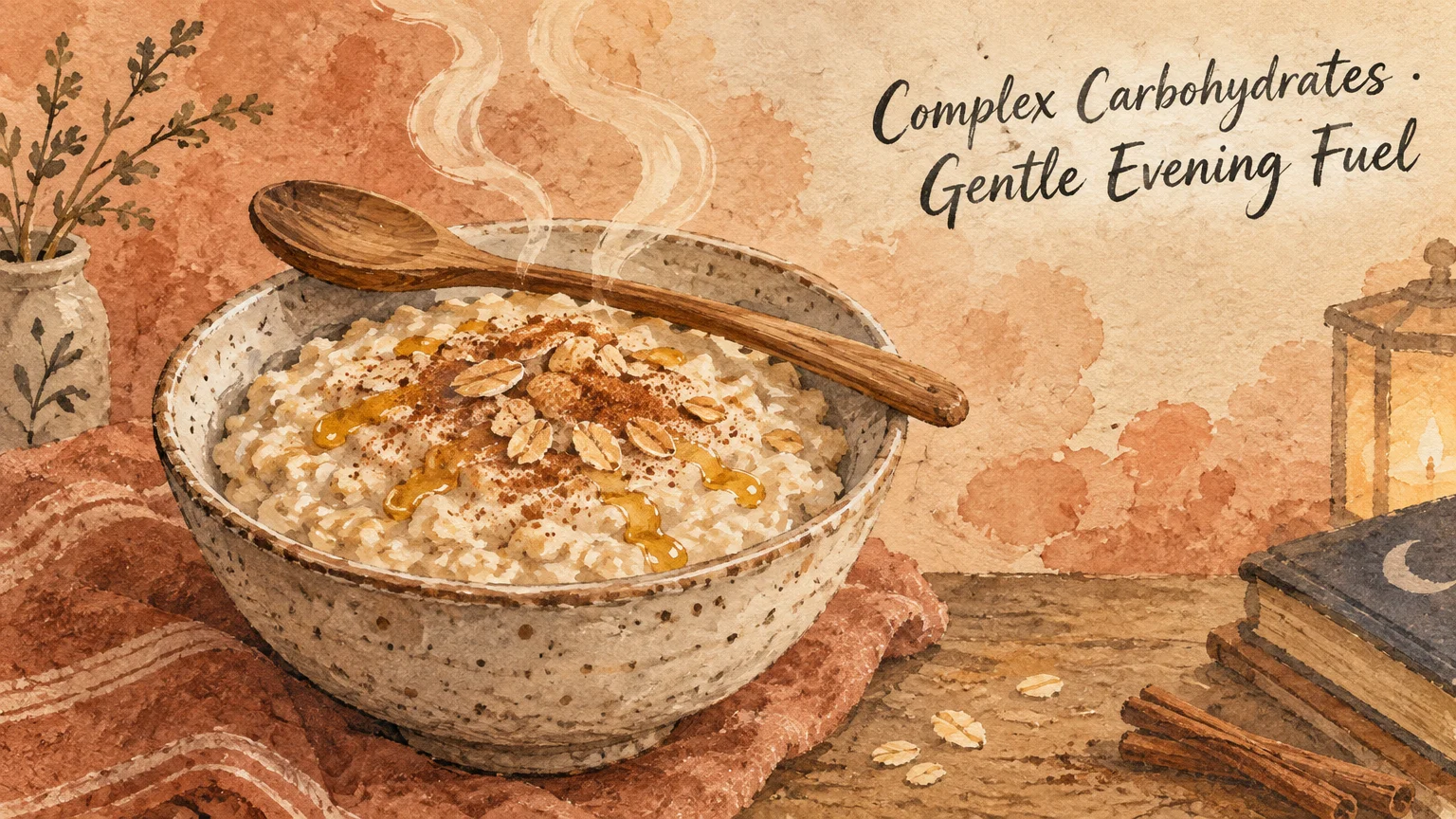
08 Warm Oatmeal
While often viewed as breakfast fare, warm whole-grain oats make an exceptional evening snack for restless sleepers.
Complex carbohydrates stimulate a mild insulin release, which clears competing amino acids so tryptophan can cross your blood-brain barrier. Oats also contain natural melatonin and ample dietary fiber.
Prepare a half-cup portion with water or warm milk, seasoning it with cinnamon instead of refined sugar. Refined sweeteners spike adrenaline, defeating the calming purpose of your snack.
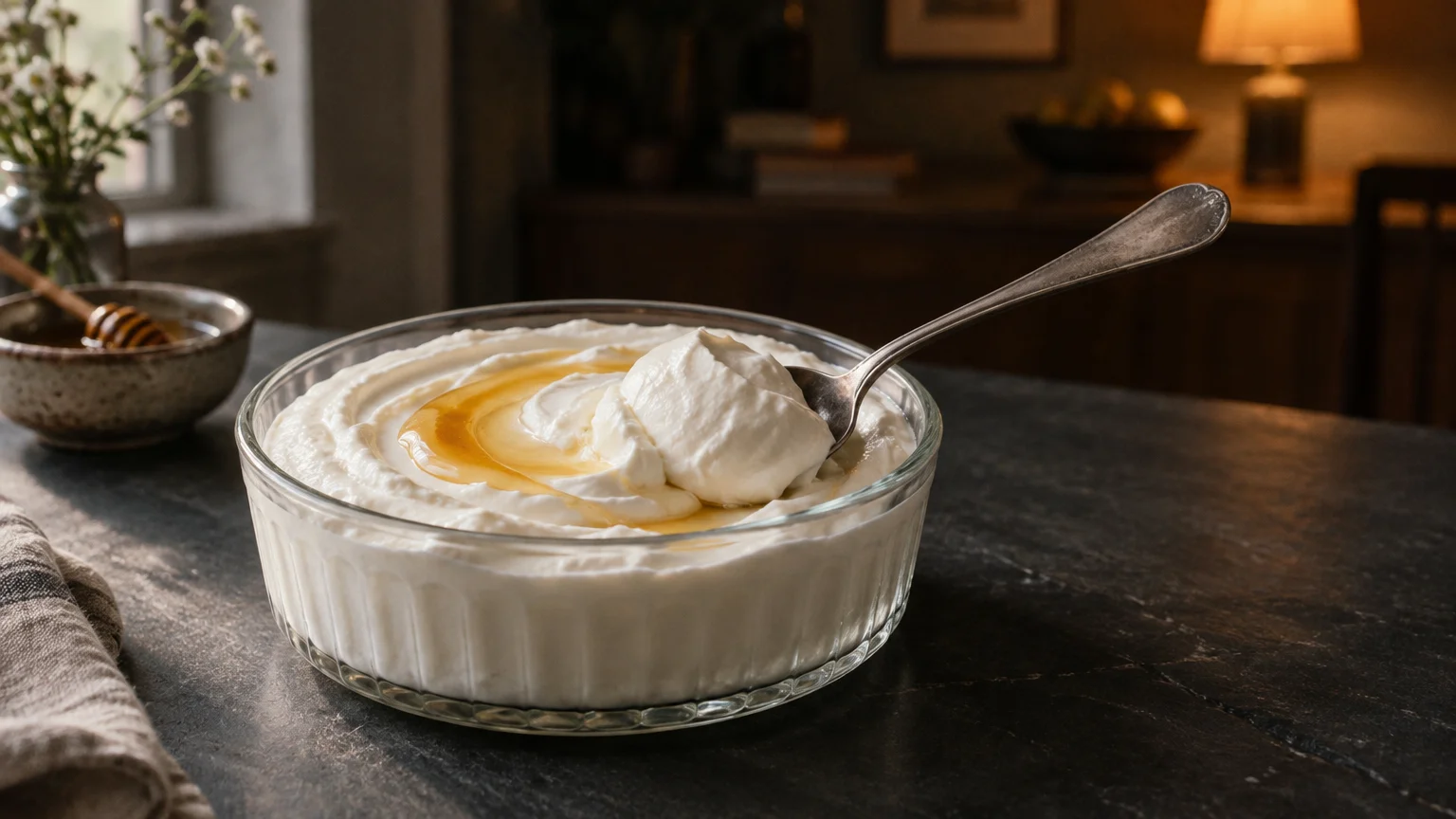
09 Plain Greek Yogurt
Plain Greek yogurt supplies both tryptophan and calcium, which acts as a biochemical catalyst in melatonin production.
Slow-digesting casein protein steadily nourishes your muscles overnight and prevents premature hunger pangs from startling you awake at dawn.
Select plain, unsweetened yogurt to steer clear of added syrups that disrupt restorative deep-sleep architecture. Swirl in a few berries or pumpkin seeds for extra magnesium.

When to Consult a Healthcare Professional
Dietary adjustments can improve mild sleep disruptions, but food alone cannot cure underlying clinical sleep disorders. Nutrition serves as a supportive lifestyle tool rather than a replacement for specialized medical care.
If your sleeplessness persists for three nights a week over three consecutive months, schedule an evaluation with a physician. The Centers for Disease Control and Prevention notes that chronic sleep deprivation raises risks for cardiovascular and metabolic conditions.
You should also seek clinical guidance if you experience chronic loud snoring, gasping for air, or morning headaches. These symptoms frequently indicate obstructive sleep apnea, which requires professional diagnostic testing and treatment.
Frequently Asked Questions
How long before bed should you eat a snack?
Eat your bedtime snack roughly forty-five to sixty minutes before turning out the lights. This window allows your stomach to begin digestion without triggering acid reflux when you lie down.
Can warm milk truly help you fall asleep?
Yes, warm milk provides tryptophan and calcium to support melatonin production. The soothing ritual also engages your parasympathetic nervous system, lowering your heart rate and easing tension.
Do carbohydrates before bed disrupt your sleep quality?
Simple sugars trigger blood glucose crashes that wake you, but complex carbohydrates stabilize nighttime glucose. Modest portions of whole grains also facilitate tryptophan transport into your brain.
Should you take magnesium supplements instead of eating magnesium-rich foods?
Whole foods like almonds provide magnesium alongside synergistic vitamins, fiber, and healthy fats. Consult your doctor before starting supplements, as high doses can cause gastrointestinal distress or interact with prescriptions.
Your Evening Action Step
You do not need to overhaul your entire kitchen routine tonight to feel a difference tomorrow.
Choose one simple option from this list—like a glass of tart cherry juice or two kiwis—and consume it an hour before bed. Pair this choice with a dark, cool room to help your body rediscover restorative rest.