

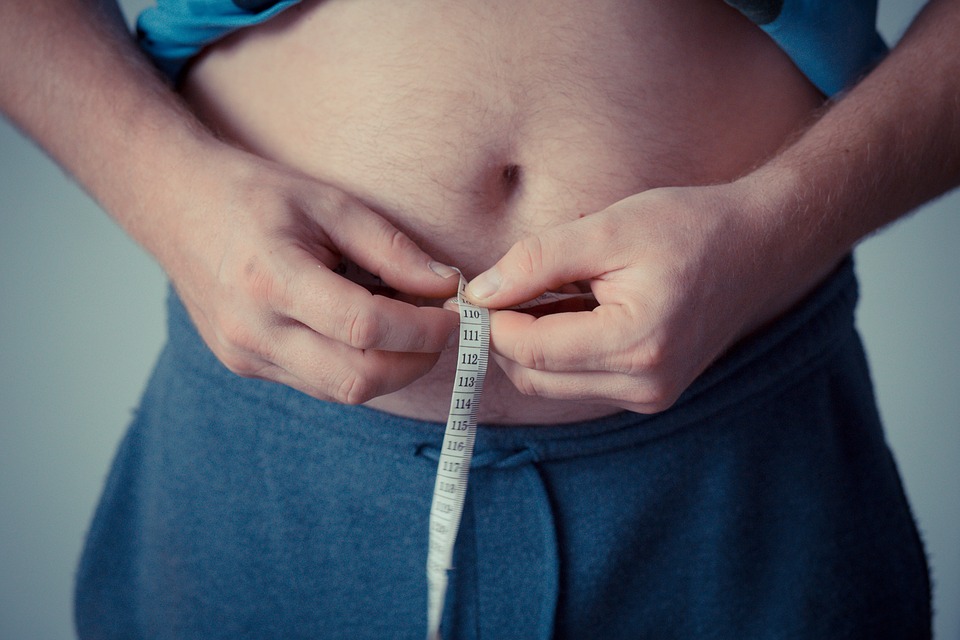
Excess weight around your waistline can be the hardest to lose. But before you beat yourself up over not doing enough crunches at the gym, consider this: As we get older, even a slight disruption in our hormone levels can cause stubborn belly fat to stick.
In fact, new research suggests that postmenopausal women on hormonal replacement therapy have lower levels of belly fat than those that aren’t. But before you rush to your doctor looking to get a prescription for your hormonal belly, there are natural ways to readjust your hormone levels as well. Reducing sugar intake, eliminating processed foods from your diet, and avoiding things like dairy, alcohol, and caffeine can all help reset your blood sugar and insulin levels.
So, how do you know if those love handles are a few extra pounds from bingeing on pizza and wine, or a larger issue? Here are 4 signs your hormones may be to blame.
Your waistline is getting bigger, but you’re eating right
If you’ve had a relatively flat stomach for majority of your life and then suddenly that spare tire appears overnight, it may be a sign you’ve developed a hormonal belly. “As we age, the body can become more insulin-resistant, driving your body to store fat instead of burning it off,” explains Sara Gottfried, MD, author of The Hormone Cure and The Hormone Reset Diet.
“Women also become more estrogen-dominant as we move into perimenopause and beyond. Estrogen dominance promotes insulin resistance, which causes the belly fat build up,” she says.
You’ve been craving a lot of sugar
According to Dr. Gottfried, insulin resistance can have some secondary effects on other important hormones as well. “Insulin resistance can have a knock-on effect on leptin. Leptin is the hormone that alerts your body when you’re full, but elevated insulin levels eventually lead to elevated leptin, as well,” she explains.
“Elevated leptin, despite what you may think, does not mean you are more likely to put down your fork and stop eating. Consistently elevated leptin levels can lead to a dysfunction of leptin receptors,” Dr. Gottfried says. These receptors stop sending signals to the brain to tell you to stop eating. As a result, you do the exact opposite of what leptin is designed to control, and you continue to eat, never receiving the signal to stop.
You’re constantly stressed
Another major player in the hormonal belly fat game is cortisol. Often referred to as the stress hormone, cortisol levels increase when your body senses you’re stressed out or anxious, which can lead to stubborn weight gain.
According to Jacqueline Montoya, MD, a board-certified emergency medicine and critical care physician and owner of GreenMed MD, this is because the body goes into survival mode. “High levels of stress and anxiety can send the body into survival mode which increase our cortisol levels and signals the body to store more fat,” she explains.
You experience mood swings
As women enter the pre- and post-menopausal years, their estrogen levels fluctuate often, which can lead to mood swings and stubborn weight gain around the midsection. According to a University of Wisconsin study, this is why women are at a higher risk to develop mood disorders than men.
The study found that estrogen levels in women fluctuate most often during reproductive cycle events and menopausal transitions. This is also the time that most women reported the onset of depression or recurrent depression.
Estrogen levels fluctuate naturally during menopausal bodily changes, which can cause mood swings and lead to weight gain. That is why Dr. Gottfried says not to blame yourself for excess weight gain. “If you’re struggling to lose excess weight with no success, don’t blame it on a lack of willpower or self-discipline. Most likely your hormones have turned against you,” she says.