

Search
Close this search box.
Search
Close this search box.

15 Crazy Facts About Your Blood Type

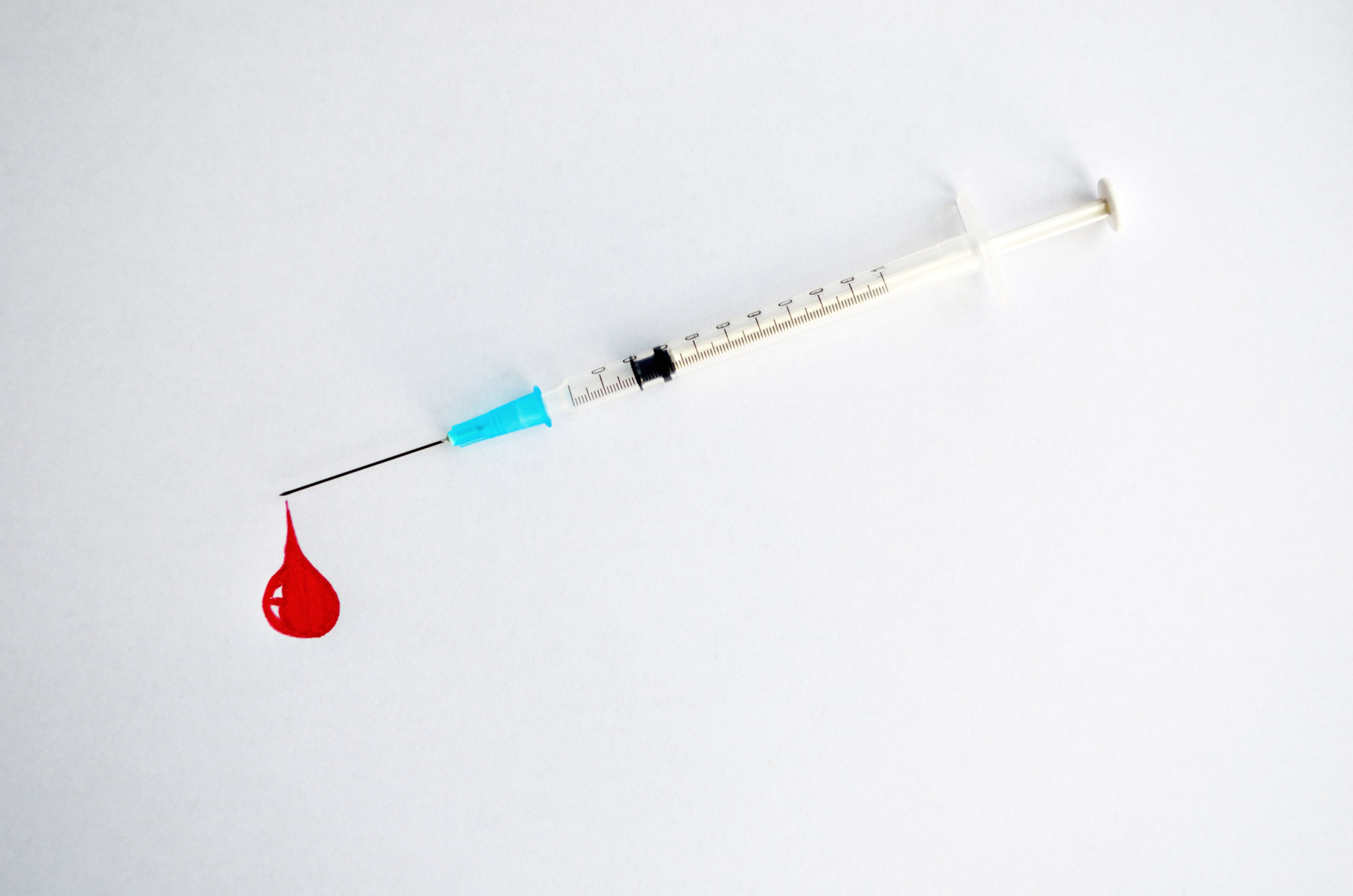
Memorizing your blood type is critical for all sorts of reasons, from knowing who you can accept blood transfusions from to who you can donate your blood to. And now, as doctors and scientists do increasingly more research on how a person’s blood type can affect their health, there’s even more of an incentive to pay attention to whether you’re A, B, AB, or O—and whether you’re positive or negative, too.

For example, recent studies have found that a person’s blood type can mean anything from an increased risk of depression to a higher likelihood of developing diabetes. Curious about what your own blood type means? Check out this article!

1 234 ... 16NEXT
Facebook
Twitter
WhatsApp
Pinterest
Reddit
LinkedIn
Facebook
Twitter
WhatsApp

Leave a Comment

Your email address will not be published. Required fields are marked *

READ NEXT

10 Subtle Signs of Mono You Shouldn’t Ignore

The virus responsible for infectious mononucleosis (commonly known as mono) affects about 90 percent of the population worldwide, and most commonly strikes teenagers and young adults ages 15 to 30.

15 Signs of Diabetes to Watch Out For

While diabetes is manageable, it can shorten your life considerably. It can also up your risk of things like blindness, heart attack, and even loss of a foot. Check out

7 Appendicitis Symptoms You Shouldn’t Miss

Belly-button pain Appendicitis pain often occurs in the lower-right side of the abdomen. The first sign, however, is typically discomfort near the belly button, which then moves to the lower

4 Foods That Help Lower High Blood Pressure

Blood pressure is the measure the pressure of the blood within the circulatory system. Healthy or normal blood pressure is characterized as more than 120 over 80 and less than

Why Are My Feet Always Cold?

Many people will experience cold feet at some point in their lives and there are many causes of this issue. Changes in temperature or lifestyle choices are some of the

Hernias: Everything You Need to Know

A hernia happens when an organ pushes through an opening in the muscle or tissue that holds it in place. For example, the intestines may break through a weakened area

7 Easy Ways to Boost Your Protein Intake

How’s your protein intake? Low, high, enough? If you’re unable to come up with a clear answer, maybe it’s because you are unaware of the Recommended Daily Intake (RDI). Most

Scroll to Top