

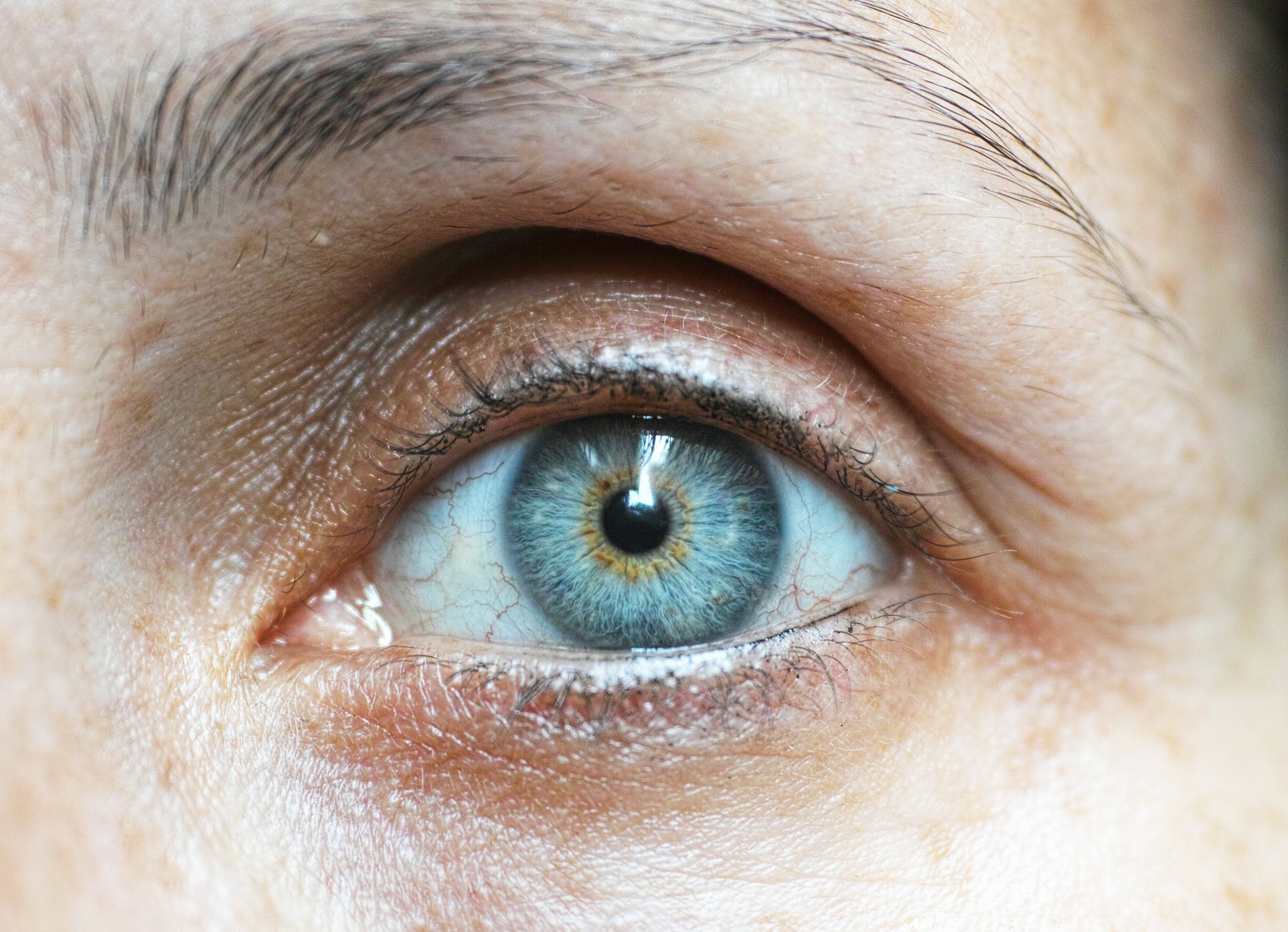
Honestly, we’re all guilty of at least one or two shady ocular habits. But how bad is it, really, to leave your sunglasses at home on a sunny day, or to hop into the shower with your contact lenses in when you’re pressed for time?
The truth is, even actions that seem completely harmless can be doing your eyes more damage than you might realize, says Thomas Steinemann, M.D., a clinical spokesperson for the American Academy of Ophthalmology.
“When it comes to your vision, prevention is key,” he explains. “All it takes to prevent major problems is to take a few small, simple, easy steps up front. If you don’t do them, you can end up with problems that aren’t so easy to fix-and can even cause blindness down the road.”
Going out sans sunglasses
People are often less diligent about wearing sunglasses in the winter than in the summer, but UV rays still reach the ground this time of year. In fact, they can also reflect off snow and ice, increasing your overall exposure.
Why that’s a problem for your eyes: “UV light can cause melanomas and carcinomas on the eyelids, and UV exposure is known to increase your risk of issues like cataracts and macular degeneration,” says Christopher Rapuano, M.D., chief of cornea services at the Wills Eye Hospital in Philadelphia.
Look for sunglasses that promise to block at least 99 percent of UVA and UVB rays, and wear them all the time, even on cloudy days.
Rubbing your eyes
You probably won’t be struck blind from trying to dislodge a stray eyelash or dust particle, but if you’re a regular rubber, there’s reason to break the habit, says Rapuano. “Chronically wiping or rubbing your eyes increases your chances of keratoconus, which is when the cornea becomes thin and pointy, distorting your vision,” he explains. It can even require surgery. His advice? Keep your hands away from your face, and use artificial tears or just tap water to flush out irritants.
Using anti-redness eye drops
As a once-in-a-while thing (to nix allergy-induced ruddiness, for instance), using these drops-which work by constricting blood vessels in the eye to reduce the appearance of redness-won’t hurt you. But if you use them daily, your eyes essentially become addicted to the drops, says Rapuano.
You’ll start to need more and the effects will last for less time. And while the rebound redness itself isn’t necessarily harmful, it may distract from whatever was triggering the irritation to begin with. If an infection was the culprit, delaying treatment in favor of drops can be dangerous.
Rapuano says to go ahead an use anti-redness drops if you need to whiten your whites, but to lay off them and see your eye doctor about redness that lasts more than one or two days at a time.
Showering in your contact lenses
All water-from the faucet, the pool, the rain-has the potential to contain acanthamoeba, says Steinemann. If this amoeba gets on your contacts, it can transfer to your eye where it can eat away at your cornea, ultimately leading to blindness.
If you leave your lenses in to shower or swim, disinfect them or toss them and put in a new pair after getting out of the water. And never use tap water to rinse your lenses or their case.
Sleeping in your contact lenses
“Sleeping in contact lenses increases your risk of infection between five and 10 times,” says Steinemann. That’s because when you sleep in your lenses, any germs that do find their way onto your contacts are held against your eye for longer, making them more likely to cause problems.
The decreased airflow that comes with long-term contact wear also reduces the eye’s ability to fight infection, adds Steinemann. There’s no shortcut here-just stash your lens case and contact solution somewhere you’ll see it before turning in to encourage you to go to bed bare-eyed.