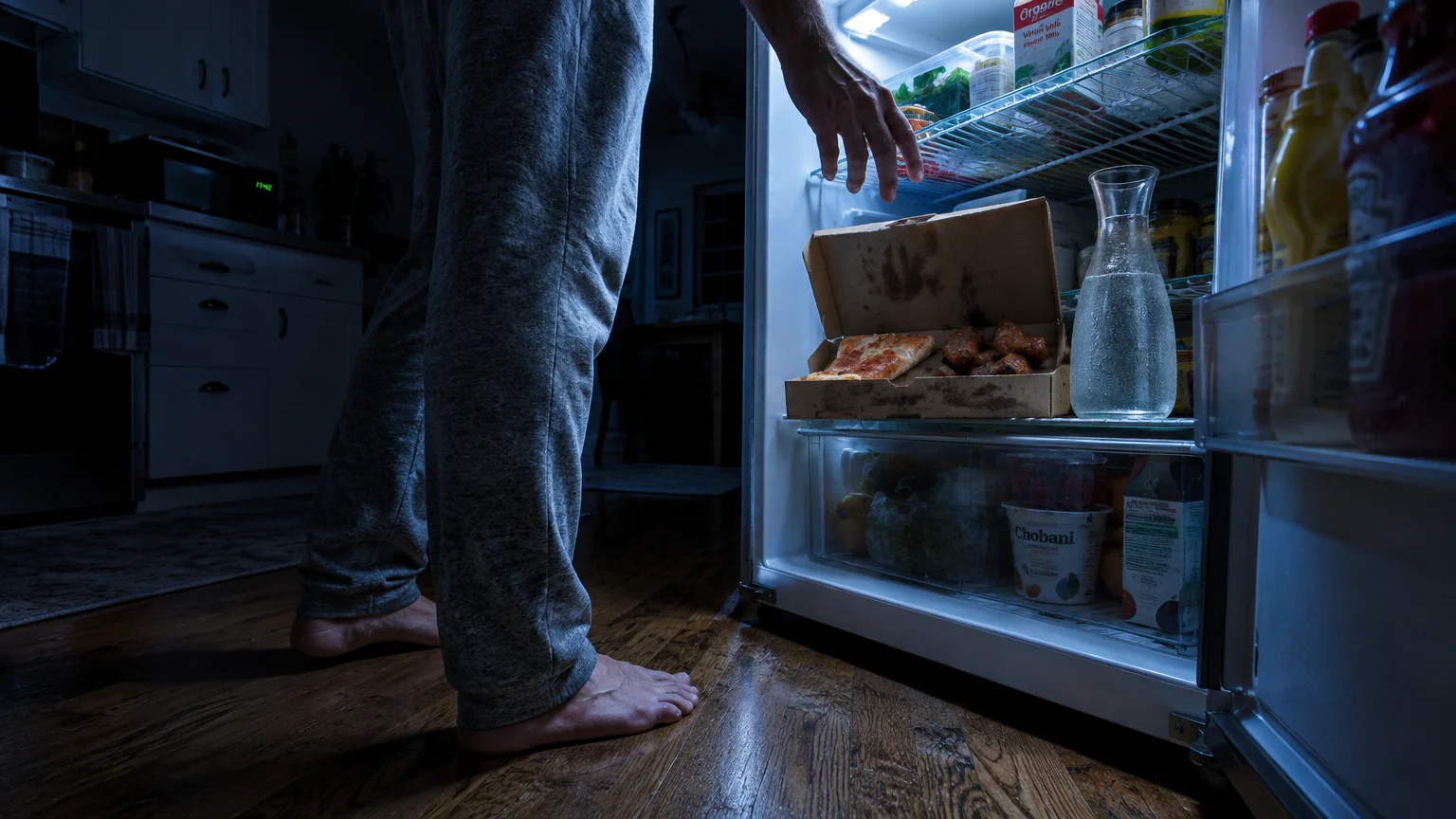
Late-night snacking often sabotages deep rest by triggering acid reflux and fragmenting your sleep cycles. Adjusting your evening plate tonight will help you fall asleep faster and wake up feeling restored.
When your stomach works overtime to break down heavy ingredients, your internal temperature stays elevated. This heat directly conflicts with your body’s natural circadian drive toward deep, restorative slumber.
Cutting out specific disruptive dietary ingredients protects your digestive tract from nocturnal irritation. You can easily safeguard your overall sleep architecture by avoiding eight common evening triggers.
How Digestion Alters Your Sleep Architecture
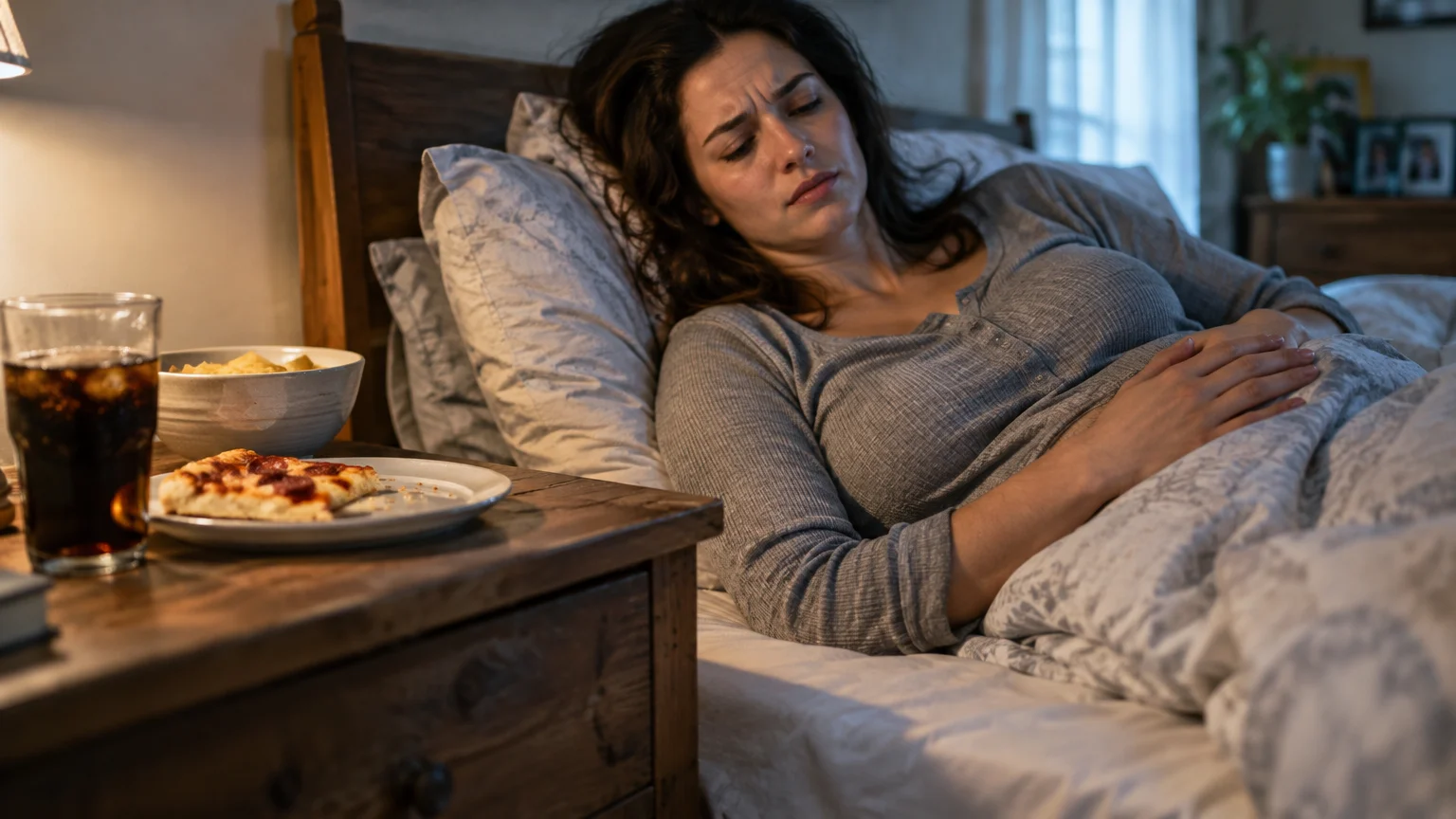
Your body requires a drop in core temperature to initiate and maintain sleep. Digestion demands metabolic energy, which keeps your internal temperature higher than optimal.
Late night eating also interferes with your natural circadian rhythm. The National Institute of Neurological Disorders and Stroke notes that cellular clocks throughout your organs respond directly to metabolic cues like food intake.
Eating at the wrong biological time desynchronizes your liver and stomach clocks from your brain’s master clock. This internal mismatch fragments slow-wave deep sleep and suppresses vital restorative processes.
Lying down during active digestion also encourages gastric juices to escape into your esophagus. This mechanical failure causes uncomfortable burning and sudden nocturnal awakenings.
Eight Foods and Drinks to Avoid Before Bed
In this article8 items
High-Fat and Fried Foods
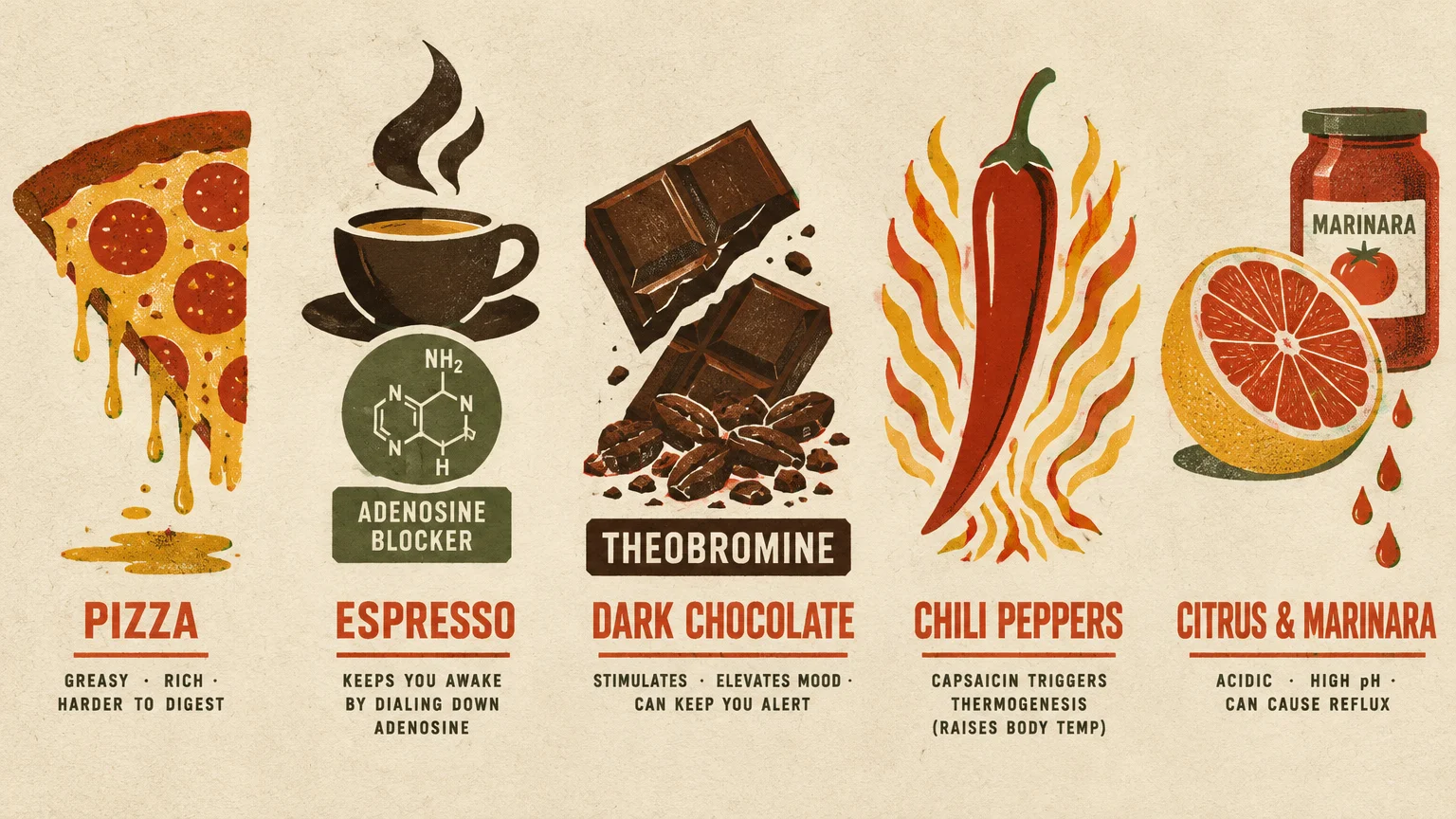
Greasy meals like burgers, pizza, and french fries digest very slowly. They force your stomach to churn for hours after you turn off the bedroom lights.
Heavy fats also relax your lower esophageal sphincter, which allows stomach acid to creep upward. This relaxation makes post-dinner indigestion and heartburn at night far more likely.
Caffeinated Coffee, Tea, and Sodas
Caffeine blocks adenosine, the brain chemical responsible for building your biological sleep drive throughout the day. Without adenosine accumulation, your brain struggles to initiate the transition into natural drowsiness.
The stimulant lingers in your bloodstream for several hours after your last sip. According to the U.S. Food and Drug Administration, caffeine carries an average half-life of roughly four to six hours.
Dark Chocolate
Dark chocolate offers beneficial antioxidants, but it packs a surprising stimulant punch. It contains both residual caffeine and theobromine, an alkaloid compound that elevates your heart rate.
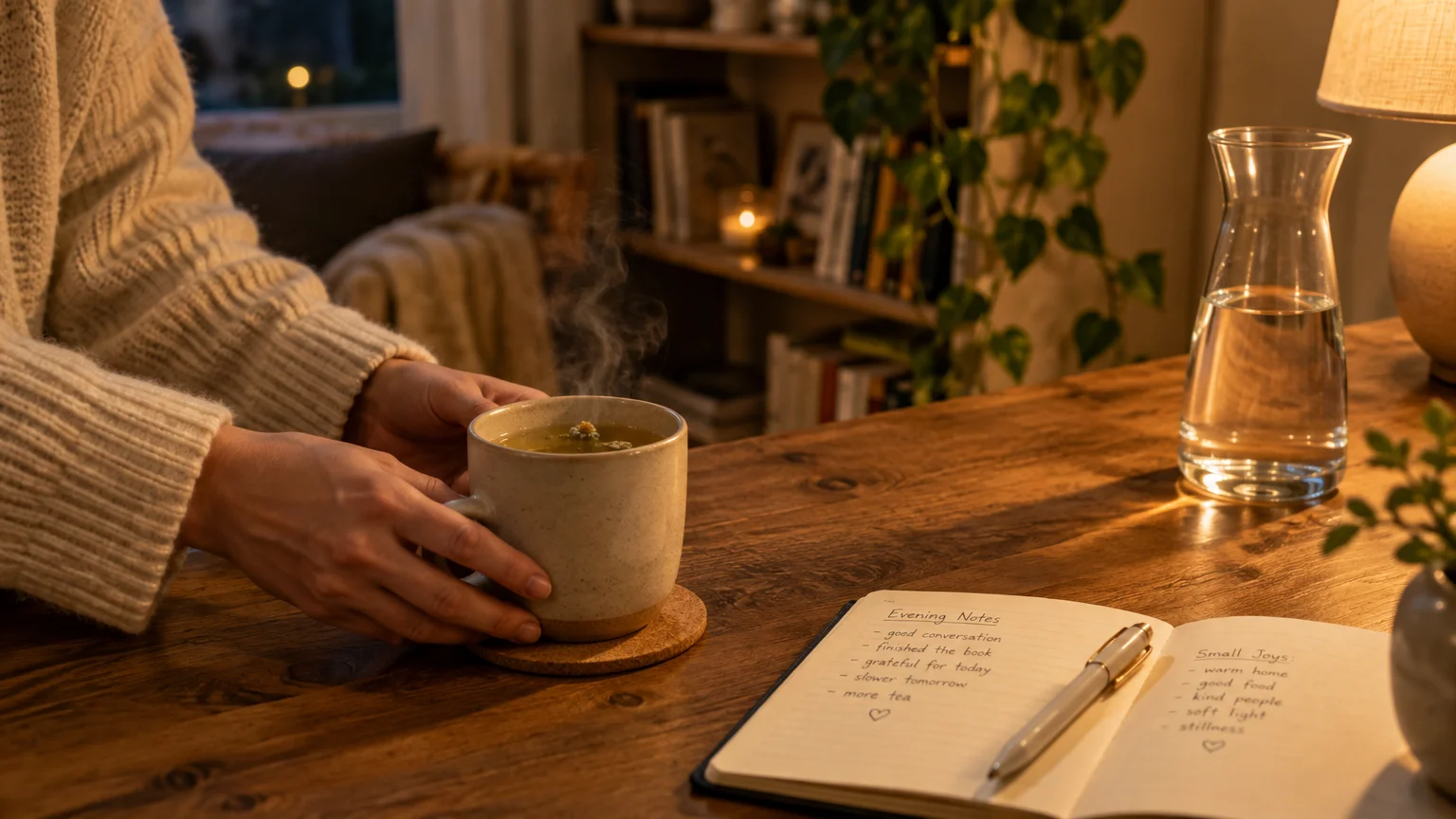
Nibbling on rich cocoa treats right before bed can easily leave you tossing and turning. Choose a warm mug of unsweetened chamomile tea instead to soothe your nervous system.
Spicy Dishes and Hot Sauces
Spicy curries, chili peppers, and hot wings frequently provoke acute gastrointestinal distress. The active compound, capsaicin, irritates the stomach lining and slows the overall digestive process.
Capsaicin also elevates your core body temperature during the early hours of rest. That thermal spike disrupts sleep maintenance and can induce vivid, stressful dreams.
Citrus Fruits and Tomato Products
Grapefruits, oranges, marinara sauce, and salsa contain significant levels of natural acids. These acidic foods to avoid before bed irritate the esophagus when you assume a horizontal posture.
The National Institute of Diabetes and Digestive and Kidney Diseases identifies acidic foods as primary culprits for nighttime gastroesophageal reflux. Reserve these bright, acidic ingredients for breakfast or midday meals instead.
Alcohol and Nightcaps
A cocktail or glass of wine may help you fall asleep initially due to sedative properties. However, alcohol metabolizes quickly and severely fragments your rapid eye movement (REM) sleep later in the night.
Alcohol also relaxes your throat muscles, which exacerbates snoring and airway obstruction. You will likely wake up parched, restless, and unrefreshed before dawn.
Sugary Desserts and Refined Carbohydrates
Cookies, pastries, and candy bars trigger rapid spikes in your circulating blood glucose. Your pancreas responds by releasing insulin, which causes a sharp midnight crash.
These sudden drops in blood sugar prompt your body to secrete stress hormones like cortisol and adrenaline. Those alerting hormones jolt you awake in the middle of the night.
High-Sodium Processed Snacks
Chips, pretzels, and cured meats contain excessive amounts of dietary salt. Highly salted snacks pull fluid from your cells and provoke intense nighttime thirst.
The resulting dehydration forces you to wake up for water, which subsequently fills your bladder. Broken sleep cycles and frequent bathroom trips ruin your overall sleep efficiency.
Practical Steps for Better Evening Digestion
Timing your final meal correctly protects your rest just as much as eliminating trigger foods. Finish your dinner two to three hours before lying down to give your stomach ample processing time.
If genuine hunger strikes late in the evening, choose a light snack pairing complex carbohydrates with protein. A small bowl of plain Greek yogurt or a sliced banana provides satiety without overloading your stomach.
The Centers for Disease Control and Prevention emphasizes that consistent meal and bedtime schedules reinforce strong circadian rhythms. Keep your dining routine regular across every day of the week.
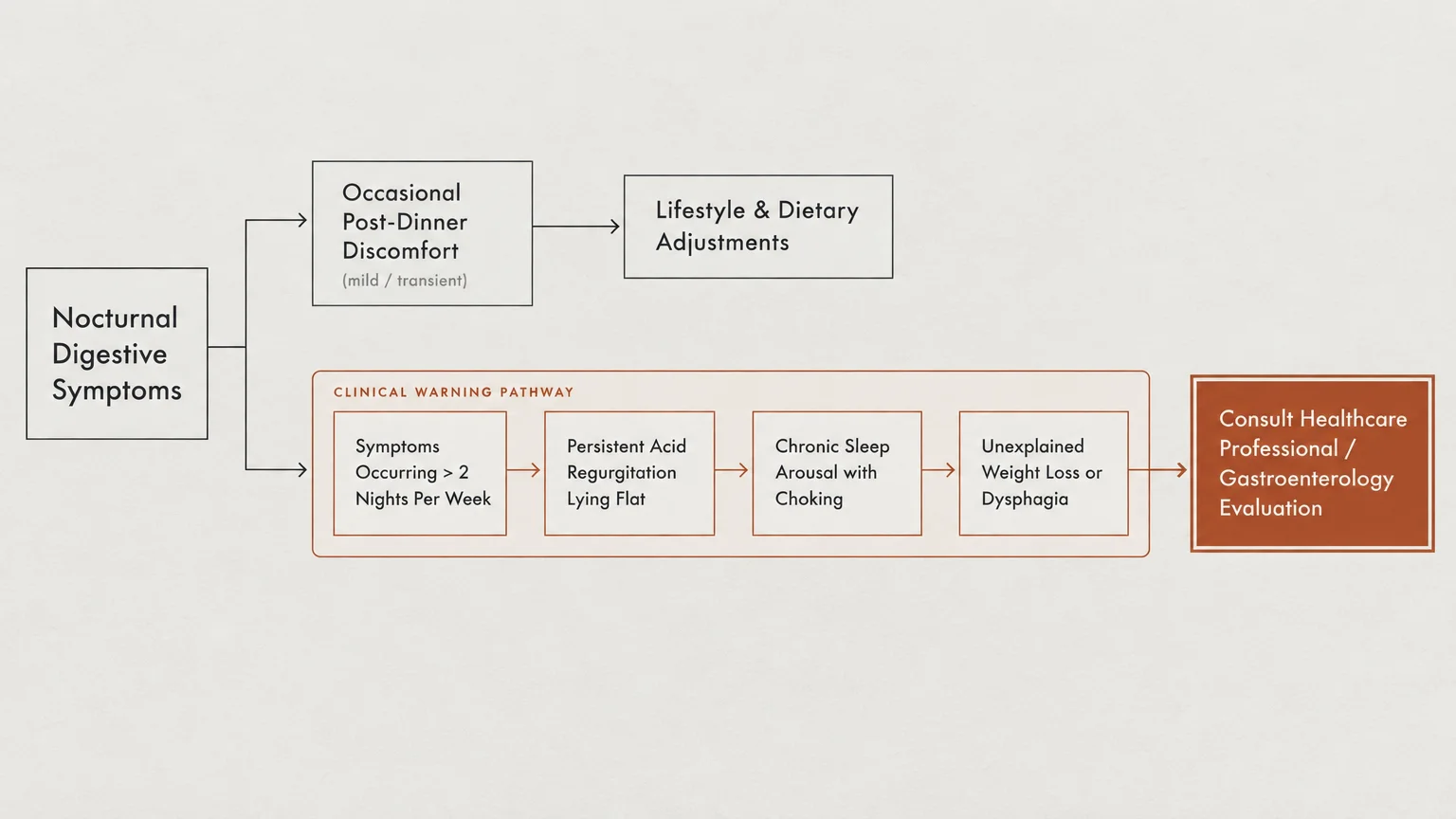
When Nighttime Symptoms Require Medical Care
Dietary adjustments resolve many sleep complaints, but they cannot cure clinical disorders. You should consult a physician if you experience persistent heartburn at night despite changing your evening menu.
Frequent acid exposure can damage your esophageal lining over time. Seek professional medical evaluation if your acid reflux occurs more than twice a week.
Similarly, speak with a sleep specialist if you wake up gasping, choke during sleep, or endure chronic insomnia lasting over three months. These symptoms often signal underlying medical conditions like obstructive sleep apnea.
Frequently Asked Questions
How long should I wait to sleep after eating?
Wait at least two to three hours after a full meal before heading to bed. This window allows your stomach to clear most food and lowers reflux risk.
Can I drink water right before bed?
Sip small amounts of water if you feel thirsty, but avoid chugging full glasses. Excessive fluids right before sleep cause midnight awakenings for bathroom trips.
What is the safest late-night snack for sensitive stomachs?
A few whole-grain crackers with almond butter or a small handful of walnuts works well. These options deliver calming minerals without triggering excess stomach acid.
Does warm milk actually help you sleep?
Warm milk contains tryptophan, an amino acid your body uses to produce melatonin. The psychological comfort of a warm beverage also promotes relaxed bedtime readiness.
One Small Change for Tonight
Review your dinner plans and close the kitchen two hours before your scheduled bedtime. Giving your digestive system an uninterrupted break tonight is the fastest path to deeper sleep tomorrow.