Medicare Caregiver Training Services Under Part B
If you lack access to a GUIDE provider, you can still receive meaningful support. Medicare offers Caregiver Training Services (CTS) nationwide as a permanent benefit under standard Medicare Part B.
Under regulations established by CMS in 2024 and expanded in 2025, Medicare reimburses licensed clinicians to train family caregivers. This benefit teaches practical, hands-on care techniques to support an adult relative.
Most importantly, clinicians can bill Medicare for these training sessions even when the patient is not physically present. You can speak frankly with professionals about behavioral challenges without causing emotional distress for your loved one.
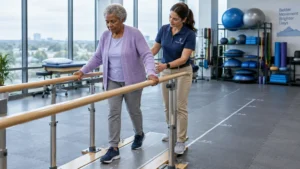
Eligible providers include physical therapists, occupational therapists, and speech-language pathologists, as well as physicians, nurse practitioners, and clinical nurse specialists.
Covered Skills and Billing Codes
Therapists use Current Procedural Terminology (CPT) codes 97550, 97551, and 97552 to bill for individual or group sessions. In 2025, CMS added Healthcare Common Procedure Coding System (HCPCS) codes G0541 through G0543 for broader behavioral instruction.
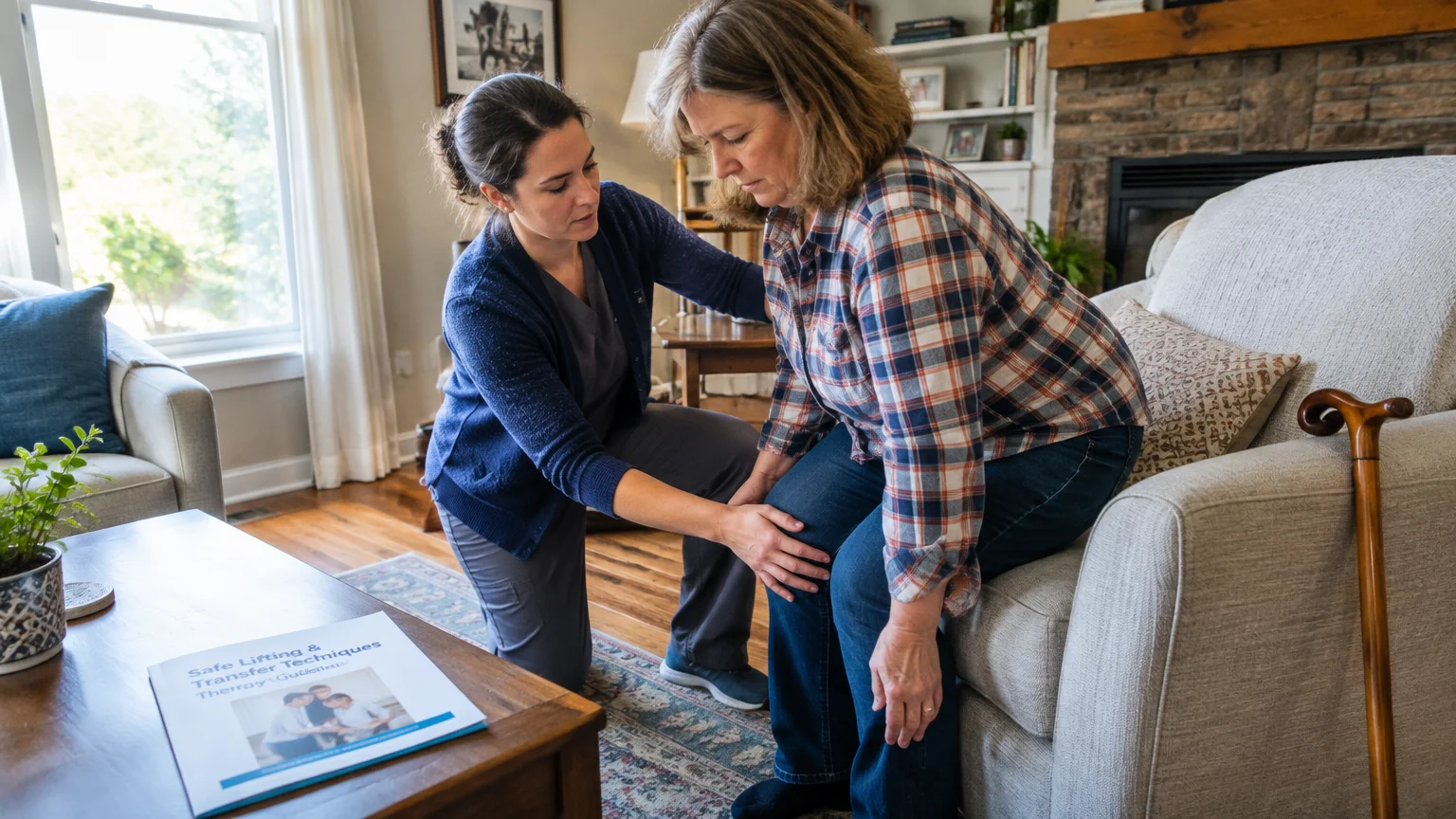
These sessions teach daily living activities like dressing, bathing, and feeding. Therapists demonstrate proper body mechanics for transferring your loved one safely and avoiding falls.
Training also covers non-pharmacological techniques for managing behavioral disturbances such as sundowning, agitation, wandering, and aggression. Clinicians can instruct you on complex medication schedules and infection control protocols.
To qualify for Part B caregiver training, instruction must be medically necessary and part of the patient’s active treatment plan. The patient or their legal healthcare proxy must give formal consent before sessions begin.
Unlike the GUIDE pilot, standard Medicare Part B cost-sharing rules apply to Caregiver Training Services. You are responsible for the standard 20% Part B coinsurance after meeting your annual deductible, unless supplemental insurance covers it.
A Worked Example: How Training Helps
Consider David, who cares for his 78-year-old mother, Martha. Martha lives with moderate Alzheimer’s disease and recently began resisting evening showers, creating safety hazards and frustration.
Martha’s physician referred David to an outpatient occupational therapist for caregiver training under Part B. David attended two 45-minute training sessions alone while a neighbor stayed with Martha.
The occupational therapist taught David how to modify the bathroom, adjust water temperature cues, and use short, calming verbal prompts. These practical strategies eliminated bath-time struggles and kept Martha safe.
Because Martha has Original Medicare and a Medigap policy, her supplemental plan covered the 20% Part B coinsurance. David acquired practical caregiving skills with zero out-of-pocket costs.