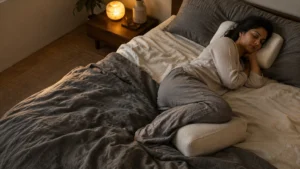
Scheduling your workouts around your body’s internal clock can transform fragmented tossing and turning into restorative rest. You can fall asleep faster tonight simply by aligning your exercise intensity with the right time of day.
While conventional advice often warns against evening fitness, modern research reveals that you do not need to abandon after-work workouts. Success comes down to timing and intensity.
By learning how movement shifts your core temperature and nervous system, you can easily protect your sleep schedule while staying physically fit.
How Physical Activity Regulates Your Sleep Architecture
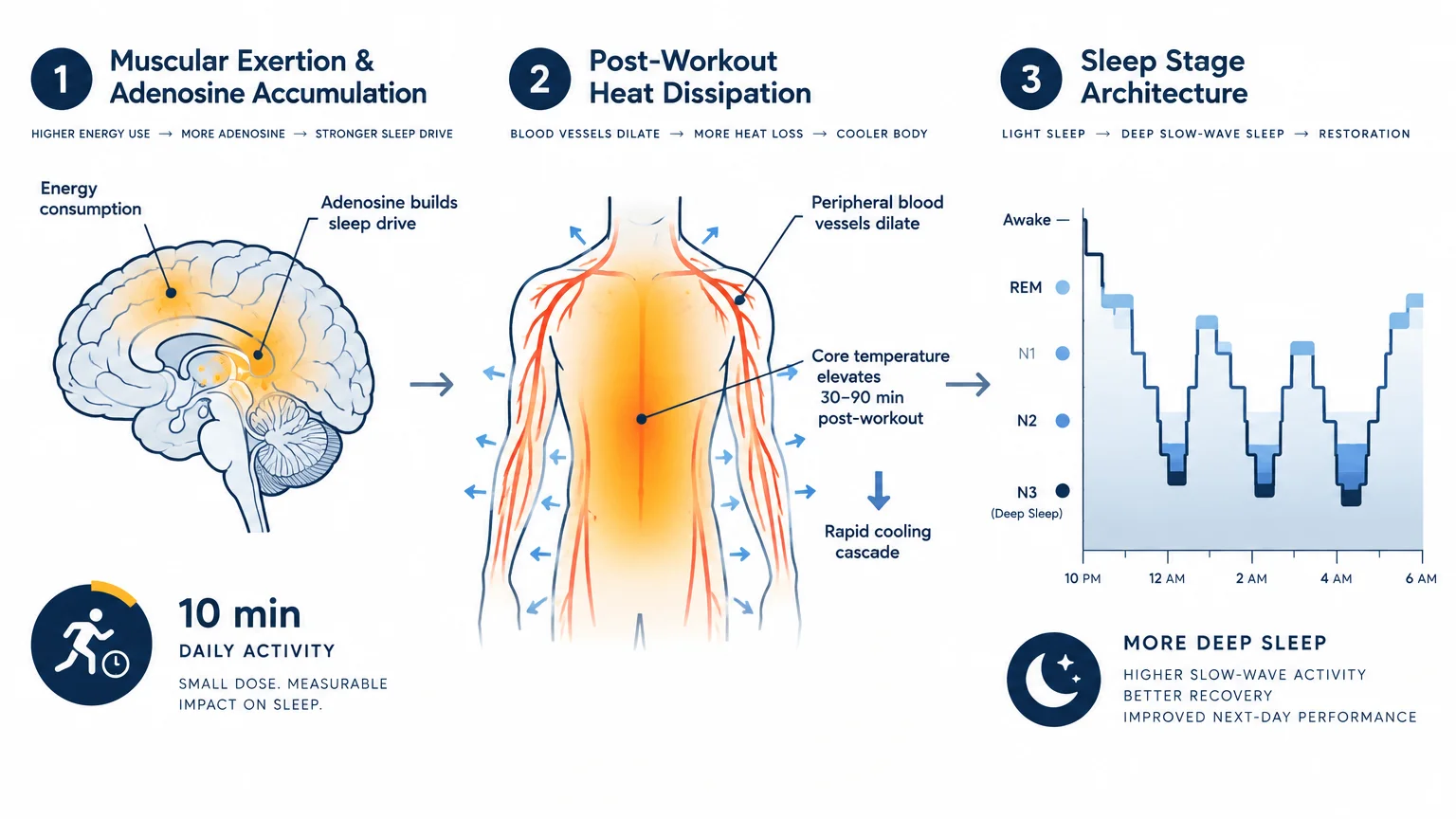
Moving your body builds up homeostatic sleep drive throughout the day. This biological pressure accumulates as your brain consumes energy and produces adenosine.
A 2025 study from the University of Texas at Austin published in the Journal of Physical Activity and Health confirmed this mechanism. Even ten minutes of daily physical activity significantly increases restorative deep sleep early in the night.
Physical activity also directly influences your circadian rhythm through core body temperature. During exertion, working muscles generate heat that elevates internal temperature for 30 to 90 minutes post-workout.
As blood vessels dilate to release this heat, core temperature drops rapidly. This cooling process mimics your body’s natural nocturnal cycle, signaling to your brain that it is time to sleep.
According to the National Institutes of Health, this biological cooling cascade plays a critical role in facilitating smooth transitions between sleep stages.
Morning Workouts vs. Evening Training: What the Science Shows
Many athletes wonder whether morning sessions provide superior rest compared to evening training. Medical evidence indicates both options offer distinct advantages for nightly recovery.
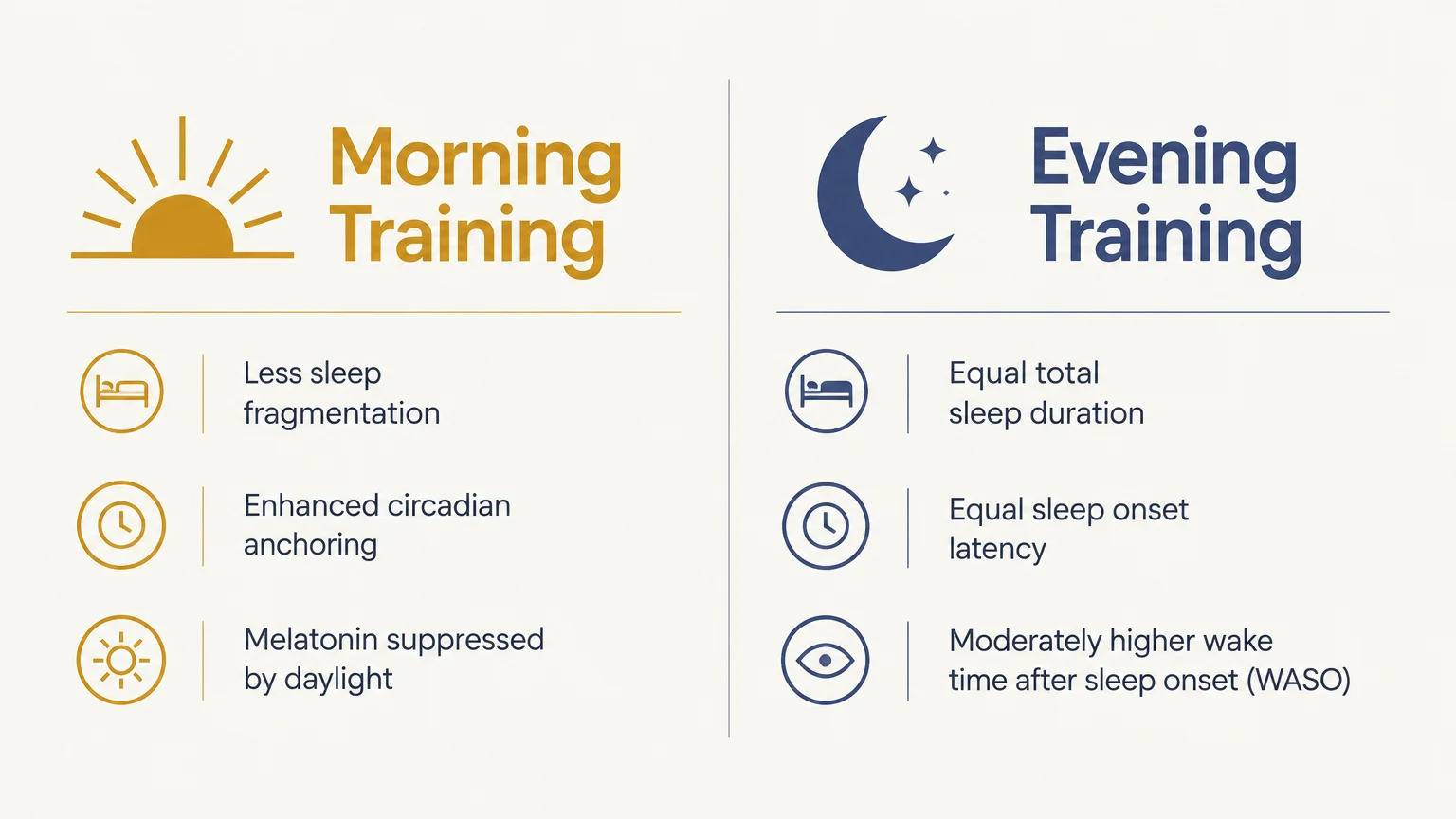
An August 2026 meta-analysis published in Sleep Medicine Reviews analyzed 25 comparative studies and 16 randomized controlled trials. The researchers found no significant differences between morning and evening exercise regarding total sleep duration or sleep onset latency.
However, researchers noted that evening workouts produced moderately more wake time after sleep onset. Morning exercisers experienced less sleep fragmentation and better continuity throughout the night.
Morning workouts also provide early daylight exposure, which reinforces your circadian rhythm. As noted by the Centers for Disease Control and Prevention, early natural light suppresses melatonin production and helps establish consistent nocturnal sleep patterns.
If you struggle with waking up frequently during the night, shifting vigorous workouts to morning hours may stabilize your sleep continuity.
The Four-Hour Window for Strenuous Exercise
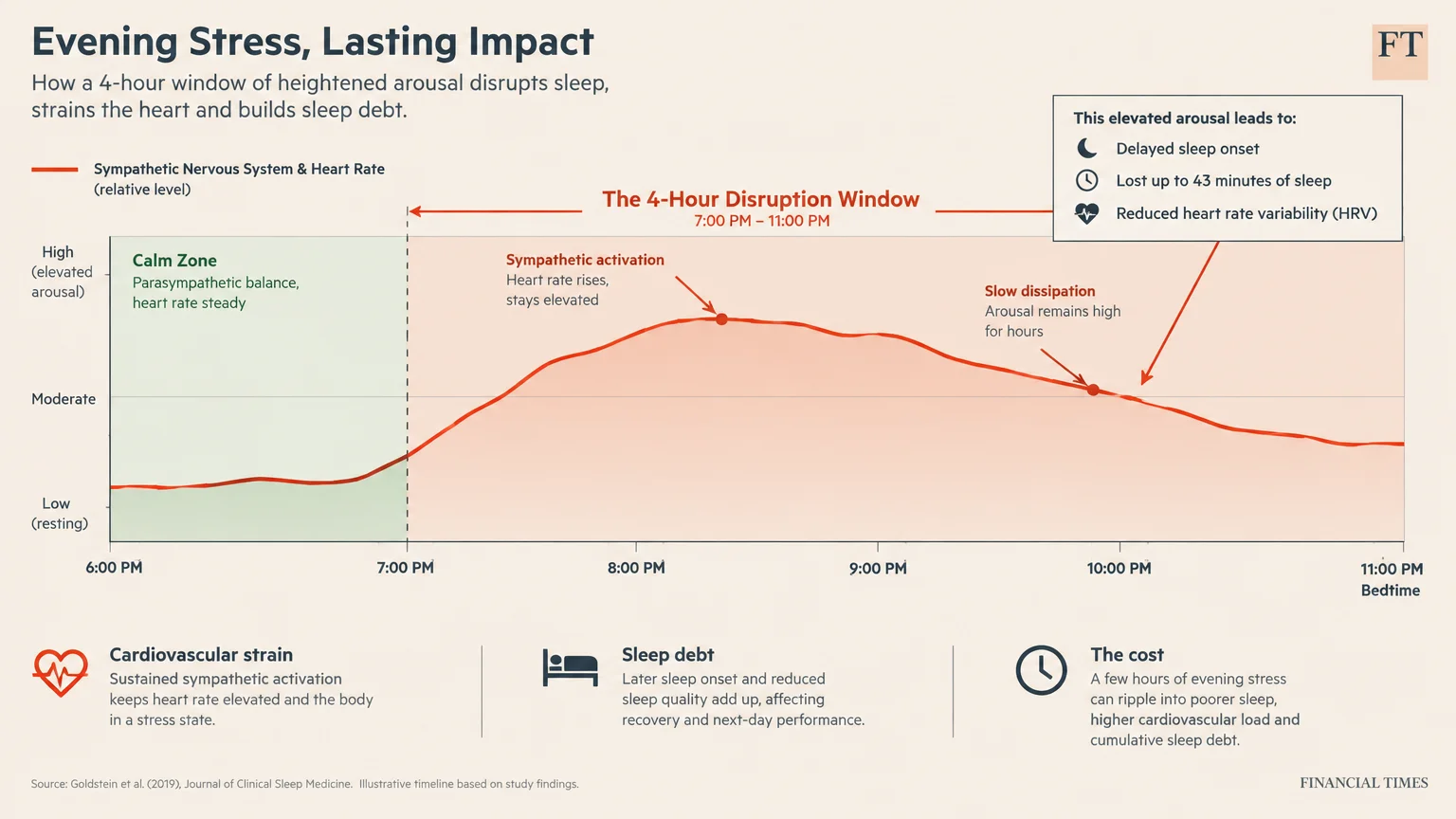
If your schedule permits only evening workouts, session intensity dictates your sleep outcome. High-strain workouts trigger significant sympathetic nervous system activation that takes hours to subside.
An April 2025 study led by Monash University and published in Nature Communications tracked biometric wearable data across more than four million person-nights. The researchers examined the direct physiological impact of late-night physical strain.
The data revealed that strenuous workouts ending within four hours of bedtime severely disrupt sleep architecture. Participants experienced delayed sleep onset and lost up to 43 minutes of sleep duration on intense nights.
These strenuous late sessions also produced elevated nocturnal resting heart rates and reduced heart rate variability. The cardiovascular system remains under stress when high-intensity exercise occurs too close to bedtime.
Crucially, the Monash University study found that workouts completed four or more hours before bedtime showed zero negative impact on sleep metrics. Finishing intense training early gives your nervous system sufficient time to downshift into parasympathetic recovery.
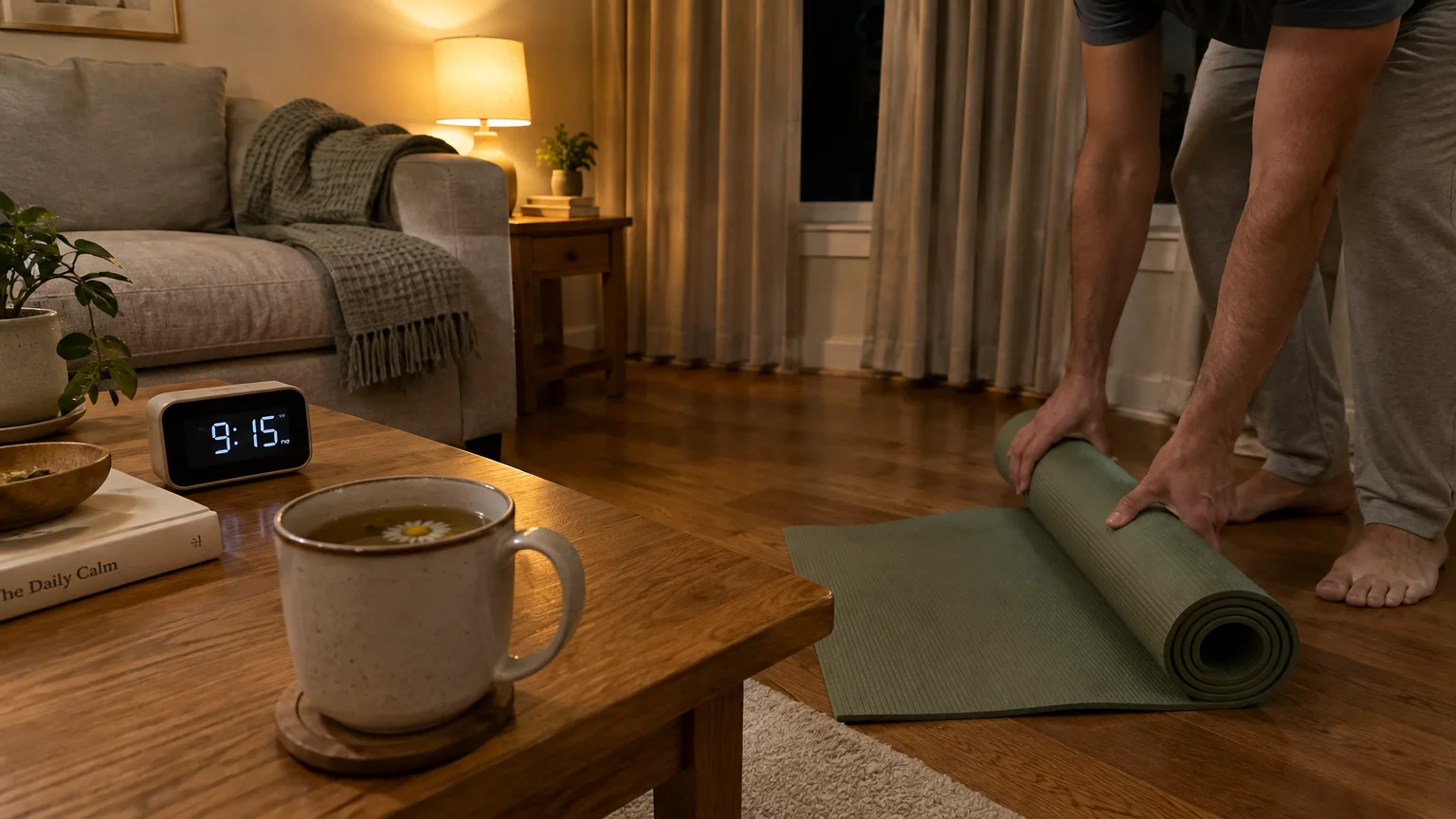
Late Evening Exercise: The 60-to-90-Minute Rule
You do not need to avoid the gym entirely if you can only train late at night. Modifying workout intensity allows you to exercise without sabotaging sleep quality.
Controlled clinical trials show that light-to-moderate exercise does not disrupt sleep continuity. In fact, moderate physical activity can slightly increase deep slow-wave sleep if you finish at least 90 minutes before bedtime.
In contrast, vigorous exercise ending within one hour of bedtime consistently delays sleep onset and lowers overall sleep efficiency. Heart rate and core temperature cannot normalize quickly enough when vigorous exertion happens right before lights out.
If you must work out within two hours of sleeping, choose low-impact options like light cycling, mobility drills, or gentle resistance work. Keep your heart rate moderate and avoid exhaustion.
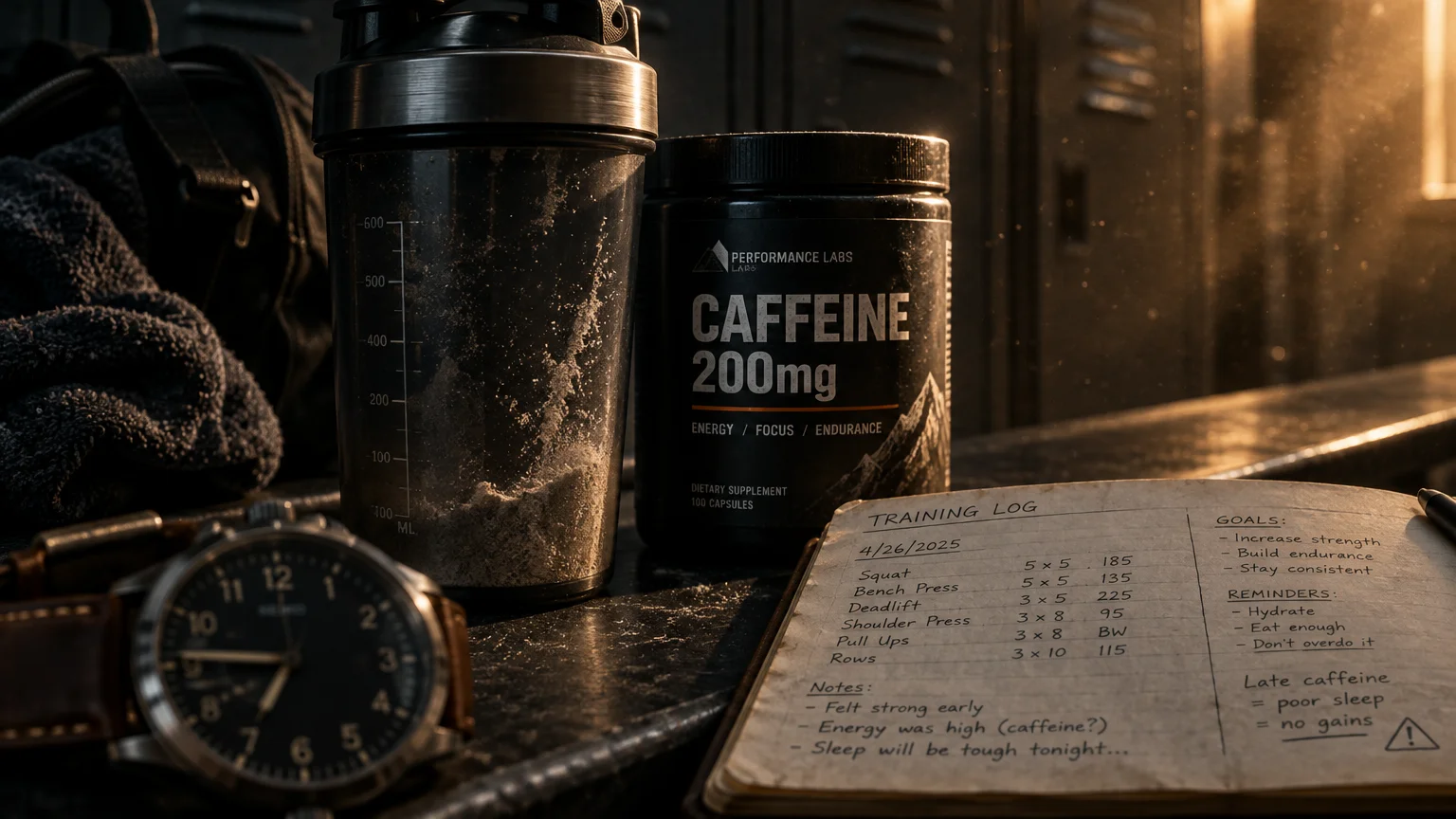
Beware of Evening Pre-Workout Caffeine
Often, poor sleep after an evening workout is not caused by physical exertion. Pre-workout supplements and caffeinated energy drinks are frequently the true culprits behind nighttime insomnia.
Caffeine has an average half-life of five to six hours in the human body. Consuming a caffeinated pre-workout drink at 6:00 p.m. or 7:00 p.m. means roughly half of that stimulant remains active in your bloodstream at midnight.
Circulating caffeine blocks adenosine receptors in your brain, preventing natural biological sleepiness. It also elevates nighttime heart rates and delays transition into restorative deep sleep stages.
Skip stimulants entirely for exercise sessions scheduled in the afternoon or evening. Hydrate with water and electrolytes instead to protect your sleep architecture.
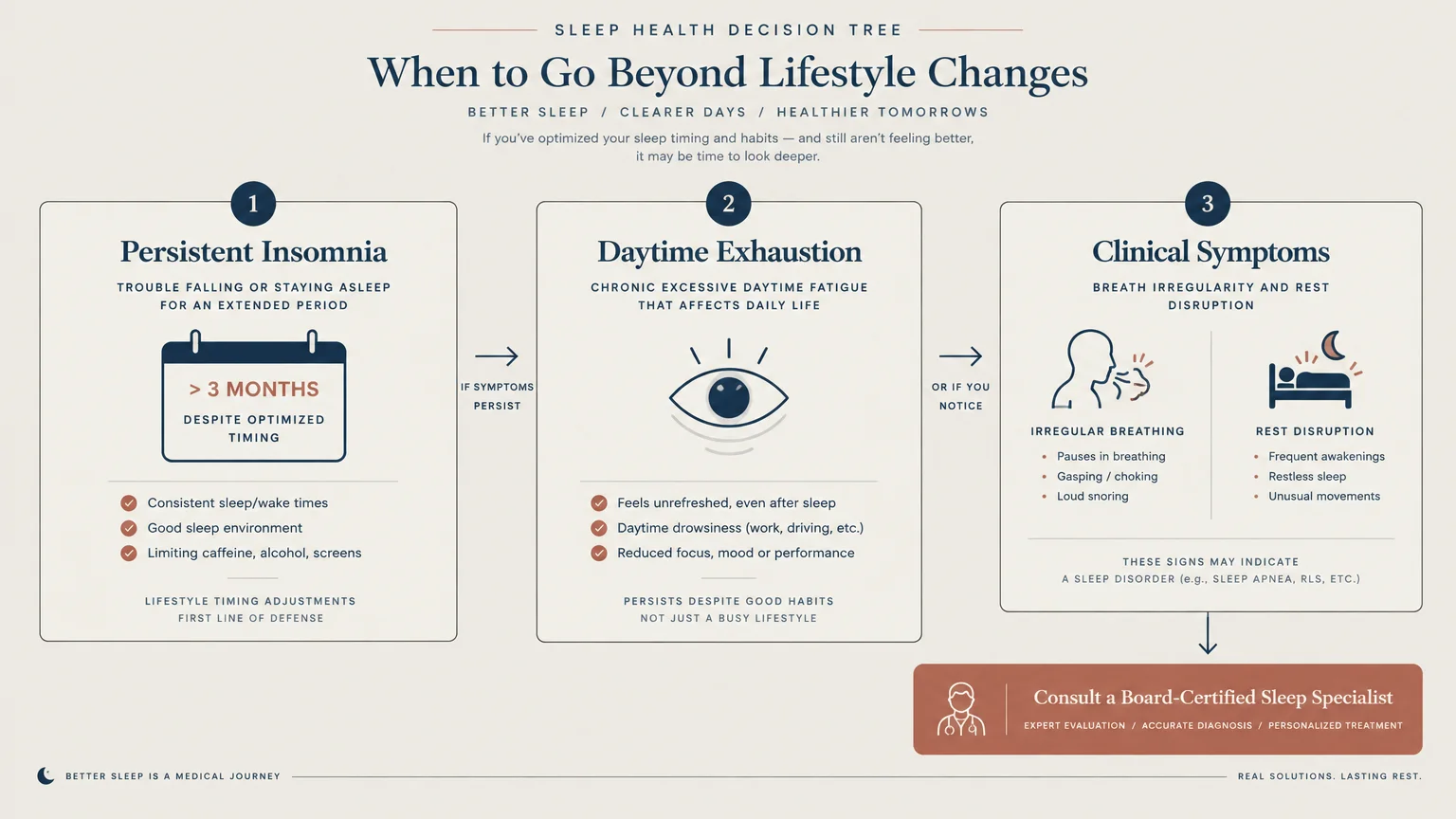
When Sleep Troubles Require Medical Evaluation
While adjusting exercise timing resolves many sleep disturbances, physical training cannot cure underlying sleep disorders. It is vital to recognize when symptoms require professional clinical care.
Consult a qualified healthcare provider or sleep specialist if you struggle with insomnia lasting longer than three months. Chronic sleeplessness often stems from complex psychological or physiological factors requiring medical management.
Seek an evaluation if you experience loud snoring accompanied by gasping or choking sensations during the night. The National Heart, Lung, and Blood Institute emphasizes that these symptoms indicate obstructive sleep apnea, a serious cardiovascular condition.
Similarly, excessive daytime sleepiness that interferes with driving or working warrants a formal sleep evaluation. Remember that lifestyle adjustments provide general health information and cannot substitute for personalized medical advice.
Frequently Asked Questions
Can I do gentle yoga or stretching right before bed?
Yes, low-intensity stretching and restorative yoga are beneficial right before bed. These gentle movements stimulate your parasympathetic nervous system, lower stress hormones, and prepare your body for deep rest.
Why does late-night cardio keep my heart racing?
Vigorous cardio floods your bloodstream with stimulating hormones like adrenaline and cortisol. It can take several hours for these hormones to clear and for nocturnal resting heart rates to stabilize.
Does working out on an empty stomach affect sleep?
Training on an empty stomach late in the day can trigger hunger pangs and nocturnal cortisol spikes that wake you up. Eating a light, balanced snack after evening sessions helps maintain stable blood sugar levels.
What should I do if evening is my only time to exercise?
Aim to finish workouts at least 90 minutes before your target bedtime. If you must exercise later, stick to moderate resistance training or low-intensity cardio, and strictly avoid caffeinated pre-workout drinks.
Your Action Step for Tonight
Look at your schedule tonight and identify your planned bedtime. Calculate backwards by four hours; that marks your personal cutoff for high-intensity, strenuous exercise.
If you cannot complete an intense workout before that four-hour mark, simply dial back the intensity. Swap grueling intervals for a moderate 30-minute session or mobility work that finishes 90 minutes before sleep.
This small adjustment allows you to keep your fitness momentum without sacrificing the deep, restorative rest your body requires.