
Pinpoint your exact sleep target tonight so you can wake up energized tomorrow morning. Determining your ideal rest window ends the frustrating cycle of morning brain fog and afternoon fatigue.
Many adults guess their rest requirements based on outdated rules of thumb. Biological sleep needs evolve throughout your lifespan; the schedule that sustained you in high school will not support adult health.
Discover clinical sleep guidelines for every age stage, understand how your nocturnal biology shifts over time, and learn how to optimize your nightly recovery.
Sleep Needs by Age: The Clinical Guidelines
Clinical sleep requirements change dramatically from infancy to retirement. Tracking the right target ensures you support cellular repair without accumulating chronic sleep debt.
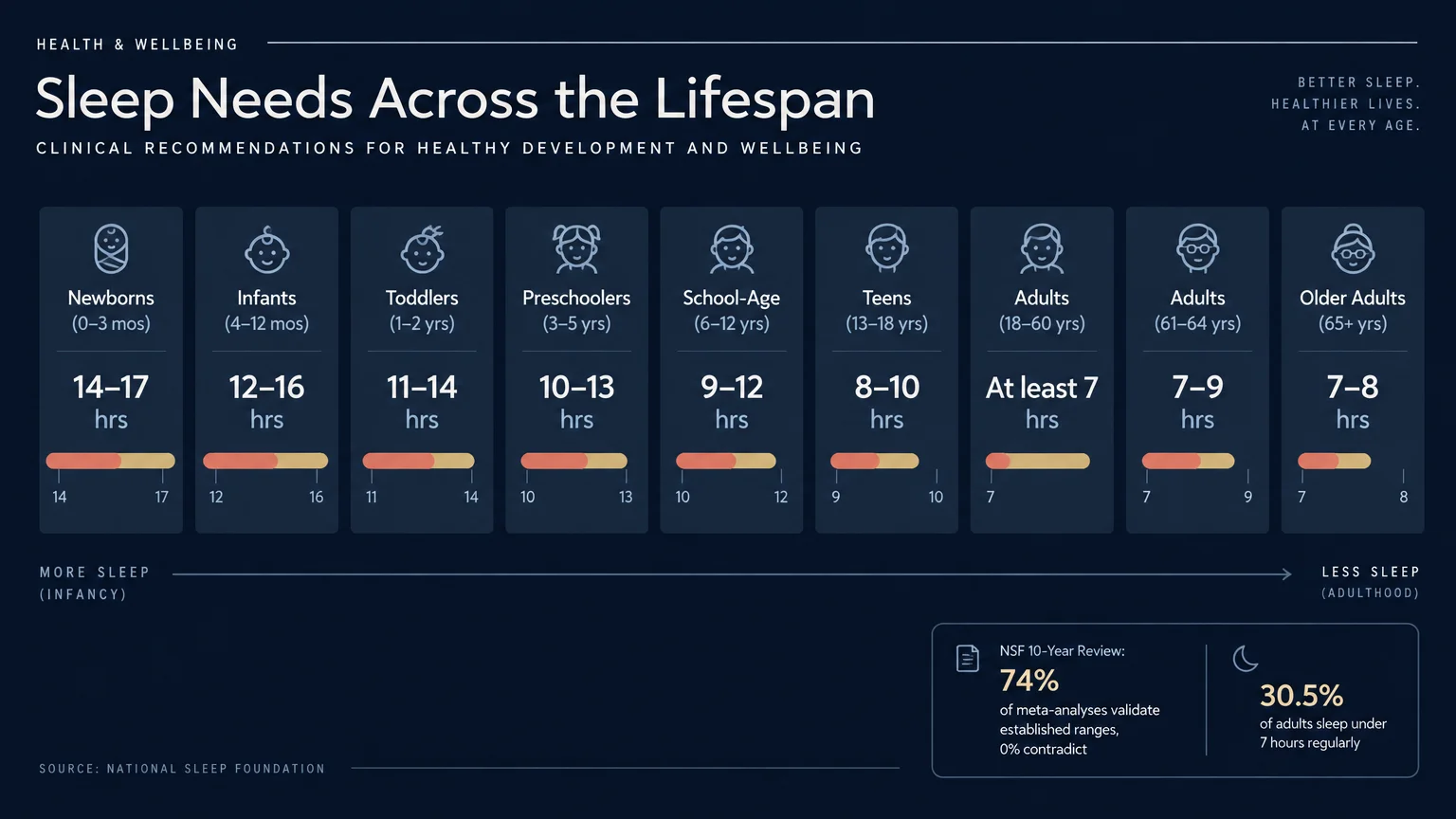
The Centers for Disease Control and Prevention and the American Academy of Sleep Medicine recommend specific durations across nine distinct age brackets.
Newborns (0 to 3 months): Infants in this stage require 14 to 17 hours of sleep across a 24-hour cycle. Their circadian rhythm is still developing, resulting in fragmented sleep sessions around the clock.
Infants (4 to 12 months): Babies need 12 to 16 hours of daily rest, including naps. This duration supports rapid neurological wiring and physical growth.
Toddlers (1 to 2 years): Young children require 11 to 14 hours of total sleep per day. Regular afternoon naps account for several hours of this requirement.
Preschoolers (3 to 5 years): Children in preschool need 10 to 13 hours of rest per 24 hours. Many begin consolidating their sleep into single overnight blocks during these years.
School-Age Children (6 to 12 years): Kids need 9 to 12 hours of restful sleep nightly. Adequate sleep at this stage directly enhances emotional regulation, immune function, and academic focus.
Teenagers (13 to 18 years): Adolescents require 8 to 10 hours of sleep per night. Yet federal surveillance shows over 70% of high schoolers fail to reach this baseline on school nights.
Adults (18 to 60 years): Adults need at least 7 hours of sleep each night. Despite this consensus, 30.5% of adults sleep fewer than 7 hours regularly.
Adults (61 to 64 years): Adults in this bracket should target 7 to 9 hours nightly. This window preserves metabolic health and sustained cognitive performance.
Older Adults (65 years and older): Seniors require 7 to 8 hours of sleep per night. Although sleep architecture fragments with age, the underlying biological need remains remarkably durable.
On June 10, 2026, the National Sleep Foundation published a comprehensive 10-year review in the journal Sleep Health. Researchers evaluated 133 meta-analyses covering up to 3,222 individual studies.
The panel confirmed that 74% of meta-analyses directly validated these established age-based ranges, with zero analyses contradicting them. Sleep quantity remains a fundamental pillar of human biology.
How Your Internal Sleep Biology Shifts Over Time
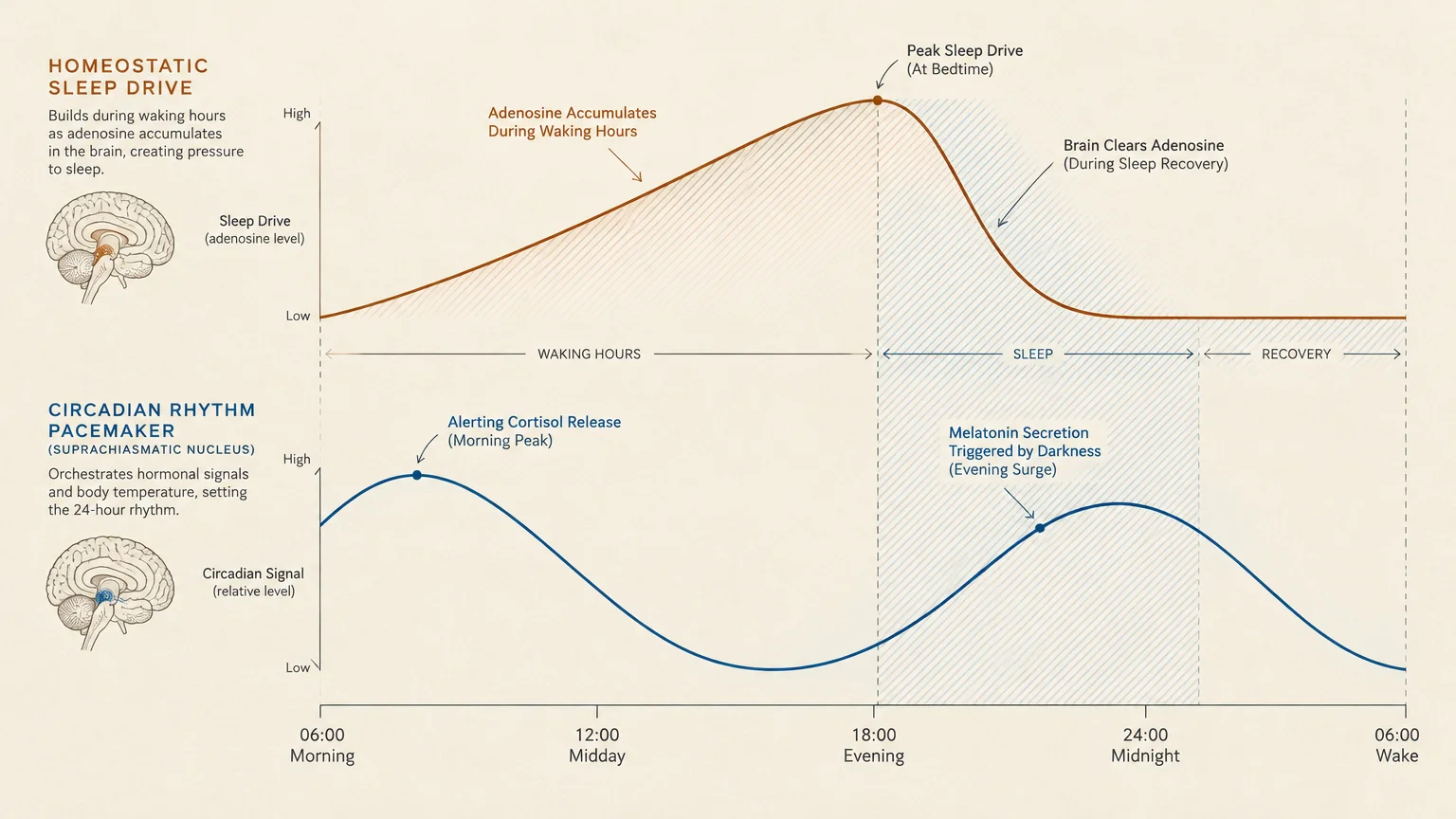
Two primary mechanisms control your sleep patterns: your circadian rhythm and your homeostatic sleep drive. Understanding both systems helps you optimize your recovery schedule.
Your homeostatic sleep drive builds adenosine in your brain during every waking hour; this chemical creates the biological pressure to rest. When you sleep, your brain clears this adenosine accumulation.
Your circadian rhythm operates as an internal 24-hour clock governed by the suprachiasmatic nucleus in your brain. This central pacemaker uses environmental light cues to release alerting cortisol or sleep-inducing melatonin.
Adolescents experience a natural circadian delay, shifting their biological sleepiness two hours later into the night. Expecting a teenager to sleep early conflicts directly with their internal biology.
As you enter older adulthood, your sleep architecture shifts toward lighter stages and reduced deep slow-wave rest. The underlying need for rest does not drop, but sleep fragmentation increases.
Federal health data shows that trouble staying asleep increases from 12.7% among adults aged 18 to 34 up to 22.3% among adults aged 50 to 64. Fragmented nights often degrade sleep efficiency over time.
Evidence-Based Strategies to Meet Your Target
You can train your biology to achieve deeper rest by making intentional lifestyle adjustments. These behavioral adjustments require zero financial investment and generate rapid returns.
Anchor your wake-up time: Wake up at the exact same time every morning, including weekends. A consistent waking hour sets your circadian rhythm and ensures predictable evening sleepiness.
Capture morning light: Expose your eyes to direct outdoor sunlight for 10 to 15 minutes within an hour of waking. Morning light halts melatonin production and stimulates daytime alertness.
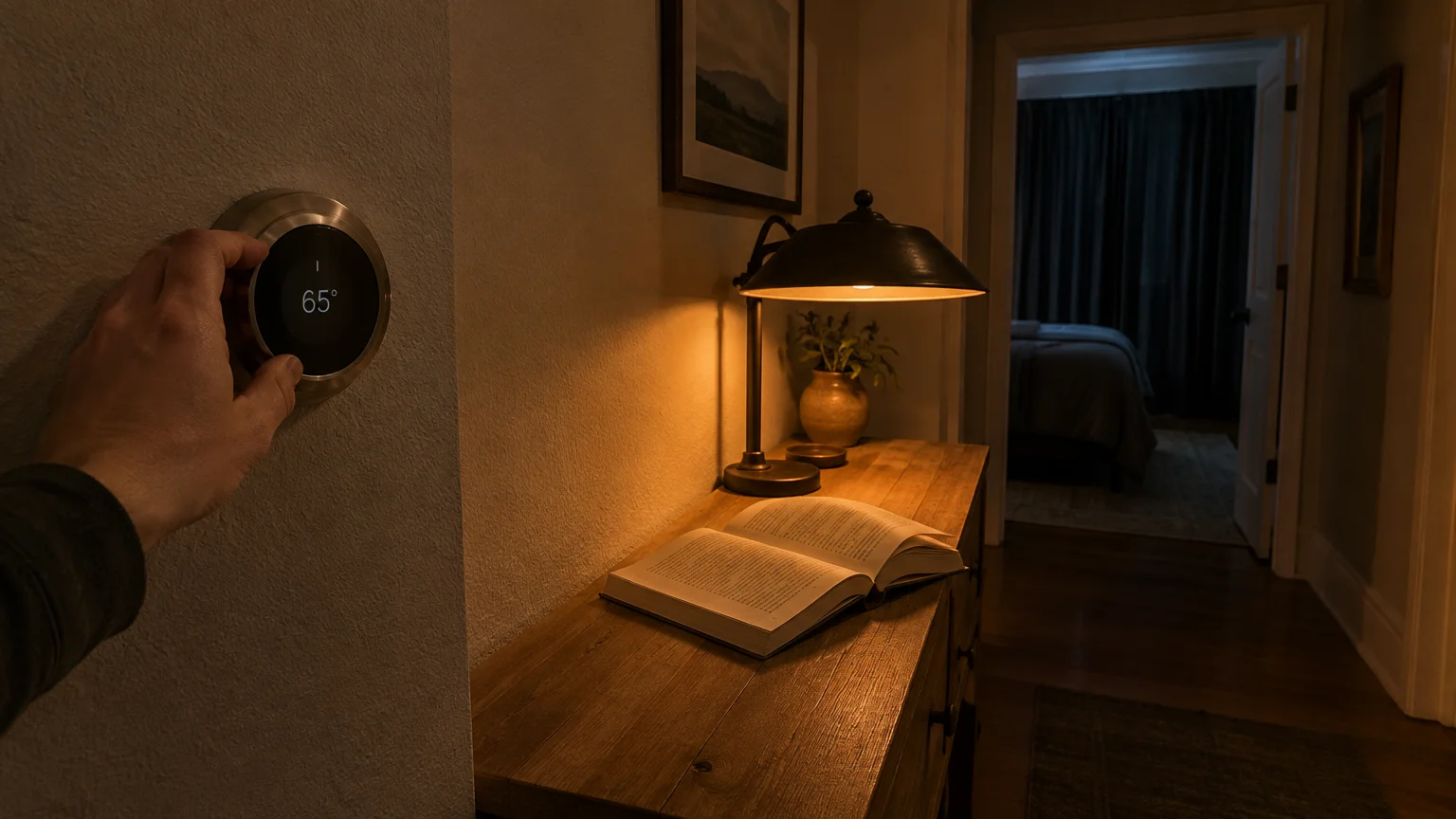
Dim evening illumination: Lower household lighting two hours before bedtime to signal biological nightfall. Avoid digital screens or use blue-light filters to prevent melatonin suppression.
Regulate your bedroom temperature: Keep your sleeping environment cool, ideally around 65 to 68 degrees Fahrenheit. Your core body temperature must drop slightly to initiate and maintain deep sleep.
Cease late stimulant intake: Avoid caffeine for at least eight hours before you intend to sleep. Caffeine blocks your adenosine receptors, masking sleep pressure without eliminating your physiological fatigue.

When to Consult a Medical Professional
While lifestyle adjustments resolve mild sleep issues, chronic disruptions require professional medical evaluation. Sleep disorders alter biological function and will not disappear through willpower alone.
According to the National Institutes of Health, untreated sleep disorders substantially raise your risk for cardiovascular disease, diabetes, and mood disorders.
Consult a physician if you experience chronic insomnia lasting three nights a week for three consecutive months. Evidence-based treatments like Cognitive Behavioral Therapy for Insomnia deliver lasting relief.
Schedule an evaluation immediately if your partner notices loud snoring punctuated by choking or gasping episodes. These symptoms strongly indicate obstructive sleep apnea, a condition requiring clinical airway management.
Seek medical care if you experience irresistible daytime sleepiness despite spending eight hours in bed. An underlying metabolic, neurological, or respiratory issue may prevent restorative sleep cycles.
Please note that this guide offers general educational health information; it does not constitute individual medical diagnosis or treatment advice.
Frequently Asked Questions
Do women require more sleep than men?
The comprehensive June 2026 National Sleep Foundation review confirmed that recommended sleep durations do not differ meaningfully between biological sexes. Individual variation and hormonal fluctuations matter far more than biological sex alone.
Can you catch up on lost sleep over the weekend?
Sleeping in on weekends temporarily offsets acute fatigue, but it fails to reverse metabolic or cognitive deficits. Weekend shifts also disrupt your circadian clock, making Monday mornings much harder.
How can you tell if your adult sleep hours are sufficient?
Only 54.8% of adults wake up feeling rested most days. If you wake spontaneously without an alarm and sustain consistent daytime energy without excessive caffeine, your sleep duration is optimal.
Does daytime napping ruin your nighttime sleep?
Short naps lasting 20 minutes restore daytime alertness without degrading nighttime rest. However, naps longer than 30 minutes or taken late in the day dissipate homeostatic sleep drive prematurely.
Your Sleep Action Step Tonight
Choose your target wake time for tomorrow morning, count backward seven to eight hours, and set an evening bedtime alarm. Sticking to this window tonight initiates your circadian realignment immediately.