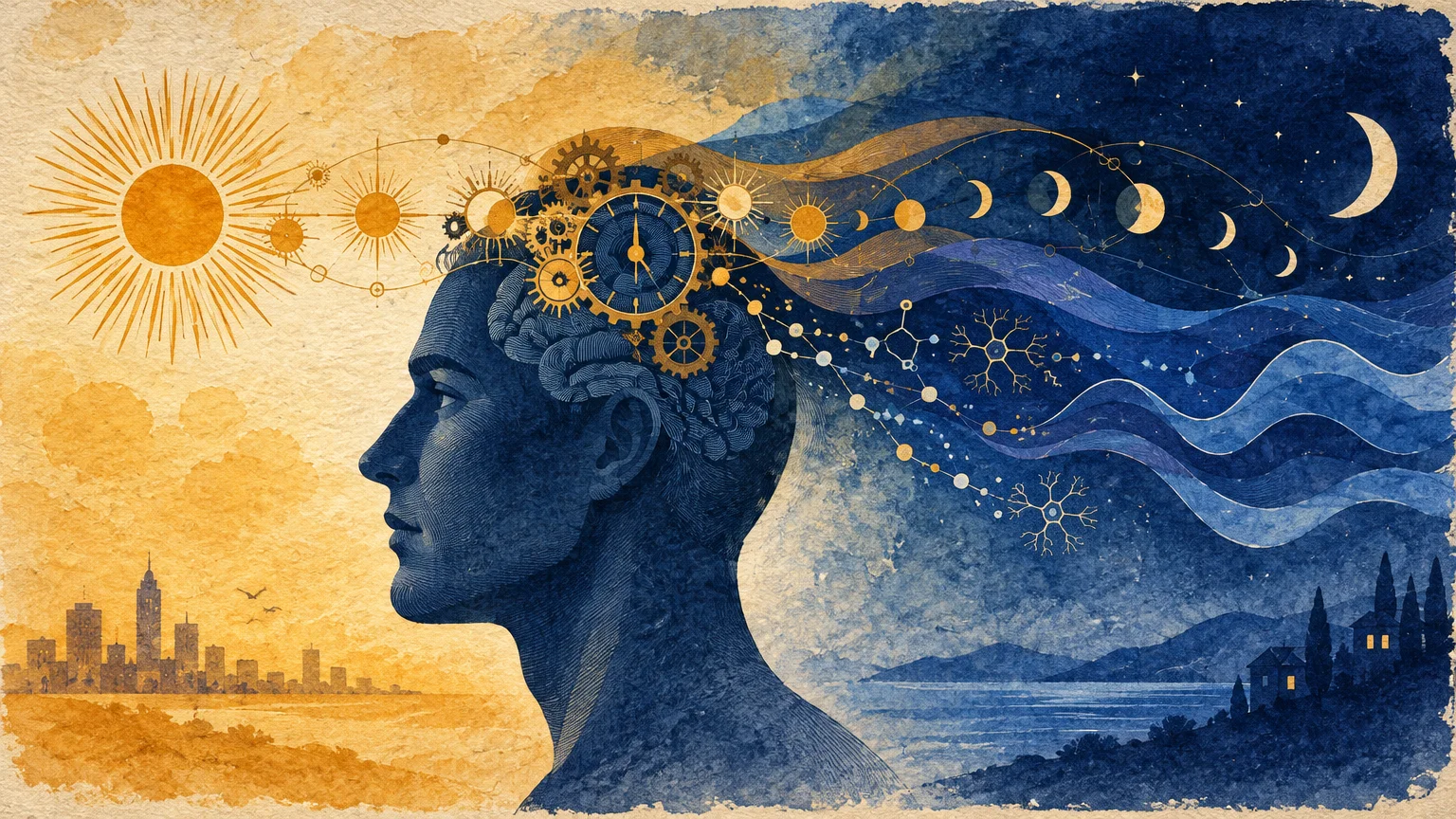
Staring at the bedroom ceiling while the clock ticks away strains your mind and drains your energy. You can reclaim restful nights by aligning your daily habits with your internal biology.
A global review estimates that 852.3 million adults worldwide experience insomnia, proving that sleeplessness is a widespread challenge. Understanding your biological sleep drives allows you to take charge of your rest.
Discover the biological mechanisms behind wakefulness, the clinical difference between short-term and chronic sleep disruption, and the evidence-based therapies that create lasting recovery.
Understanding Your Body’s Internal Sleep Architecture
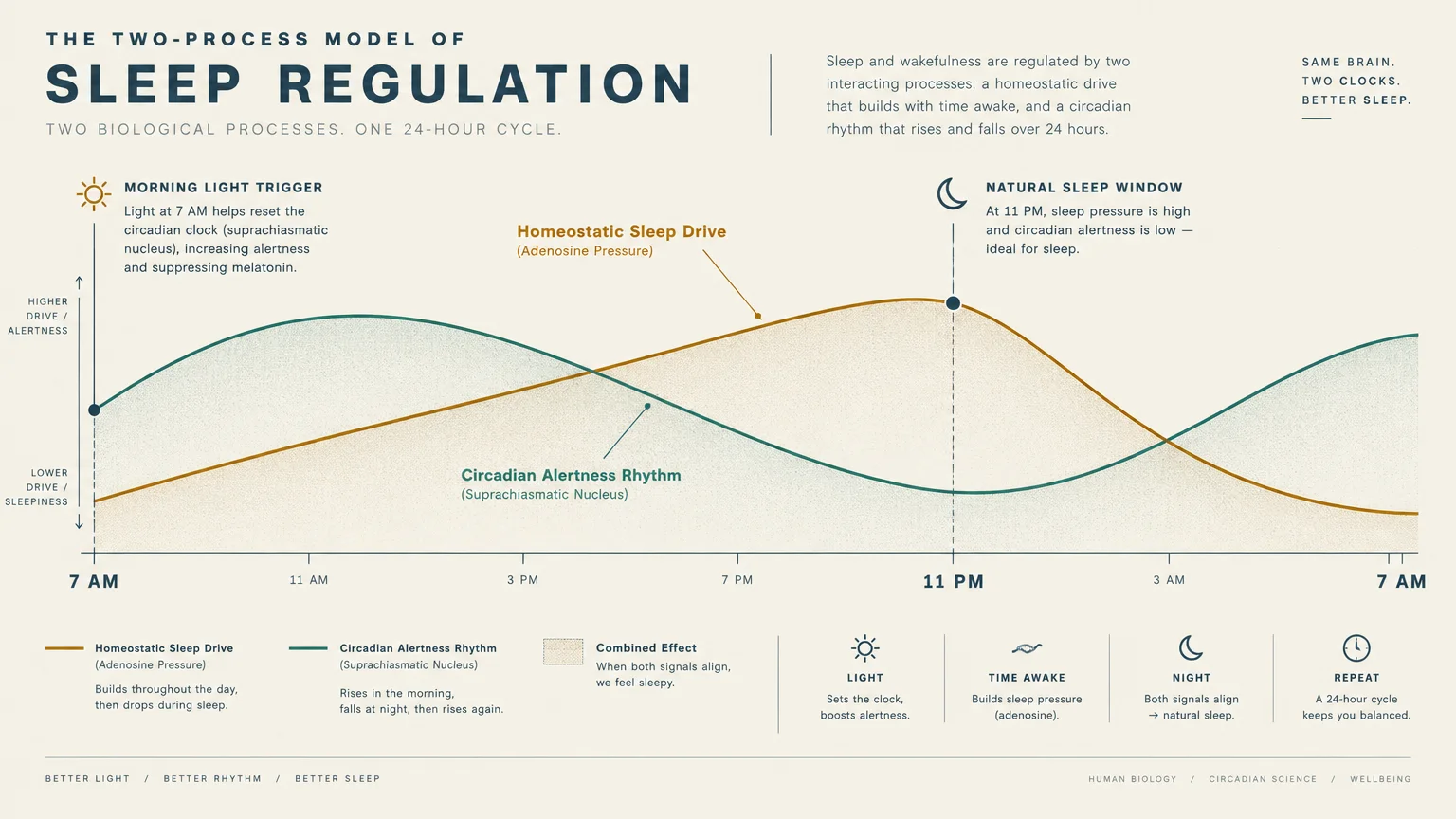
Your body regulates restorative rest through two complementary systems: your homeostatic sleep drive and your circadian rhythm.
Sleep drive accumulates during your waking hours as your brain produces adenosine. This neurochemical pressure steadily intensifies until you feel naturally drowsy.
Meanwhile, your circadian rhythm operates as an internal 24-hour master clock guided by the suprachiasmatic nucleus. Exposure to natural morning light anchors this rhythm and promotes daytime alertness.
When chronic stress or irregular schedules disrupt these biological rhythms, your brain enters a persistent state of hyperarousal. This physiological arousal keeps your nervous system vigilant and prevents you from transitioning into slow-wave and rapid eye movement sleep.
Acute Versus Chronic Insomnia: Modern Diagnostic Types
Clinical organizations have phased out the outdated terms “primary” and “secondary” insomnia. Clinicians now evaluate sleep disruption as an independent disorder requiring direct treatment, even when other medical conditions co-occur.
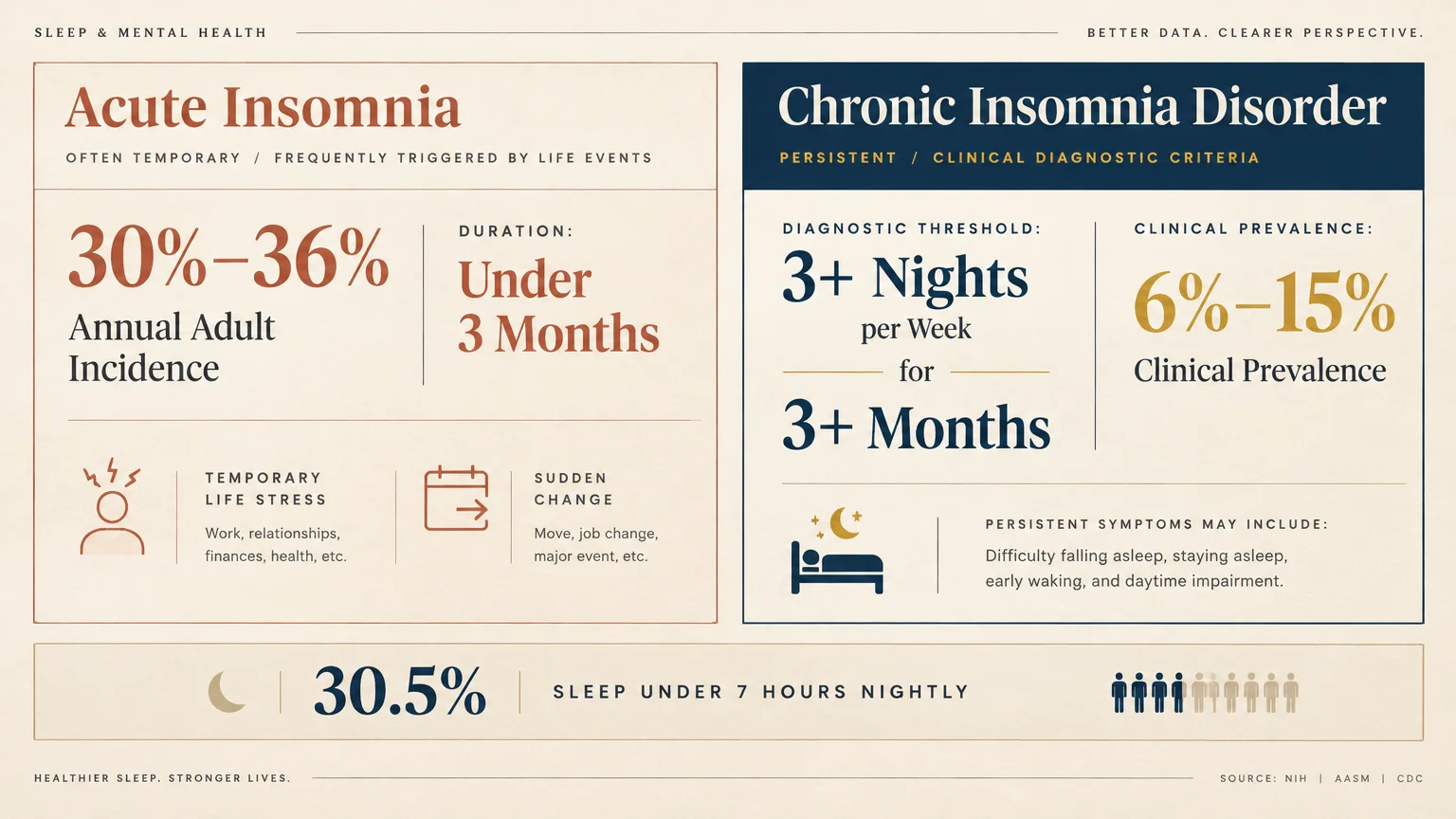
According to the National Institutes of Health, 30% to 36% of adults experience acute insomnia symptoms each year. However, 6% to 15% meet the formal diagnostic criteria for chronic insomnia disorder.
Under modern diagnostic guidelines, clinicians define chronic insomnia as difficulty falling asleep, staying asleep, or waking too early at least 3 nights per week for 3 months or longer.
In contrast, acute insomnia features identical nighttime struggles but lasts for less than 3 months. Acute episodes frequently arise from major life transitions, acute stress, or sudden illness.
Data from the Centers for Disease Control and Prevention indicates that 30.5% of adults sleep less than 7 hours nightly. The same findings reveal that 15.4% struggle to fall asleep, while 18.1% struggle to stay asleep.

Identifying the Underlying Causes of Sleeplessness
Insomnia causes rarely stem from a single factor; they usually develop through a combination of biological predispositions and environmental triggers.
Heightened nervous system arousal often transforms temporary sleep loss into an ongoing struggle. Racing thoughts, elevated evening cortisol levels, and nighttime anxiety reinforce the wakefulness pathway.
Inconsistent sleep schedules, daytime naps, and prolonged screen exposure suppress melatonin secretion and weaken your internal circadian timing.
Medical issues like acid reflux, chronic musculoskeletal pain, thyroid imbalances, and respiratory disorders can also awaken you repeatedly throughout the night.
Psychological conditions, including major depression and generalized anxiety disorders, often share bidirectional relationships with disrupted rest. Addressing both conditions concurrently produces the most durable clinical outcomes.

CBT-I: The First-Line Treatment Gold Standard
Both the American College of Physicians and sleep medicine societies recommend Cognitive Behavioral Therapy for Insomnia (CBT-I) as the initial treatment for chronic insomnia.
CBT-I is a structured, behavioral program that targets the psychological and environmental factors sustaining poor sleep without relying on sedatives.
A standard course of CBT-I requires only 4 to 8 sessions to produce meaningful results. Clinical data demonstrates a 70% to 80% treatment response rate, with roughly 40% of patients achieving complete remission.
Stimulus control therapy rebuilds your brain’s mental association between your bed and restorative rest. This technique trains you to spend time in bed only when you are truly drowsy.
Sleep restriction therapy temporarily limits your time in bed to match your actual sleep duration. This consolidation technique rapidly amplifies your homeostatic sleep drive, eliminating prolonged nighttime awakenings.
Cognitive restructuring identifies and dismantles catastrophic beliefs about nighttime wakefulness. Neutralizing sleep-related anxiety reduces autonomic nervous system arousal, allowing natural rest to take over.
Evaluating Sleep Medications and Modern Alternatives
Federal survey data shows that 12.9% of adults utilize sleep aids, with 5.7% selecting over-the-counter supplements and 5.2% taking prescription medications.
The American Academy of Sleep Medicine cautions against using over-the-counter antihistamines or melatonin as primary solutions for chronic insomnia. These compounds lack robust clinical evidence for long-term efficacy and can cause residual daytime drowsiness.
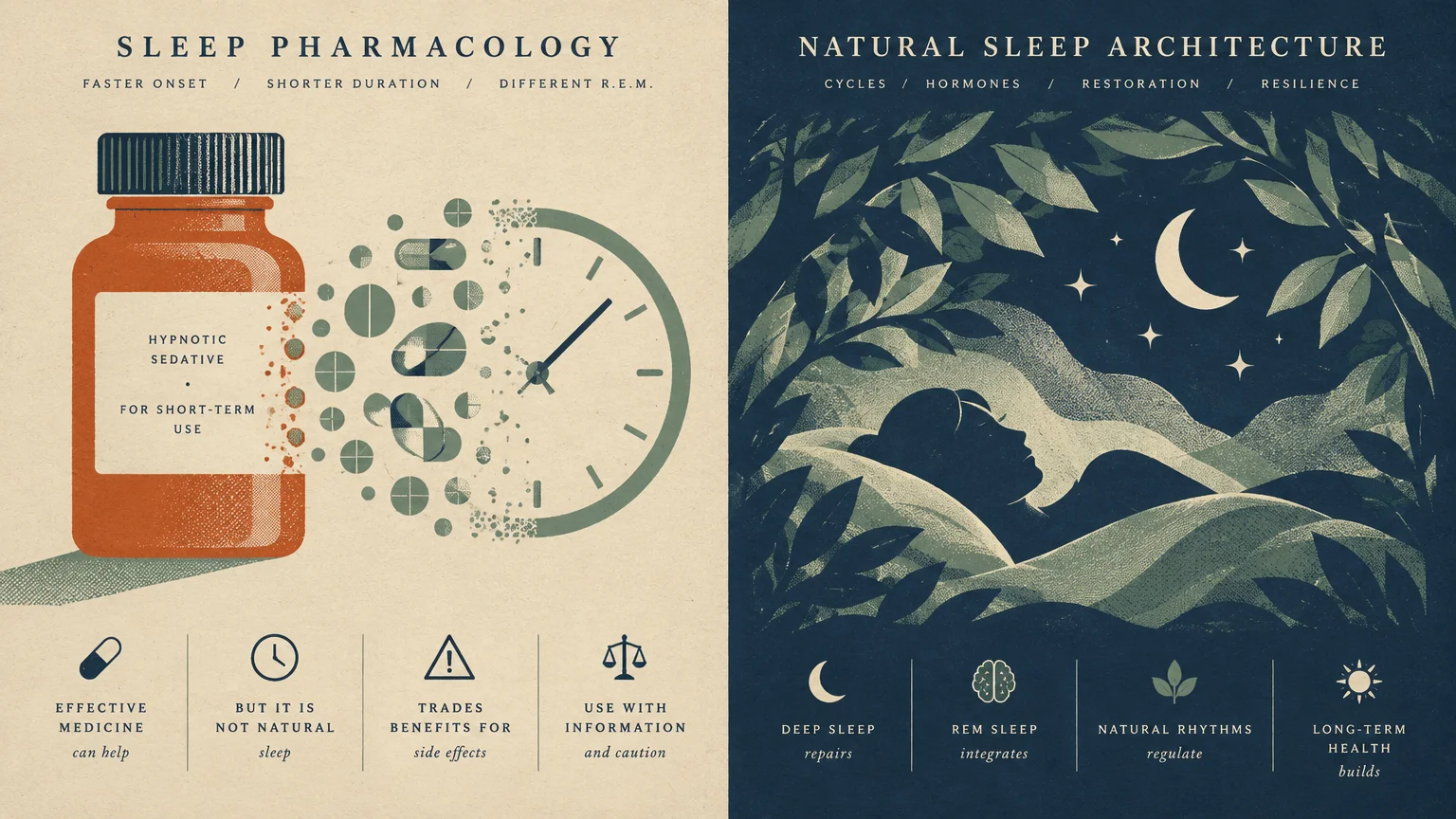
Traditional prescription sedative-hypnotics can produce rapid sedation; however, they carry risks of physical tolerance, rebound insomnia, and complex nocturnal behaviors.
Modern pharmacological advances feature Dual Orexin Receptor Antagonists, such as daridorexant and lemborexant. These medications selectively block wakefulness-promoting neuropeptides rather than broadly depressing your central nervous system.
Always view medications as short-term adjuncts rather than permanent solutions. Combining targeted pharmacotherapy with behavioral retraining yields the safest path toward self-sustaining sleep.

When to Consult a Physician or Sleep Specialist
Occasional poor nights represent a normal human response to acute stress, but persistent sleep disruption requires professional medical evaluation.
You should schedule a comprehensive medical evaluation if your sleep problems persist for 3 months or longer despite practicing good sleep habits.
Seek immediate medical attention if you experience loud snoring accompanied by gasping, daytime sleep attacks while driving, or painful tingling in your legs at rest.
These symptoms often point toward underlying conditions like obstructive sleep apnea, narcolepsy, or restless legs syndrome.
This article provides educational information rather than individualized medical advice; a certified sleep specialist can accurately diagnose your condition and design an evidence-based treatment plan.
Frequently Asked Questions About Insomnia
Can over-the-counter melatonin cure chronic insomnia?
Melatonin functions as a circadian phase-shifter rather than a potent sedative. Clinical trials demonstrate negligible effectiveness for resolving chronic insomnia disorder.
How quickly will I notice improvements from CBT-I?
Most people experience measurable improvements within 2 to 4 weeks of starting CBT-I. Adhering consistently to stimulus control and schedule consolidation generates durable progress.
What should I do after waking at 3:00 AM?
Get out of bed after approximately 20 minutes of wakefulness. Move to a dimly lit room and engage in a relaxing activity until genuine drowsiness returns.
Is chronic insomnia an inherited genetic condition?
Genetic traits can influence your physiological vulnerability to hyperarousal and stress. However, learned behaviors, sleep routines, and environmental conditions determine whether insomnia becomes chronic.
Your Next Step: One Change to Try Tonight
Reclaiming deep rest does not require an overwhelming lifestyle overhaul; it begins with a single deliberate behavioral shift tonight.
Implement the 20-minute stimulus control rule when you head to bed this evening.
If you find yourself alert or tossing after roughly 20 minutes, quietly leave your mattress and sit in a comfortable armchair.
Read a paper book under soft lighting without looking at your clock or digital screens. Return to bed only when your eyelids feel heavy.
By breaking the physical cycle of tossing and turning, you teach your brain that your bed is an exclusive sanctuary for deep, restorative sleep.